5 Quick Walkthrough Checks for Homebuyers Who Find a Cut Roof Truss

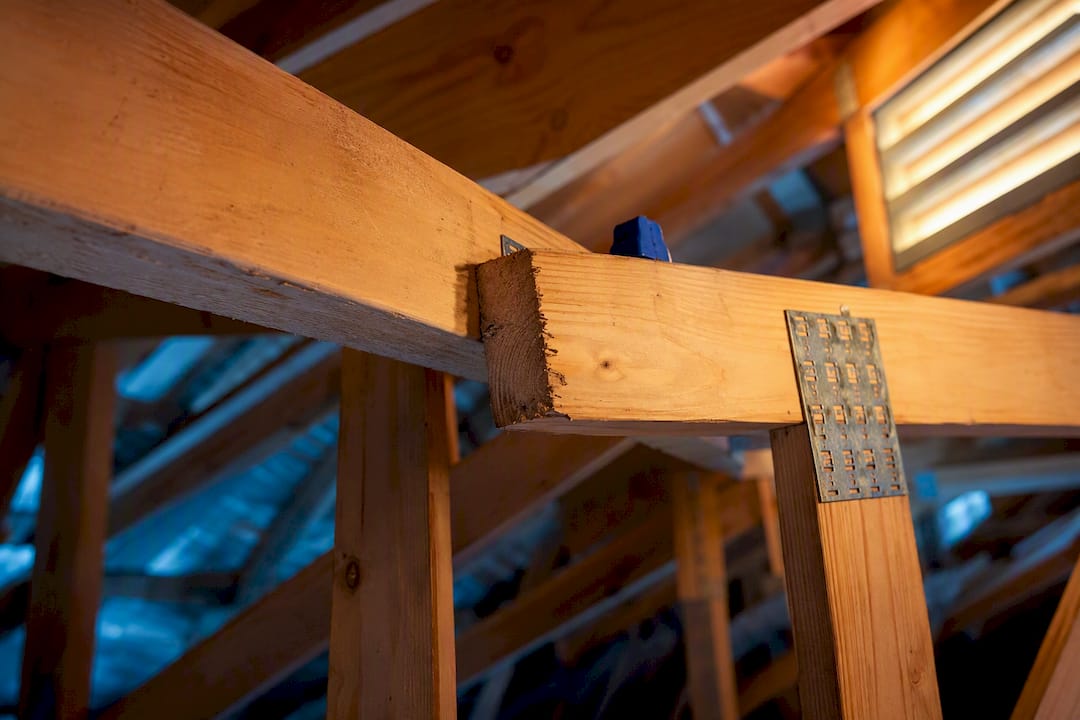
Yes, a cut or altered roof truss is often dangerous, depending on which member was removed and how the load was meant to travel through it. The right first move is simple: stop loading that area, photograph what you can see, and get a qualified inspection followed by a structural engineer or truss manufacturer review before you assume the roof is fine.
TL;DR:
Cutting or altering a roof truss without engineered approval can cause load redistribution, leading to sagging, cracking, or potential collapse.
Visible signs of damage include dips in the roofline, cracks in ceilings and walls, pulled-away connector plates, and members out of their original plane.
Any modification should be evaluated and repaired by a qualified engineer using sealed drawings, with full replacement required if multiple members or the truss geometry are affected.
During home negotiations, documented inspections and engineer reports are essential for validating repair costs and preventing coverage issues with insurers.
A same-day professional inspection provides critical visual evidence, drone imagery, and moisture testing to support safe decision-making.
Roof Truss Safety Concerns: How Load Paths Break and What to Look For
A roof truss works because every chord and web member shares tension and compression in a pattern the manufacturer engineered down to the fraction of an inch. Cut one member, even a small diagonal web, and you have removed a designed link in that chain. The load does not disappear. It redistributes onto neighboring members that were never sized to carry it, and that is exactly how cutting a truss member severs a critical load path, leading to sagging, cracked drywall, and in the worst cases, progressive collapse.
You can catch a lot of this on a normal walkthrough if you know what to look for.
Roofline that dips or waves when viewed from the street or driveway
Cracks running along ceiling and wall seams, especially where walls meet the ceiling
Metal connector plates pulling away from the wood or showing tooth marks left behind
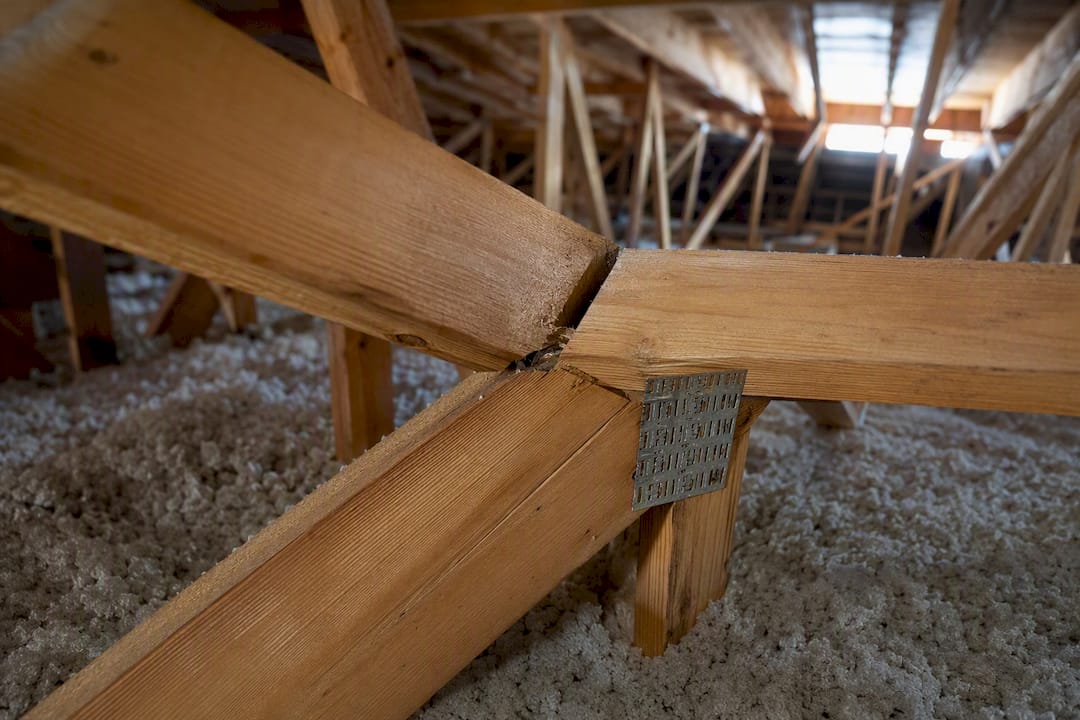
Splits or gaps at the joints where truss members meet, called nodes
Any member that looks bent, rotated, or out of its original plane
Pro Tip: Bring a flashlight and stand at one end of the attic looking down the length of the ridge. A wavy sightline down the roof deck is often easier to spot than staring straight up at any single truss.
Sudden new movement, fresh creaking under normal wind load, or a truss member that has visibly rotated since a prior visit are urgent indicators, not wait and see situations. Document everything with dated photos and video before anyone touches the area again.
Why Trusses Can’t Just Be Cut or Modified on a Whim
Trusses are not framing lumber you can trim to fit a duct run. Building codes and manufacturers treat every member as part of a single engineered system, and altering that system without sign off carries real consequences.
The International Building Code requires written approval from a registered design professional before any truss is cut, notched, or drilled
Manufacturer guidance goes further, stating that some damaged trusses must be returned to the factory or replaced outright rather than patched on site
Unpermitted alterations can void manufacturer warranties, trigger insurance claim denials, and prompt a municipal order to correct the work before a sale can close
There is no universal DIY fix here. Every truss carries a unique load calculation based on its span, pitch, and the specific loads it was designed to bear, so a repair that worked for your neighbor’s garage truss may be completely wrong for yours.
What to Do Next If You Find a Cut or Altered Truss
Finding a compromised truss during a walkthrough or after buying a home is unsettling, but the path forward is straightforward if you follow it in order.
Stop using the space. Avoid storing boxes, holiday decorations, or anything heavy in the attic area near the altered truss, and limit foot traffic on the roof above it until someone qualified confirms it is safe.
Document everything. Photograph the cut or altered member from multiple angles, note any stamped manufacturer labels or identification numbers, and record the date you found it.
Book a photo and video rich inspection. A thorough attic inspection, backed by drone roof imagery when access is limited, gives you a clear visual record to hand off.
Bring in a structural engineer. If the truss carries a manufacturer stamp, that company should also be contacted directly for repair guidance.
Pro Tip: Keep every photo and note in one folder with dates attached. If you end up negotiating repairs during a home sale, a clean paper trail carries far more weight than a verbal description of “some cracking in the attic.”
Repair Options for a Damaged or Altered Truss
Once an engineer has evaluated the damage, the fix generally falls into one of two categories, and the difference matters for your budget and timeline.
On-site engineered repairs typically use plywood or OSB gusset plates, sistered lumber run alongside the damaged member, and clinched nail patterns specified by the engineer
Full replacement becomes necessary when connector plates have pulled loose across multiple points, several critical members are compromised, or the truss geometry itself has shifted
Either path requires sealed engineering drawings, a permit inspection, and sometimes temporary propping while the work is completed
Engineers usually start a damaged truss evaluation by comparing the observed sag against the allowable deflection called for in the original design, then trace how the load has redistributed from there.
Repair Scenario | Typical Method | Who Signs Off |
Single web member cut, minor sag | Plywood/OSB gusset, sistered lumber | Structural engineer |
Connector plate pull-out at multiple nodes | Sistering plus reinforced fastening | Structural engineer or manufacturer |
Altered geometry or multiple compromised members | Full truss replacement | Manufacturer and engineer |
Manufacturers such as MiTek publish standard repair detail sketches that engineers reference after they have analyzed the specific damage, not as a substitute for that analysis.
How a Cut Truss Affects Buying, Selling, and Insurance
An altered truss rarely stays a private matter once a home changes hands. It tends to surface during the inspection and financing process, and it can slow things down.
Lenders frequently require an engineer’s evaluation or sealed repair drawings before releasing funds on a home with a documented truss alteration
Insurers treat undocumented structural changes as a material defect, which can lead to denied claims or reduced coverage down the road
Reasonable negotiation paths include requesting the seller complete engineered repairs before closing, holding funds in escrow, or adjusting the price to reflect the repair cost, always with safety prioritized over speed
If the alteration also created a route for water intrusion near the attic, it is worth checking whether that moisture has affected indoor air quality before you finalize any agreement.
What a Professional Truss Inspection Actually Covers
A thorough inspection gives you the documentation a lender, insurer, or engineer will actually accept.
Same-day digital report with attic photography showing the exact location and condition of any altered member
Drone roof footage when the roof pitch or access makes a direct walk unsafe
Free thermal imaging to flag related moisture intrusion near the damaged area
Clear next-step recommendations, including whether an engineer referral is warranted
Credentials matter here because InterNACHI certification, FAA drone training, and carrying real insurance coverage mean the person climbing into your attic is trained to document a truss concern correctly the first time.
An Inspector’s View on Cut Trusses
Most homeowners who alter a truss did not mean to create a hazard. They needed to route a duct or vent and grabbed a saw without realizing the member they cut was carrying real load. That is the pattern I see most often in the field, not malice, just a gap in knowledge about how trusses actually work.
Engineers and inspectors typically lean toward repair when the damage is isolated to one or two members with intact connector plates elsewhere, and toward replacement when the geometry has shifted or multiple nodes show plate pull-out. My advice stays consistent either way: a documented, engineered fix beats a quiet DIY patch every time, because the patch only hides the problem until it resurfaces during a sale or, worse, during a storm.
— Matt
Get a Same-Day Truss and Attic Inspection From Trinity Home Inspections
Trinity Home Inspections gives you same-day photo and video documentation of a cut or altered truss, so you are not stuck waiting days for answers before deciding your next move. That speed matters when a closing date or an engineer’s schedule is on the line.
[

Every inspection covers what you actually need to move forward with confidence: attic photography showing the exact truss condition, drone roof imaging when access is limited, free thermal imaging to catch related moisture issues, and a plain-English report with documented next steps and trusted contractor referrals. If a permit history check would help confirm whether the alteration was ever approved, Trinity’s property and permit search service can pull that record for you.
If you have found a suspicious cut or sagging area in your attic, call Trinity Home Inspections today at 251-210-7376 or book online at TrinityInspectionsLLC.com to get a same-day report and a clear path to your next step.
Sources
FAQ
Is It Okay to Cut a Roof Truss?
No. Building codes require written approval from a registered design professional before any truss is cut, notched, or drilled, and doing it without that approval can compromise the entire roof system.
Can Roof Trusses Be Altered at All?
Trusses can sometimes be altered, but only with engineered drawings and, in many cases, manufacturer sign off. There is no standard modification that applies to every truss design.
How Can I Fix a Cut Truss?
Common engineered repairs include plywood or OSB gusset plates and sistered lumber, but the sizing and fastening pattern must come from a structural engineer who has evaluated the specific damage. A structural engineer’s report typically outlines exactly what that repair needs to include.
Can You Replace Trusses Without Removing the Roof?
In many cases, yes. Engineers often replace or reinforce individual trusses from inside the attic using temporary propping to support the roof during the work, though the exact method depends on access and the extent of the damage.
Should I Book an Inspection Before Buying a Home With a Suspicious Truss?
Yes. A photo and video documented inspection, paired with an engineer referral when needed, gives you the evidence to negotiate repairs or pricing before you close.
Recommended