
Does Alcohol Kill Mold? 70% Kills Spores but Spreads Risk

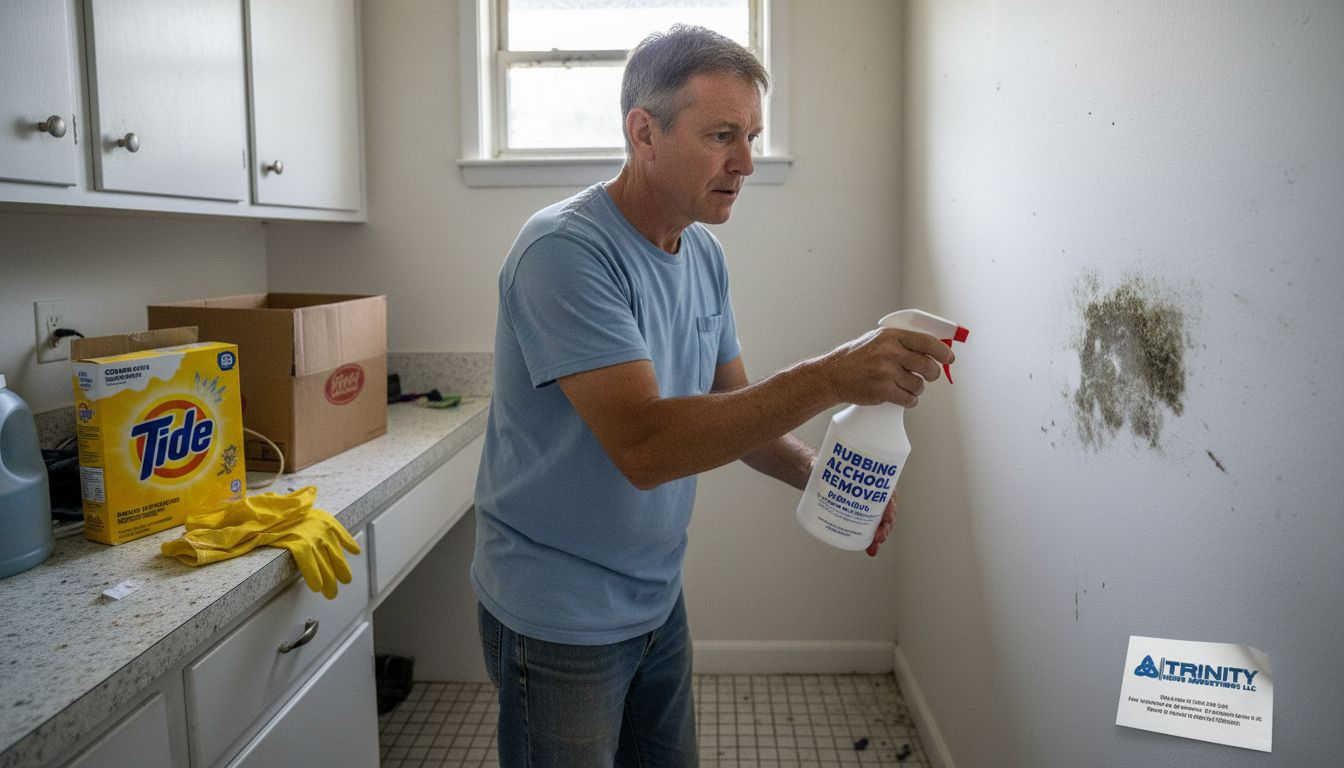
Many Gulf Coast homeowners reach for rubbing alcohol when they spot mold, believing it will kill the problem completely. The truth is more complex. Alcohol kills surface mold spores but cannot reach roots embedded in porous materials like drywall or wood. Without addressing moisture sources and roots, mold returns quickly. This article explains how alcohol interacts with mold, its serious limitations, and the safe steps you need to protect your Alabama home from recurring mold issues.
Key takeaways
Point | Details |
Alcohol kills surface spores only | Alcohol at 60-90% concentration kills surface mold spores but cannot penetrate porous materials to reach roots. |
Improper use spreads contamination | Mechanical cleaning with alcohol on porous mold can aerosolize spores and spread contamination throughout your home. |
Moisture control is essential | Without fixing leaks and controlling humidity, mold returns even after surface cleaning with alcohol or other agents. |
Hydrogen peroxide penetrates better | Hydrogen peroxide reaches mold roots in porous surfaces more effectively than alcohol or bleach for lasting results. |
Professional help for large areas | Mold patches over 10 square feet or persistent issues require professional inspection and remediation for safety. |
Understanding mold: what it is and how it grows
Mold is a type of fungus that thrives indoors when conditions are right. It needs moisture and organic material to grow and reproduce. In Alabama’s Gulf Coast region, high humidity, frequent rain, and warm temperatures create ideal conditions for mold colonization. Homes with leaks, poor ventilation, or condensation problems become prime targets.
Mold spreads through airborne spores that land on damp surfaces and begin growing within 24 to 48 hours. These spores are always present in the air, but they only become a problem when moisture allows them to multiply. Once established, mold colonies release more spores, accelerating the contamination cycle.
Common moisture sources in Gulf Coast homes include:
Roof leaks and damaged flashing
Plumbing leaks in walls or under sinks
Poor attic or crawlspace ventilation
High indoor humidity levels above 60%
Condensation on windows and cold surfaces
Flooding or water intrusion after storms
Recognizing these conditions early helps you identify and address mold problems before they become extensive. The key is controlling moisture, not just treating visible mold.
How alcohol interacts with mold: scientific insights
Alcohol kills mold by denaturing the proteins in fungal cells. This process disrupts cell structure and stops spore reproduction. The most effective concentration range is 60% to 90% alcohol, with 70% isopropyl alcohol being the most commonly used household option. Absolute or 100% alcohol is actually less effective because it lacks the water needed to penetrate cell walls and denature proteins properly.
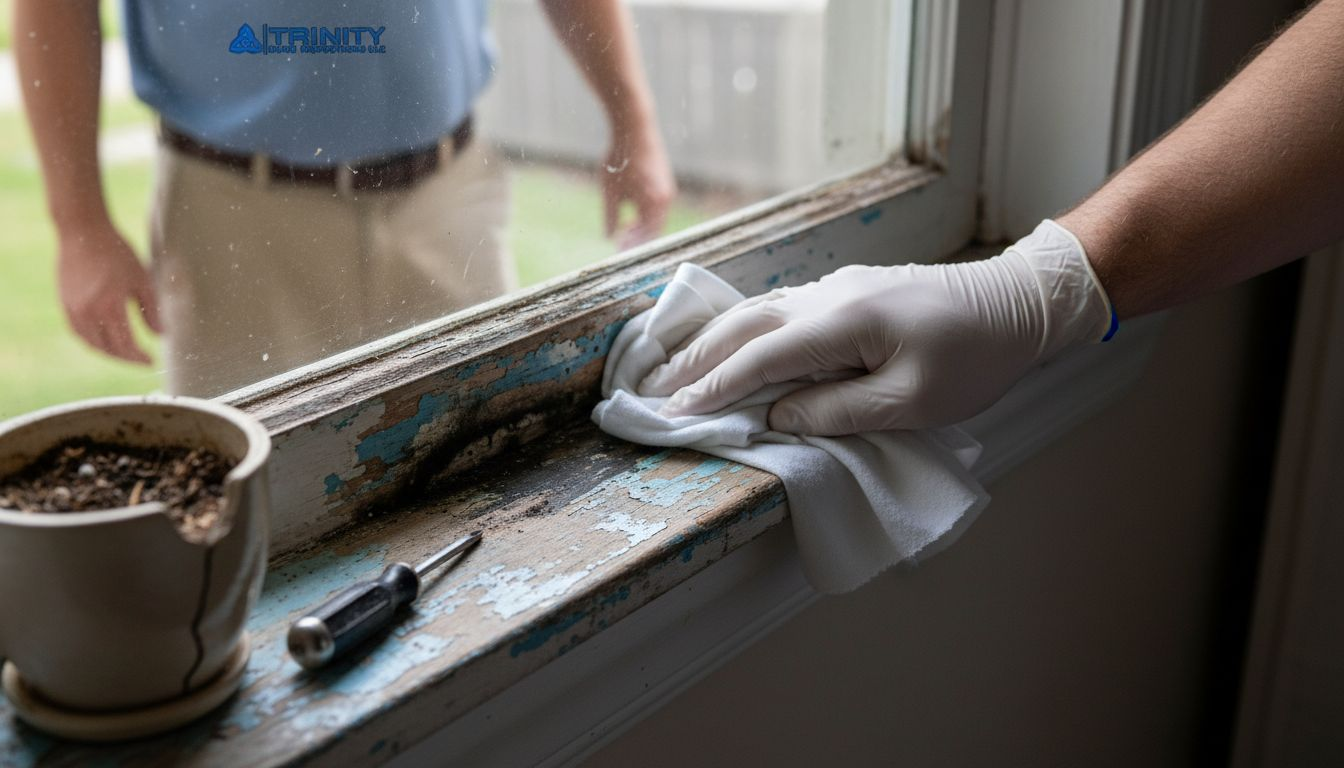
When you spray or wipe 70% alcohol on a moldy surface, it kills exposed spores quickly. This makes it useful for disinfecting hard, non-porous surfaces like glass, metal, or sealed countertops. The alcohol evaporates rapidly, leaving the surface dry and less hospitable to new mold growth.
However, alcohol has a critical limitation. It cannot penetrate porous materials like drywall, wood, insulation, or fabric. Mold growing on or inside these materials develops root structures called hyphae that extend deep into the substrate. Surface application of alcohol only kills the visible spores on top, leaving the root network intact. Within days, new spores emerge from these surviving roots, and the mold problem returns.
Key points about alcohol and mold:
70% isopropyl alcohol is the optimal concentration for killing surface spores
Alcohol works best on hard, non-porous surfaces
It evaporates quickly, reducing moisture that feeds mold
It cannot reach embedded mold roots in porous materials
Surface treatment alone does not prevent regrowth
Understanding these scientific facts helps you set realistic expectations. Alcohol is a tool for surface disinfection, not deep mold remediation.
Limitations of alcohol for mold removal and risk of spreading mold
The biggest problem with using alcohol on mold is the false sense of security it creates. You wipe down a moldy area, the visible growth disappears, and you assume the problem is solved. In reality, the mold roots remain alive inside porous materials, and regrowth is almost certain.
Another serious risk is spore dispersal during cleaning. When you scrub or wipe moldy drywall, wood, or fabric with alcohol, you physically disturb the mold colonies. This action releases thousands of spores into the air, spreading contamination to other areas of your home. Without proper containment and protective equipment, you may worsen the problem instead of fixing it.
Alcohol also does nothing to address the underlying moisture problem. If a leaky pipe, roof damage, or high humidity caused the mold, these conditions remain after surface cleaning. The mold returns, often within days, because the environment still supports growth.
For large mold infestations covering more than 10 square feet, alcohol is not a safe or effective solution. Professional remediation is necessary to remove contaminated materials, treat affected areas properly, and prevent future growth.
Critical limitations to remember:
Alcohol cannot kill mold roots in drywall, wood, or other porous materials
Mechanical cleaning with alcohol can aerosolize spores and spread contamination
Surface treatment does not fix moisture sources, so mold returns
Extensive mold growth requires professional remediation, not DIY alcohol cleaning
Pro Tip: Never disturb large mold patches without proper protective gear including gloves, goggles, and an N-95 respirator. Contain the area with plastic sheeting to prevent spore spread.
Health risks of mold and importance of proper treatment
Indoor mold exposure is not just a cosmetic issue. It poses real health risks, especially for people with allergies, asthma, or weakened immune systems. Research shows that 6% to 10% of people have allergic reactions to indoor mold, experiencing symptoms like sneezing, runny nose, red eyes, and skin rashes.
For people with asthma, mold exposure can trigger severe attacks and worsen respiratory function over time. Chronic exposure to mold spores increases the risk of developing asthma in previously healthy individuals, particularly children. In Alabama’s humid Gulf Coast climate, where mold growth is common, these risks are especially relevant.
Symptoms of mold exposure include:
Persistent coughing and wheezing
Nasal congestion and sinus infections
Throat irritation and difficulty breathing
Skin rashes and itching
Fatigue and headaches
Effective mold treatment is essential to protect your family’s health. Simply killing surface spores with alcohol while leaving roots and moisture problems intact means continued exposure. You need to remove contaminated materials, eliminate moisture sources, and verify that mold levels have returned to normal. This is why understanding the limits of alcohol and other cleaning agents matters.
Homeowners should not delay when they discover mold. Early intervention prevents extensive damage and reduces health risks associated with prolonged exposure. If you suspect hidden mold or have recurring problems despite cleaning, professional inspection and testing provide the clarity you need to make safe decisions.
Comparison of mold-killing agents: alcohol, bleach, hydrogen peroxide, and more
Choosing the right mold-killing agent depends on where the mold is growing and what material is affected. Each chemical has strengths and weaknesses that make it suitable for specific situations.
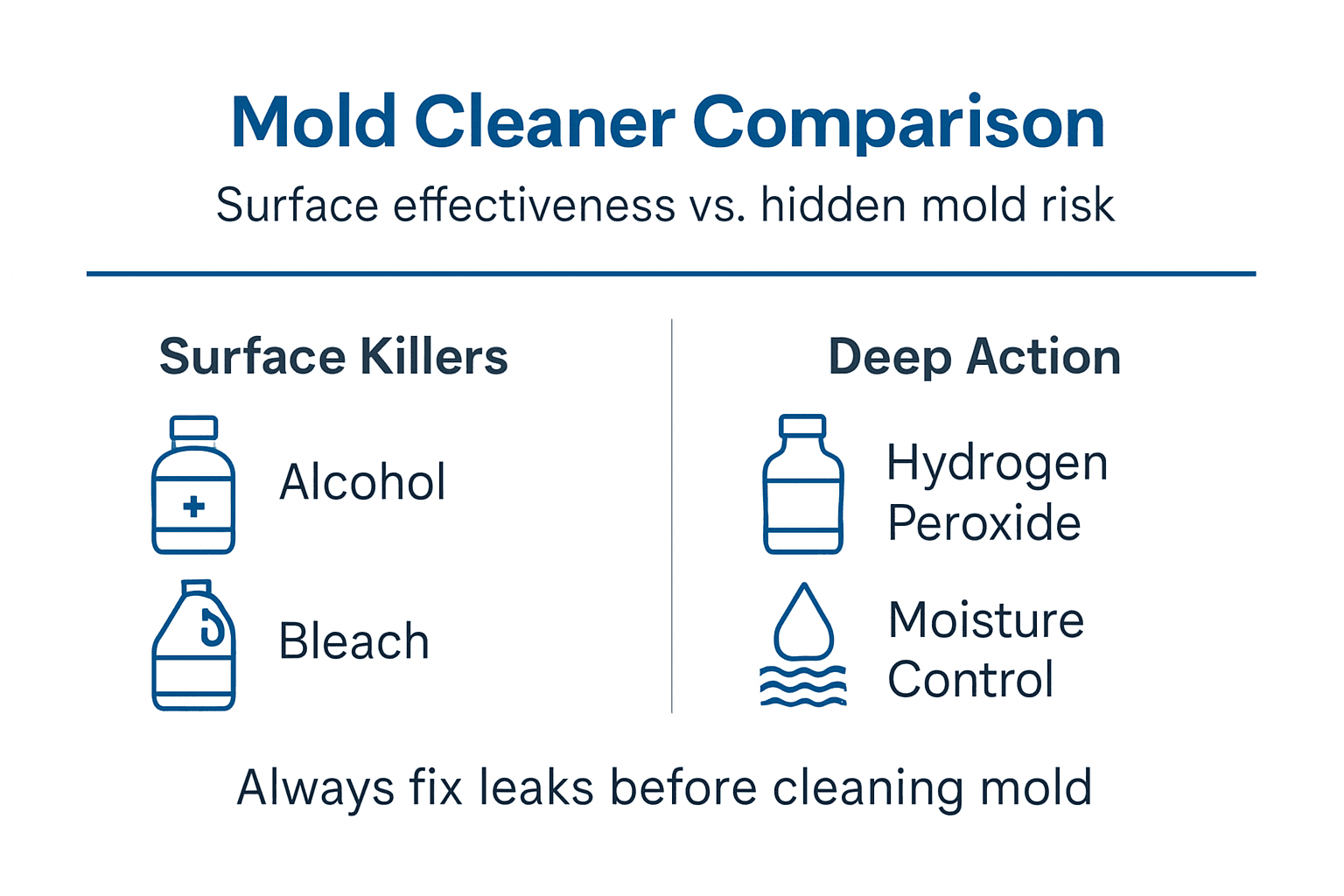
Bleach is often the first product people reach for, but it has significant limitations. Bleach kills surface mold on non-porous materials like tile, glass, and metal. However, it does not penetrate porous materials like drywall or wood, leaving roots intact. Bleach also produces harsh fumes that can irritate lungs and eyes, making it unsafe for prolonged use in enclosed spaces. Additionally, bleach adds moisture to surfaces, which can actually feed mold growth in porous materials.
Hydrogen peroxide is a better choice for most mold situations. It penetrates porous surfaces, killing both surface spores and embedded roots. A 3% to 10% hydrogen peroxide solution is effective, safer to use than bleach, and does not leave behind harmful residues. It breaks down into water and oxygen, making it environmentally friendly.
Alcohol kills surface mold quickly and evaporates fast, reducing moisture. It works well on hard surfaces but fails on porous materials. The risk of spreading spores during application is a concern, especially on textured or fibrous surfaces.
Agent | Effectiveness | Safety | Penetration | Best Use |
Alcohol (70%) | Kills surface spores quickly | Flammable, evaporates fast, low fume risk | No penetration on porous materials | Hard, non-porous surfaces like glass, metal, countertops |
Bleach | Kills surface mold on non-porous surfaces | Harsh fumes, irritates skin and lungs, adds moisture | No penetration, ineffective on porous materials | Tile, bathtubs, sealed surfaces only |
Hydrogen Peroxide | Kills surface spores and penetrates to roots | Safe for indoor use, minimal fumes, eco-friendly | Penetrates porous materials effectively | Wood, drywall, fabric, and most mold situations |
Pro Tip: For drywall or wood with embedded mold, hydrogen peroxide is your best option. Spray it on, let it sit for 10 to 15 minutes, then wipe clean. Repeat if necessary.
Preventing mold growth and recurrence
Moisture control is the foundation of mold prevention. No amount of cleaning with alcohol, bleach, or hydrogen peroxide will stop mold if you do not fix the water problem. Mold needs moisture to grow, so eliminating excess water stops the problem at its source.
In Alabama’s Gulf Coast region, humidity is a constant challenge. Indoor humidity levels should stay below 50% to discourage mold growth. Use dehumidifiers in basements, crawlspaces, and other damp areas. Ensure bathrooms and kitchens have working exhaust fans that vent outside, not into attics.
Steps to prevent mold growth and recurrence:
Fix leaks in roofs, plumbing, and windows within 24 hours of discovery.
Dry damp areas within 24 to 48 hours after water intrusion to prevent mold colonization.
Use dehumidifiers to maintain indoor humidity below 50%, especially in summer.
Improve ventilation in bathrooms, kitchens, and laundry rooms with exhaust fans.
Install vapor barriers in crawlspaces to block ground moisture from entering your home.
Clean gutters and downspouts regularly to prevent water from pooling near the foundation.
Monitor indoor humidity with a hygrometer and adjust as needed.
Pro Tip: Install vapor barriers in crawlspaces to reduce ground moisture intrusion, a common source of mold in Gulf Coast homes with pier and beam foundations.
Regular home maintenance and moisture monitoring are your best defenses. Catching water problems early prevents mold from establishing colonies and saves you thousands in remediation costs.
Safe mold cleaning and removal practices for homeowners
If you decide to clean mold yourself, safety must be your top priority. Mold spores and cleaning chemicals both pose health risks, so proper protective equipment is essential.
Wear gloves, goggles, and an N-95 respirator whenever you clean mold. Regular dust masks do not filter mold spores effectively. N-95 respirators block at least 95% of airborne particles, protecting your lungs from spore exposure. Gloves prevent skin contact with mold and chemicals, while goggles protect your eyes from splashes and spores.
Do not attempt to clean mold patches larger than 10 square feet on your own. Extensive mold growth often indicates hidden contamination inside walls, ceilings, or HVAC systems. Professional remediation is necessary to safely remove large infestations and prevent spore spread throughout your home.
Safe cleaning steps:
Isolate the moldy area with plastic sheeting and tape to contain spores.
Use a HEPA-filter vacuum to capture loose spores before wet cleaning.
Clean hard surfaces mechanically with a brush or cloth before applying disinfectants.
Apply your chosen mold-killing agent (alcohol, hydrogen peroxide) and let it sit for 10 to 15 minutes.
Wipe surfaces clean and dispose of cleaning materials in sealed plastic bags.
Run a HEPA air purifier in the area for 24 hours after cleaning to capture airborne spores.
For safe and effective mold removal, always address the moisture source first. Cleaning mold without fixing leaks or humidity problems is a temporary fix that wastes time and money.
If mold returns after cleaning, or if you suspect hidden growth in walls or crawlspaces, professional mold inspection and testing provide the answers you need. Professionals use moisture meters, thermal imaging, and air sampling to identify the full extent of contamination and guide effective remediation.
Summary: making safe and effective decisions for mold treatment
Alcohol can kill surface mold spores when used at 60% to 90% concentration, but it is not a complete solution for embedded mold problems. The roots survive in porous materials, and regrowth is almost certain without addressing moisture sources.
Key takeaways for Alabama Gulf Coast homeowners:
Alcohol works on hard, non-porous surfaces but fails on drywall, wood, and fabric.
Always fix leaks and control humidity first to prevent mold regrowth and new colonization.
Choose hydrogen peroxide for porous surfaces because it penetrates and kills roots effectively.
Use proper protective gear including gloves, goggles, and N-95 respirators during any mold cleaning.
Avoid disturbing large mold patches or extensive growth without professional containment and equipment.
If you face recurring mold despite cleaning, or if you discover large infestations, consult mold professionals. Testing and inspection identify hidden problems and guide safe, effective remediation. Your family’s health and your home’s value depend on getting mold treatment right the first time.
Protect your Alabama Gulf Coast home with expert mold inspections
DIY mold cleaning has limits. When alcohol and other products fail to stop recurring growth, it is time to call professionals who understand Gulf Coast mold challenges. Our team provides thorough mold testing and inspection services that identify hidden moisture sources, air quality risks, and the full extent of contamination.
We use thermal imaging, moisture meters, and certified lab testing to give you clear answers. Our reports tell you exactly what needs attention and what can wait, so you make smart decisions without guessing. Regular home inspections catch mold issues early, protecting your family’s health and your property value. Schedule your mold inspection today and get the clarity you need to keep your Gulf Coast home safe and mold-free.
Frequently asked questions
What concentration of alcohol is best for killing surface mold?
The optimal concentration is 70% isopropyl alcohol. This balance of alcohol and water denatures mold proteins effectively while penetrating cell walls. Concentrations between 60% and 90% work well, but 100% alcohol is less effective because it lacks water for protein disruption.
Can alcohol be used on all types of moldy surfaces?
No. Alcohol kills surface spores on hard, non-porous materials like glass, metal, and sealed countertops. It cannot penetrate porous materials like drywall, wood, or fabric, leaving embedded mold roots intact. For porous surfaces, hydrogen peroxide is a better choice because it reaches deeper.
How can I prevent mold from returning after cleaning?
Fix the moisture problem first. Repair leaks, improve ventilation, and use dehumidifiers to keep indoor humidity below 50%. Mold returns if water sources remain active. Dry any damp areas within 24 to 48 hours and monitor humidity levels regularly to prevent regrowth.
When should I call a professional for mold problems?
Call a professional if mold covers more than 10 square feet, returns after cleaning, or appears in hidden areas like walls or crawlspaces. Professionals use moisture meters, thermal imaging, and air sampling to identify the full extent of contamination and guide safe remediation.
Is bleach better than alcohol for mold removal?
Neither is ideal for porous surfaces. Bleach kills surface mold on non-porous materials but produces harsh fumes and adds moisture that can feed mold in porous materials. Alcohol kills surface spores quickly but does not penetrate. Hydrogen peroxide is the best option for most mold situations because it penetrates porous surfaces and kills roots without harsh fumes.
Recommended

