
Essential Fireplace Cleaning Tips for Alabama Homeowners
- Matt Cameron

- Feb 4
- 8 min read
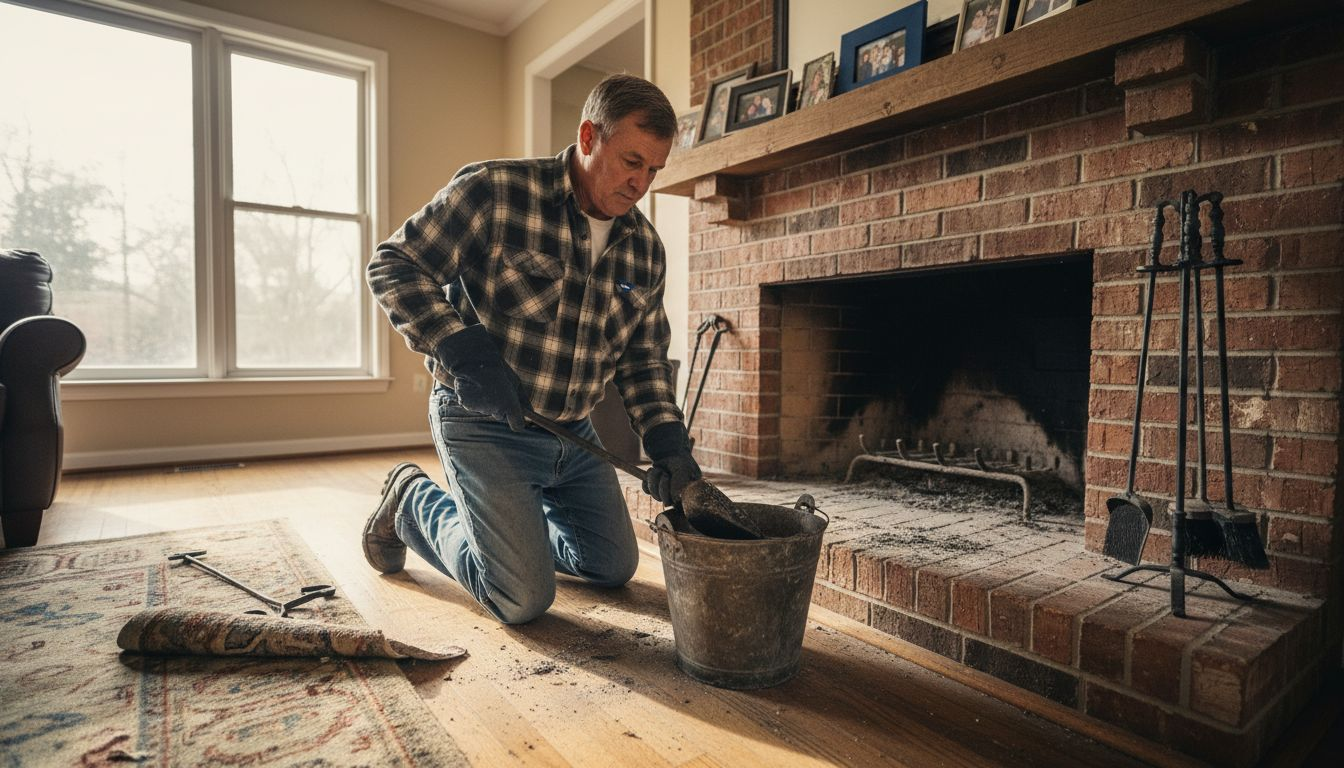
Every Gulf Shores home deserves a fireplace that works safely and efficiently when winter temperatures arrive. Keeping your fireplace clean is more than routine upkeep—it’s about protecting your family from hazards and making the most of every cozy fire night. With the right methods and a few essential fireplace cleaning tools, you can tackle the job yourself and create a safer, warmer environment for your Alabama home.
Table of Contents
Quick Summary
Important Insight | Explanation |
1. Assemble Proper Cleaning Tools | Having the right tools, such as gloves, a HEPA vacuum, and drop cloths, ensures a safe and efficient cleaning process. |
2. Always Wear Protective Gear | Use heavy-duty gloves, masks, and safety glasses to protect against soot and respiratory irritation during cleaning. |
3. Inspect and Clean Fireplace Damper | Regularly check the damper for blockages and rust; this maintains proper airflow and prevents ventilation hazards. |
4. Deep Clean Firebox Regularly | Scrubbing the firebox with a wire brush and cleaning solution prevents soot buildup and air quality issues. |
5. Schedule Annual Chimney Inspections | Professional inspections help detect hidden safety issues, ensuring your fireplace operates safely and efficiently. |
Step 1: Gather Tools and Prepare for DIY Fireplace Cleaning
Before diving into your fireplace cleaning project, you’ll need to collect the right equipment and set up a safe workspace. Proper preparation ensures an efficient and thorough cleaning process that protects both you and your home’s interior.
Start by assembling your essential fireplace cleaning toolkit. Your collection should include:
Heavy-duty work gloves
Dust mask or respirator
Safety glasses
Protective clothing (long sleeves and pants)
Stiff-bristled wire brush
Metal ash shovel
Large metal ash bucket with lid
Spray bottle with water
Vacuum with HEPA filter
Drop cloths or plastic sheeting
Safety first: Always wear protective gear when cleaning your fireplace to prevent respiratory irritation and protect your clothing from soot and ash.
Before beginning your fireplace maintenance process, take time to prepare your workspace. Lay down drop cloths around the fireplace to catch any falling debris and protect your flooring. Open nearby windows to ensure proper ventilation, which helps disperse dust and prevents buildup of potentially harmful particles.
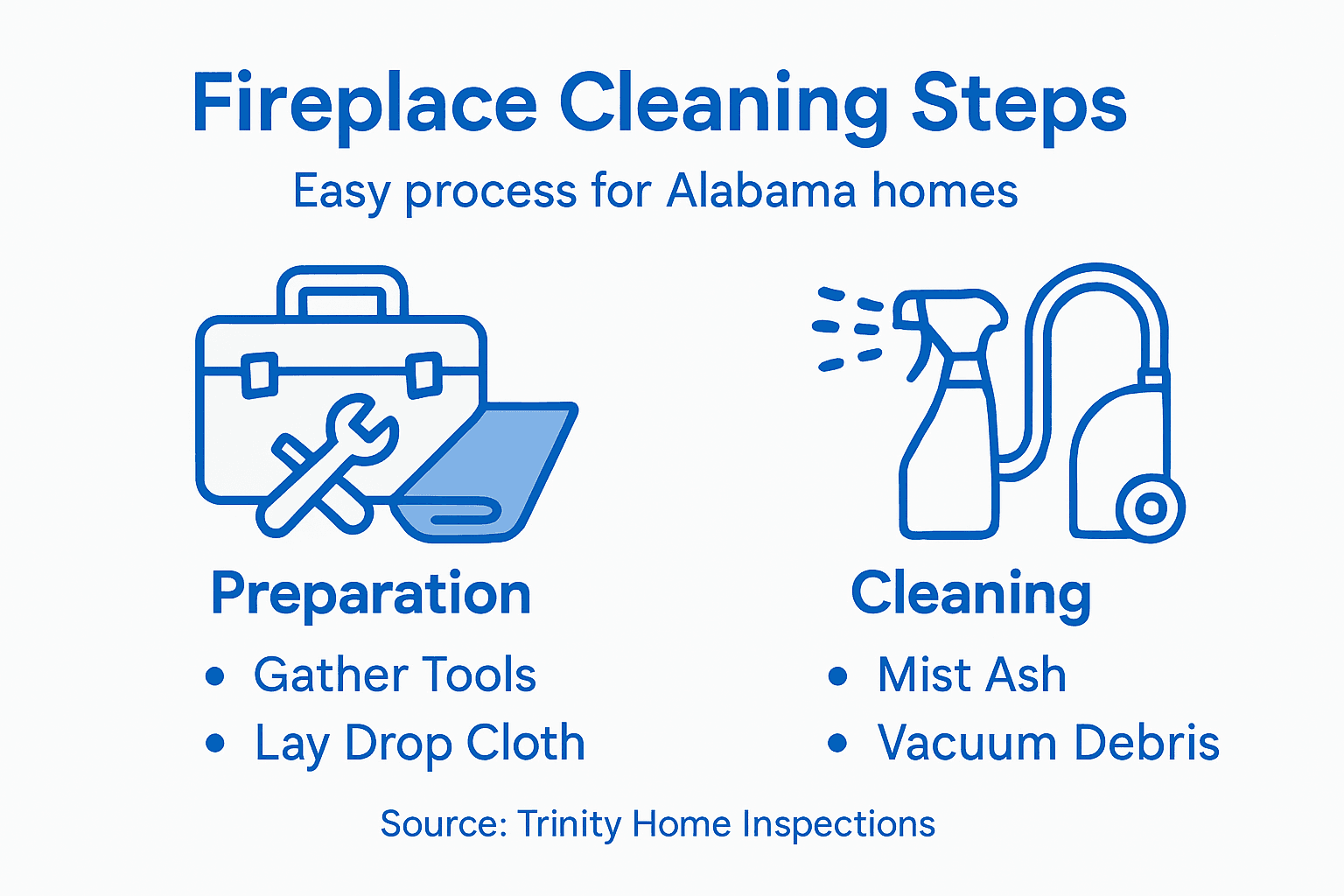
Clear the area around your fireplace, removing any nearby furniture or decorative items. This gives you ample space to work and prevents accidental staining or damage from dust and ash.
Pro tip: Keep a spray bottle with water nearby to lightly dampen ash and reduce airborne particles during cleaning, making your DIY fireplace maintenance safer and more controlled.
Step 2: Clear Fireplace Ash Cleanout and Remove Debris
Now that you’ve gathered your tools, it’s time to tackle the critical task of removing ash and debris from your fireplace. A thorough ash cleanout is essential for maintaining proper fireplace function and preventing potential safety hazards.
Begin by using your metal ash shovel to carefully remove accumulated ash. When working, keep these key principles in mind:
Work slowly and methodically
Avoid creating dust clouds
Keep ash layer less than one inch deep
Use gentle, controlled movements
Caution: Always ensure embers are completely cool before starting ash removal to prevent accidental fire.
Safely remove ash particles by first lightly misting the ash with water from your spray bottle. This technique helps minimize airborne dust and makes the cleaning process more controlled. Gently scoop the damp ash into your metal bucket, taking care not to scatter particles around your workspace.
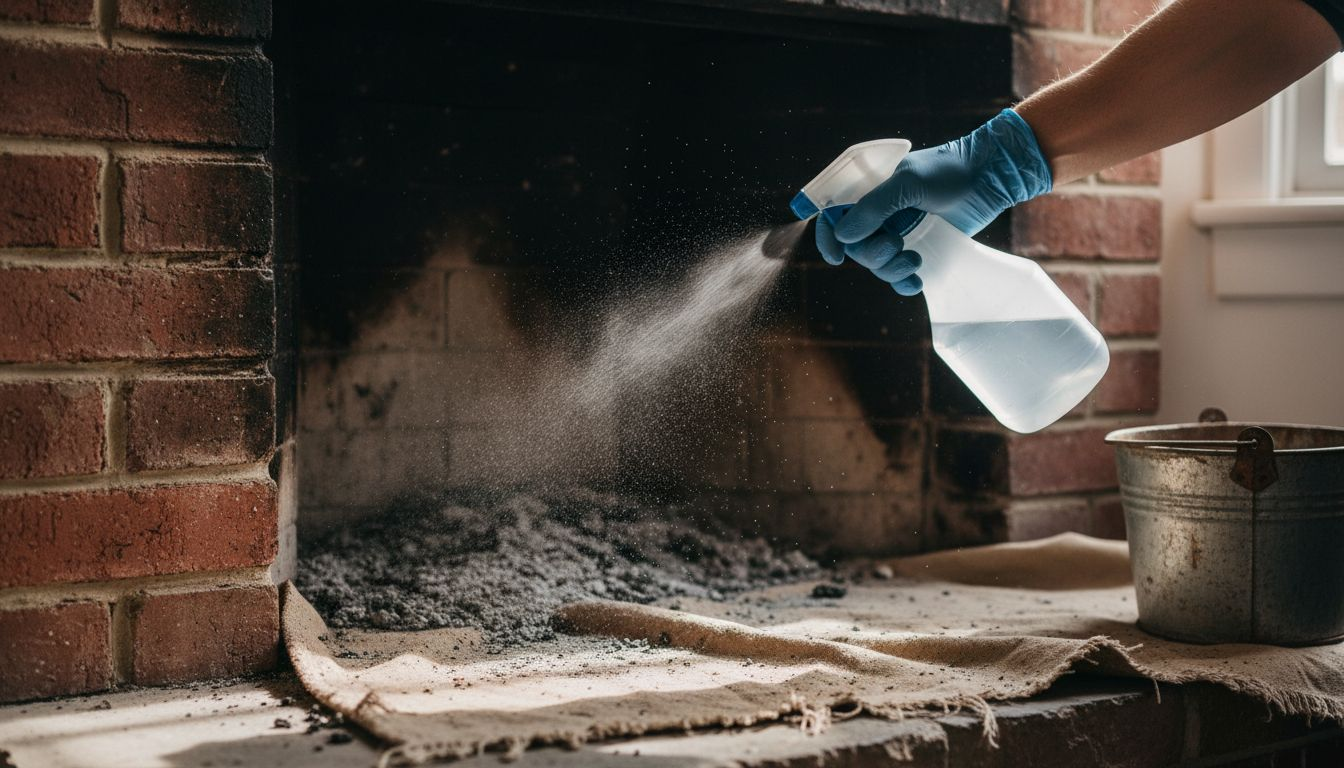
After removing the bulk of the ash, use your vacuum with a HEPA filter to clean any remaining fine particles. Sweep the fireplace base carefully to ensure a thorough cleanout, paying special attention to corners and hard-to-reach areas.
Pro tip: Dispose of fireplace ash in a metal container with a tight-fitting lid, and store it outside away from your home to prevent potential fire risks.
Step 3: Clean Fireplace Damper and Inspect for Blockages
Your fireplace damper is a critical component that controls airflow and prevents heat loss when the fireplace is not in use. A thorough inspection and cleaning will ensure your fireplace operates safely and efficiently.
Begin by fully opening the damper and examining its mechanical integrity. Check for these potential issues:
Rust or corrosion on metal components
Difficulty moving the damper handle
Signs of warping or misalignment
Accumulated debris or obstruction
Warning: A malfunctioning damper can lead to serious ventilation problems and potential safety hazards.
Using a flashlight, carefully inspect the damper mechanism for any signs of damage or wear. Gently move the damper back and forth to ensure smooth operation. If you encounter resistance or notice any mechanical issues, it might be time to consider professional repair or replacement.
Remove any visible debris using a soft brush, taking care not to damage the damper’s moving parts. For stubborn dirt or buildup, use a slightly damp cloth to wipe down the surfaces. Ensure the damper can fully open and close without obstruction, which is crucial for proper fireplace ventilation.
Pro tip: Apply a small amount of high-temperature lubricant to the damper’s pivot points to ensure smooth movement and prevent future rusting.
Step 4: Scrub Firebox and Perform Wood Burning Fireplace Cleaning
Now that you’ve cleared out the ash and inspected the damper, it’s time to deep clean your fireplace’s interior. A thorough scrubbing of the firebox will help maintain your fireplace’s efficiency and prevent potential air quality issues.
Maintain indoor air quality by carefully cleaning the firebox walls and floor. Start by gathering these essential cleaning tools:
Stiff-bristled wire brush
Protective rubber gloves
Bucket with warm water
Mild dish soap
White vinegar
Clean rags or sponges
Drop cloths or old newspapers
Caution: Always wear protective gloves and ensure proper ventilation during fireplace cleaning.
Scrub the firebox surfaces methodically, focusing on areas with heavy soot or creosote buildup. Mix a cleaning solution of warm water and mild dish soap, or create a natural cleaning mixture using equal parts white vinegar and water. Use your wire brush to gently but firmly remove stubborn residue, working in small sections and taking care not to damage the brick or stone surfaces.
Pay special attention to the corners and hard-to-reach areas where creosote and ash can accumulate. Rinse your brush frequently and change your cleaning water to prevent spreading dirt. After scrubbing, use clean rags to wipe down the surfaces and remove any remaining cleaning solution.
Pro tip: For tough soot stains, create a paste using baking soda and water, apply it to the stained area, let sit for 10 minutes, then scrub gently for more effective cleaning.
Step 5: Check Chimney and Schedule a Professional Fireplace Inspection
As a responsible Alabama homeowner, the final step in your fireplace maintenance routine is a comprehensive chimney inspection. Professional evaluation ensures your fireplace system remains safe, efficient, and free from potential hazards.
Recommend annual chimney inspection to identify any hidden issues that might compromise your home’s safety. When scheduling a professional inspection, look for these key elements:
Certified chimney sweep credentials
Detailed written inspection report
Comprehensive visual and technical examination
Recommendations for repairs or maintenance
Experience with wood-burning fireplace systems
Safety Warning: Undetected chimney issues can lead to carbon monoxide risks and potential fire hazards.
Prepare for the professional inspection by gathering recent maintenance records and noting any performance issues you’ve observed with your fireplace. During the inspection, the professional will typically examine:
Chimney liner integrity
Creosote buildup levels
Structural soundness of chimney walls
Proper draft and ventilation
Potential animal nesting or blockages
At Trinity Home Inspections, we recommend scheduling a fireplace inspection annually or before the start of your primary burning season. Our InterNACHI-certified inspectors provide comprehensive evaluations to ensure your fireplace remains a safe and efficient heating source.
Pro tip: Request a thermal imaging scan during your inspection to detect hidden moisture or structural issues that might not be visible during a standard visual examination.
Below is a reference table outlining potential fireplace problems and suggested actions:
Issue Detected | Potential Risk | Recommended Action |
Soot Buildup | Poor air quality, fire risk | Deep cleaning of firebox |
Blocked Damper | Dangerous smoke backup | Inspect and clear obstructions |
Rusty Damper Mechanism | Difficult operation, heat loss | Lubricate or replace part |
Excessive Ash | Reduced burn efficiency | Regular ash removal |
Structural Cracks | Fire escape, draft issues | Professional repair needed |
Here’s a summary comparing key steps to effective DIY fireplace maintenance:
Step | Purpose | Common Tools Used |
Gather & Prepare | Ensure safety, prepare area | Gloves, masks, drop cloths |
Remove Ash | Prevent fire hazards, airflow | Ash shovel, HEPA vacuum |
Clean Damper | Maintain ventilation, safety | Flashlight, soft brush |
Scrub Firebox | Improve efficiency, air quality | Wire brush, soap, vinegar |
Chimney Inspection | Detect risks, ensure safety | Maintenance records, inspector |
Keep Your Alabama Fireplace Safe and Efficient With Expert Inspection
Maintaining a clean and well-functioning fireplace is essential for your home’s safety and comfort. From removing excess ash to inspecting the damper and chimney for blockages, this article highlights how critical thorough cleaning and regular upkeep really are. If you want to avoid hidden risks like poor ventilation, creosote buildup, or structural damage that can impact your indoor air quality and put your family in danger Trinity Home Inspections is here to help.

Trust our InterNACHI-certified inspectors to provide a detailed fireplace and chimney inspection that goes beyond DIY tips. We use advanced tools including free thermal imaging to detect hidden moisture or overheating issues you might miss. Serving Baldwin Mobile Washington Monroe Clarke and Escambia Counties we combine faith-based values with professional integrity to give you clear actionable reports delivered the same day. Protect your home by scheduling a fireplace inspection now at Trinity Home Inspections and learn more about our trusted home inspection services and how we ensure your home is safe and efficient every step of the way.
Frequently Asked Questions
How often should I clean my fireplace?
Cleaning your fireplace should be done at least once a year, ideally before the primary burning season. This ensures that you remove any buildup of ash and creosote that could be a fire hazard.
What tools do I need for effective fireplace cleaning?
You will need heavy-duty gloves, a dust mask, safety glasses, a wire brush, a metal ash shovel, and a vacuum with a HEPA filter, among other tools. Assemble these before starting your cleaning project for the best results.
How can I safely remove ash from my fireplace?
Lightly mist the ash with water to prevent dust from becoming airborne, then use a metal ash shovel to scoop it into a metal bucket with a lid. Ensure the ash is cool before removal to avoid any fire risks.
What should I check when inspecting the damper?
When inspecting the damper, check for rust, ease of movement, and any accumulated debris or obstructions. Make sure it opens and closes smoothly to ensure proper ventilation and safety.
What steps should I follow to clean the firebox?
First, mix warm water with mild dish soap or equal parts vinegar and water. Use a stiff-bristled wire brush to scrub the interior surfaces, focusing on areas with heavy soot, and then wipe down with clean rags to remove residue.
Why is it important to schedule a professional chimney inspection?
Scheduling a professional chimney inspection ensures that all hidden issues, such as creosote buildup or structural cracks, are identified and addressed. Aim to have this inspection done annually to secure safe and efficient operation of your fireplace.
Recommended


