
Step by Step Home Inspection Process for Gulf Coast Buyers

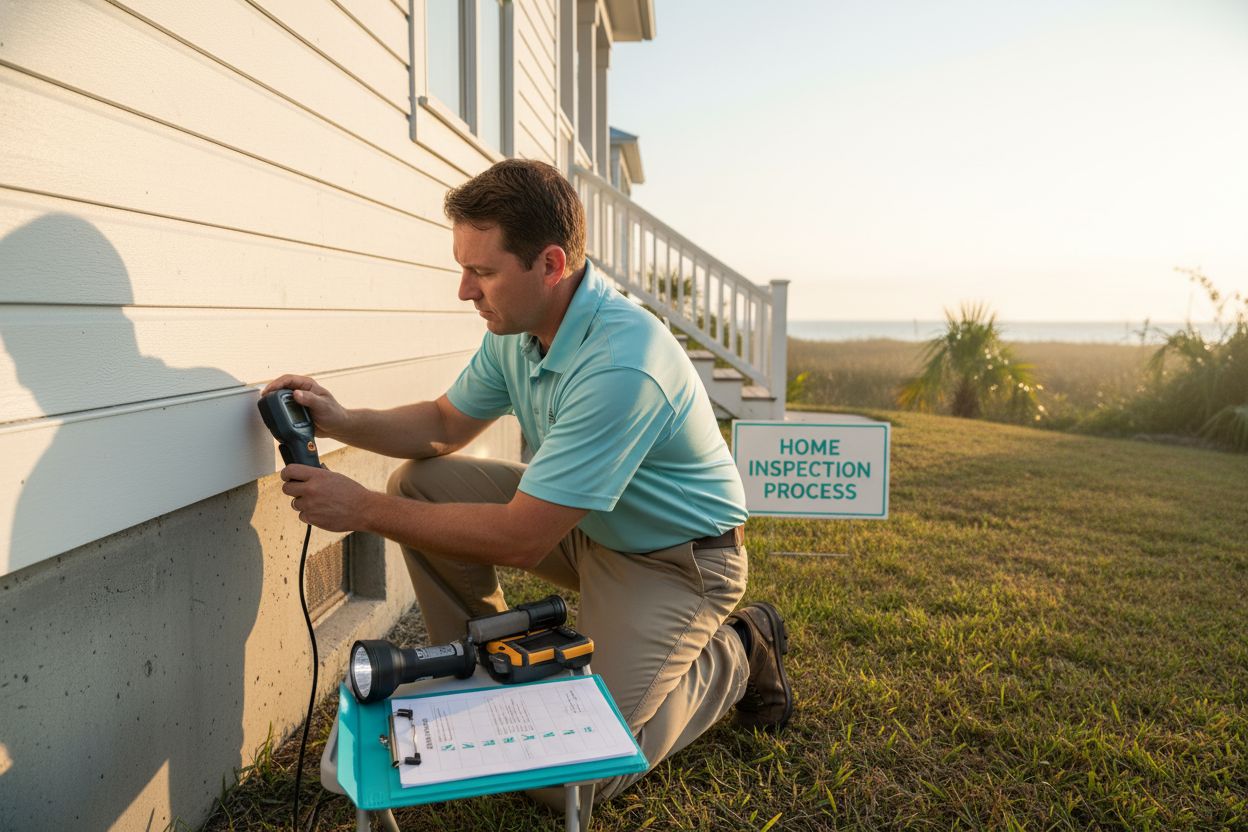
Getting ready for a home inspection in the Gulf Coast might sound simple and routine. Now hold on—even small moves like clearing a few inches around your electrical panel can make or break the entire process. Most people focus on the inspector, but the biggest surprises often come from your own preparation before anyone arrives.
Table of Contents
Quick Summary
Key Point | Explanation |
1. Clear Access for Inspection | Remove obstacles to key areas like electrical panels and HVAC systems to facilitate thorough evaluations. |
2. Gather Home Documentation | Compile repair receipts, warranties, and inspection reports to aid the inspector’s understanding of your home’s history. |
3. Attend the Inspection Actively | Engage with the inspector about findings, ensuring you understand potential issues and maintenance needs. |
4. Analyze the Inspection Report | Categorize report findings as immediate repairs, recommended improvements, or routine maintenance for effective prioritization. |
5. Follow Up on Repairs Effectively | Obtain multiple quotes for necessary repairs and discuss responsibilities with the seller for optimal negotiation outcomes. |
Step 1: Prepare for the Home Inspection
Preparing for a home inspection is your first critical step in ensuring a smooth and comprehensive property evaluation in the Gulf Coast region. This initial phase sets the foundation for a successful inspection, helping you uncover potential issues and make informed decisions about your property investment.
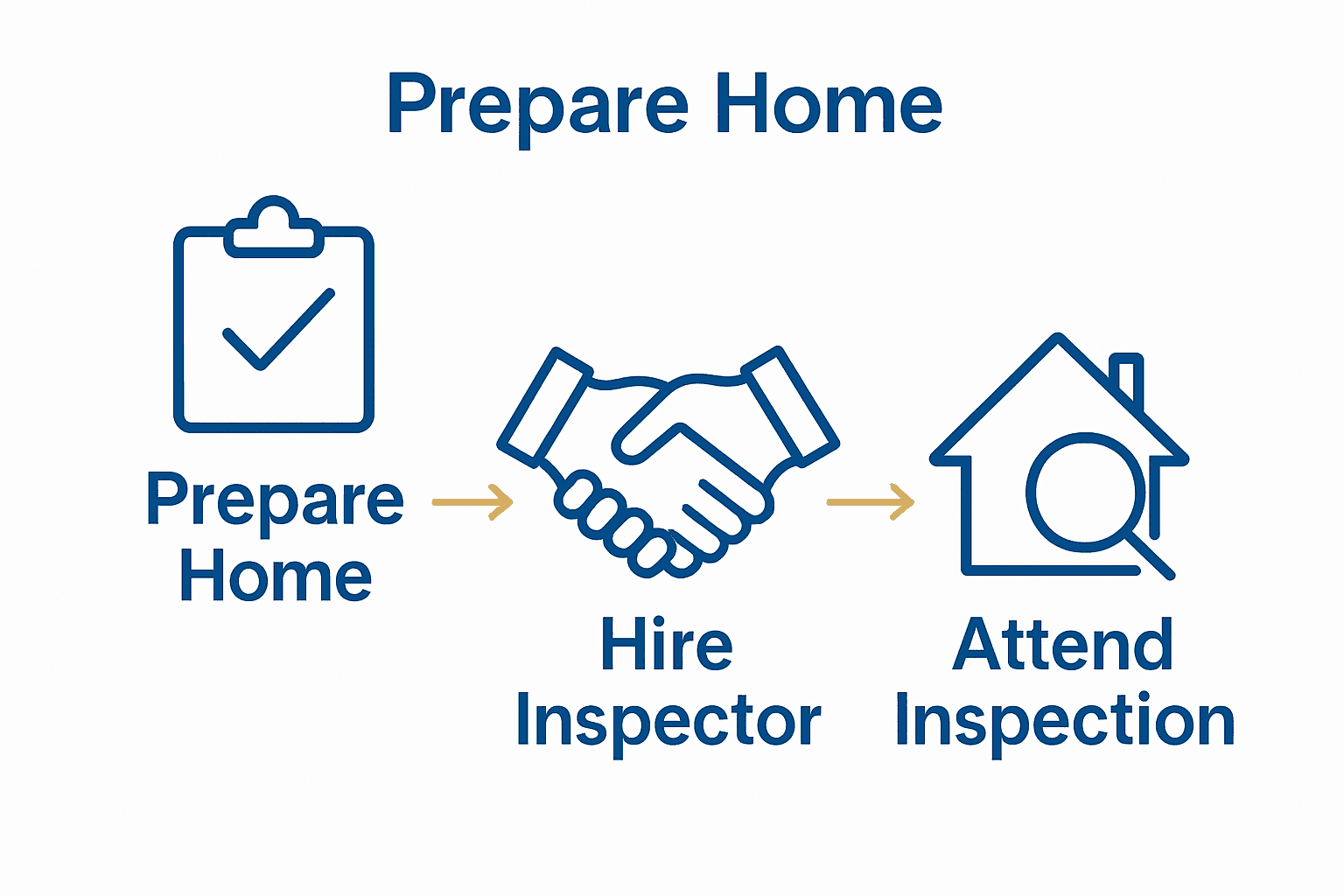
Before your inspector arrives, you need to create an accessible and transparent environment that allows for a thorough examination. Start by clearing pathways to all major home systems and areas that require inspection. This means moving furniture away from walls, ensuring clear access to electrical panels, HVAC systems, water heaters, and crawl spaces. If you have stored items blocking access to these critical areas, take time to relocate them. Inspectors need unobstructed views and physical access to properly assess your home’s condition.
Preparing for your home inspection in Baldwin County becomes easier when you understand the importance of documentation. Gather all relevant paperwork that can provide insight into your home’s history. This includes:
Recent repair receipts
Warranty information
Renovation permits
Previous home inspection reports
Maintenance records for major systems
Documentation helps inspectors understand your property’s maintenance history and can highlight proactive care. If you have completed any significant repairs or upgrades, having supporting documentation can demonstrate the home’s well-maintained status.
Another crucial preparation step involves addressing minor maintenance issues beforehand. Replace burnt out light bulbs, ensure electrical outlets are accessible, and check that all windows and doors open and close smoothly. These small preparations can help prevent unnecessary complications during the inspection and demonstrate your home’s overall condition.
For Gulf Coast properties, pay special attention to areas prone to moisture and potential storm damage. Check for signs of water intrusion, ensure exterior drainage is functioning correctly, and verify that roof and window seals are intact. These considerations are particularly important in our region’s unique climate.
Finally, plan to be available during the inspection, but not overly intrusive. While you should be reachable to answer potential questions, giving the inspector space to conduct a thorough examination is essential. Prepare to be away for approximately 2-4 hours, depending on your home’s size and complexity. This approach ensures a comprehensive and unrushed inspection process that provides you with the most accurate assessment of your property’s condition.
The following checklist table consolidates essential preparation steps for your Gulf Coast home inspection, helping you verify that each task is completed before the inspector arrives.
Preparation Task | Purpose | Completed (Yes/No) |
Clear access to all major systems (electrical, HVAC, water heater, crawl spaces) | Ensures inspector can thoroughly evaluate key areas | |
Move furniture away from walls | Provides access to structural components and outlets | |
Gather recent repair receipts, warranties, permits, previous inspection reports | Helps inspector understand maintenance history | |
Replace burnt out light bulbs | Prevents confusion over non-functioning fixtures | |
Ensure electrical outlets are accessible | Allows complete inspection of electrical systems | |
Check window and door functionality | Demonstrates home’s overall condition | |
Inspect for moisture, water intrusion, and storm damage | Addresses Gulf Coast–specific risks before inspection |
Step 2: Hire a Qualified Home Inspector
Hiring a qualified home inspector represents a pivotal moment in your property buying journey, particularly in the unique environmental landscape of the Gulf Coast region. This step is not merely about finding someone to walk through a house but selecting a professional who can provide comprehensive insights into your potential investment.
Begin your search by understanding the critical credentials that distinguish exceptional home inspectors. Professional certification matters tremendously. Look for inspectors who are members of recognized national organizations like the American Society of Home Inspectors (ASHI), which demonstrates commitment to professional standards. These memberships indicate rigorous training, ongoing education, and adherence to strict professional guidelines.
Local expertise becomes paramount when selecting an inspector familiar with Gulf Coast housing characteristics. Alabama’s coastal properties present unique challenges related to humidity, storm resilience, and potential moisture damage. An inspector who understands these regional nuances can provide more meaningful assessments. Seek professionals with specific experience in coastal construction techniques and environmental considerations.
What to look for in a home inspector involves more than reviewing credentials. Schedule initial consultations with potential inspectors to assess their communication style and professionalism. During these discussions, ask targeted questions about their approach, typical inspection duration, and report delivery methods. A transparent, communicative inspector who can explain complex findings clearly is worth their weight in gold.
Verify practical aspects of their professional practice. Ensure they carry comprehensive professional liability insurance and can provide sample inspection reports. These documents should be detailed, clear, and include high-quality photographs documenting potential issues. A well-constructed report transforms from a simple checklist into a valuable decision-making tool for your property investment.
Pricing should not be your sole determining factor. While budget considerations matter, the cheapest inspector might not provide the most thorough examination. Typical home inspection costs in the Gulf Coast region range between $300 and $500, depending on property size and complexity. View this expense as an investment in understanding your potential home’s true condition.
To verify you have selected the right inspector, compile a checklist of your selection criteria:
Professional certifications from recognized organizations
Minimum of 3-5 years local inspection experience
Positive client testimonials and references
Comprehensive insurance coverage
Detailed, professional sample reports
Clear communication and availability
Your final selection should feel like a partnership. The right home inspector becomes your ally in understanding a property’s true condition, helping you make an informed, confident real estate decision.
This step overview table summarizes the main stages in the Gulf Coast home inspection process, highlighting key actions and approximate time requirements at each phase.
Step | Key Actions | Estimated Time |
1. Prepare for Inspection | Clear access, gather documentation, perform basic maintenance | 1-2 days (pre-inspection) |
2. Hire Qualified Inspector | Research credentials, consult, verify experience | 2-5 days (before inspection) |
3. Attend Inspection | Be present, ask questions, take notes and photos | 2-4 hours |
4. Review Inspection Report | Categorize findings, formulate action plan, seek clarifications | 1-2 days |
5. Follow Up on Repairs | Obtain quotes, negotiate with seller, schedule repairs | 3-10 days (varies) |
Step 3: Attend the Home Inspection
Attending your home inspection represents a crucial opportunity to gain direct insights into your potential property’s condition. This step transforms you from a passive buyer into an active participant in understanding your investment’s true state. Home inspection checklist guides emphasize the importance of your personal involvement during this critical evaluation.
Prepare mentally to be present and engaged throughout the entire inspection process. Arrive at the property wearing comfortable clothing and practical shoes that allow you to move easily. Bring a notebook, smartphone for taking pictures, and a list of specific concerns or questions you want the inspector to address. Your active participation can uncover nuanced details that might otherwise go unnoticed.
While your inspector conducts the examination, maintain a professional and collaborative approach. Ask questions respectfully and at appropriate moments, typically after the inspector has completed examining a specific area. Avoid interrupting their workflow or becoming overly anxious. Professional home inspectors appreciate informed clients who demonstrate genuine interest in understanding the property’s condition.
During the inspection, focus on understanding the systematic evaluation of your potential home. Inspectors will typically start from the exterior and work their way inside, examining structural elements, roofing, foundation, electrical systems, plumbing, and HVAC components. Pay close attention to how they assess each area, noting their techniques and the specific aspects they scrutinize. This process provides valuable education about home maintenance and potential future repair needs.
For Gulf Coast properties, pay special attention to areas uniquely impacted by our regional climate. Inspectors will likely emphasize moisture resistance, hurricane preparedness, and potential storm damage indicators. These assessments are particularly crucial in our coastal environment where humidity, salt air, and potential tropical storm exposure can significantly impact a home’s long-term integrity.
Be prepared for the inspection to take approximately 2-4 hours, depending on your property’s size and complexity. Maintain a patient and observant demeanor. Your inspector will likely provide verbal commentary during the examination, offering immediate insights into discovered conditions. However, remember that a comprehensive written report will follow, providing detailed documentation of their findings.
To maximize this experience, document your observations:
Take photos with the inspector’s permission
Note areas of potential concern
Ask about recommended maintenance practices
Request clarification on technical observations
Understand the difference between minor issues and significant structural problems
At the inspection’s conclusion, request a brief walkthrough where the inspector summarizes key findings. This overview provides an initial glimpse into the property’s condition and can help you begin formulating potential negotiation strategies or repair requests. Remember, the goal is not to find a perfect home, but to understand the property’s true condition and make an informed decision.
Step 4: Understand the Home Inspection Report
Navigating your home inspection report represents a critical moment in your property purchasing journey, transforming detailed observations into actionable insights. Understanding a comprehensive home inspection requires more than a casual glance—it demands careful, systematic analysis of the document that will significantly influence your real estate decision.
The typical home inspection report is a comprehensive document that categorizes findings into different severity levels. Critical issues require immediate attention, while minor observations might represent routine maintenance needs. Pay close attention to structural concerns, electrical system conditions, plumbing integrity, and potential moisture-related damages—especially crucial in the Gulf Coast’s unique environmental context.
Begin your report analysis by creating a strategic action plan. Divide the report’s findings into three primary categories: immediate repair requirements, recommended improvements, and routine maintenance suggestions. This approach helps you prioritize potential investments and negotiate effectively with the current property owner. Structural issues, electrical system deficiencies, and significant plumbing problems should receive priority consideration, as they can represent substantial future expenses.
For Gulf Coast properties, pay exceptional attention to sections addressing moisture resistance, foundation stability, and storm resilience. Our region’s unique climate demands heightened scrutiny of potential water intrusion points, roof conditions, and exterior siding integrity. Inspect the report for detailed commentary on these elements, as they directly impact your property’s long-term durability and maintenance costs.
Consult with professionals when encountering technical terminology or complex assessment descriptions. Many home inspection reports include specialized language that might seem challenging to interpret. Do not hesitate to request clarification from your home inspector or seek additional expert opinions for significant findings. A 30-minute consultation can provide clarity and prevent potential misunderstandings.
When evaluating repair recommendations, consider both immediate costs and long-term implications. Some seemingly minor issues might indicate more significant underlying problems. Develop a financial strategy that accounts for:
Immediate repair costs
Potential negotiation points with the seller
Future maintenance requirements
Potential impact on property value
Insurance and warranty considerations
Remember that a home inspection report is not a pass or fail document, but a comprehensive tool for understanding your potential investment. No property is perfect, and even newer homes will have some observations. Your goal is to make an informed decision by understanding the property’s true condition, potential future expenses, and overall maintenance requirements.
Successful report comprehension means you can confidently proceed with your purchase, negotiate repairs, or make an informed decision about walking away from the property. The report transforms from a simple document into a strategic roadmap for your real estate investment.
Step 5: Follow Up on Necessary Repairs
Following up on necessary repairs transforms your home inspection report from a diagnostic document into a strategic action plan. This critical step determines the long-term value and livability of your Gulf Coast property, requiring careful navigation of repair priorities, professional expertise, and potential negotiation strategies.
Prioritize repairs based on their potential impact on structural integrity and safety. Not all findings require immediate intervention, but certain issues demand prompt attention. Structural concerns, electrical system deficiencies, and potential water intrusion points should be addressed first, particularly in our region’s challenging coastal environment. Agents can build comprehensive repair reports that help streamline this decision-making process.
Initiate the repair process by obtaining multiple professional quotes. Seek recommendations from your home inspector or local real estate professional for reputable contractors experienced with Gulf Coast construction challenges. When requesting quotes, provide detailed documentation from your inspection report to ensure accurate assessments. This approach helps prevent miscommunication and provides a clear scope of work for potential contractors.
For Gulf Coast properties, special attention must be given to repairs related to moisture resistance, foundation stability, and storm preparedness. Our region’s unique environmental conditions demand specialized expertise. Contractors familiar with local building codes and climate-specific challenges can provide more comprehensive repair solutions that protect your investment against humidity, potential flooding, and hurricane-related stress.
Negotiation becomes a critical component of the repair follow-up process. Work closely with the current property owner to determine responsibility for significant repairs. Some sellers may offer credits, reduce the property price, or complete repairs before closing. Approach these discussions professionally, using your inspection report as an objective reference point. Remain flexible but firm in protecting your investment’s long-term value.
Document every step of the repair process meticulously. This includes:
Detailed contractor quotes
Scope of work descriptions
Repair completion certificates
Warranties and guarantees
Before and after photographs
Final inspection documentation
Consider scheduling a follow-up inspection after major repairs to verify the quality and completeness of work. This additional step provides peace of mind and ensures that all identified issues have been appropriately addressed. Professional home inspectors can conduct these verification inspections, offering an objective assessment of repair quality.
Remember that repair follow-up is not just about fixing current problems but preventing future issues. Use this opportunity to develop a proactive maintenance strategy that protects your property’s value.
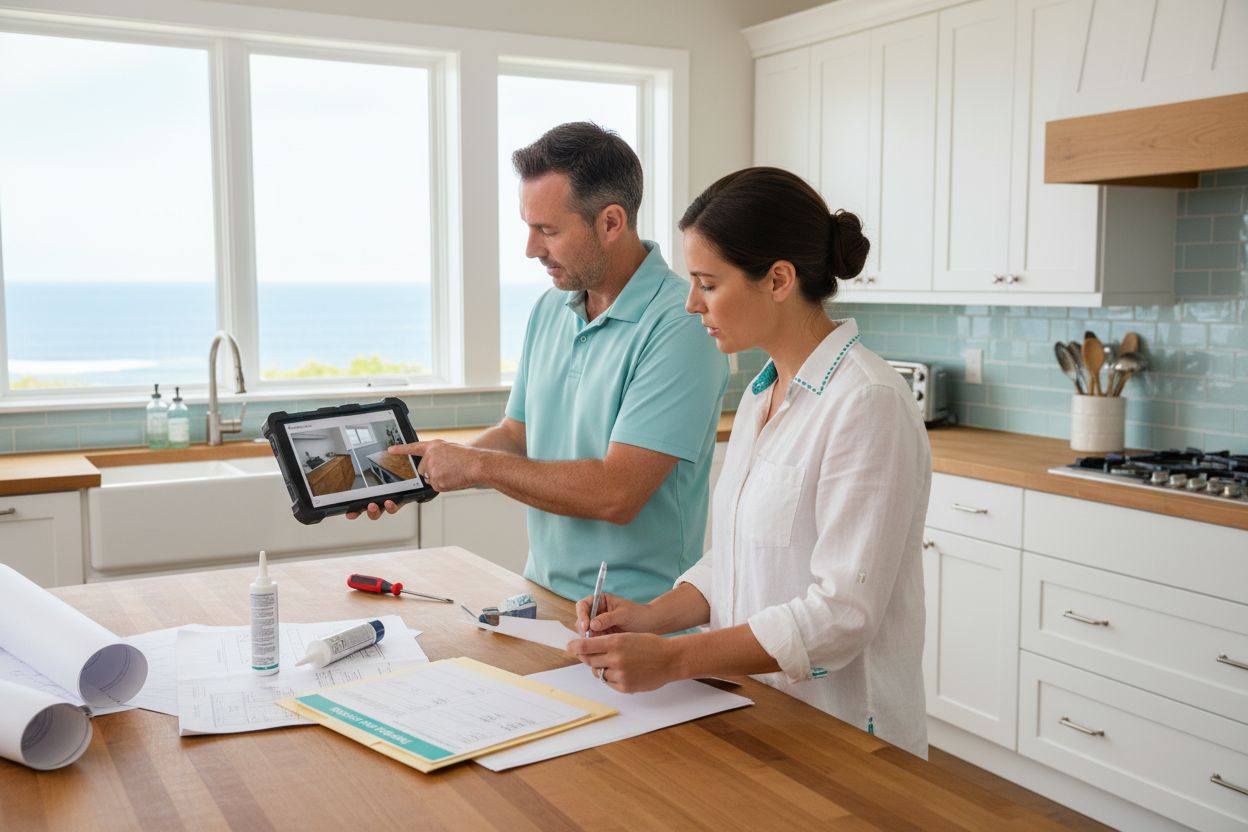
Understand the repairs completed, learn about potential future maintenance requirements, and develop a long-term preservation plan tailored to your Gulf Coast home’s unique characteristics.
Take the Uncertainty Out of Your Gulf Coast Home Inspection
Buying a home on the Gulf Coast comes with unique worries. You want to uncover repairs before closing, avoid costly surprises, and make decisions with confidence. Our article has shown that careful preparation, choosing the right inspector, and understanding your report are critical to protecting your investment. But even with these steps, many buyers feel anxious about missing hidden problems or not knowing how to address inspection findings.
At Trinity Home Inspections, we solve these challenges every day. Our experienced team delivers transparent, thorough inspections rooted in integrity and attention to detail. We know the Gulf Coast—so we anticipate issues with moisture, storm damage, and structural reliability. If you want personal service and guidance at every step, start with our easy-to-follow preparation tips for Baldwin County home inspections and then schedule your inspection with us.
Don’t leave your home purchase to chance. Visit Trinity Home Inspections now. Let us help you feel certain, informed, and ready to move forward with your biggest investment.
Frequently Asked Questions
How should I prepare for a home inspection in the Gulf Coast region?
To prepare for a home inspection, clear pathways to major systems like electrical panels and HVAC units. Ensure these areas are accessible by moving any furniture or stored items blocking access, so the inspector can thoroughly evaluate your property.
What documentation should I gather for my home inspection?
Collect all relevant paperwork such as recent repair receipts, warranty information, and previous home inspection reports. This documentation can help the inspector understand your home’s history and maintenance status, leading to a more informed evaluation.
What should I expect during the home inspection process in the Gulf Coast?
Expect the inspection to take about 2-4 hours, during which the inspector will examine structural components, roofs, electrical systems, and plumbing. Attend the inspection to ask questions and gain insights into potential maintenance needs and issues specific to Gulf Coast properties.
How do I interpret the home inspection report?
The home inspection report categorizes findings by severity, indicating immediate repair needs versus routine maintenance. Create an action plan by prioritizing issues based on their impact on safety and value, focusing first on structural and electrical concerns.
What steps should I take after receiving the inspection report?
After receiving the inspection report, prioritize necessary repairs based on their urgency and potential impact. Obtain multiple quotes from contractors familiar with Gulf Coast conditions, and be prepared to negotiate repair responsibilities with the seller.
Can I negotiate repairs based on the home inspection findings?
Yes, you can negotiate repairs based on the inspector’s findings. Use the inspection report as a reference to request either repairs before closing, credits towards closing costs, or a reduction in the purchase price to cover repair expenses.
Recommended