
What Is HVAC Inspection and Why It Matters

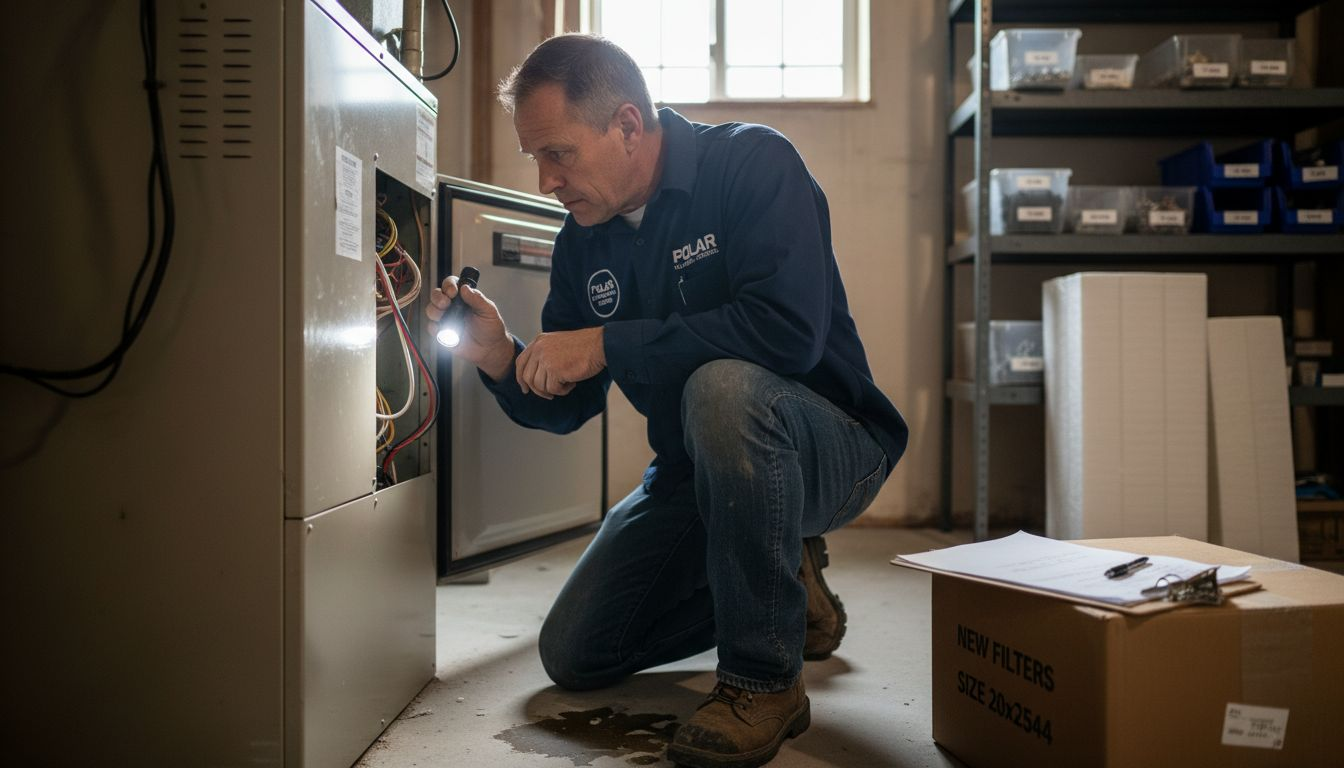
For homebuyers and sellers in Baldwin and Mobile, Alabama, facing a real estate transaction can stir up plenty of questions about what truly matters behind the scenes. One area that often raises concerns is the heating, ventilation, and air conditioning systems. A thorough HVAC inspection sheds light on any material defects or safety risks that could impact your investment. This guide helps you understand what an HVAC inspection covers and why it plays a vital role in making your transaction smoother and more secure.
Table of Contents
Key Takeaways
Point | Details |
Importance of HVAC Inspections | Comprehensive HVAC inspections are crucial for potential homebuyers to evaluate system functionality and maintenance needs before purchasing a property. |
Types of Inspections | Different inspection types, such as routine maintenance and pre-purchase inspections, serve specific purposes like identifying issues or improving energy efficiency. |
System Components Evaluated | Key components, including heating and cooling equipment, air distribution systems, and safety mechanisms, are methodically assessed for performance and safety. |
Financial Implications of Neglect | Regular HVAC inspections help prevent costly repairs and system failures, with estimated annual maintenance costs being 1-2% of the system’s replacement cost. |
Defining HVAC Inspection in Home Sales
An HVAC inspection represents a critical evaluation of a home’s heating, ventilation, and air conditioning systems during real estate transactions. Unlike basic equipment assessments, this comprehensive review helps potential buyers understand the functional status and potential future maintenance needs of these essential home systems. Home inspection standards define it as a non-invasive, visual examination designed to identify material defects that could impact property value or safety.
During a real estate sale, HVAC inspections focus on examining accessible heating and cooling equipment, ductwork, electrical connections, and system performance. Trained inspectors carefully assess components like furnaces, air conditioners, heat pumps, and ventilation systems to determine their current operational condition. The goal is to provide potential homebuyers with a clear understanding of the system’s efficiency, potential repair needs, and estimated remaining lifespan.
The inspection typically involves a series of systematic checks, including:
Verifying proper system installation
Testing temperature differential and airflow
Checking electrical connections and safety controls
Examining visible ductwork for leaks or damage
Assessing overall system performance and efficiency
Identifying potential safety hazards
Pro tip: Request a detailed HVAC inspection report that includes thermal imaging to uncover hidden issues within heating and cooling systems that might not be visible during a standard visual examination.
Types of HVAC Inspections and Their Purposes
Professional HVAC inspections encompass multiple specialized assessment types, each designed to evaluate different aspects of heating, ventilation, and air conditioning systems. HVAC industry standards recognize several critical inspection categories that help homeowners and buyers understand their system’s condition, efficiency, and potential maintenance requirements.
The primary types of HVAC inspections include:
Routine Maintenance Inspections
Periodic system performance checks
Cleaning and lubricating mechanical components
Verifying operational safety and efficiency
Pre-Purchase Inspections
Comprehensive system evaluation before real estate transactions
Identifying potential repair or replacement needs
Assessing current system condition and estimated remaining lifespan
Energy Efficiency Assessments
Measuring system performance and energy consumption
Identifying opportunities for improved efficiency
Recommending potential upgrades or modifications
Diagnostic Inspections
Investigating specific system problems or performance issues
Utilizing advanced diagnostic tools and techniques
Determining root causes of system malfunctions
Each inspection type serves a unique purpose in maintaining HVAC system health, with professional contractors utilizing specialized techniques to evaluate different system characteristics. These assessments help prevent unexpected failures, optimize energy consumption, and ensure consistent indoor comfort.
Here’s how different HVAC inspection types contribute to home value and risk mitigation:
Inspection Type | Impact on Home Value | Risk Mitigated | Typical Scheduling |
Routine Maintenance | Maintains long-term value | Reduces breakdown risk | Every 6-12 months |
Pre-Purchase | Uncovers hidden defects | Avoids costly surprises | Before buying/selling |
Energy Efficiency | Improves resale value | Lowers energy waste | As recommended |
Diagnostic | Prevents major issues | Identifies root causes early | As problems occur |
Pro tip: Schedule a comprehensive HVAC inspection annually, ideally before extreme seasonal temperature changes, to catch potential issues before they become costly repairs.
Key System Components Inspected
During a comprehensive HVAC inspection, technicians methodically examine multiple critical system components that impact overall performance, efficiency, and safety. Technical HVAC fundamentals outline a detailed assessment process that covers essential elements responsible for heating, cooling, and air circulation within a home.
The primary system components carefully evaluated during an HVAC inspection include:
Heating Equipment
Furnace or heat pump
Heat exchangers
Burners and ignition systems
Combustion chambers
Fuel supply lines
Cooling Equipment
Air conditioning compressor
Condenser and evaporator coils
Refrigerant levels and lines
Condensate drain system
Outdoor and indoor unit connections
Air Distribution Systems
Ductwork integrity
Air filter condition
Ventilation pathways
Seal and insulation quality
Airflow measurements
Control and Safety Mechanisms
Thermostat functionality
Electrical connections
Safety switches
Pressure and temperature controls
Voltage and amperage readings
HVAC system standards emphasize that a thorough inspection goes beyond visual checks, requiring precise measurements and functional tests to ensure each component operates within designed performance parameters. These comprehensive evaluations help identify potential issues before they escalate into costly repairs or system failures.
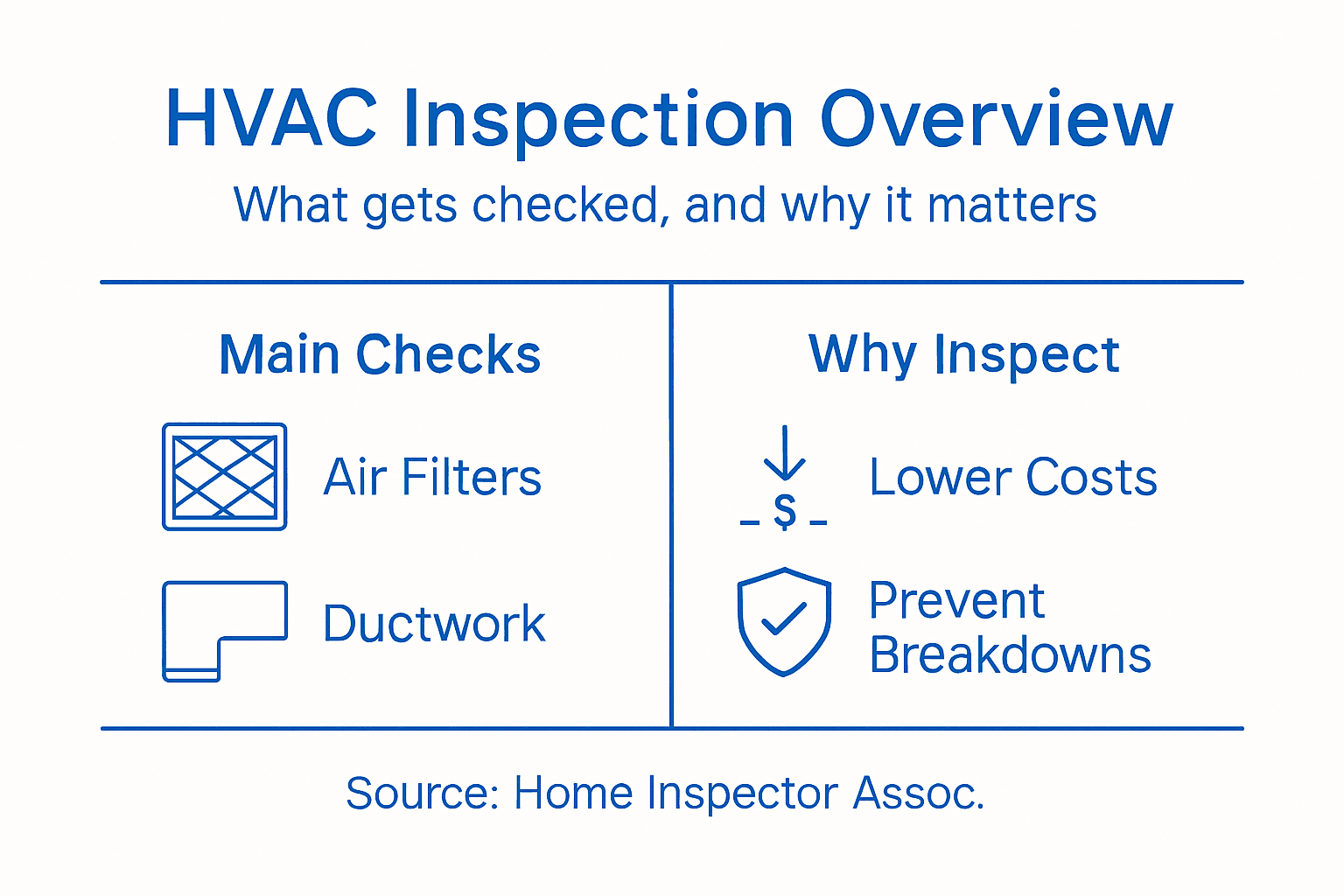
Pro tip: Request digital photographs of each inspected component during your HVAC assessment to maintain a visual record of your system’s condition for future reference and maintenance planning.
HVAC Safety Standards and Alabama Code
HVAC systems in Alabama are governed by a comprehensive set of safety regulations that protect both residents and workers during installation, maintenance, and operational processes. Occupational safety standards establish critical guidelines for ensuring system integrity, worker protection, and public safety across residential and commercial environments.
The key safety regulations for HVAC systems in Alabama include:
Electrical Safety Requirements
Proper electrical connection protocols
Grounding and circuit protection standards
Voltage and amperage compliance regulations
Mandatory safety switch installations
Equipment Installation Standards
Manufacturer recommended mounting procedures
Clearance and ventilation specifications
Load calculations for system compatibility
Proper refrigerant handling protocols
Workplace Safety Protocols
Personal protective equipment requirements
Training and certification mandates
Equipment maintenance documentation
Emergency shutdown procedure guidelines
Environmental Compliance
Refrigerant emission controls
Energy efficiency standards
Indoor air quality regulations
Hazardous material management
Alabama safety consultation programs provide additional guidance to ensure contractors and homeowners understand and implement these critical safety requirements. These standards are designed not just as regulatory checkboxes, but as essential protections for human health and system performance.
Pro tip: Request documentation of safety compliance and certification from your HVAC technician to ensure your system meets all current Alabama state and federal safety standards.
Costs, Risks, and Common Problems Found
The financial and operational implications of neglected HVAC systems can be substantial, making comprehensive inspections a critical investment for homeowners. Economic analyses of HVAC maintenance reveal that proactive inspections can significantly reduce long-term expenses and mitigate potential system failures.

Common problems discovered during HVAC inspections typically fall into several critical categories:
Mechanical Failures
Worn compressor components
Damaged fan motors
Broken electrical connections
Deteriorating bearings and belts
Efficiency Reduction Issues
Dirty or clogged air filters
Refrigerant level inconsistencies
Blocked or leaking ductwork
Incorrect system calibration
Potential Cost Implications
The following table summarizes typical HVAC repair costs and their long-term financial impact:
Repair Type | Average Cost Range | Financial Impact if Neglected |
Minor repairs | $150 - $500 | May lead to bigger failures |
Moderate repairs | $500 - $1,500 | Can decrease system lifespan |
Full replacement | $3,000 - $10,000 | Major unplanned expense |
Minor repairs: $150 - $500
Moderate system repairs: $500 - $1,500
Complete system replacement: $3,000 - $10,000
Preventive maintenance research demonstrates that regular inspections can prevent up to 95% of unexpected breakdowns and reduce overall operational costs by maintaining optimal system performance. Addressing small issues early prevents them from escalating into expensive, comprehensive repairs.
Pro tip: Budget approximately 1-2% of your HVAC system’s total replacement cost for annual maintenance to maximize longevity and prevent unexpected financial surprises.
Ensure Your HVAC System Is Inspected with Trusted Local Experts
Understanding the crucial role of an HVAC inspection in home sales means protecting your investment and your family’s comfort. Common issues like hidden leaks, faulty electrical connections, or inefficient components can cause costly repairs and safety hazards if overlooked. At Trinity Home Inspections, we specialize in thorough HVAC inspections using modern tools such as free thermal imaging to reveal hidden problems before they escalate.
Get the peace of mind you deserve by choosing an InterNACHI-certified home inspector who provides same-day, photo-rich reports and clear explanations of your HVAC system’s condition. Serving Baldwin, Mobile, and the surrounding Gulf Coast Alabama areas, Trinity Home Inspections offers reliable HVAC evaluations that empower you to make smart, confident decisions. Schedule your inspection today at Trinity Home Inspections and learn more about how our services protect your home and investment through Comprehensive Home Inspections and expert Thermal Imaging. Your home’s comfort and safety are worth it.
Frequently Asked Questions
What is an HVAC inspection?
An HVAC inspection is a comprehensive evaluation of a home’s heating, ventilation, and air conditioning systems, focusing on their functionality, efficiency, and safety during real estate transactions.
Why is an HVAC inspection important for home buyers?
An HVAC inspection is crucial for home buyers as it helps identify potential repair needs, assesses the current system condition, and provides insight into future maintenance requirements, ultimately influencing the property’s value.
What are common issues found during an HVAC inspection?
Common issues found during HVAC inspections include worn mechanical components, dirty filters, refrigerant level inconsistencies, and blocked or leaking ductwork, which can lead to efficiency reduction and costly repairs if neglected.
How often should HVAC inspections be scheduled?
It is recommended to schedule HVAC inspections annually or every 6-12 months for routine maintenance to ensure optimal performance and to catch potential issues before they escalate into major repairs.
Recommended


