
7 Key Signs of Foundation Issues Every Homeowner Must Know
- Matt Cameron

- Nov 30, 2025
- 9 min read
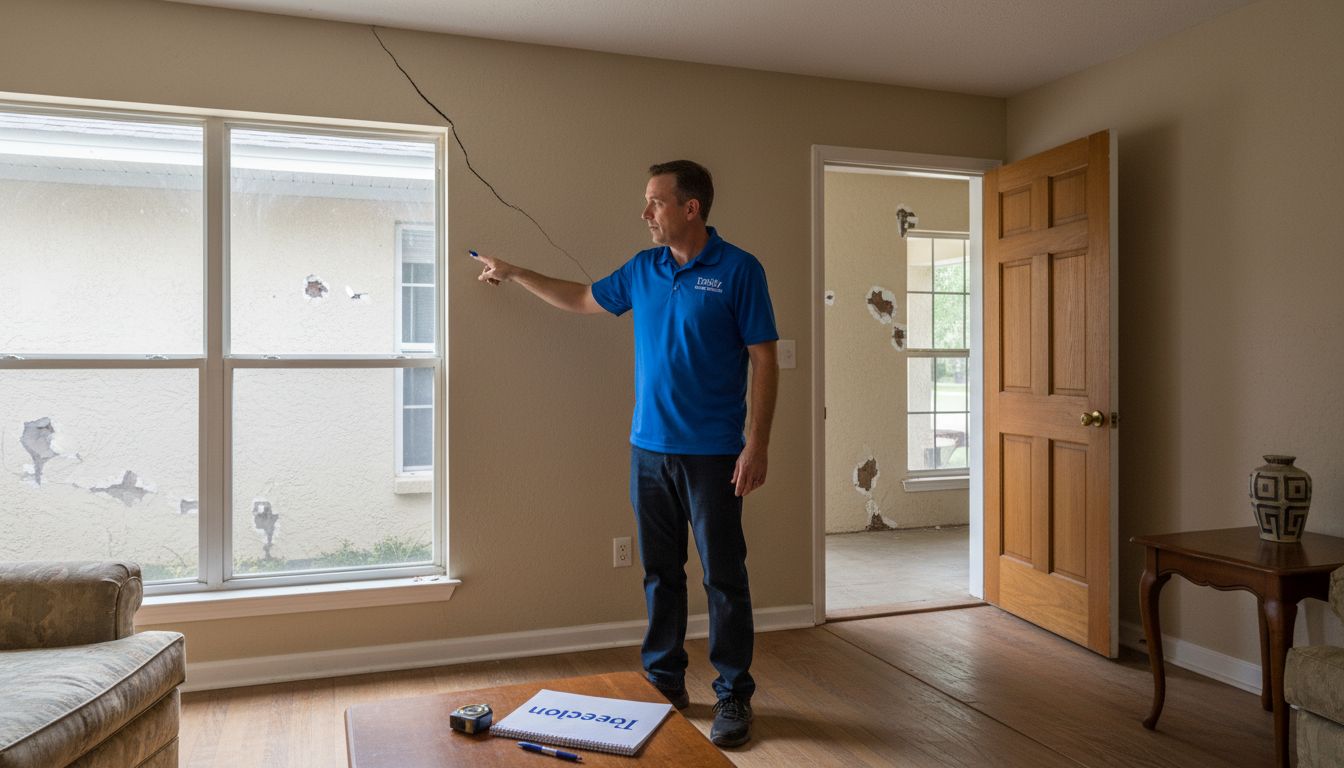
Cracked walls, sloping floors, and sticking doors are problems many american homeowners discover far too late. These warning signs can point to foundation issues that may cost thousands to repair if ignored. Over 60 percent of american homes are built on soils vulnerable to shifting. Recognizing subtle changes early can mean the difference between a simple fix and major structural repairs. Learn how to spot these important signals before they lead to serious damage.
Table of Contents
Quick Summary
Key Message | Explanation |
1. Monitor Wall Cracks | Wall cracks can indicate foundation issues; track their size and type regularly. |
2. Check Floor Levelness | Uneven floors signal foundation problems; use marbles to test slope consistency. |
3. Watch for Sticking Doors/Windows | Sticking doors can reflect structural shifts; document changes to seek professional help when necessary. |
4. Investigate Gaps Around Frames | Gaps around doors and windows can reveal foundation misalignment; measure and monitor them closely. |
5. Address Moisture in Crawl Spaces | Water intrusion indicates potential foundation cracks; regularly inspect for dampness to prevent further issues. |
1. Cracks in Walls and Ceilings
Foundation problems can often reveal themselves through subtle signs, and wall cracks are one of the most telling indicators homeowners should never ignore. Not all wall cracks spell disaster, but understanding their characteristics can help you distinguish between normal settling and serious structural issues.
When examining wall and ceiling cracks, size and pattern matter significantly. Hairline cracks less than 1/8 inch wide typically result from normal house settling and aren’t cause for immediate alarm. However, wider cracks that appear suddenly or follow specific patterns could signal more serious foundation stress.
Homeowners should pay special attention to crack types. Vertical cracks might indicate minor settlement, while horizontal or diagonal cracks often suggest more significant structural movement. The width and progression of these cracks can provide critical insights into potential foundation problems.
To monitor your home’s health, start a simple tracking system. Photograph existing cracks, measure their width, and note their location. Check these same spots periodically to see if they expand or change. If you notice cracks wider than 1/8 inch, developing rapidly, or accompanied by other signs like uneven floors or sticking doors, it’s time to consult a professional home inspector.
Remember, early detection can save you thousands in potential repair costs. Your vigilance could be the difference between a minor repair and a major structural renovation.
2. Uneven or Sloping Floors
A floor that looks more like a rolling landscape than a flat surface is not just an aesthetic issue it can be a serious warning sign of underlying foundation problems. Uneven or sloping floors are often silent indicators of significant structural shifts happening beneath your home.
Foundation movement can cause dramatic changes in floor levelness, which means your seemingly harmless slanted floor might be telling a complex story of potential structural damage. Foundation settlement can create noticeable changes in floor elevation that should never be ignored or dismissed as a minor inconvenience.
To assess the severity of floor unevenness, start with a simple test. Place a marble or ball bearing on different areas of your floor and observe its movement. If it rolls consistently in one direction or picks up speed, you might be dealing with more than just an old house quirk. Professional measurement tools can provide precise data about floor slope, with anything beyond a 1 inch drop per 15 feet potentially indicating foundation issues.
Concrete floor unevenness cannot be resolved without addressing the underlying foundation movement, which means quick detection and intervention are critical. Ignoring these signs could lead to more extensive and expensive repairs down the line.
For homeowners, the key is vigilance. Regular floor assessments, paying attention to door and window alignment, and watching for new cracks can help you catch potential foundation problems early. When in doubt, consult a professional home inspector who can provide a comprehensive evaluation of your home’s structural health.
3. Doors and Windows that Stick
Stubborn doors and windows that suddenly require body weight to open or close are more than just a household annoyance they might be signaling serious foundation problems. What seems like a simple alignment issue could actually be a warning of underlying structural shifts.
Foundation movement can cause subtle but significant misalignments in your home’s framework, making doors and windows difficult to operate. These changes occur when the foundation settles unevenly, causing frames to twist or warp slightly. Gradual misalignment is often the first clue that something more serious might be happening beneath your floors.
To assess potential foundation issues, perform a simple diagnostic test. Check if doors and windows are:
Warning Signs to Watch
Dragging when opened or closed
Not sitting flush in their frames
Leaving visible gaps around edges
Requiring extra force to latch
Seasonal humidity and minor settling can cause slight sticking, but persistent or worsening problems demand professional investigation. If you notice these issues becoming more pronounced over time, it could indicate progressive foundation movement that needs immediate attention.
Homeowners should create a simple tracking system. Mark the current position of door and window frames, then check periodically to see if they shift. Take measurements and photographs to document any changes. Remember that early detection can prevent minor alignment issues from escalating into major structural repairs.
4. Gaps Around Window Frames or Exterior Doors
Those mysterious spaces appearing around your window frames and exterior doors might seem harmless, but they could be sending a critical message about your home’s foundation. Unexpected gaps are more than cosmetic issues they can be red flags signaling potential structural movement.
Foundation settlement can cause significant misalignments that gradually push window frames and door edges out of their original positions. What starts as a barely noticeable space can quickly develop into a more pronounced opening that compromises your home’s structural integrity.
How to Assess Gap Severity Pay close attention to these warning signs:
Gaps wider than 1/8 inch
Increasing gap size over time
Uneven or diagonal separation
Visible wall cracking near window or door frames
Structural misalignments often result from uneven foundation movement, which means these gaps are not just aesthetic concerns. They represent potential stress points in your home’s structure that could lead to more extensive damage if left unaddressed.
Homeowners should develop a systematic approach to monitoring these gaps. Use painter’s tape to mark current gap locations, take photographs, and measure widths periodically. If you notice consistent growth or changes, it’s time to call a professional home inspector who can provide a comprehensive foundation assessment.
5. Separation of Walls from the House
Imagine walking around your home and discovering a growing space between your walls and foundation a situation that sounds like a homeowner’s nightmare. Wall separation is more than a cosmetic concern it can be a critical warning sign of serious foundation problems.
Structural shifts can cause walls to gradually detach from the house framework, creating visible gaps that compromise your home’s structural integrity. These separations occur when foundation movement creates uneven stress across different parts of your home’s structure.
Key Indicators of Wall Separation
Visible gaps between walls and foundation
Walls pulling away from ceiling or floor
Diagonal cracks near wall connections
Noticeable tilting or leaning of interior walls
Uneven settling can lead to significant structural misalignments that manifest through these gradual wall separations. The process often happens incrementally, making regular home inspections crucial for early detection.
Homeowners should develop a proactive monitoring approach. Use a straight edge or level to check wall alignment, measure any existing gaps, and photograph potential problem areas. Consider creating a simple tracking log to document changes over time. If wall separation becomes noticeable or continues to expand, consulting a professional home inspector is not just recommended it is essential for preventing potential catastrophic structural damage.
6. Moisture or Water in Crawl Spaces
A damp crawl space might seem like a minor inconvenience, but it can signal serious foundation problems that threaten your home’s entire structural integrity. Water intrusion is not just about keeping your space dry it is a critical warning sign of potential foundation damage.
Excess moisture in crawl spaces can indicate underlying foundation cracks that allow water to seep into areas normally meant to remain completely dry. These small openings can quickly escalate from a minor leak to a major structural concern.
Red Flags to Watch For
Standing water or consistent dampness
White powdery residue on concrete walls
Musty odors
Visible mold growth
Wood rot or decay in structural elements
Foundation issues can lead to significant moisture problems that compromise your home’s wooden structures and create perfect conditions for mold and wood rot. The longer these conditions persist, the more expensive and complicated repairs become.
Homeowners should conduct regular crawl space inspections, especially after heavy rainfall. Use a moisture meter to track humidity levels, install a reliable dehumidifier, and consider professional waterproofing solutions. Remember that addressing water intrusion early can save thousands in potential foundation and structural repairs.
7. Visible Foundation Cracks
Foundation cracks are like warning signals that something might be wrong with your home’s structural backbone. What might look like a simple line could potentially indicate serious underlying issues that demand immediate attention.
Not all foundation cracks spell immediate disaster, but understanding their characteristics is crucial for homeowners. Some cracks represent normal settling, while others signal significant structural stress.
Crack Classification Guide
Hairline cracks less than 1/8 inch wide
Vertical cracks typically indicating normal settling
Horizontal cracks suggesting potential serious structural movement
Diagonal cracks pointing to uneven foundation pressure
Extensive flaking or cracks wider than 1/8 inch require professional evaluation, as they might indicate drainage problems or external pressure compromising your foundation’s integrity. These cracks can become pathways for water intrusion, leading to more complex and expensive repairs.
Homeowners should develop a systematic approach to monitoring foundation cracks. Photograph and measure existing cracks, track their progression, and create a dated log. Use a ruler or caliper to accurately record crack width, and if you notice sudden changes or rapid expansion, contact a professional home inspector immediately. Remember, early detection can save you thousands in potential repair costs.
Below is a comprehensive table summarizing the key signs of foundation problems and the recommended actions based on the article.
Problem | Description | Recommended Actions |
Cracks in Walls and Ceilings | Hairline cracks from settling, wider cracks may indicate serious issues. | Track cracks, measure width, consult a professional if over 1/8 inch. |
Uneven or Sloping Floors | Floors not level, potential structural damage indication. | Test with marble, consult if slope over 1 inch per 15 feet. |
Sticky Doors and Windows | Misalignment due to foundation shift. | Track alignment, consult if persistent or worsening. |
Gaps Around Frames | Indicate misalignments, potential structural stress. | Measure gaps, monitor growth, seek professional assessment. |
Wall Separation | Visible gaps between walls and foundation. | Measure gaps, photograph, consult a professional if noticeable. |
Moisture in Crawl Spaces | Water intrusion may signal foundation cracks. | Inspect regularly, use moisture meter, consider waterproofing. |
Visible Foundation Cracks | May indicate serious structural stress beyond normal settling. | Photograph and measure cracks, consult for significant changes. |
Protect Your Home With Expert Foundation Inspections
Foundation issues like cracks in walls, uneven floors, or sticking doors often start small but can quickly turn into costly repairs if left unchecked. This article highlights critical signs of foundation problems every homeowner needs to recognize to protect their investment and ensure safety. If you spot any of these warning signs, taking immediate action can save you thousands and provide peace of mind.
At Trinity Home Inspections, we specialize in thorough home inspections focusing on the subtle warning signs of foundation damage. Led by Matt Cameron, we bring years of trusted experience and a deep commitment to integrity and excellence to the Gulf Coast region. We understand how unsettling foundation issues can be, which is why we provide accurate, detailed reports that empower you to make informed decisions.

Don’t wait for damage to worsen. Schedule a professional inspection today and ensure your home’s foundation is solid and secure. Visit Trinity Home Inspections now and take the first step towards protecting your home from costly foundation repairs.
Frequently Asked Questions
What are the key signs of foundation issues I should look for in my home?
Understanding the key signs of foundation issues is crucial for homeowners. Look for cracks in walls and ceilings, uneven or sloping floors, sticking doors and windows, gaps around frames, wall separation, moisture in crawl spaces, and visible foundation cracks.
How can I monitor cracks in my walls to assess foundation health?
Start by photographing any existing cracks, measuring their width, and noting their locations. Check these areas periodically, ideally every 30 days, to note any changes or expansions in the cracks.
What should I do if I find gaps around my windows or doors?
If you notice gaps wider than 1/8 inch growing in size, act quickly by measuring and documenting them. Consider consulting a professional home inspector to evaluate the potential for foundation movement and structural impact.
How can I test for uneven floors in my home?
To test for uneven floors, roll a marble or ball bearing across different areas. If it consistently rolls in one direction, it may indicate significant foundation movement that should be evaluated by a professional.
What steps should I take if my doors and windows are sticking?
If doors and windows require extra force to open or close, document the issues and observe if they worsen over time. Mark their current positions and check back every few weeks to note any changes, and consider scheduling an inspection if problems persist.
When should I seek professional help for potential foundation problems?
If you observe any signs such as rapidly widening cracks, significant gaps, or persistent moisture in crawl spaces, consult a professional immediately. Early intervention can help prevent more serious structural damage and costly repairs.
Recommended
