
Best Termite Treatment Options for Gulf Coast Homes
- Matt Cameron

- Mar 5
- 11 min read
Updated: Mar 6
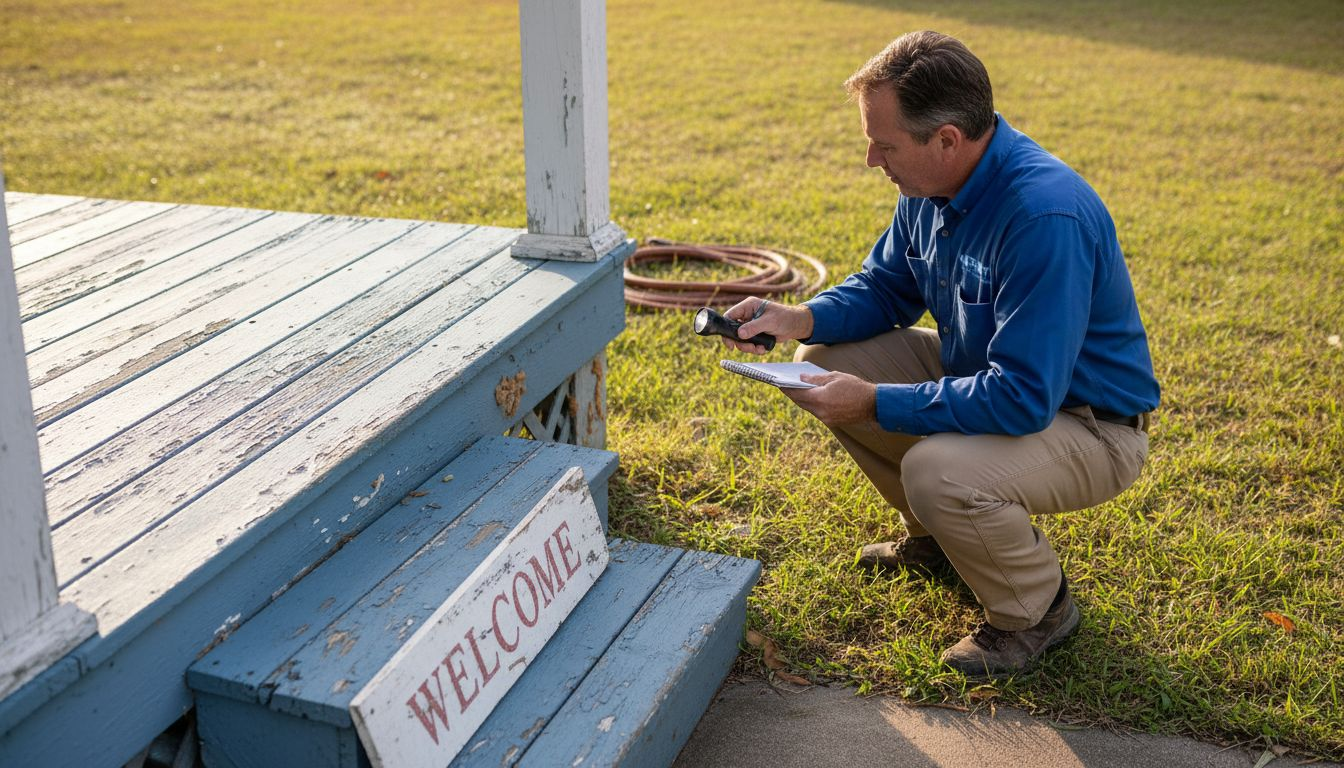
Termites wreak havoc across America, causing roughly $5 billion in property damage every year. For Gulf Coast Alabama homeowners, the warm, humid climate makes this threat even more real. You need effective termite treatment options that protect your investment before damage starts. This guide walks you through proven inspection methods, treatment choices, safety considerations, and long-term prevention strategies tailored specifically for your region.
Key takeaways
Point | Details |
Early detection saves money | Professional inspections using thermal imaging catch infestations before they become costly structural problems. |
Multiple treatment options exist | Liquid termiticides, baiting systems, and foam treatments each work best for different infestation scenarios. |
Safety matters for families | Kid- and pet-safe treatments using reduced-risk products protect your household while eliminating termites effectively. |
Prevention pays off long-term | Warranties and ongoing monitoring plans provide continuous protection against future termite activity. |
Professional expertise is essential | DIY treatments often fail to eliminate entire colonies, making certified pest control services worth the investment. |
The importance of early and thorough termite inspection
Termites cause approximately $5 billion in damages annually across the United States. That staggering number shows why prevention matters so much. Catching an infestation early means you avoid expensive repairs and preserve your home’s value.
Professional inspections go far beyond what you can see on your own. Trained technicians use advanced tools to find hidden termite activity that homeowners typically miss. Thermal imaging reveals temperature differences that indicate termite tunnels behind walls. Moisture meters detect damp areas where termites thrive.
Here’s what a thorough termite inspection includes:
Complete visual examination of your home’s interior and exterior
Inspection of crawl spaces, basements, attics, and other vulnerable areas
Checking for mud tubes, damaged wood, and termite droppings
Using specialized equipment to detect hidden colonies
Detailed report with photos documenting any findings
Pro Tip: Schedule your termite inspection in early spring before peak termite season hits. This timing lets you catch any winter activity and treat infestations before they explode during warmer months.
Investing in professional termite inspection costs a few hundred dollars. Repairing structural damage from an undetected infestation can run into thousands or even tens of thousands. The math is simple.
Gulf Coast conditions create a perfect environment for termites year-round. Your proactive approach to inspection gives you the upper hand against these destructive pests.
Recognizing termite infestation early
Knowing what to look for helps you spot termite signs early and take action before damage spreads. Common signs include mud tubes, discarded wings, hollow-sounding wood, and frass, which are all warning signals you shouldn’t ignore.
The Gulf Coast’s warm, humid weather creates ideal conditions for termite colonies to thrive. Your home becomes vulnerable year-round, not just during a single season. Regular monitoring of these warning signs becomes part of smart home maintenance.
Watch for these specific indicators around your property:
Mud tubes running along foundation walls or in crawl spaces
Piles of discarded wings near windows, doors, or light fixtures
Wood that sounds hollow when tapped
Tiny pellets (frass) that look like sawdust or coffee grounds
Bubbling or uneven paint on walls
Sagging floors or doors that stick suddenly
Pro Tip: Check your home’s perimeter every few months, focusing on areas where wood meets soil. Look under porches, around deck posts, and near outdoor wooden structures. These entry points often show the first signs of termite activity.
You might spot swarmer termites in spring, especially after rain. These winged termites leave their colony to start new ones. If you see swarmers inside your home, you likely have an established colony nearby.
Don’t wait until damage becomes obvious. A single termite colony can contain hundreds of thousands of insects eating away at your home’s structure 24/7. The sooner you recognize the signs, the faster you can eliminate the threat.
Integrated pest management for termite control
Integrated Pest Management strategies combine multiple approaches to provide the most effective termite control. IPM isn’t just one treatment. It’s a strategic system that addresses your specific situation with the right tools at the right time.
This approach starts with thorough inspection to identify the termite species, colony location, and infestation extent. Then professionals design a customized treatment plan that targets your exact problem. Ongoing monitoring ensures the solution works and catches any new activity early.
IPM emphasizes environmentally sensitive methods that protect your family while eliminating termites. You get effective pest control without unnecessary chemical exposure or environmental harm.
Key components of an IPM termite control program include:
Detailed inspection to map termite activity and entry points
Liquid termiticide barriers around your home’s foundation
Strategic placement of termite bait stations
Regular monitoring visits to check treatment effectiveness
Preventive recommendations for landscaping and moisture control
Documentation and reporting at every stage
Pro Tip: Coordinate your termite control with other home maintenance tasks. Fix leaky pipes, improve drainage, and remove wood debris from around your foundation. These steps support your IPM program and make treatments more effective.
The beauty of IPM is flexibility. If one treatment method isn’t delivering results, your pest control provider adjusts the strategy. They might combine liquid treatments with baiting systems or focus on specific problem areas.
You can schedule a termite inspection as the first step in implementing an IPM approach. Professional guidance ensures you’re investing in the right solutions for your home’s unique needs.
Effective termite treatment options
Choosing the right treatment depends on your infestation severity, home construction, and long-term protection goals. Three main methods dominate professional termite control in Gulf Coast Alabama, each with distinct advantages.
Treatment Type | How It Works | Duration | Best For |
Liquid Termiticides | Creates chemical barrier in soil that kills termites on contact | 3-5 years with maintenance | Existing infestations, preventive protection |
Baiting Systems | Termites consume toxic bait and share it with colony | Weeks to months for elimination | Subterranean species, ongoing monitoring |
Foam Treatments | Expands into wall voids and hard-to-reach spaces | Varies by product | Localized infestations, targeted application |
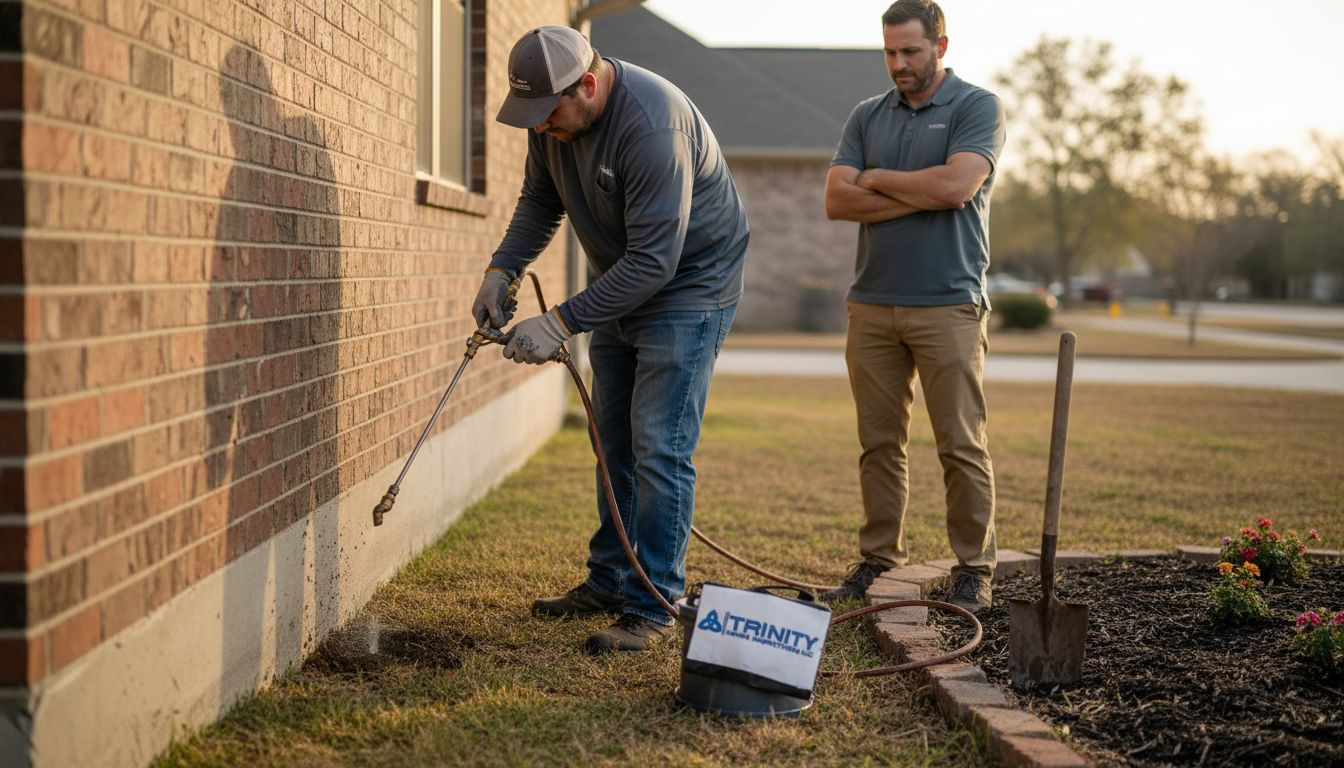
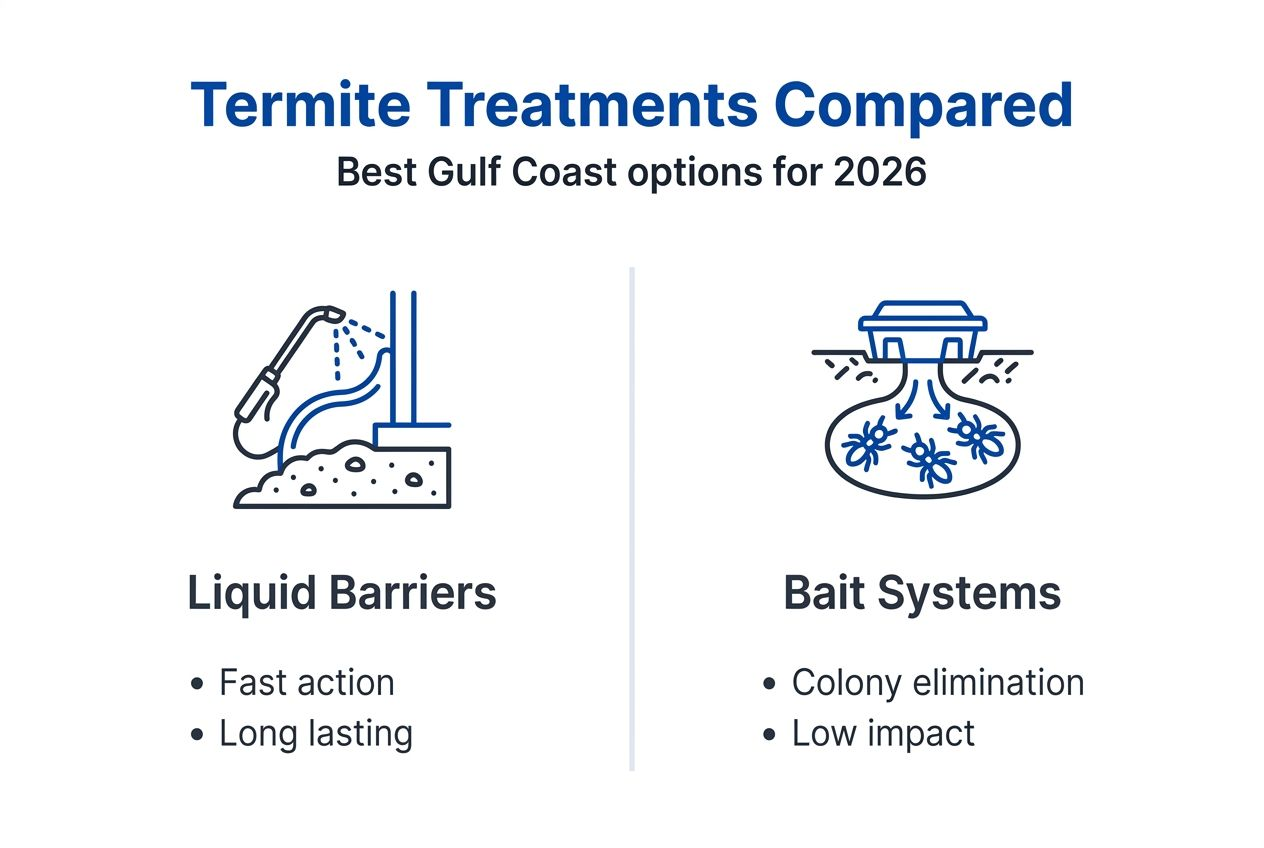
Liquid termiticides create a protective barrier that kills termites trying to enter your home and eliminates existing colonies foraging in treated soil. Professional application around your foundation creates a zone termites cannot cross. This method provides several years of protection when properly maintained.
Termite baiting systems eliminate entire colonies by attracting termites to feeding stations containing slow-acting toxins. Worker termites carry the bait back to the nest and share it with other colony members, including the queen. This approach works especially well for subterranean termites common in the Gulf Coast.
Foam treatments reach areas liquid applications can’t access. Technicians inject expanding foam into wall voids, attics, and crawl spaces where termites hide. The foam carries termiticide throughout the infested space.
Pros and cons of each treatment method:
Liquid treatments provide immediate barrier protection but require soil trenching around your home
Baiting systems offer colony elimination with minimal disruption but take longer to work completely
Foam treatments target specific problem areas effectively but may need combination with other methods
Pro Tip: Choose your treatment based on inspection results, not just cost. A small localized infestation might need only foam treatment, while widespread activity requires comprehensive liquid barrier protection combined with monitoring.
Many homeowners benefit from combining treatments. Your pest control provider can design a strategy using multiple methods to address both immediate elimination and long-term prevention.
Safety and environmental considerations
Protecting your family while eliminating termites is non-negotiable. Kid- and pet-safe termite treatments using reduced-risk products are widely available and just as effective as older, more toxic options.
Professional pest control companies prioritize safety through proper product selection, application methods, and timing. They follow strict regulations governing pesticide use in residential areas. You can ask specific questions about the products they’ll use and review safety data sheets.
Modern termite treatments have come a long way. Today’s products target termites specifically while posing minimal risk to humans and pets when applied correctly. Many treatments use active ingredients that break down naturally in the environment.
Best practices for environmentally responsible termite treatment include:
Using the minimum effective amount of treatment product
Applying treatments precisely where termites are active
Choosing products with low environmental persistence
Protecting water sources and beneficial insects during application
Following all label directions and safety protocols
Providing clear communication about re-entry times
Your technician should explain any precautions you need to take. This might include temporarily relocating pets during treatment or ventilating treated areas before re-entering. Most modern treatments allow you to return home the same day.
In the Gulf Coast region, environmental stewardship matters. The coast’s unique ecosystems require careful pest management that protects both your home and the surrounding environment. Professional services understand these regional considerations and adapt their methods accordingly.
Always verify that your pest control provider maintains proper licensing and insurance. These credentials ensure they meet safety standards and stay current with best practices.
Cost considerations for termite treatments
Budgeting for termite control is an investment in your home’s structural integrity and your peace of mind. Professional termite treatments range from $300 to $550 per visit, though costs vary based on several factors specific to your situation.
Infestation severity plays the biggest role in pricing. A small, localized problem costs less to treat than widespread termite activity throughout your home. Treatment method also affects the final bill. Liquid barrier treatments typically cost more upfront than baiting systems, but they provide immediate protection.
Your home’s size and construction influence treatment costs too. Larger homes require more product and labor. Homes with crawl spaces or complex foundations may need additional work to treat effectively.
Smart budgeting tips for termite treatment investment:
Get quotes from multiple licensed pest control companies
Ask about package deals that include initial treatment plus ongoing monitoring
Consider annual prevention plans that spread costs across the year
Factor in potential savings from avoiding major structural repairs
Check if your homeowner’s insurance offers any termite damage coverage
Inquire about financing options for larger treatment projects
Remember that skipping termite treatment doesn’t save money. It just delays the inevitable while termites continue damaging your home. A $500 treatment now prevents $5,000 or more in repairs later.
Some pest control companies offer free inspections to assess your situation before quoting treatment costs. Take advantage of these assessments to understand exactly what you’re facing and what different treatment approaches will cost.
Prevention is always cheaper than cure. Regular termite inspections cost much less than treating an active infestation. Many homeowners find that investing in ongoing monitoring and prevention plans provides the best long-term value.
Long-term termite prevention and warranties
Protecting your home doesn’t end when the initial treatment is complete. Most effective termite control companies provide warranties and long-term prevention plans that ensure continued protection against future termite activity.
Typical termite treatment warranties last three to five years and include regular inspection visits plus retreatment if termites return. These warranties give you peace of mind knowing professionals will address any new activity without additional treatment charges.
Ongoing prevention plans involve scheduled monitoring visits where technicians check bait stations, inspect for new termite signs, and verify that protective barriers remain effective. This proactive approach catches problems early when they’re easiest and least expensive to solve.
Benefits of long-term termite service agreements include:
Continuous protection with regular professional monitoring
Priority scheduling if you notice concerning signs between visits
Cost savings compared to paying for individual treatments
Documentation of ongoing termite protection for real estate transactions
Timely intervention before minor issues become major problems
Warranty coverage that transfers if you sell your home
Pro Tip: Review warranty terms carefully before signing. Look for coverage that includes both retreatment and damage repair if termites return during the warranty period. Also check whether the warranty is transferable to future homeowners.
Choose a pest control provider with a solid reputation for honoring warranties and maintaining long-term client relationships. You want a company that will still be around years from now when you need them.
In the Gulf Coast’s high-risk termite environment, ongoing prevention isn’t optional. It’s essential home maintenance. Regular monitoring through a service agreement costs far less than dealing with undetected infestations that develop between treatments.
You can learn more about warranty inspection importance and how it protects your investment. Professional oversight provides the continuous vigilance termites require.
Common misconceptions and DIY treatment limitations
Many homeowners believe they can handle termite problems themselves with store-bought products. The reality is far different. DIY termite treatments often fail against large infestations and can lead to incomplete elimination that allows colonies to persist and spread.
Let’s clear up the most common misconceptions about termite treatment:
Myth: DIY treatments are just as effective as professional services. Reality: Store products lack the strength and application expertise needed for complete colony elimination.
Myth: One treatment permanently solves termite problems. Reality: Termites can return, especially in Gulf Coast climates, requiring ongoing monitoring.
Myth: You can see all termite damage during casual inspection. Reality: Most damage happens inside walls and structural members where it’s invisible until severe.
Myth: Natural or organic treatments work as well as conventional options. Reality: While some natural products show promise, they typically lack the proven effectiveness of professional-grade treatments.
Myth: Termites only attack old, poorly maintained homes. Reality: New construction is just as vulnerable, especially if preventive treatments weren’t applied during building.
DIY approaches face serious limitations. You don’t have access to professional-grade products. You lack the training to properly identify termite species and determine the best treatment approach. You can’t access the specialized equipment needed to treat hidden areas thoroughly.
Incomplete DIY treatment creates a false sense of security. You might kill visible termites while the main colony thrives elsewhere, continuing to damage your home. By the time you realize the treatment failed, additional damage has occurred.
Professional pest control technicians bring years of training and experience. They know termite behavior, understand how different species respond to various treatments, and can identify all the areas requiring treatment. Their expertise ensures thorough elimination the first time.
The cost difference between DIY attempts and professional service narrows quickly when you factor in the value of guaranteed results. Professional treatment comes with warranties, follow-up visits, and the knowledge that the job is done right.
Protect your Gulf Coast home with expert termite inspections and treatments
Your home deserves the same thorough protection you’ve just learned about. Trinity Home Inspections brings InterNACHI-certified expertise to every inspection, using advanced tools like thermal imaging and moisture meters to detect termite activity before it becomes a costly problem.

Our home inspection services include detailed termite assessments as part of our approach to protecting Gulf Coast Alabama homeowners. We deliver same-day reports packed with photos and videos, giving you the clear information you need to make smart decisions about termite treatment.
Ready to protect your investment? Schedule your termite inspection today and get the peace of mind that comes from professional evaluation. We also offer property and permit search services to give you complete clarity on your home’s history and condition.
Frequently asked questions
What are the most common signs of termite infestation in Gulf Coast Alabama?
Mud tubes along foundation walls, discarded wings near windows, hollow-sounding wood, and small pellets called frass are the most frequent visible indicators. Regular professional inspections help confirm infestations early before damage becomes severe.
How long do professional termite treatments typically protect a home?
Liquid termiticides usually provide protection for three to five years when properly maintained with periodic inspections. Baiting systems require ongoing monitoring but can eliminate entire colonies over several weeks to months.
Are termite treatments safe for children and pets?
Yes, most professional treatments use reduced-risk products specifically designed to be safe around families and pets. Licensed pest control companies follow strict safety protocols and can explain any precautions needed during and after application.
Why are professional termite inspections and treatments recommended over DIY options?
DIY treatments typically fail to eliminate large termite colonies completely because homeowners lack access to professional-grade products and specialized application equipment. Professionals use proven methods, advanced tools, and extensive training to ensure lasting protection and back their work with warranties.
Recommended

