
Common Attic Safety Issues That Risks Every Buyer Faces
- Matt Cameron

- Jan 30
- 7 min read
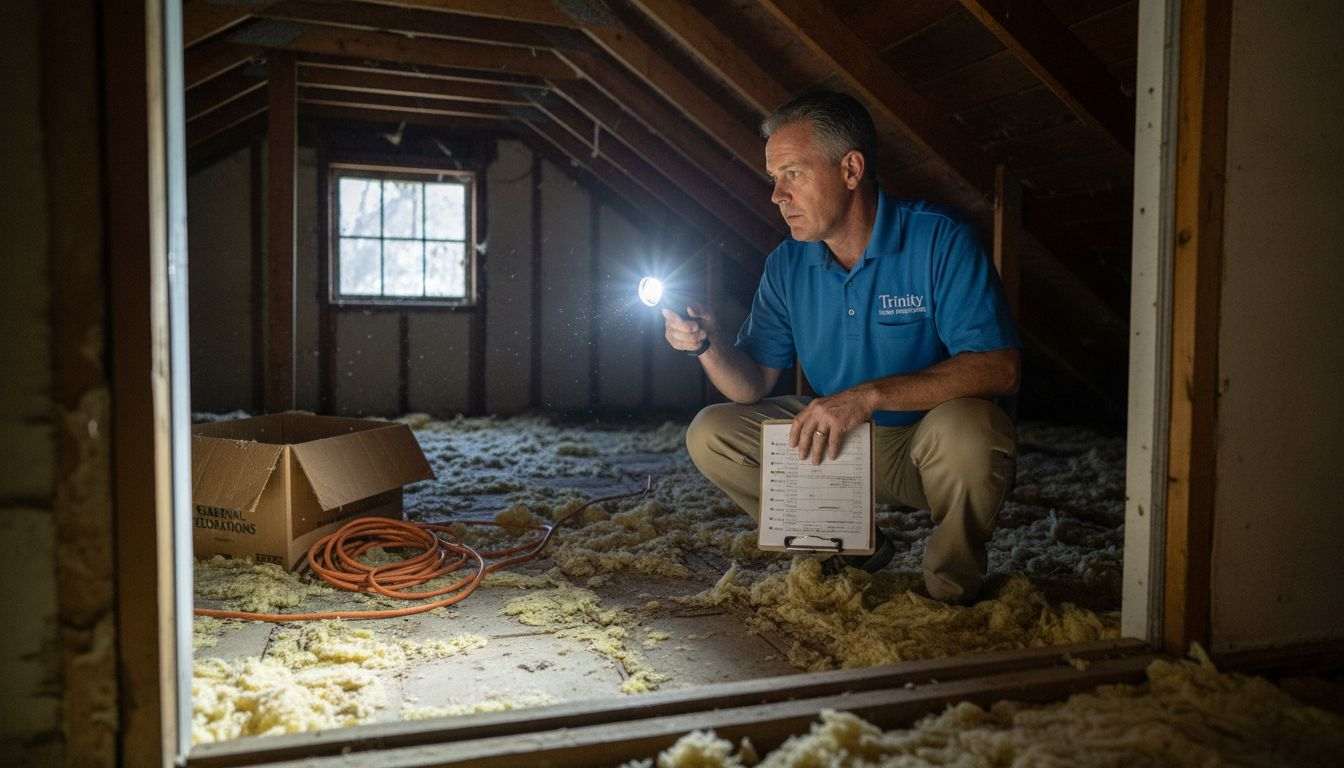
Few parts of a home spark more concern than the attic, especially for families in Baldwin and Mobile, Alabama facing questions about unseen dangers above their heads. Attics can hide hazards like weakened structures, exposed nails, and even conditions that invite mold or fires—all risks that require careful, professional assessment. Understanding these issues helps buyers and sellers protect their investment and well-being. Certified home inspectors use advanced tools and training to uncover what is hidden, offering the peace of mind buyers and sellers deserve before closing.
Table of Contents
Key Takeaways
Point | Details |
Comprehensive Inspections Are Essential | Always request a thorough attic inspection from professionals using advanced tools to identify hidden risks. |
Moisture Management Is Crucial | Control humidity and ensure proper ventilation to prevent mold and air quality issues in attics. |
Pest Control Cannot Be Overlooked | Implement integrated pest management strategies to eliminate risks associated with pest intrusion and contamination. |
Fire Safety Measures Are Necessary | Install fire-resistant materials and perform regular checks to minimize attic fire hazards. |
Defining Attic Safety Issues in Homes
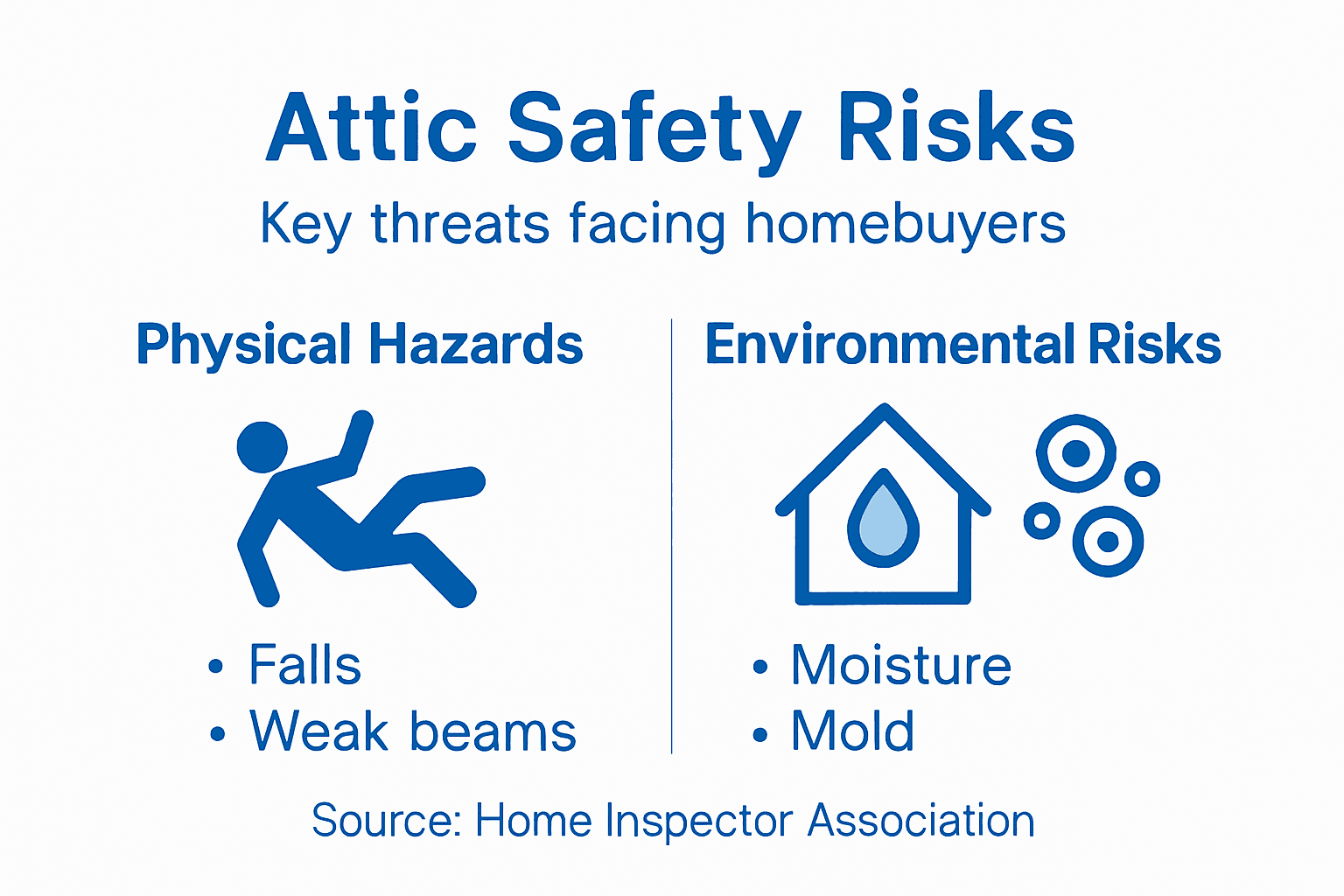
Home attics represent complex structural environments with multiple potential safety risks that homebuyers must carefully evaluate. These confined overhead spaces harbor hidden dangers that can significantly impact a property’s structural integrity, energy efficiency, and overall safety. Proper attic assessment requires understanding multiple critical safety dimensions.
Attic safety involves several key risk categories that demand professional inspection and thorough evaluation:
Fall hazards from uneven surfaces and low ceiling clearances
Electrical risks from exposed wiring and potential cable damage
Structural integrity concerns with load-bearing capacity
Moisture and temperature management issues
Potential microbial growth environments
The most significant safety challenges emerge from complex interactions between structural design, environmental conditions, and maintenance history. Ventilation and insulation management play crucial roles in preventing long-term safety deterioration, as improper conditions can accelerate structural damage and create hazardous environments.
Professional home inspectors understand that attic safety extends beyond visual assessment. Critical evaluation requires specialized tools and technical expertise to identify potential risks that might remain invisible to untrained eyes. Thermal imaging, moisture meters, and structural load testing provide comprehensive insights into potential safety issues lurking within these often-overlooked home spaces.
Below is a comparison of common attic hazards and the specialized tools inspectors use to detect them:
Hazard Type | Detection Tool | Key Benefit |
Moisture Intrusion | Moisture Meter | Identifies hidden water leaks |
Electrical Problems | Thermal Imaging Camera | Spots overheating wires |
Structural Weakness | Load Testing Equipment | Assesses support capacity |
Pest Activity | Infrared Camera | Locates concealed entryways |
Mold/Microbial Growth | Air Quality Sampler | Detects airborne spores |
Pro tip: Always request a comprehensive attic inspection during your home buying process, ensuring the inspector uses advanced diagnostic tools to uncover hidden safety risks.
Types of Physical and Structural Hazards
Attics present a complex landscape of potential physical and structural risks that can compromise home safety and integrity. Structural hazards in attic spaces range from subtle structural weaknesses to significant safety threats that may not be immediately visible to untrained observers.
Key physical and structural hazards in attic environments include:
Fall risks through weakened ceiling surfaces
Exposed structural elements like loose nails and sharp protrusions
Electrical vulnerability from outdated or damaged wiring
Load-bearing capacity limitations
Structural deterioration from moisture or age-related damage
Attic fire risks represent another critical structural concern that homeowners must carefully evaluate. Wooden beams, electrical malfunctions, and combustible materials create potential fire hazards that can remain undetected for extended periods. Professional inspectors utilize specialized equipment to identify hidden structural vulnerabilities that might compromise home safety.
Understanding these hazards requires comprehensive assessment beyond visual inspection. Structural integrity involves analyzing multiple interconnected systems, including framing, insulation, ventilation, and potential points of structural stress. Trained home inspectors can detect nuanced indicators of potential risks that could lead to significant structural failures if left unaddressed.
Pro tip: Request thermal imaging and moisture meter assessments during your home inspection to uncover hidden structural vulnerabilities that might not be visible during standard visual examinations.
Moisture, Mold, and Air Quality Threats
Attic environments are particularly susceptible to moisture-related challenges that can compromise indoor air quality and structural integrity. Moisture control strategies are critical in preventing microbial growth and potential health risks associated with poor air quality.
Key moisture and air quality risks in attic spaces include:
Humidity accumulation leading to condensation
Roof leak potential creating damp environments
Inadequate ventilation trapping moisture
Temperature fluctuations causing condensation cycles
Organic material decomposition supporting microbial growth
Indoor air quality challenges extend beyond visible microbial growth, encompassing complex interactions between environmental conditions and potential respiratory triggers. Professional inspectors recognize that attic moisture issues can create breeding grounds for spores that may spread throughout the entire home, potentially causing allergic reactions and respiratory complications.
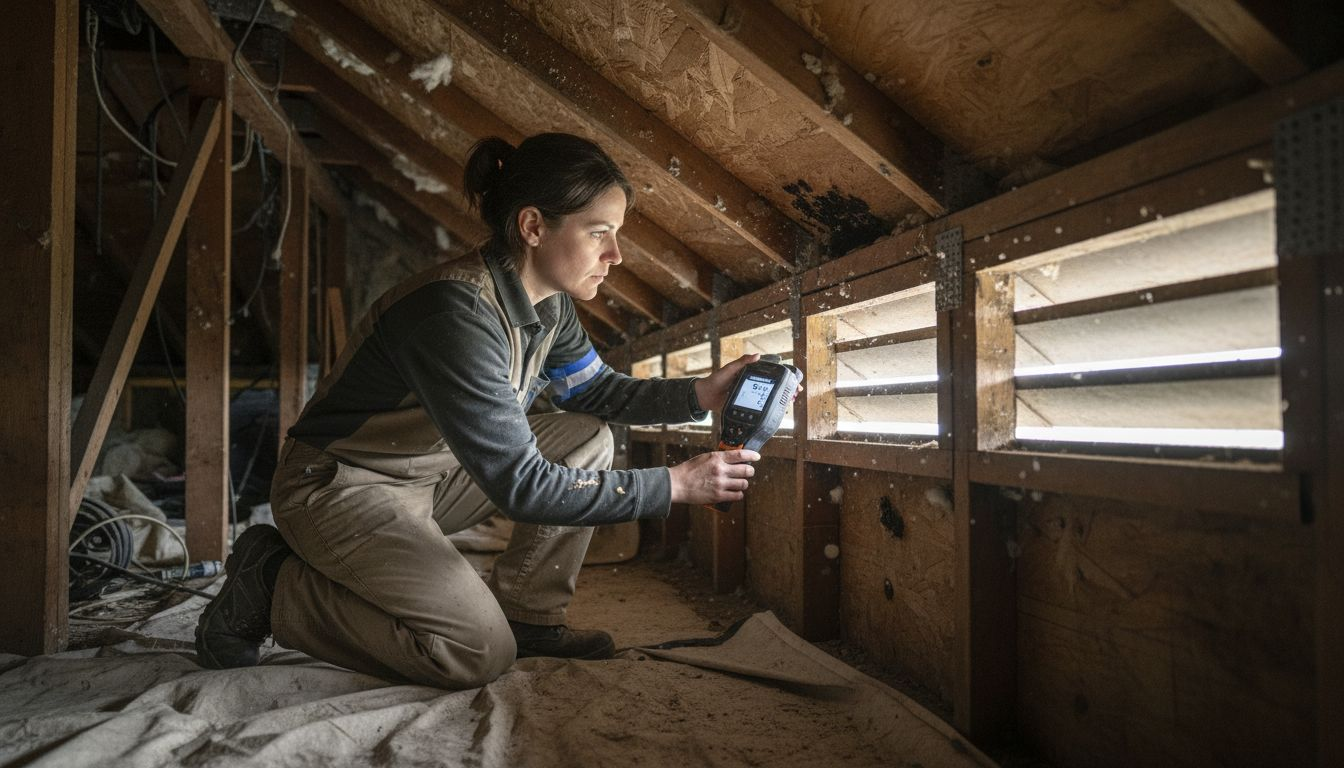
Preventative measures require a holistic approach to moisture management. This involves comprehensive assessment of ventilation systems, insulation quality, potential leak points, and humidity levels. Homeowners should prioritize maintaining indoor humidity between 30-50% and ensure proper attic ventilation to mitigate potential air quality threats.
Pro tip: Invest in a professional indoor air quality test that includes comprehensive moisture and microbial growth assessment to identify potential hidden risks in your attic environment.
Insulation and Electrical Safety Risks
Attic environments present complex challenges involving insulation performance and electrical safety that demand careful professional assessment. Attic insulation standards require meticulous evaluation to prevent potential hazards and ensure home efficiency.
Key insulation and electrical safety risks include:
Improper insulation depth compromising thermal performance
Exposed electrical wiring creating shock potential
Inadequate clearance around electrical junction boxes
Compressed or settled insulation reducing effectiveness
Blocked ventilation leading to moisture accumulation
Electrical safety protocols emphasize the critical importance of maintaining safe working environments and preventing potential electrical incidents. Professional inspectors recognize that attic spaces often harbor hidden electrical risks, including outdated wiring, improper installations, and potential fire hazards that might remain undetected by untrained observers.
Comprehensive safety assessment requires a holistic approach that examines insulation quality, electrical component integrity, and potential interaction between thermal and electrical systems. Homebuyers should prioritize professional inspections that thoroughly evaluate these interconnected elements, ensuring both energy efficiency and personal safety.
Pro tip: Request thermal imaging during your home inspection to reveal hidden electrical and insulation issues that might not be visible through standard visual assessment.
Pest Intrusion and Contamination Concerns
Attic spaces represent prime environments for pest infiltration, creating significant risks for homeowners that extend far beyond simple nuisance. Integrated Pest Management strategies provide critical frameworks for understanding and mitigating these complex contamination challenges.
Common pest intrusion risks in attic environments include:
Rodent nesting causing structural damage
Insect colonization compromising building materials
Wildlife entry points creating sanitation hazards
Hidden nesting materials accumulating quickly
Potential disease transmission through pest droppings
Pest control techniques require comprehensive approaches that go beyond simple extermination. Professional inspectors recognize that effective pest management involves identifying entry points, understanding environmental conditions that attract pests, and implementing targeted exclusion strategies to prevent future infestations.
Comprehensive pest assessment involves more than visual inspection. Professionals utilize specialized equipment to detect hidden pest activities, evaluate potential damage, and recommend precise remediation strategies. Homebuyers must understand that pest intrusion can compromise structural integrity, create health risks, and potentially reduce property value if left unaddressed.
Pro tip: Request a specialized pest inspection that includes thermal imaging and moisture assessment to uncover potential hidden entry points and conducive conditions for pest intrusion.
How to Prevent and Address Attic Hazards
Preventive strategies form the cornerstone of effective attic safety management, requiring a comprehensive approach that addresses multiple potential risks. Safety planning for attic environments demands proactive measures that go beyond simple visual inspection.
Critical prevention strategies include:
Regular professional inspections to identify hidden risks
Implementing fall protection systems
Maintaining proper ventilation
Sealing potential entry points for pests
Installing fire-resistant materials
Monitoring humidity and moisture levels
Fire mitigation techniques play a crucial role in protecting attic spaces from potential catastrophic damage. Homeowners must understand that comprehensive hazard prevention involves a multi-layered approach addressing structural integrity, environmental conditions, and potential risk factors.
Effective attic hazard management requires ongoing attention and professional expertise. Professional home inspectors utilize specialized equipment and knowledge to identify subtle risks that might escape untrained observation. This includes thermal imaging, moisture detection, structural integrity assessments, and comprehensive evaluation of potential environmental threats.
The next table summarizes action steps to reduce attic risks and their long-term benefits:
Prevention Action | Main Purpose | Long-Term Benefit |
Annual Professional Check | Early issue detection | Prevents major repairs |
Proper Ventilation Setup | Controls moisture levels | Improves air quality |
Pest Entry Point Sealing | Blocks animal/insect access | Preserves structural health |
Fire-Resistant Materials | Reduces fire ignition chance | Increases home safety |
Insulation Assessment | Maintains energy efficiency | Lowers energy costs |
Pro tip: Schedule annual professional inspections to catch potential attic hazards early, preventing costly repairs and ensuring your home’s long-term safety and structural integrity.
Ensure Your Attic’s Safety with Expert Home Inspections
Common attic safety issues like hidden moisture, electrical risks, structural weaknesses, and pest intrusion can put your investment and loved ones at risk. You deserve clear answers about these potential dangers before making one of the biggest decisions of your life. At Trinity Home Inspections, we combine advanced tools such as thermal imaging and moisture meters with our InterNACHI-certified expertise to unveil hidden attic hazards accurately and quickly.
Don’t let unseen attic risks cause future headaches or costly repairs. Our same-day detailed reports, including photo and video documentation, give you the confidence to negotiate or maintain your home wisely. Schedule your thorough home inspection today and experience why homeowners across Baldwin, Mobile, and the Gulf Coast trust us for reliable attic safety assessments. Learn more about our trusted approach at Trinity Home Inspections and secure your peace of mind now.
Frequently Asked Questions
What are common safety risks associated with attics?
Common safety risks in attics include fall hazards, electrical issues from exposed wiring, structural integrity concerns, moisture problems, and the potential for microbial growth.
How can I assess the safety of my attic?
A comprehensive attic assessment should involve professional inspections that utilize specialized tools such as thermal imaging, moisture meters, and structural load testing to identify hidden safety risks.
What preventative measures can I take to address attic hazards?
Preventative measures include scheduling regular professional inspections, ensuring proper ventilation, sealing potential entry points for pests, using fire-resistant materials, and monitoring humidity levels to prevent moisture accumulation.
Why is moisture management important in attics?
Moisture management is crucial as it prevents humidity buildup that can lead to condensation, which in turn can create an environment conducive to mold growth, compromise air quality, and damage the structural integrity of the attic.
Recommended
