
7 Essential Types of Home Inspections Every Buyer Needs

Updated: Nov 3, 2025
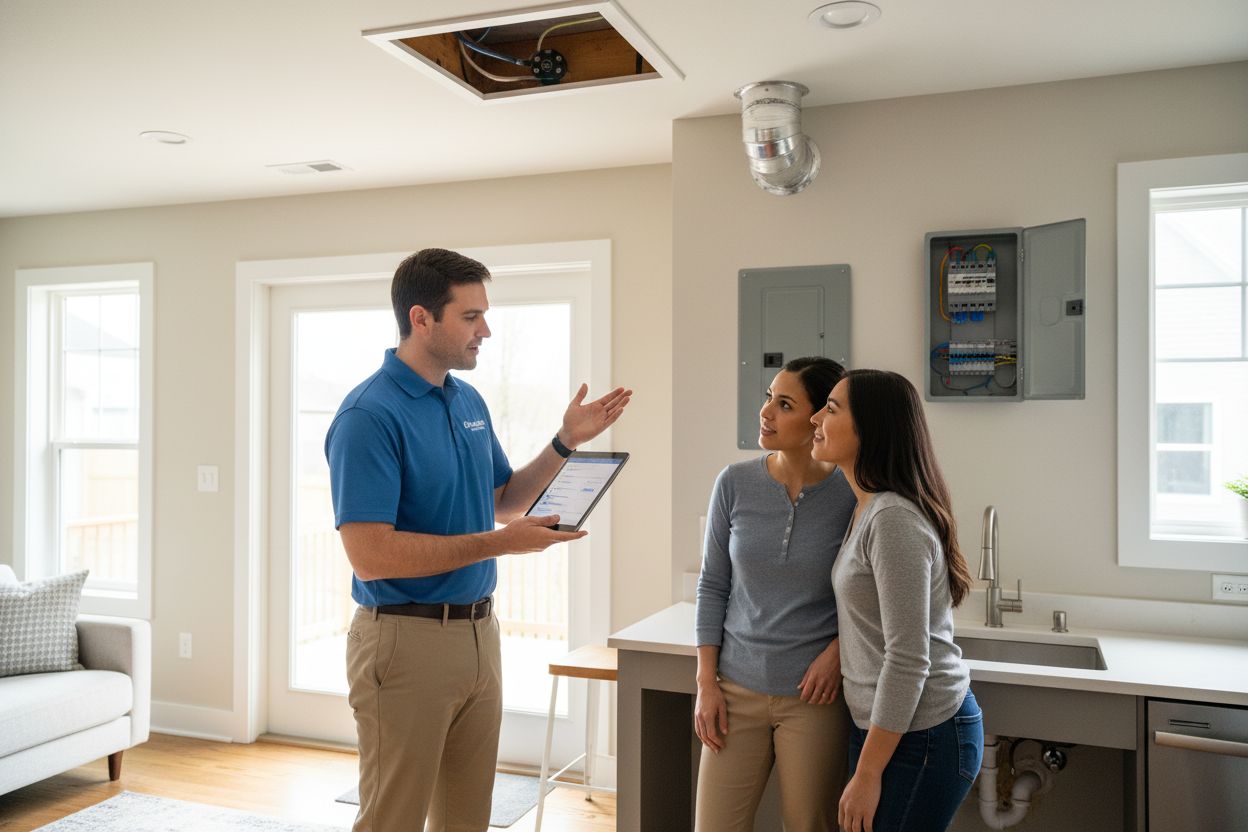
Did you know that unexpected home repairs can cost new homeowners over $5,000 within the first year? Buying a house is one of the biggest decisions you will ever make, and hidden issues can turn your investment upside down. A detailed inspection process helps you spot defects early, making it possible to avoid costly surprises and keep your family safe. With the right inspections, you gain peace of mind and confidence in your future home.
Quick Summary
Takeaway | Explanation |
1. Schedule a standard home inspection. | This evaluates the home’s safety, revealing critical issues before purchase. |
2. Invest in a termite and pest inspection. | Identify hidden infestations that could cause expensive structural damage. |
3. Conduct a thorough roof inspection. | Assess the roof for damages that could lead to costly repairs later. |
4. Ensure a complete electrical system inspection. | Detect potential safety hazards, ensuring compliance with current standards. |
5. Perform a plumbing inspection to find leaks. | Identify hidden plumbing issues that may lead to significant water damage. |
Table of Contents
1. Standard Home Inspection for Overall Safety
A standard home inspection is your first line of defense when purchasing a property. This comprehensive evaluation reveals critical details about the home’s structural integrity and potential safety risks before you invest your hard earned money.
When you schedule a standard home inspection, professional inspectors conduct a thorough assessment of both the interior and exterior systems. According to Investopedia, this includes examining key areas such as roof, foundation, plumbing, electrical systems, and HVAC. Their goal is to uncover any major defects that could compromise your safety or require expensive future repairs.
The typical home inspection costs between $300 and $500—a small price compared to potential repair costs. During the inspection, professionals will meticulously document the property’s condition, providing you with a detailed report that becomes a powerful negotiation tool. You can use these findings to:
Request repairs from the current homeowner
Negotiate price reductions
Obtain credits for closing costs
Potentially withdraw from the purchase if significant issues are discovered
Read our comprehensive guide on home inspection basics to understand exactly what inspectors look for and how this process protects your investment. Remember that a standard home inspection is not just a formality—it is your critical opportunity to understand the true condition of your potential new home before making one of the largest financial decisions of your life.
2. Termite and Pest Inspection to Prevent Damage
When purchasing a home, termites can transform your dream property into a potential nightmare. These tiny wood destroying insects silently undermine your home’s structural integrity, creating catastrophic damage that often goes unnoticed until it is too late.
According to the Pest World Organization, termites cause an astonishing over $5 billion in property damage annually across the United States. Most concerning is their ability to remain completely undetected for years, eating away at wooden structures while homeowners remain blissfully unaware.
A professional termite and pest inspection serves as your critical defense mechanism. Trained inspectors can identify subtle signs of infestation that would be invisible to untrained eyes. These experts meticulously examine:
Wooden structural elements
Foundation areas
Crawl spaces
Attic regions
External wooden structures
Learn more about home maintenance strategies to protect your investment. By investing in a comprehensive pest inspection before purchasing, you can potentially save thousands of dollars in future repair costs. Some mortgage lenders even require this inspection, recognizing its importance in protecting both the buyer and their investment.
3. Roof Inspection for Leak and Weather Risks
Your roof is more than just a cover over your head—it is your home’s primary defense against weather and environmental damage. Understanding the critical nature of a professional roof inspection can save you thousands in potential repair costs.
According to Redfin, a comprehensive roof inspection typically ranges from $125 to $360 and is strongly recommended every five years after a roof reaches 10 years old. Real estate experts consider roof issues among the Big 4 red flags that can dramatically impact a property’s value and safety.
During a professional roof inspection, trained experts will meticulously examine:
Shingle condition and potential missing pieces
Signs of granule loss
Evidence of water damage or leaks
Structural integrity of roof decking
Potential areas of weakness or future failure points
Check out our Gulf Coast Hurricane Preparedness Guide to understand how roof inspections become even more critical in regions prone to severe weather. By investing in a thorough roof inspection before purchasing a home, you protect yourself from unexpected repair costs and ensure your future home can withstand local environmental challenges. Remember that what seems like a minor roof issue today could transform into a major structural problem tomorrow.
4. Electrical System Inspection for Home Safety
Electrical systems are the hidden lifelines of your home—and potential sources of serious safety risks if not properly maintained. A comprehensive electrical system inspection can mean the difference between a safe living environment and a potential fire hazard.
According to housing experts, faulty or outdated electrical wiring ranks among the most critical red flags when purchasing a home. Symptoms like flickering lights or non code compliant wiring can signal deeper problems that compromise your family’s safety. Learn about specific electrical panel dangers that professional inspectors are trained to identify.
A thorough electrical inspection will evaluate several key components:
Electrical panel condition and age
Wiring type and potential obsolescence
Grounding and circuit integrity
Presence of potential fire hazards
Compliance with current safety codes
Especially critical is identifying older wiring systems like knob and tube wiring, which can create significant insurance and mortgage challenges. Some insurance companies may refuse coverage or demand expensive upgrades for homes with outdated electrical infrastructure. By investing in a professional electrical system inspection, you protect yourself from unexpected repair costs and ensure your new home meets modern safety standards.
5. Plumbing Inspection to Avoid Water Issues
Water can be both a home’s lifeline and its most destructive enemy. A comprehensive plumbing inspection serves as your critical defense against potential water damage that could transform your dream home into a costly nightmare.
Leaky plumbing represents a major red flag for home buyers. According to housing experts, water stains or musty odors can indicate hidden damage that might not be immediately visible. These seemingly minor signs could signal significant underlying issues that require immediate attention.
A professional plumbing inspection will thoroughly examine:
Pipe conditions and potential corrosion
Water pressure and flow rates
Potential leak points
Septic system functionality
Drainage system integrity
Learn more about specialized sewer scope inspections to understand the depth of potential underground plumbing risks. Foundation level leaks can be particularly expensive, potentially costing thousands in repairs if not detected early. By investing in a comprehensive plumbing inspection, you protect yourself from unexpected water damage and ensure your new home remains structurally sound and moisture free.
6. HVAC System Inspection for Comfort and Cost
Your home’s heating and cooling system is more than just a temperature control mechanism—it is a complex network that significantly impacts your comfort, health, and financial well being. A specialized HVAC inspection can reveal critical insights that standard home inspections might completely miss.
According to industry experts, general home inspections often provide only a surface level evaluation of HVAC systems. Specialized inspectors can detect hidden issues like cracked heat exchangers, inefficient components, and potential refrigerant problems that could cost thousands in future repairs. Check out our HVAC maintenance guide to understand the intricacies of system care.
A comprehensive HVAC inspection will systematically assess:
Overall system performance and efficiency
Potential safety hazards
Age and condition of major components
Refrigerant levels and potential leaks
Electrical connections and system controls
Regular HVAC inspections offer multiple benefits beyond immediate problem detection. They improve energy efficiency, reduce long term operational costs, extend your system’s lifespan, and most importantly, ensure your family’s safety by catching potential gas leaks or carbon monoxide risks before they become life threatening emergencies.
7. Foundation and Structural Inspection for Stability
The foundation is quite literally the bedrock of your home—a critical component that supports everything above it. A seemingly minor foundation issue can escalate into a catastrophic and expensive problem if left undetected.
According to housing experts, foundation problems represent one of the most serious issues a homebuyer can encounter. These challenges require expert evaluation to prevent dangerous and potentially irreversible structural damage. Learn more about our specialized home engineering certifications to understand the depth of expertise required for thorough structural assessments.
A comprehensive foundation and structural inspection will carefully evaluate:
Visible foundation cracks and shifts
Signs of water damage or moisture intrusion
Floor and wall levelness
Potential soil erosion or settlement issues
Structural integrity of load bearing elements
Structural engineers perform detailed assessments that go beyond standard home inspections. They use specialized tools and techniques to detect subtle signs of movement or stress that could compromise your home’s long term stability. By investing in a thorough foundation inspection, you protect yourself from potential repair costs that could range from thousands to tens of thousands of dollars.
Below is a comprehensive table summarizing the key inspections and their importance when purchasing a home as discussed throughout the article.
Inspection Type | Key Components Evaluated | Benefits/Outcomes |
Standard Home Inspection | Roof, foundation, plumbing, electrical systems, HVAC | Identifies major defects, negotiation tool for repairs or price reduction |
Termite & Pest Inspection | Wooden structural elements, foundations, attics, external wood structures | Detects hidden infestations, prevents structural damage |
Roof Inspection | Shingle condition, water damage, structural integrity | Prevents weather and leak risks, significant cost savings in repairs |
Electrical System Inspection | Electrical panel, wiring, grounding, fire hazards | Ensures home safety, identifies outdated systems, compliance with safety codes |
Plumbing Inspection | Pipe conditions, water pressure, leaks, septic and drainage systems | Prevents water damage, maintains moisture control, reduces repair costs |
HVAC Inspection | System performance, safety hazards, component condition, refrigerant levels | Enhances efficiency, reduces costs, improves safety and lifespan |
Foundation & Structural Inspection | Foundation cracks, moisture damage, soil erosion, structural integrity | Prevents stability issues, protects long-term investment |
Take the Worry Out of Your Home Purchase with Trusted Local Inspections
Buying a home is a major decision that comes with real risks. As outlined in the article, hidden issues in a property’s roof, plumbing, electrical, or foundation can lead to expensive repairs and bring stress or regret instead of security. Many buyers worry about missing key problems during the inspection period. At Trinity Home Inspections, we understand how overwhelming the process feels, especially along the Gulf Coast of Alabama where weather, termites, and age can quickly affect your investment.
Our team specializes in every type of inspection mentioned in 7 Essential Types of Home Inspections Every Buyer Needs, delivering thorough reports and dependable advice. We know what matters most to local families. Book your inspection with Trinity Home Inspections today and claim your peace of mind. Don’t wait until a small oversight turns into a costly mistake. Visit our site now to start your journey to a safe and confident home purchase.
Frequently Asked Questions
What is a standard home inspection and what does it entail?
A standard home inspection is a comprehensive evaluation of a property’s structural integrity and potential safety risks. Schedule an inspection to have experts assess key areas, such as the roof, foundation, plumbing, and electrical systems, before finalizing your purchase.
How can I use the findings from a home inspection for negotiation?
The findings from a home inspection can serve as a powerful negotiation tool. Use the detailed report to request repairs from the current homeowner, negotiate price reductions, or ask for credits towards closing costs to ensure you get a fair deal.
Why is a termite inspection critical before buying a home?
A termite inspection is crucial as termites can cause significant hidden damage to wooden structures. Book this inspection to identify any signs of termite activity and prevent costly repairs that could arise due to unnoticed infestations.
What should I expect during a roof inspection?
During a roof inspection, professionals will evaluate the condition of shingles, check for leaks, and assess the roof’s structural integrity. Arrange for this inspection every five years once the roof reaches ten years old to capture any emerging issues early on.
How can I ensure my home’s electrical system is safe and up to code?
To ensure your home’s electrical system is safe and compliant, schedule a professional electrical inspection. Have them evaluate the condition and age of the wiring, including identifying any outdated or potentially hazardous systems, particularly before moving in.
What are the benefits of having a plumbing inspection conducted?
A plumbing inspection helps identify potential leaks and water damage that could lead to significant expenses if not addressed. Contact a professional to assess pipe conditions and evaluate the integrity of your home’s plumbing system before you finalize your purchase.
Recommended

