
Complete Guide to Comprehensive Home Inspections

Updated: Nov 2, 2025

Did you know that about 88 percent of buyers use home inspections to uncover hidden issues before purchasing a property? The stakes are high when every detail can impact your investment and peace of mind. With so much riding on the results, understanding what sets a truly thorough inspection apart can help you avoid costly surprises and choose a home with confidence.
Table of Contents
Key Takeaways
Point | Details |
Comprehensive Inspection Importance | A thorough home inspection provides essential insights into a property’s condition, helping buyers make informed decisions. |
Types of Inspections | Various inspections (e.g., radon, mold, foundation) target specific issues, complementing standard evaluations. |
Common Issues Identified | Typical findings include structural defects, system malfunctions, and safety hazards that need careful consideration. |
Selecting a Qualified Inspector | Choosing a certified home inspector with local expertise ensures a reliable evaluation of the property. |
What Defines a Comprehensive Inspection?
A comprehensive home inspection is a systematic, non-invasive examination of a property’s overall condition and critical systems. According to HUD Exchange, this professional assessment is typically performed during real estate transactions and provides potential buyers with essential insights into a home’s current state and potential issues.
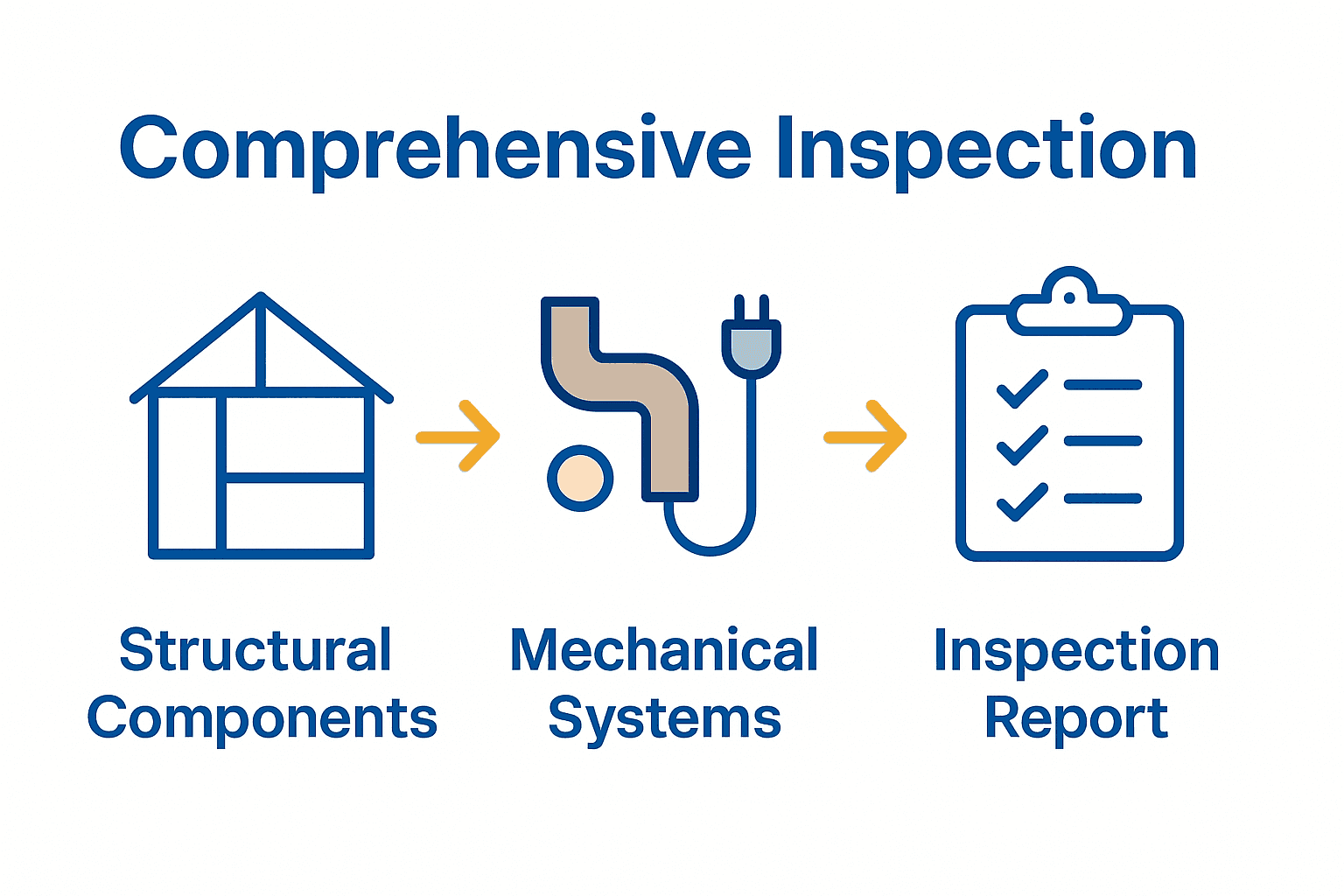
The inspection covers multiple aspects of the property, focusing on visual evaluations of key structural and functional components. As ATI Home Inspector Training explains, a thorough inspection typically encompasses:
Structural assessment: Foundation, walls, roof integrity
Mechanical systems: Electrical, plumbing, heating and cooling
Built-in appliances: Checking functionality and condition
General property condition: Identifying potential repair needs
During the inspection, trained professionals perform a detailed yet non-invasive review. Inspectors recommend that potential buyers accompany them during the process, allowing direct explanation of findings and context for their written report. The primary goal is not to guarantee future performance but to provide a comprehensive snapshot of the property’s current condition, empowering buyers to make informed real estate decisions.
Types of Home Inspections Explained
Home inspections are not a one-size-fits-all process. As NerdWallet explains, the type of inspection needed can vary significantly depending on the property’s age, location, and specific condition. These specialized assessments help potential buyers understand the comprehensive health of a potential home.
The most common types of home inspections include:
Here’s a comparison of the most common home inspection types and what they evaluate:
Inspection Type | Main Focus | Typical Findings |
Standard Home Inspection | Overall property condition | Structural issues System malfunctions |
Radon Testing | Radioactive gas levels | Elevated radon concentration |
Termite Inspection | Wood-destroying insects | Termite damage Infestations |
Mold Inspection | Mold presence and growth | Health hazards Moisture issues |
Foundation Inspection | Structural integrity of foundation | Cracks Uneven settling |
Specialized Inspections | HVAC, electrical, lead paint checks | System deficiencies Safety concerns |
Standard Home Inspection: Comprehensive overview of the property’s condition
Radon Testing: Checking for dangerous radioactive gas levels
Termite Inspection: Identifying wood-destroying insect damage
Mold Inspection: Detecting potential health hazards and structural risks
Foundation Inspection: Assessing the structural integrity of the home’s base
Additionally, Angi highlights specialized assessments that target specific home components and potential hazards. These focused inspections might include HVAC system evaluations, electrical system checks, and lead-based paint assessments. While a standard inspection provides a broad overview, these targeted examinations offer deep insights into particular aspects of a property, helping buyers make more informed decisions about their potential investment.
For a deeper understanding of these inspection types, check out our guide on essential home inspection types.
Key Components of a Complete Inspection
Home inspections are comprehensive evaluations that go far beyond a simple walkthrough. According to ATI Home Inspector Training, a complete inspection meticulously examines multiple critical systems and structural elements of a property to provide a detailed assessment of its overall condition.
The key components of a thorough home inspection typically include:
Exterior Assessment: Siding, foundation, grading, drainage
Roof Inspection: Shingle condition, potential leaks, structural integrity
Electrical Systems: Wiring, panel, outlets, and potential hazards
Plumbing Evaluation: Pipes, water pressure, potential leaks
HVAC Systems: Heating, cooling, and ventilation functionality
Interior Spaces: Walls, ceilings, floors, windows, and doors
MoneyGeek emphasizes that these comprehensive evaluations provide potential buyers with critical insights into the property’s condition. Each component is carefully examined to identify existing issues, potential repair needs, and areas that might require future maintenance.
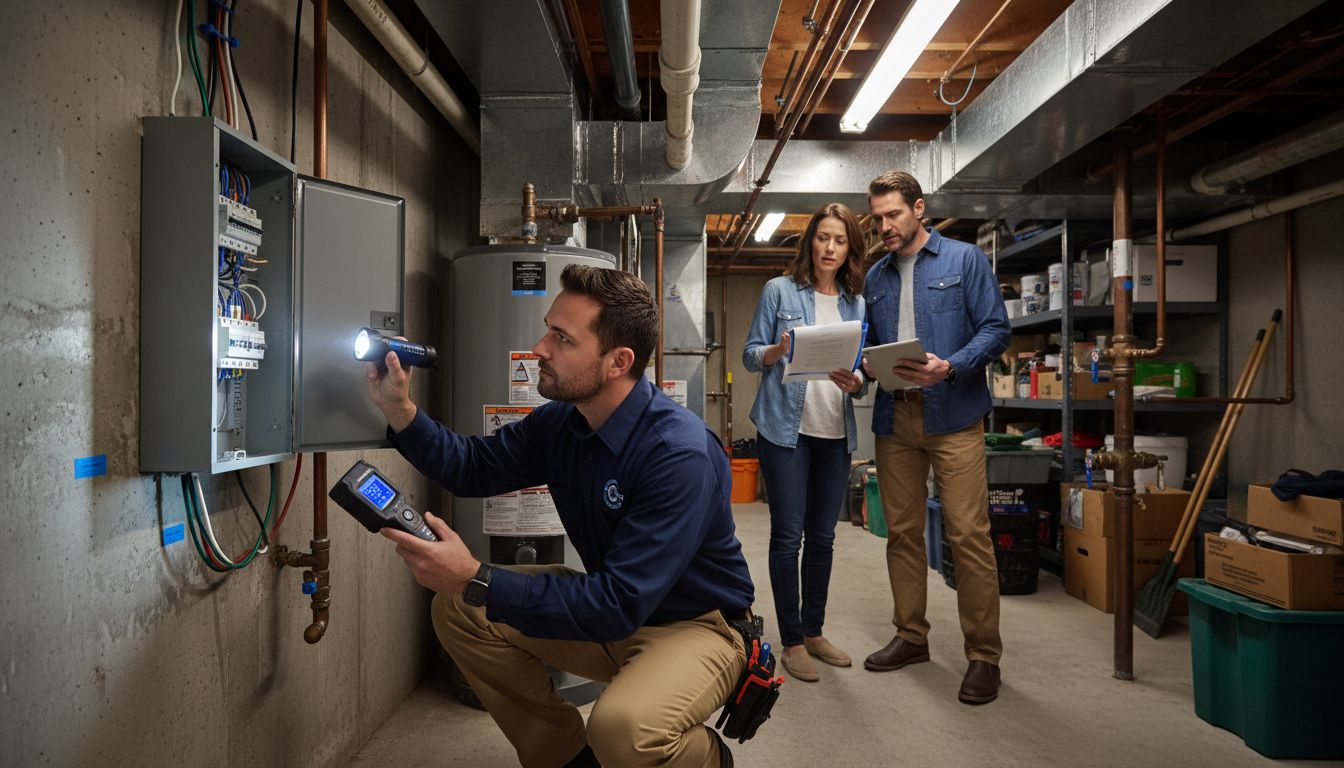
The goal is to give buyers a transparent, detailed understanding of the home’s current state, helping them make informed decisions about their potential investment.
To gain more in-depth insights into what a comprehensive inspection entails, check out our guide on what a home inspection consists of.
Inspection Standards and Legal Requirements in Alabama
Home inspections in Alabama are not a casual undertaking but a regulated professional service with specific legal standards. According to the Alabama Home Inspectors Board (AHIB), home inspectors must follow rigorous guidelines that ensure comprehensive and reliable property assessments for residents across the Gulf Coast region.
The legal framework for home inspections in Alabama encompasses several critical requirements:
Mandatory Licensing: All home inspectors must be officially licensed
Standardized Evaluation Protocols: Specific guidelines for assessing property systems
Comprehensive Inspection Scope: Required examination of:
Structural components
Roofing systems
Plumbing infrastructure
Electrical systems
HVAC functionality
Professional home inspectors in Alabama are obligated to provide detailed, objective evaluations that protect potential buyers and homeowners. This means going beyond surface-level observations to deliver thorough, scientifically-grounded assessments of a property’s condition. The goal is not just compliance, but ensuring that every inspection provides genuine value and insight to clients.
For more insights into navigating home inspections in Alabama, check out our guide on home inspection best practices for Alabama buyers.
Common Issues Found and How to Address Them
Home inspections reveal critical insights that can save homeowners significant time and money. According to NerdWallet, several common issues frequently emerge during property assessments that require careful attention and strategic resolution.
The most prevalent problems discovered during home inspections typically include:
Structural Defects:
Foundation cracks
Uneven settling
Roof damage
System Malfunctions:
Outdated electrical wiring
Plumbing leaks
HVAC system inefficiencies
Potential Safety Hazards:
Electrical code violations
Improper ventilation
Water damage indicators
MoneyGeek emphasizes that addressing these issues requires a nuanced approach. Solutions range from simple repairs to comprehensive renovations, depending on the severity and potential long-term impact. Homeowners should prioritize issues based on safety concerns, structural integrity, and potential future repair costs.
Professional consultation with specialists can help determine the most cost-effective and appropriate resolution strategy.
For comprehensive guidance on handling inspection findings, explore our guide on home maintenance for Alabama properties.
Choosing the Right Inspector in the Gulf Coast
Home inspections are critical investments in your property journey, and selecting the right inspector can make all the difference. According to the American Society of Home Inspectors (ASHI), choosing a certified professional ensures you receive a comprehensive and reliable assessment of your potential home in the Gulf Coast region.
Key criteria for selecting a top-quality home inspector include:
Professional Certification:
Active membership in recognized associations
Current professional credentials
Ongoing training and education
Local Experience:
Familiarity with Gulf Coast building styles
Understanding regional environmental challenges
Knowledge of local construction standards
Comprehensive Evaluation Skills:
Detailed reporting capabilities
Technical expertise across multiple systems
Clear communication of findings
International Association of Certified Home Inspectors (InterNACHI) emphasizes the importance of selecting an inspector who not only meets technical standards but also demonstrates ethical practice and commitment to professional excellence. The right inspector will provide more than just a report - they’ll offer insights, answer questions, and help you make an informed decision about your property investment.
For more specific guidance, explore our tips for selecting a home inspector in the Gulf Coast region.
Take the Next Step Toward a Confident Home Purchase
Understanding the many details involved in a comprehensive home inspection can be overwhelming. The article highlights key challenges like uncovering hidden structural problems and navigating specialized inspections such as radon or termite checks. These are exactly the concerns that buyers and sellers face when aiming to protect their investment and ensure safety. You deserve clear, trustworthy insights that give you peace of mind about your property’s condition.
At Trinity Home Inspections, we specialize in providing detailed, reliable evaluations right here in the Gulf Coast region. Led by Matt Cameron, our team combines deep local knowledge with a commitment to integrity and excellence. If you want thorough reports that explain every issue clearly and help you make informed decisions, start today by visiting our homepage. For a deeper look at what a home inspection consists of or to learn about home inspection best practices for Alabama buyers we have the resources that guide you every step of the way.
Get the comprehensive, trustworthy inspection service you need to move forward with confidence. Contact Trinity Home Inspections now and protect your biggest investment with knowledge and care.
Frequently Asked Questions
What is included in a comprehensive home inspection?
A comprehensive home inspection typically includes a structural assessment, evaluation of mechanical systems (like electrical, plumbing, heating, and cooling), functionality of built-in appliances, and an overall analysis of the property’s condition.
Why is it important to accompany the inspector during a home inspection?
Accompanying the inspector during the home inspection allows potential buyers to gain immediate insights into findings and better understand the context of various issues through direct explanations from the inspector.
What are the most common issues found during home inspections?
Common issues found during home inspections include structural defects (like foundation cracks), system malfunctions (such as plumbing leaks or outdated wiring), and potential safety hazards (including electrical code violations and improper ventilation).
How can I choose the right home inspector?
To choose the right home inspector, look for professional certification, local experience with building styles, and comprehensive evaluation skills. It’s important to select someone who provides thorough reporting and communicates findings clearly.
Recommended

