
First Time Homeowner Advice: Getting It Right in Alabama

Updated: Sep 17
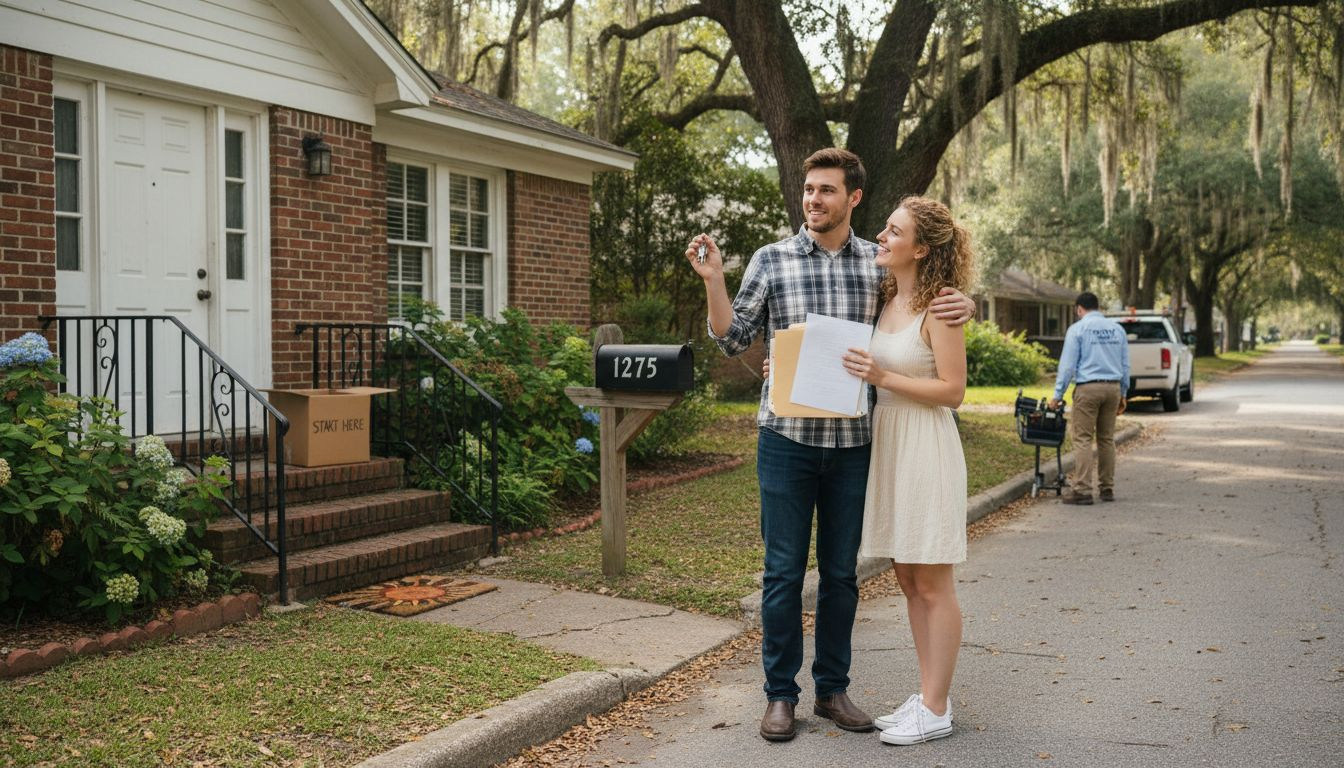
Finding your first home in Baldwin or Mobile County can feel overwhelming, especially with home prices and borrowing costs rising steadily in Alabama. Homeownership means much more than picking paint colors—it is the largest financial step most American families ever make, bringing both the potential for wealth and unexpected costs. This guide highlights expert advice, state-regulated inspection requirements, and practical tips to help you avoid costly surprises and buy with confidence.
First Time Home Buyer Advice Table of Contents
Key Takeaways
Point | Details |
Significant Financial Commitment | First-time homeownership is often the largest financial obligation and requires a shift in how you manage money and responsibilities. |
Budget for All Costs | Homeowners should budget beyond the mortgage to include property taxes, insurance, and maintenance to avoid financial strain. |
Importance of Home Inspections | Conducting a thorough home inspection is crucial to uncover potential issues and negotiate repairs or price adjustments before closing. |
Understand Mortgage Options | First-time buyers should compare mortgage offers carefully and understand terms to secure the best financial deal available. |
What First Time Homeownership Really Means
Homeownership is not just buying a house. It’s a fundamental shift in how you think about money, responsibility, and your future. For first-time buyers in Alabama, it represents the single largest financial commitment most people will ever make. Unlike renting, where your monthly payment stays relatively stable and a landlord handles repairs, homeownership puts you in control—and in the line of financial obligation—for every decision about that property.
First-time homeownership means accepting both significant wealth-building potential and immediate financial pressure. Rising home prices and higher borrowing costs have made homeownership less affordable for many households, meaning you’ll likely spend a larger percentage of your income on housing than previous generations did. But here’s what makes it worthwhile: homeownership remains one of the most reliable paths to wealth accumulation and long-term financial stability for American families. Every mortgage payment builds equity. Over time, your home becomes an asset that can appreciate, provide security for loans, and ultimately transfer generational wealth.
Yet the financial reality extends beyond the purchase price. You’re now responsible for property taxes, insurance, maintenance, repairs, utilities, and potentially homeowners association fees. A roof replacement can cost $8,000 to $15,000. A failing HVAC system runs $5,000 to $10,000. These aren’t theoretical scenarios—they’re real expenses that occur when you own property. This is why understanding the true condition of your home before closing is critical. First-time homebuyer inspection steps guide you through what to expect and help you identify potential costs before you sign the deed.
Beyond finances, homeownership changes your relationship with community. You have skin in the game. You vote on school board issues because your home’s value depends on neighborhood quality. You invest in your yard, your home’s appearance, and the block you live on. You stay longer, which deepens connections and creates stability. For many families, this sense of permanence and ownership is worth every penny of the financial commitment.
Here’s a summary of common additional costs first-time Alabama homeowners should budget for:
Cost Type | Typical Annual Range | Purpose |
Property Taxes | $1,500 - $2,500 | Local government funding |
Homeowner’s Insurance | $800 - $2,000 | Protection against disasters |
HOA Fees | $300 - $1,200 | Community maintenance/help |
Utilities | $2,400 - $4,800 | Water, electricity, gas bills |
Home Maintenance Fund | 1% of home price yearly | Unexpected repairs/updates |
Pro tip: Before you start house hunting, get pre-approved for a mortgage and set aside a separate “home maintenance fund” equal to 1 percent of your purchase price annually—this safety net prevents financial shock when repairs inevitably happen.
Navigating Home Inspections in Alabama
A home inspection is your best defense against buying a property with hidden problems. In Alabama, home inspections are regulated to protect buyers, but understanding how the system works puts you in control. The process starts with knowing what you’re actually getting. Licensed inspectors must complete approved education and pass the National Home Inspector Examination to legally operate in the state. This means when you hire an inspector, you’re working with someone who has met specific qualifications and adheres to state standards. But here’s the catch: not all inspectors are created equal. Some go above and beyond the minimum requirements, while others simply check boxes. This is where your due diligence matters.
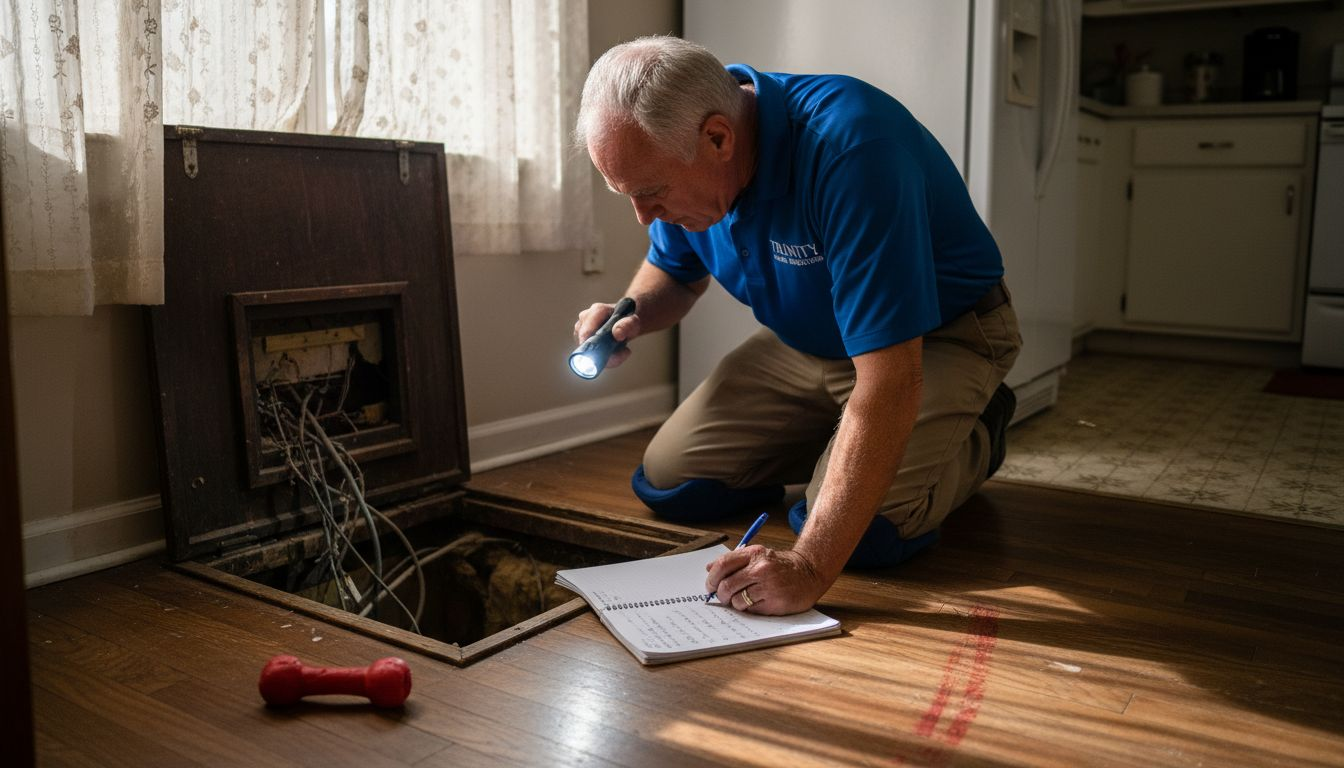
Alabama’s regulatory framework, overseen by the Alabama Real Estate Commission, sets baseline standards for how inspections must be conducted and what disclosures are required. These regulations exist to safeguard your interests throughout the purchase process. When you’re evaluating inspectors, ask whether they attend their inspection in person, walk the roof, test every outlet and switch, and provide same-day reports with photos and video. Many first-time buyers don’t realize they can attend the inspection themselves, which is a powerful way to learn about your home directly from the professional examining it. Trinity Home Inspections welcomes clients at every inspection because transparency builds trust and ensures you understand what you’re buying.
The inspection report is your roadmap for decision-making. After the inspection, you’ll receive documentation detailing the home’s condition, broken down by urgency. Some items are safety concerns that need immediate attention. Others are maintenance items that can wait or be addressed gradually. A quality report uses clear language, not jargon, and organizes findings so you can quickly identify what matters most. When you understand your home’s true condition through inspection best practices, you gain leverage in negotiations and can budget for repairs with confidence. This transforms the inspection from a fear-based box-checking exercise into a practical tool for making an informed decision.
Timing matters too. In Alabama, inspections typically happen during the “due diligence” period, which is usually 10 days from contract acceptance. Use this window strategically. If the inspection uncovers significant issues, you can renegotiate the price, request repairs from the seller, or walk away entirely. Many first-time buyers don’t realize they have this power because they haven’t understood what the inspection report actually means. This is why working with an inspector who explains findings clearly and offers post-inspection support makes all the difference.
Pro tip: Attend your home inspection in person and bring a notebook to jot down questions, then ask your inspector to explain anything you don’t understand before they leave the property.
Key Features of Professional Inspections
A professional home inspection differs from a casual walkthrough because it follows standardized protocols and uses specialized tools to uncover issues you cannot see with your eyes alone. In Alabama, licensed inspectors must complete education, experience, and examination requirements to legally operate. This qualification matters because it means your inspector has studied building science, understands how systems interact, and knows what questions to ask when something looks off. Professional inspections are methodical, documented, and unbiased. Unlike real estate agents or sellers, your inspector has no financial stake in whether you buy the property. Their job is to tell you the truth about what they find.
What actually gets inspected? Thorough evaluations cover structural systems, plumbing, electrical, heating and cooling, roofing, and other essential home components. But professional inspections go deeper than the checklist. A qualified inspector tests every outlet and switch you can access, not just a representative sample. They walk your roof when it’s safe, or use drone technology to capture what you cannot see. They run water in every fixture and watch for drainage problems. They inspect the attic, crawlspace, and basement to spot moisture issues, inadequate insulation, or signs of pest damage. They check your HVAC system operation, water heater condition, and verify that safety devices like carbon monoxide detectors are functioning. This comprehensive approach reveals problems before they become expensive emergencies.
The tools matter as much as the training. Professional inspectors use thermal imaging cameras to spot insulation gaps and moisture without damaging walls. Moisture meters verify suspected leaks. Carbon monoxide detectors ensure your home isn’t silently poisoning your family. Gas leak detectors identify combustible gas hazards. Specialized cameras peer into spaces you cannot reach. Drones provide detailed roof documentation when access is unsafe or limited. These tools cost thousands of dollars, which is why professional inspectors invest in them. They also require certification to use safely and correctly. An inspector with a thermal camera but no training in reading thermal images is useless. When you hire a professional, you’re paying for both the equipment and the expertise to interpret what it reveals. Certified inspectors bring advantages including standardized training and ongoing education that ensure you receive consistent, reliable evaluations.
The final feature is the report itself. Professional inspections produce detailed documentation with photographs, video, and clear explanations organized by urgency. You receive findings the same day in many cases, not a week later. The report is organized so you can quickly identify safety concerns, major defects, and minor maintenance items. Plain English descriptions replace confusing jargon. Photos show exactly what the inspector found so you can understand the issue without being there. Videos capture things that shouldn’t move, sounds, or equipment operation. This comprehensive documentation becomes your reference guide for repairs, negotiations, and future maintenance planning.
The following table compares a casual walkthrough with a professional home inspection:
Aspect | Casual Walkthrough | Professional Inspection |
Level of Detail | Visual, surface-level | Comprehensive, inside systems |
Tools Used | None | Thermal cameras, moisture meters |
Report Quality | Not documented | Detailed, photos and urgency ranking |
Buyer Involvement | Observational only | Educational, direct interaction |
Pro tip: Request a sample inspection report from any inspector before hiring them so you can evaluate their clarity, organization, and level of detail.
Understanding Risks and Common Pitfalls
First-time homebuyers in Alabama face real financial risks that many don’t anticipate until it’s too late. The most dangerous pitfall is underestimating total costs. Most new buyers focus exclusively on the mortgage payment and ignore everything else. But homeownership involves closing costs, property taxes, homeowners insurance, HOA fees, utilities, and maintenance. Common mistakes include underestimating costs such as closing fees and ongoing maintenance, which can create financial strain quickly. A $300,000 home might carry $800 to $1,200 in monthly expenses beyond your mortgage payment. Factor in emergency repairs—a roof failure, water heater replacement, or foundation crack—and suddenly your budget collapses. The families who avoid this trap are the ones who calculated their true housing costs before making an offer, not after closing.
Another critical pitfall is rushing or skipping the home inspection entirely. Some buyers believe inspections are optional luxuries or they negotiate aggressively to reduce closing costs by skipping this step. This is backwards thinking. Skipping or rushing home inspections can lead to costly surprises, potentially costing tens of thousands in undiscovered damage. You might save $400 on an inspection and then spend $15,000 replacing a roof that was failing. Or worse, you discover structural problems after closing when you have no recourse. The inspection is your opportunity to walk away or renegotiate before your money is at risk. Once you own the home, every problem becomes your responsibility. Real estate agents sometimes pressure buyers to skip inspections to speed deals, but your agent’s timeline matters less than your financial security.
Third, many first-time buyers misunderstand mortgage terms and financing options. Some assume a 20 percent down payment is mandatory when it absolutely is not. Others accept higher interest rates because they don’t shop lenders carefully. Some fail to read their loan documents and don’t understand whether they’re getting an adjustable rate or fixed rate mortgage. Not fully understanding mortgage terms can lead to financial strain and regret. You might end up with a higher payment than necessary or face rate increases that make your home unaffordable. Spend time with a mortgage professional who explains options clearly. Ask questions until you understand exactly what you’re signing. Compare offers from multiple lenders. The difference between a good loan and a bad loan is often thousands of dollars over 30 years.
Finally, many buyers skip the professional inspection because they believe they can evaluate a home themselves or trust the seller’s word. This creates unnecessary risk. Your inspector serves as your advocate, identifying issues you cannot see or interpret. They catch problems during the negotiation window when you still have leverage.
Pro tip: Get pre-approved for a mortgage from multiple lenders, then use that competitive pressure to negotiate your best rate before you start house hunting.
Essential Steps Before You Close
Closing day feels like a finish line, but it’s actually the culmination of weeks of preparation that must happen correctly. The timeline from offer acceptance to closing typically spans 30 to 60 days, and each step matters. Understanding what happens during this window prevents last-minute surprises that could derail your purchase. The process starts with signing the purchase agreement, which is the legal document that binds both you and the seller to the transaction. Then comes earnest money, a good-faith deposit showing you’re serious about the purchase. Your real estate agent and attorney handle much of this, but you need to understand the timeline and respond quickly to any requests. Delays in your response can trigger delays in closing, which costs money and creates stress.
During the underwriting phase, your lender reviews your finances, credit, and employment to confirm you can afford the loan. Communication and timely responses to lender requests are crucial to avoid delays because mortgage companies move at their own pace and won’t wait for you. They’ll request documentation multiple times. You’ll verify employment, provide bank statements, and explain any unusual deposits. This is tedious, but it moves your file forward. Simultaneously, the title company conducts a title search to ensure the seller actually owns the property and no liens or claims exist against it. If problems emerge, they must be resolved before closing. You also need to schedule and complete your home inspection during this window, which is why inspection timing matters so much. The inspection typically happens within 7 to 10 days of contract acceptance, giving you time to review findings and renegotiate if needed.
Before closing arrives, confirm your readiness by understanding all costs involved. First-time homebuyers should review finances and understand all upfront and ongoing costs before closing day. This includes closing costs, which typically range from 2 percent to 5 percent of your purchase price. On a $300,000 home, that’s $6,000 to $15,000 due at closing. You’ll also need homeowner’s insurance in place before closing. Lenders require proof of coverage, so secure a quote and have your policy ready weeks before closing, not days. Schedule a final walkthrough of the property within 24 hours of closing to verify agreed-upon repairs were completed and nothing was removed. Read your closing disclosure document carefully. This document outlines every payment you’ll make, every fee, and every cost associated with your loan. If numbers don’t match what you discussed, ask questions immediately. Don’t let anyone pressure you to sign documents you don’t fully understand.
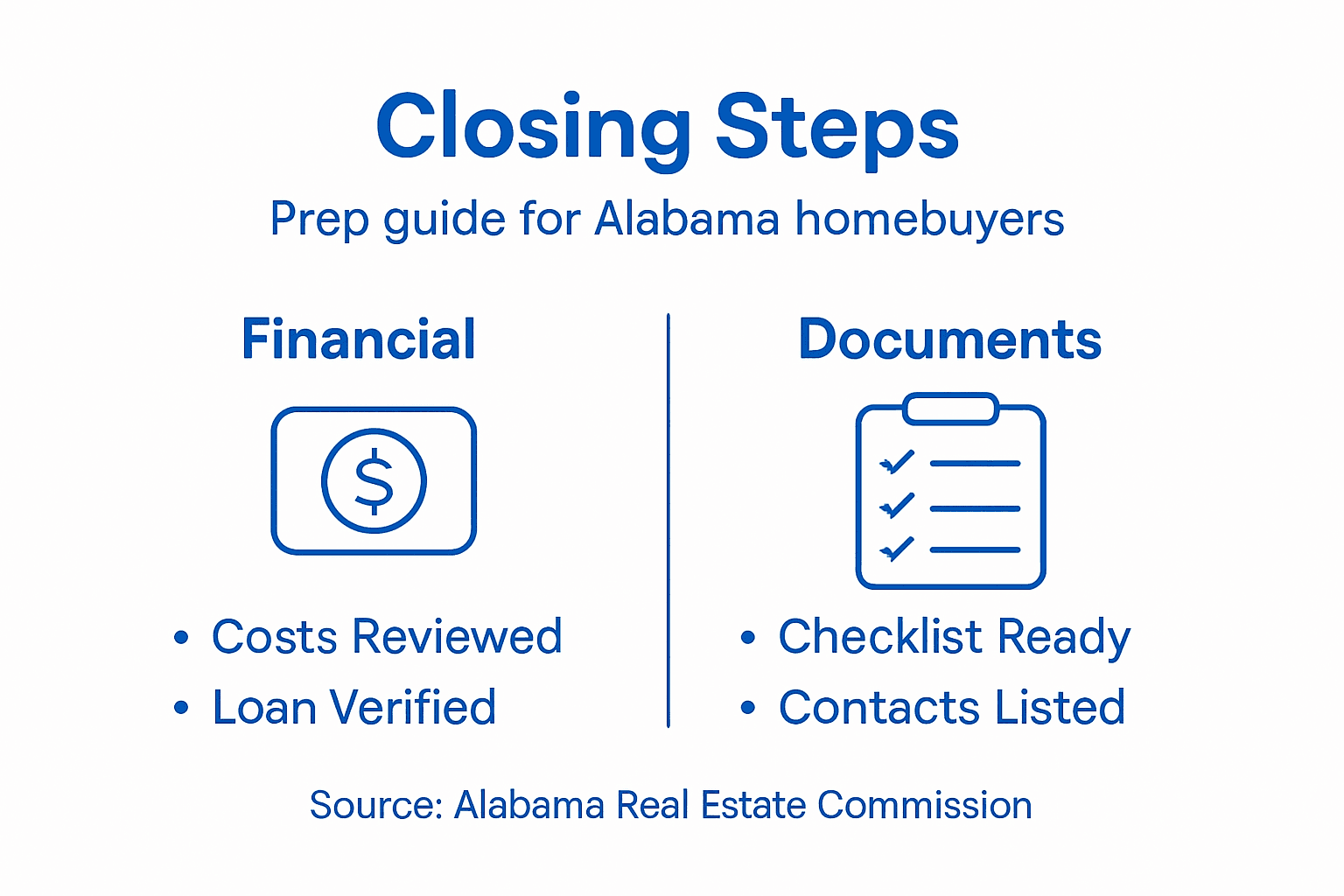
Pro tip: Create a closing checklist two weeks before closing day that includes all documents needed, lender contact information, title company details, and a confirmation that your homeowner’s insurance is active and proof is ready.
Take Control of Your First Home Purchase with Confidence
Buying your first home in Alabama comes with excitement and challenges. With rising costs and the responsibility of maintaining your investment, it is essential to have a trusted partner who brings clarity and expertise. Trinity Home Inspections understands the real financial and emotional impact of homeownership described in the article. We provide you with a detailed, same-day inspection report using advanced tools like thermal imaging and drones so you can avoid costly surprises and negotiate from a position of strength.
Don’t risk your largest investment without a thorough, professional inspection. Visit Trinity Home Inspections to schedule your InterNACHI-certified home inspection. We welcome you to attend in person to learn about your new home firsthand. Preparing ahead with the right inspection can save you thousands and bring peace of mind as you step confidently into homeownership. Learn more about our inspection best practices and why choosing a certified inspector matters for your future.
Frequently Asked Questions
What are the hidden costs of first-time homeownership?
Homeownership involves several costs beyond just the mortgage payment. First-time buyers should budget for property taxes, homeowners insurance, maintenance, utilities, and potential HOA fees. It’s essential to calculate these expenses to avoid financial strain.
How important is a home inspection for first-time buyers?
A home inspection is crucial as it helps identify hidden problems in a property before the purchase. It can prevent costly surprises and gives you leverage to negotiate repairs or pricing based on the inspector’s findings.
What should I look for in a home inspector?
When choosing a home inspector, ensure they are licensed and have good reviews. It’s beneficial if they provide same-day reports, walk through the property with you, and use specialized tools like thermal imaging and moisture meters to uncover potential issues.
How can I prepare financially before buying my first home?
Before buying, get pre-approved for a mortgage, and create a budget that includes all potential costs of homeownership. It’s wise to set aside a maintenance fund equal to 1% of the home price annually for unexpected repairs.
Recommended
Property Inspection Workflow: A Step-by-Step Guide for Alabama
7 Essential Home Inspection Best Practices for Alabama Buyers
Do You Plan To Buy Your First Home In 2018? - Mortgage Managers

