
How to Assess Property Value: Step-by-Step Guide for Alabama

Updated: Jan 23
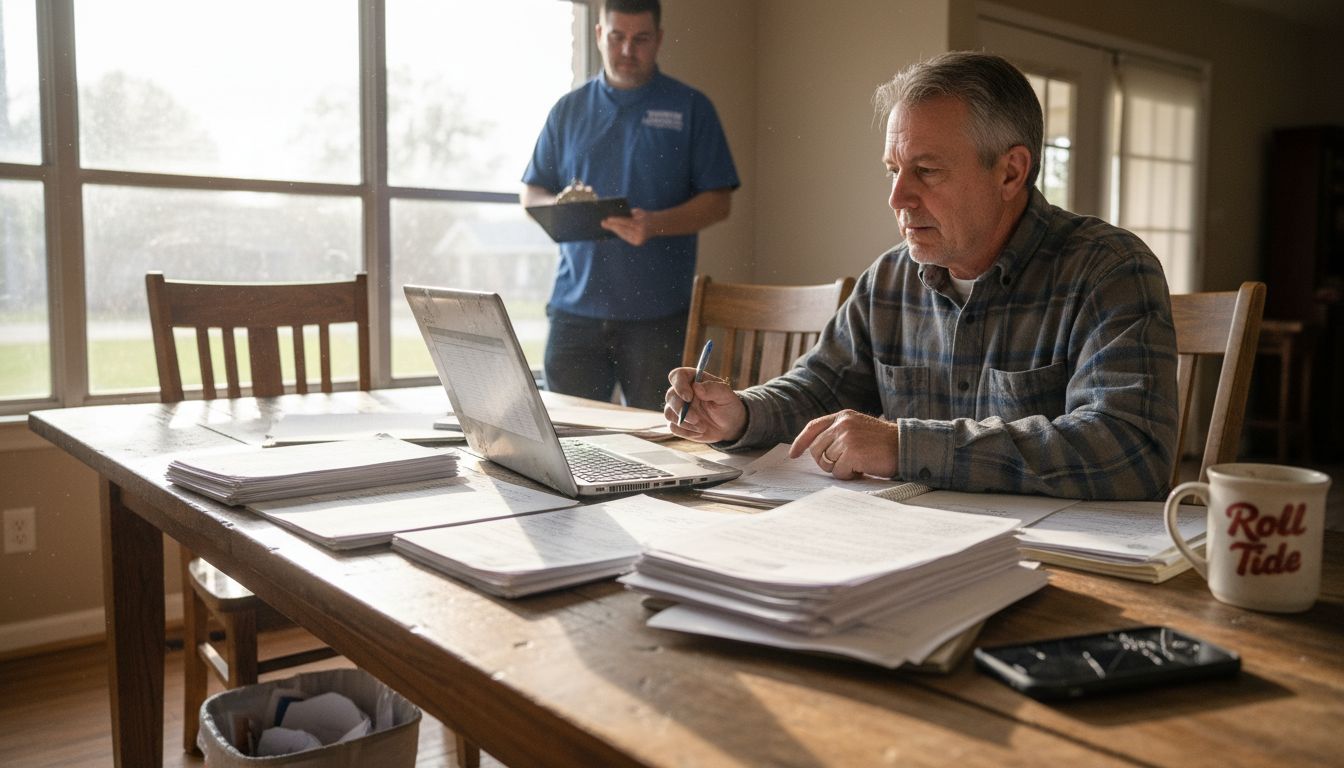
Nearly 60% of American homeowners admit they feel uncertain when it comes to accurately valuing their property. Real estate decisions hinge on more than just surface numbers, and a reliable assessment can protect you from costly mistakes. If you want clarity and confidence in your property’s true worth, you need practical steps that cut through the confusion and deliver results you can trust.
Table of Contents
Quick Summary
Key Takeaway | Explanation |
1. Gather Comprehensive Property Data | Compile detailed records including deeds, tax assessments, and property specifics to ensure accurate valuation. |
2. Analyze Comparable Home Sales | Identify recently sold homes similar to yours to establish a realistic market value through comparison. |
3. Inspect Property Condition Thoroughly | Conduct a complete inspection focusing on structural integrity and key features to accurately assess property value. |
4. Understand Local Market Dynamics | Research local trends like employment rates and development projects to gauge their impact on your property’s value. |
5. Consult Professional Appraisers | Seek insights from certified professionals who can provide detailed valuation methods to refine your understanding. |
Step 1: Gather Relevant Property Information
Assessing property value starts with collecting comprehensive information about the property. You’ll want to compile a detailed profile that includes everything from physical characteristics to legal documentation.
Begin by accessing official records from the Alabama Department of Revenue. These records provide crucial insights into land measurements, structure details, and historical tax assessments. Gather documents like property deeds, tax records, survey maps, and previous appraisal reports. Look for specifics such as total square footage, land acreage, number of rooms, construction year, and any significant improvements or renovations.
Pro tip: Check multiple sources to cross-verify information. Local county assessor offices, online property databases, and real estate websites can offer complementary details that might not appear in a single document. Accuracy matters. Slight discrepancies in property information can significantly impact your valuation, so be thorough and methodical in your research.
With your property information compiled, you’re ready to move on to analyzing comparative market data and understanding how these details translate into potential market value.
Step 2: Analyze Comparable Home Sales in Your Area
Comparing similar properties helps you pinpoint a realistic market value for your home. This critical step involves finding properties that closely match your home’s characteristics in location, size, and condition.
Begin by searching property valuation records for homes sold within the past 3 to 6 months in your immediate neighborhood. Focus on properties within a half mile radius that share similar features like square footage, number of bedrooms, lot size, and construction age. Online real estate platforms and county assessor websites can provide detailed sales data. Pay close attention to recent sale prices, adjusting for specific differences between the comparable homes and your property.
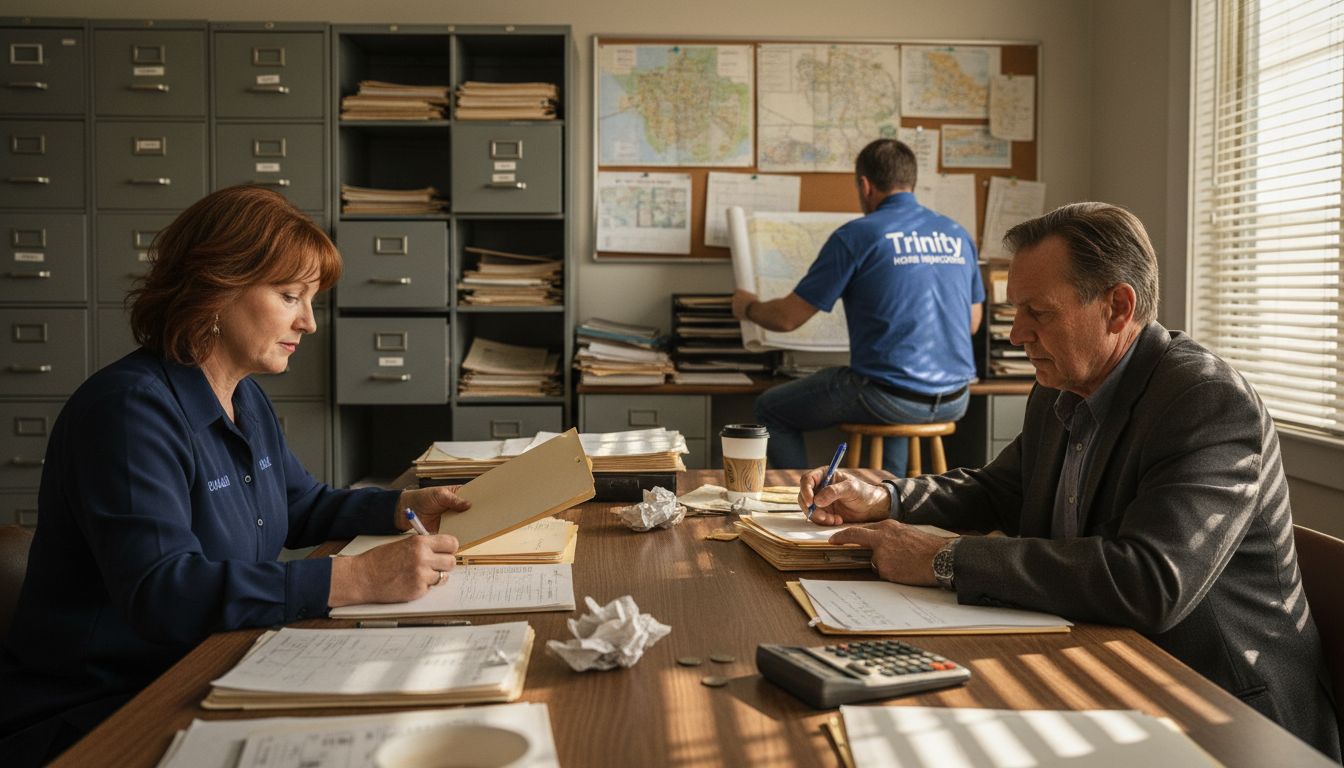
Pro tip: Not all comparable sales are created equal. Look beyond basic statistics and consider nuanced factors like renovations, property condition, and specific location advantages. A home one street over might have sold for significantly different prices based on subtle differences. Consider working with a local real estate professional who understands micro market dynamics and can help you interpret these comparative sales most accurately.
With a solid understanding of comparable sales, you’re ready to refine your property’s estimated market value and prepare for the next steps in the assessment process.
Step 3: Inspect the Property’s Condition and Features
Evaluating a property’s physical condition is crucial for accurately determining its market value. Your goal is to systematically assess every aspect of the property that could impact its overall worth.
Start by conducting a thorough visual inspection of both the interior and exterior. Detailed property assessments require careful examination of structural integrity, potential maintenance issues, and overall property condition. Walk through each room, checking for signs of water damage, structural cracks, outdated electrical systems, and the condition of key features like flooring, windows, and major appliances. Pay special attention to the roof, foundation, plumbing, and electrical systems these components can significantly influence property value.
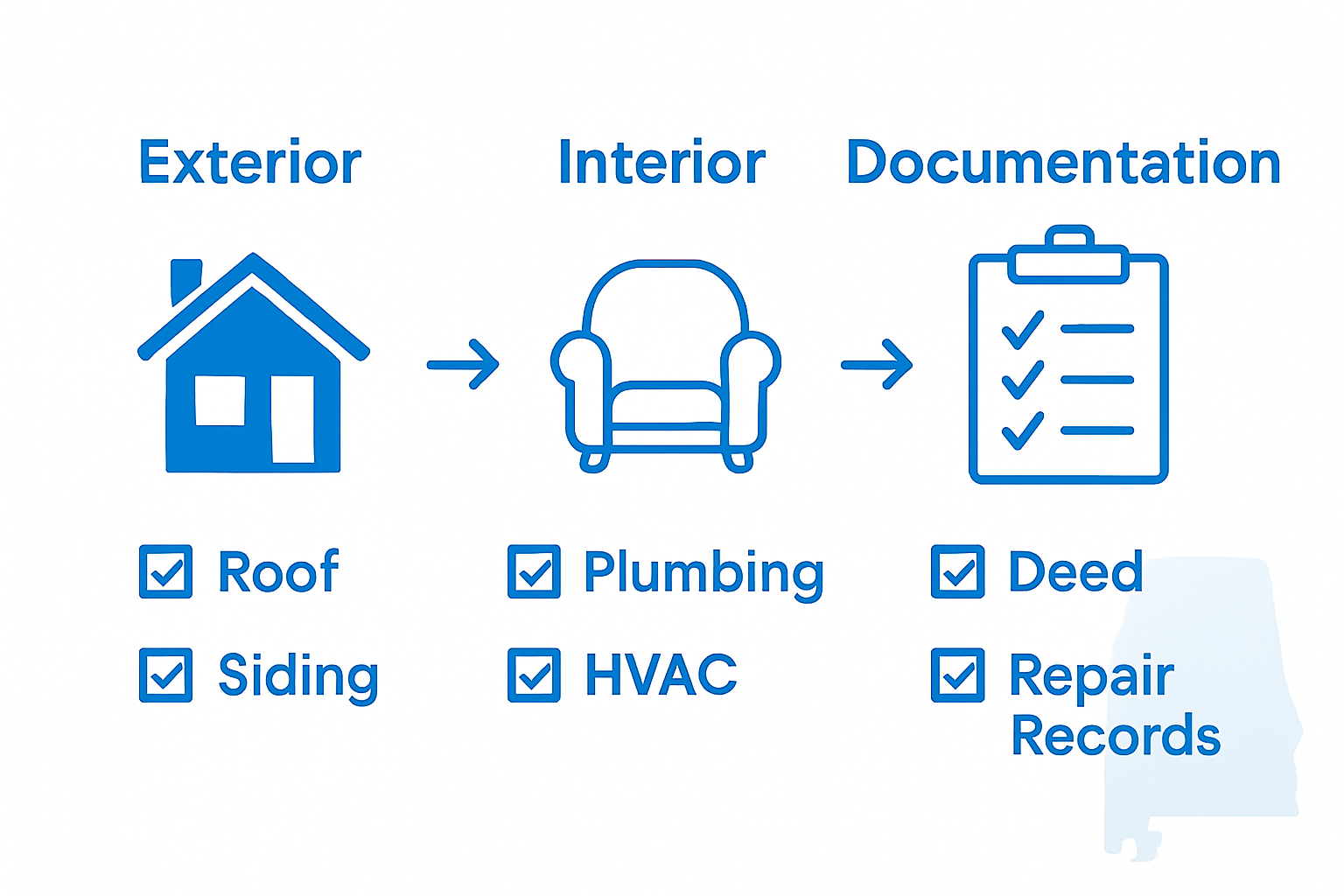
Pro tip: While a DIY inspection provides initial insights, consider hiring a professional home inspector who can identify hidden issues that might not be immediately apparent. Comprehensive home inspections can uncover potential problems that could impact your property valuation or future repair costs. Document everything with detailed notes and photographs to create a comprehensive record of the property’s current condition.
With a clear understanding of the property’s physical state, you’re now prepared to move forward with calculating its precise market value and understanding potential investment requirements.
Step 4: Evaluate Local Market Trends and Factors
Understanding local market dynamics is crucial for accurately assessing your property’s true market value. This step involves diving deep into the economic and real estate landscape that directly impacts property valuations.
Real estate valuation research reveals that local market trends involve more than just recent sale prices. Investigate key indicators like neighborhood development, employment rates, upcoming infrastructure projects, school district ratings, and local economic health. Review property appraisal guidelines to understand how these factors influence property assessments. Pay attention to trends like population growth, new business developments, changes in local zoning regulations, and emerging neighborhood amenities that could positively or negatively impact property values.
Pro tip: Don’t rely solely on online data. Engage with local real estate agents, attend community meetings, and speak with longtime neighborhood residents who can provide nuanced insights about emerging trends that might not be immediately visible in statistical reports. Gathering multiple perspectives helps you build a more comprehensive understanding of your local real estate market’s unique characteristics.
With a solid grasp of local market factors, you’re now equipped to make an informed assessment of your property’s potential market value.
Step 5: Consult Professional Valuation Resources
Navigating professional valuation resources can provide critical insights and validation for your property assessment process. This step involves tapping into expert knowledge and specialized tools that can refine your understanding of property value.
Real estate appraisal resources offer comprehensive approaches to property valuation that go beyond basic market research. Seek out professional appraisers, certified real estate agents, and local tax assessors who can provide detailed property value analysis. Explore property tax educational programs that offer insights into professional valuation methodologies. Consider scheduling consultations with multiple professionals to cross reference their assessments and gain a more nuanced understanding of your property’s potential market value.
Pro tip: Look for professionals with local expertise who understand the specific micro markets within your region. A local appraiser who knows the neighborhood intricacies can provide more accurate valuation insights than generic online estimates. Request sample reports and verify their credentials to ensure you are getting expert level analysis that goes beyond surface level market data.
With professional insights in hand, you are now prepared to synthesize all your research into a comprehensive property valuation.
Make Confident Property Value Decisions with Expert Home Inspections
Understanding how to assess property value requires thorough information gathering and keen insight into a home’s condition. Whether you are buying or selling a property in Alabama, one of the biggest challenges is identifying hidden issues that impact market value. From structural defects to outdated systems, these factors can significantly affect your investment. This is why a professional inspection plays a crucial role in your property assessment process.
At Trinity Home Inspections, we provide detailed and reliable home inspection services tailored to the Gulf Coast region of Alabama. Our expert inspections give you a clear and comprehensive understanding of your property’s condition and features, which directly supports steps like inspecting the property’s physical state and evaluating potential investment needs outlined in the guide. Don’t leave your property valuation to guesswork. Visit Trinity Home Inspections today to schedule your inspection and gain the peace of mind that comes from knowing exactly what you are investing in.
Explore all inspection services we offer and learn more about how we help homeowners at https://www.trinityinspectionsllc.com/. Make your property decisions smart, informed, and worry-free.
Frequently Asked Questions
How do I gather information about my property for valuation?
To gather information about your property, start by collecting detailed records such as property deeds, tax records, and survey maps. Visit official records from local authorities for accurate data on measurements, construction details, and historical assessments.
What should I consider when analyzing comparable home sales?
When analyzing comparable home sales, focus on properties similar to yours in location, size, and condition. Look for homes sold in the past 3 to 6 months within a half-mile radius to get a realistic market value estimate based on recent trends.
How can I inspect my property to assess its condition?
Inspect your property by conducting a thorough visual examination of both the interior and exterior. Check for issues like water damage, structural cracks, and the condition of key features; document your findings with notes and photos.
What local market trends should I evaluate for property valuation?
Evaluate local market trends by researching neighborhood development, employment rates, and recent sales prices. Pay attention to upcoming infrastructure projects and school ratings, as these factors can significantly affect your property’s value.
How do I consult professional valuation resources for my property?
To consult professional valuation resources, seek out certified real estate agents and local appraisers who understand your area. Schedule consultations with multiple professionals to obtain a thorough analysis and compare their insights for a more accurate property value.
What documents do I need to prepare for a property appraisal?
Prepare documents such as property deeds, previous appraisal reports, and tax records for a property appraisal. These documents will provide the appraiser with essential information to assess your property’s value accurately.
Recommended