
Signs a Metal Roof Needs Repairs Before Buying or Selling

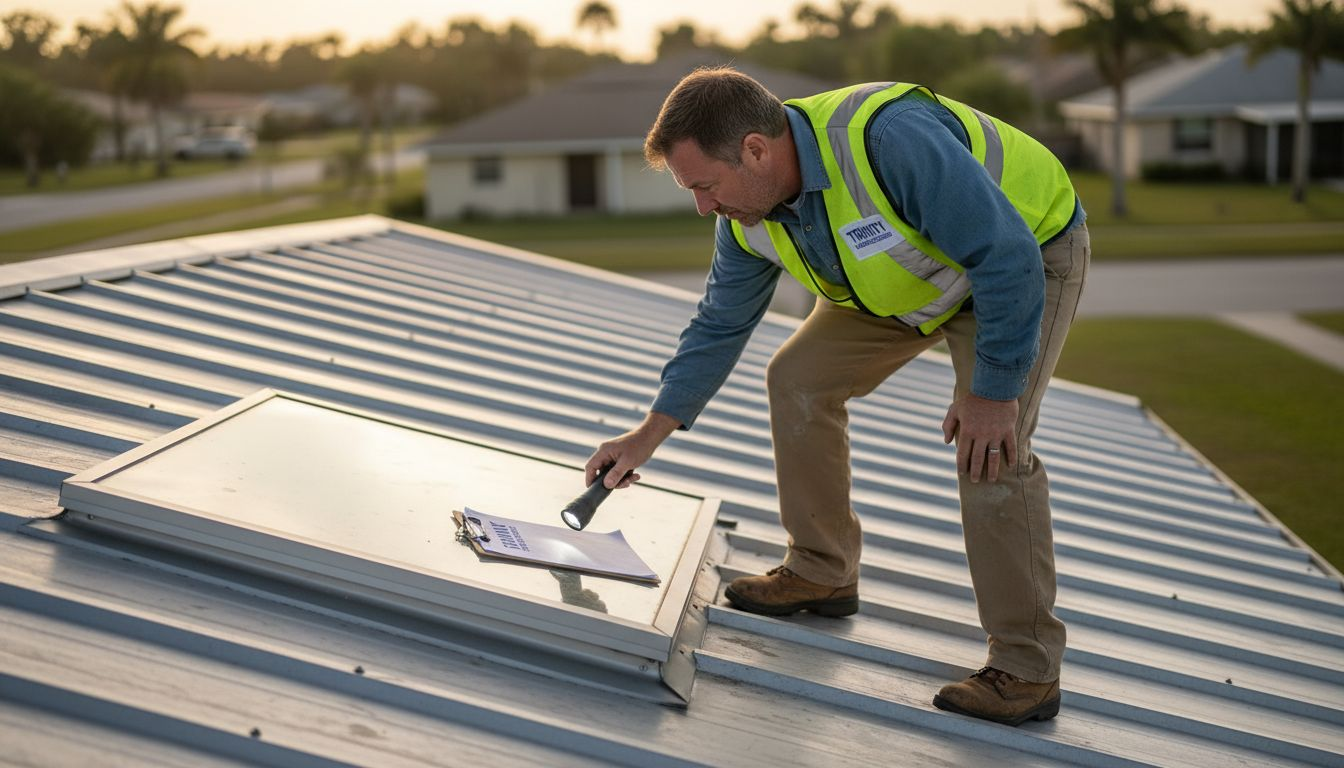
Spotting the first signs of trouble on a metal roof can be the difference between a simple repair and a costly replacement. For buyers and sellers across Baldwin and Mobile Counties, understanding the unique strengths and vulnerabilities of metal roofs is crucial for making informed choices during negotiations. This overview highlights the remarkable durability, corrosion resistance, and low maintenance needs that set metal roofing apart, while also pointing out the common issues every homeowner should watch for to protect their investment.
Table of Contents
Key Takeaways
Point | Details |
Durability and Longevity | Metal roofs can last 40-100 years, significantly longer than traditional roofing materials, providing long-term protection and value. |
Energy Efficiency | Metal roofs reflect solar heat, potentially reducing cooling costs by 10-25%, which is beneficial for homeowners in warmer climates. |
Maintenance Requirements | Metal roofs require low maintenance and should be inspected every 2-3 years, especially in coastal regions to identify early signs of damage. |
Environmental Considerations | Many metal roofing materials are made from recycled content and are recyclable, making them a sustainable option for homeowners. |
What Makes Metal Roofs Unique
Metal roofs represent a sophisticated roofing solution with remarkable characteristics that set them apart from traditional roofing materials. Metal roofing systems offer homeowners in Baldwin and Mobile Counties a durable and resilient alternative to standard asphalt shingles, combining advanced engineering with aesthetic versatility.
Historically, metal roofing has evolved significantly from its early days using lead and copper to modern steel and aluminum configurations. The core advantages of metal roofs include exceptional durability, water impermeability, and impressive corrosion resistance. These properties make metal roofs an increasingly popular choice for homeowners seeking long-term protection and value.
Key unique characteristics of metal roofs include:
Extreme Weather Resistance: Withstands high winds, heavy rain, and intense sun exposure
Longevity: Can last 40-70 years compared to 15-20 years for traditional roofing
Energy Efficiency: Reflects solar heat, reducing cooling costs by 10-25%
Low Maintenance: Requires minimal upkeep and repairs
Sustainable Materials: Often made from recycled metal and fully recyclable at end of life
Copper roofing represents a particularly fascinating subset of metal roofing, known for its natural patina development and remarkable architectural character. Unlike other materials that degrade, copper develops a protective green layer that enhances its aesthetic appeal and structural integrity over time.
Here’s a summary comparing metal roof materials for homeowners considering their options:
Material Type | Typical Lifespan | Distinctive Feature | Coastal Suitability |
Steel | 40-70 years | High impact resistance | Good, but prone to corrosion without coating |
Aluminum | 40-50 years | Lightweight and rust-proof | Excellent, resists salt air damage |
Copper | 70+ years | Develops patina, timeless look | Excellent, natural corrosion resistance |
Zinc | 50-100 years | Self-healing surface, flexible | Very good, adapts to environmental stress |
Pro tip: Before investing in a metal roof, consult with a professional home inspector to assess your specific structural requirements and potential installation challenges.
Types of Metal Roof Damage
Metal roofs, while durable, can experience various types of damage that compromise their structural integrity and performance. Common roof problems range from subtle material deterioration to more significant structural issues that require immediate attention from homeowners and inspectors.
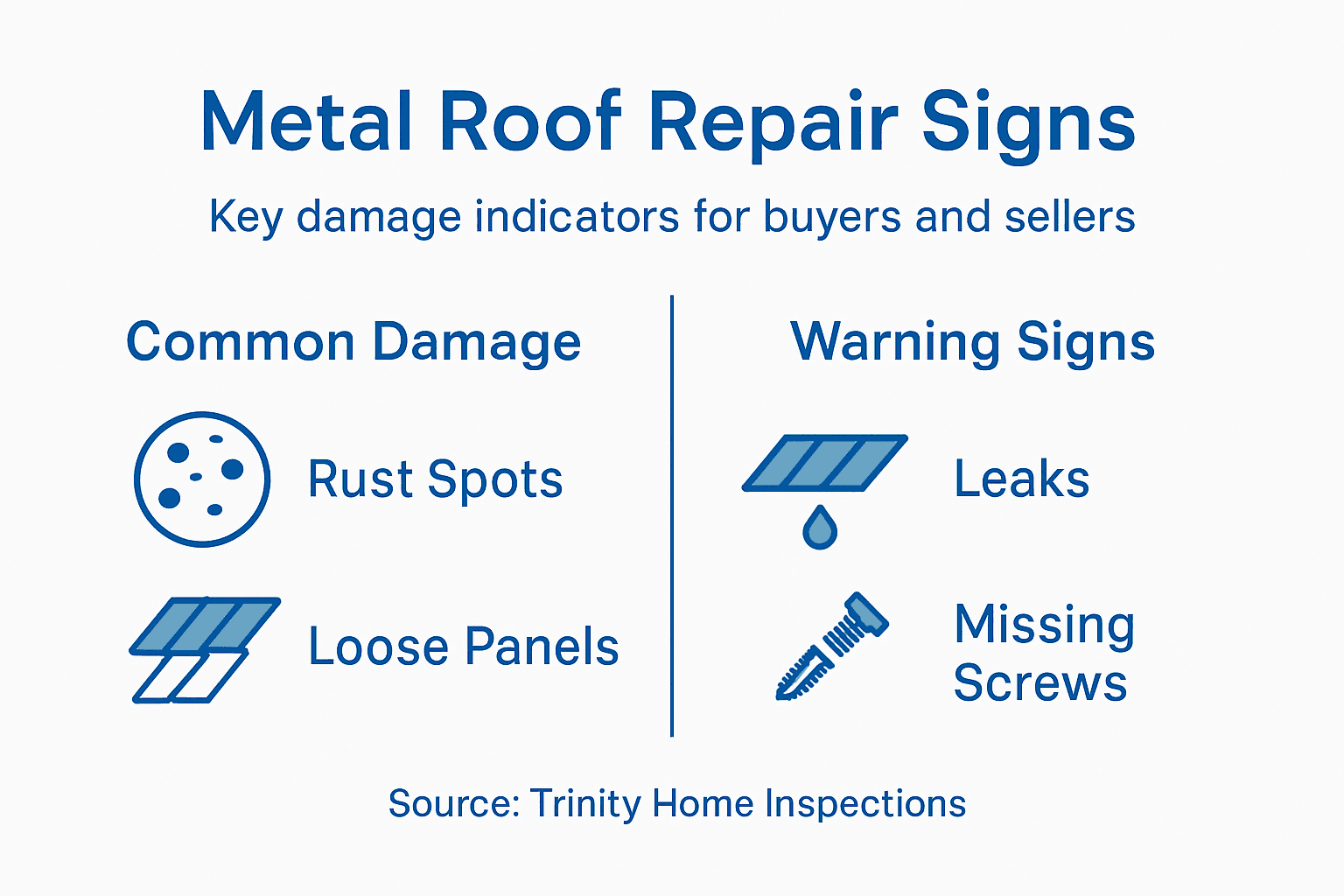
Environmental factors play a significant role in metal roof degradation. Wind, rain, temperature fluctuations, and physical impacts can cause multiple damage types that gradually undermine the roof’s protective capabilities. Installation safety concerns also contribute to potential long-term damage, particularly when initial installation does not meet professional standards.
Key types of metal roof damage include:
Corrosion: Chemical breakdown of metal materials
Fastener Failure: Loose or degraded connectors causing panel displacement
Impact Damage: Holes or breaks from falling branches, hail, or debris
Surface Deterioration: Wear from UV exposure and weather conditions
Water Accumulation: Poor drainage leading to potential structural compromise
Metal roof damage can be particularly challenging in coastal regions like Baldwin and Mobile Counties, where salt air and humidity accelerate material degradation. Homeowners should pay special attention to signs of wear, including discoloration, rust spots, and panel misalignment that could indicate underlying structural issues.
Pro tip: Schedule professional roof inspections every 2-3 years to catch potential damage early and prevent costly long-term repairs.
Fastener Issues and Maintenance Needs
Fasteners are the critical connection points that determine the long-term performance and reliability of metal roofing systems. Galvanized steel fasteners play a crucial role in maintaining structural integrity, with their protective coating determining the roof’s overall durability and maintenance requirements.
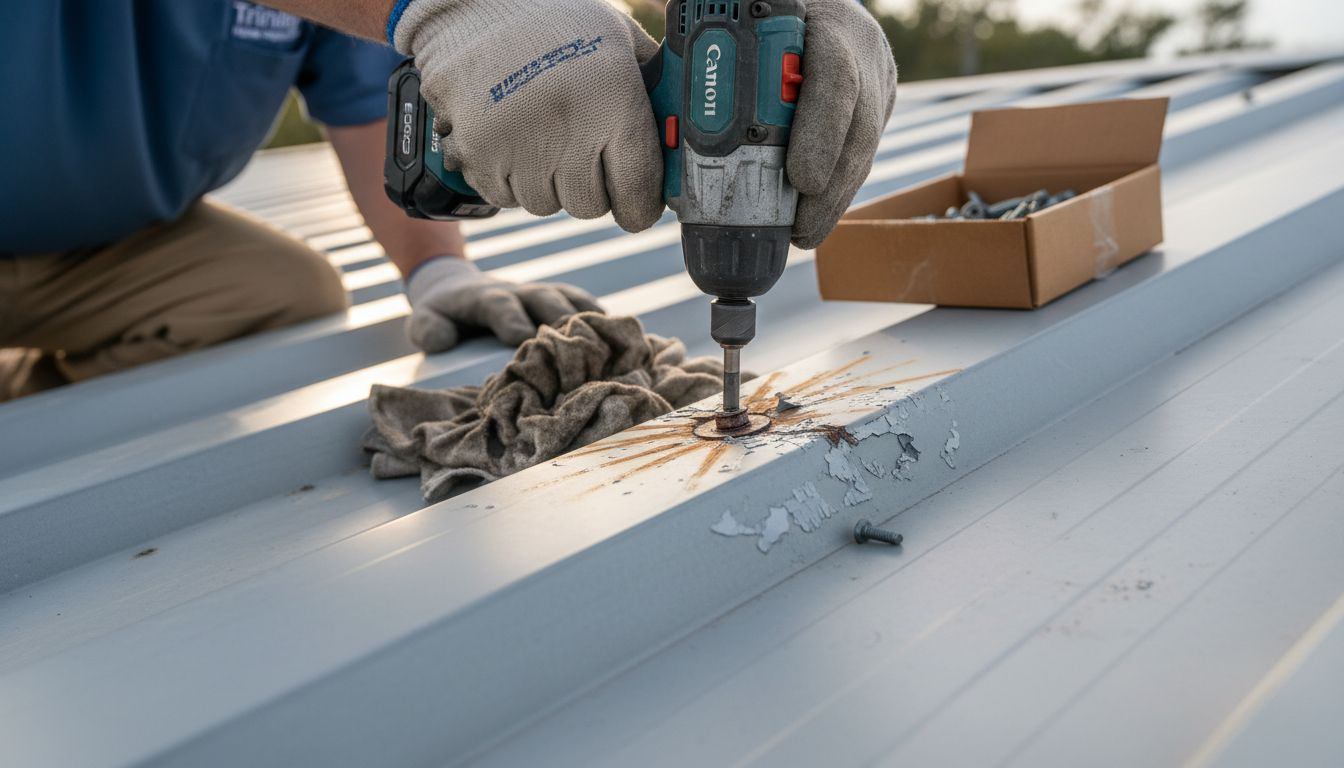
The selection and installation of fasteners involve complex considerations that go beyond simple attachment. Roofing system fastening methods must account for wind loads, material compatibility, and environmental conditions specific to coastal regions like Baldwin and Mobile Counties. Each fastener must provide adequate holding power while resisting corrosion and potential displacement.
Key considerations for metal roof fasteners include:
Corrosion Resistance: Hot-dip galvanized coatings that prevent material breakdown
Holding Power: Ability to withstand wind loads and environmental stress
Material Compatibility: Ensuring fasteners match the specific metal roofing material
Installation Precision: Correct depth and spacing to prevent future issues
Environmental Adaptability: Resistance to salt air, humidity, and temperature variations
In coastal Alabama, fastener maintenance becomes even more critical due to the harsh environmental conditions. Salt air, high humidity, and frequent storm exposure can accelerate fastener degradation, potentially compromising the entire roofing system. Regular professional inspections can help identify early signs of fastener stress or failure before they lead to more extensive damage.
To help identify and address metal roof issues, here’s a quick reference on common damage causes and recommended prevention:
Damage Cause | Typical Effect | Prevention Measure |
Salt Air & Humidity | Accelerated corrosion | Apply protective coatings |
Improper Installation | Fastener failure, leaks | Use certified roof specialists |
Storm Impact | Surface dents, panel shifts | Prompt debris removal |
Sun Exposure | Color fading, sealant cracks | Use UV-resistant materials |
Pro tip: Have a professional inspect your metal roof fasteners every 3-5 years, with more frequent checks in coastal environments with extreme weather conditions.
Common Signs Roof Repair Is Needed
Metal roofs, despite their durability, can develop significant issues that require immediate professional attention. Common roof problems range from subtle material deterioration to more extensive structural damage that can compromise the entire roofing system’s integrity.
Professional roof inspections are crucial in identifying potential repair needs before they escalate into costly repairs. Early detection of warning signs can save homeowners thousands of dollars in potential damage and prevent more extensive structural issues that might compromise the building’s safety.
Key indicators that your metal roof needs repair include:
Visible Corrosion: Rust spots or discoloration on metal panels
Water Stains: Interior ceiling or wall discoloration suggesting leaks
Loose Fasteners: Visible gaps or movement in roof panels
Sealant Deterioration: Cracked or missing protective sealants around roof penetrations
Pooling Water: Standing water indicating improper drainage
Panel Misalignment: Shifts or separations in roof panel connections
In coastal Alabama regions like Baldwin and Mobile Counties, metal roofs face additional challenges from salt air, high humidity, and frequent storm exposure. These environmental conditions can accelerate roof deterioration, making regular professional inspections even more critical for maintaining the roof’s structural integrity and protective capabilities.
Pro tip: Schedule a comprehensive roof inspection at least every two years, or immediately after significant weather events, to catch potential issues before they become expensive repairs.
Trinity’s Roof Inspection Approach
At Trinity Home Inspections, our roof inspection methodology goes beyond standard assessments, providing comprehensive evaluations that protect homeowners’ investments. Roof inspection protocols guide our systematic approach to identifying potential issues before they become costly problems.
Our certified inspectors utilize advanced tools and techniques to conduct thorough examinations. FORTIFIED home standards inform our rigorous inspection process, ensuring we evaluate every critical component of the metal roofing system with precision and expertise.
Key elements of Trinity’s metal roof inspection include:
Comprehensive Interior Assessment: Checking for water stains, leaks, and structural impacts
Advanced Thermal Imaging: Detecting hidden moisture and insulation gaps
Drone Technology: Safely capturing detailed roof surface imagery
Fastener and Panel Evaluation: Checking for corrosion, alignment, and structural integrity
Environmental Condition Analysis: Assessing damage from salt air and coastal weather conditions
Unlike generic inspection services, Trinity Home Inspections provides a holistic approach that considers the unique challenges of Gulf Coast roofing. Our inspectors are trained to understand the specific environmental stressors in Baldwin and Mobile Counties that can compromise metal roof performance.
Pro tip: Request thermal imaging during your roof inspection to uncover hidden issues that traditional visual assessments might miss.
Protect Your Investment With a Metal Roof Inspection
Metal roofs offer remarkable durability but detecting early signs of damage like corrosion, fastener failure, or water accumulation requires a trained eye and advanced tools. If you are buying or selling a home in Baldwin, Mobile, or surrounding Gulf Coast Alabama areas, understanding these critical issues before closing can save you from costly repairs and headaches. Trinity Home Inspections helps you spot these subtle yet serious red flags with thorough, InterNACHI-certified inspections backed by thermal imaging and drone technology.
Don’t leave your metal roof’s condition to chance. Trust Trinity Home Inspections to deliver fast same-day reports packed with photo and video evidence so you get the clarity you need to make confident decisions. Learn more about how our roof inspection protocols and advanced equipment uncover issues invisible to the untrained eye. Schedule your expert inspection today to protect your home investment and gain peace of mind before buying or selling.
Frequently Asked Questions
What are common signs that a metal roof needs repairs?
Common signs include visible corrosion, water stains on ceilings or walls, loose fasteners, deteriorating sealants, pooling water on the roof, and panel misalignment.
How often should I inspect my metal roof for potential repairs?
It is recommended to schedule a comprehensive roof inspection at least every two years or immediately after significant weather events to catch potential issues early.
What causes metal roofs to deteriorate more quickly?
Factors such as environmental conditions like salt air, humidity, and severe weather can accelerate metal roof deterioration, making regular inspections crucial.
Why is professional inspection important before buying or selling a home with a metal roof?
A professional inspection can identify potential issues before they escalate, saving homeowners money on repairs and ensuring the roof’s integrity during the buying or selling process.
Recommended