Why Inspect Roof Before Selling: Complete Guide
- Matt Cameron

- Nov 15, 2025
- 6 min read
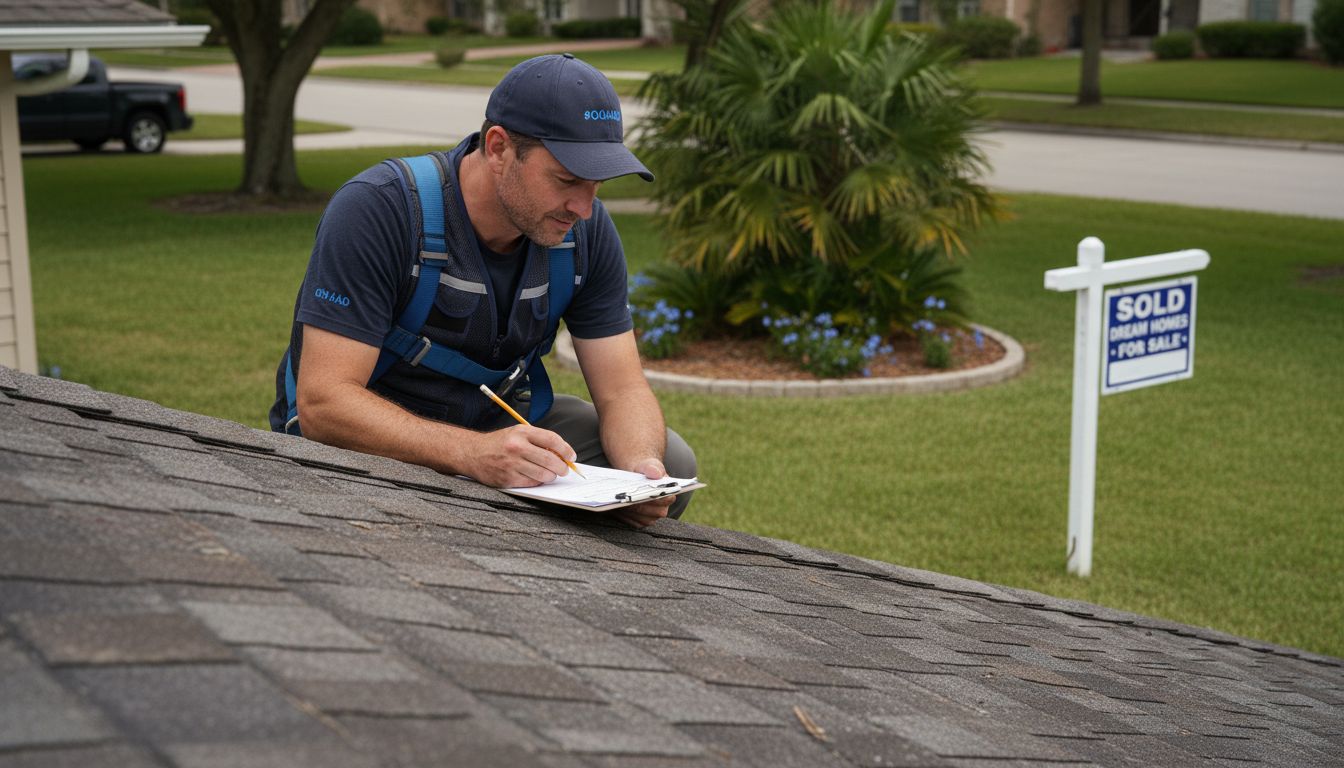
More than 30 percent of home sales face delays due to unresolved roof issues. When buyers spot signs of leaks or damaged shingles, the negotiation can shift in an instant. Understanding the impact of a roof inspection before listing your home gives you the upper hand. Getting ahead of problems protects your sale price, inspires buyer confidence, and keeps the process moving smoothly without costly surprises.
Table of Contents
Key Takeaways
Point | Details |
Importance of Roof Inspections | Comprehensive roof inspections help identify critical issues that can affect a property’s sale price and marketability before selling. |
Common Roof Problems | Frequent issues include damaged flashing, water pooling, and shingle deterioration, which can complicate the sale process if not addressed. |
Impact on Sale Process | A well-maintained roof instills buyer confidence, aids in negotiations, and can lead to a faster sale at a potentially higher price. |
Financial Risks | Neglected roof maintenance can lead to significant financial repercussions, including decreased property value and increased repair costs that could jeopardize sales. |
Roof Inspections Before Selling Explained
Selling your home requires strategic preparation, and a comprehensive roof inspection is a critical step that can significantly impact your property’s marketability and sale price. According to Facilities Net, roof inspections are essential for identifying potential issues that could derail a home sale.
During a pre-sale roof inspection, professional inspectors carefully assess multiple aspects of your roof’s condition. As Morris Renovations highlights, this process helps uncover critical problems like missing shingles, poor ventilation, and potential leak points that could become significant negotiation barriers with potential buyers.
Key elements professional inspectors typically examine during a pre-sale roof inspection include:
Current roof age and overall structural integrity
Evidence of water damage or moisture intrusion
Condition of shingles, tiles, or roofing materials
Quality of roof flashing and sealants
Signs of previous repairs or temporary fixes
Potential ventilation and insulation issues
By proactively identifying and addressing roof concerns before listing your property, you can prevent last-minute surprises during buyer inspections. This approach not only potentially increases your home’s market value but also demonstrates transparency and care in maintaining your property. Complete Guide to Home Inspections When Selling offers additional insights into preparing your home for a successful sale.
Common Roof Problems Found In Inspections
Roof inspections are crucial for uncovering potential structural issues that could compromise your home’s integrity and value. SK Quality Roofing reports that certain problems frequently emerge during professional roof assessments, with water-related damage being particularly prevalent.
According to Roof Corp, roof problems typically stem from three primary sources: natural wear and tear, improper previous repairs, and environmental damage. These issues can significantly impact a roof’s long-term performance and structural soundness.
Most common roof problems discovered during professional inspections include:
Damaged Flashing: Areas where roof meets walls or chimneys
Water Pooling: Indicating potential drainage problems
Clogged Gutters: Preventing proper water runoff
Shingle Deterioration: Missing, cracked, or curling shingles
Tree Damage: Branches or limbs causing structural stress
Moisture Intrusion: Signs of potential leaks or water damage
Addressing these issues proactively can save homeowners significant repair costs and prevent potential sale complications.
IMAGE:descriptive_key_1] [Complete Guide to Home Inspections When Selling provides additional guidance on preparing your property for a successful real estate transaction.
How Roof Inspections Affect Home Sales
In the competitive real estate market, a comprehensive roof inspection can be the difference between a successful sale and a potential deal-breaker. Facilities Net emphasizes that identifying and addressing roof issues before listing can prevent critical obstacles during the sales process, potentially preserving or even increasing your property’s market value.
Morris Renovations highlights that a well-maintained roof serves as a powerful marketing tool, instilling confidence in prospective buyers and expediting the selling process. Buyers typically view a roof’s condition as a direct reflection of the home’s overall maintenance and care.
Key ways roof inspections impact home sales include:
Transparency: Demonstrates proactive property maintenance
Negotiation Power: Reduces potential price reductions
Buyer Confidence: Eliminates concerns about hidden structural issues
Faster Sale Process: Prevents last-minute sale complications
Potential Price Optimization: Well-documented roof condition can justify asking price
Professional roof inspections provide sellers with a strategic advantage, transforming a potential concern into a selling point.
Role of Home Inspection for Realtors offers additional insights into maximizing your property’s market potential through thorough pre-sale assessments.
The Roof Inspection Process Step-By-Step
Facilities Net emphasizes that a comprehensive roof inspection is more than a cursory glance—it’s a detailed assessment of your roof’s structural health and potential vulnerabilities. Professional inspectors approach this process systematically, ensuring no critical detail goes unnoticed.
According to Morris Renovations, the roof inspection process involves a meticulous examination of multiple roofing components, each requiring specialized attention and expertise. Inspectors utilize both visual assessments and advanced diagnostic techniques to uncover hidden issues.
A typical professional roof inspection follows these detailed steps:
Exterior Visual Inspection
Check shingle condition and alignment
Examine roof surface for damage or irregularities
Assess overall roof structure and slope
Structural Assessment
Inspect roof decking for signs of sagging
Evaluate support structures and framing
Check for potential water damage indicators
Detailed Component Evaluation
Assess flashing around chimneys and vents
Inspect gutter systems and drainage
Evaluate ventilation and insulation quality
Comprehensive Documentation
Photograph all identified issues
Prepare detailed written report
Recommend specific repairs or maintenance
For homeowners seeking a deeper understanding of the inspection process, Understanding Inspection Reports provides additional insights into interpreting professional assessment documentation.
Financial Impacts And Selling Risks For Owners
Facilities Net warns that neglecting roof maintenance can create significant financial vulnerabilities during the home selling process. Unaddressed roof issues can transform a potentially smooth property sale into a complex and costly negotiation, potentially reducing your home’s market value and deterring prospective buyers.
According to Morris Renovations, proactively addressing roof concerns can prevent unexpected expenses and streamline the selling process. The financial risks of delaying roof inspections and repairs can be substantial and far-reaching.
Key financial risks and potential impacts include:
Reduced Property Value: Unrepaired roof damage can decrease home appraisal by 10-25%
Negotiation Leverage Loss: Buyers may request significant price reductions
Repair Cost Escalation: Minor issues can become expensive structural problems
Sale Delays: Roof problems can stall or completely derail property transactions
Insurance Complications: Some insurers may refuse coverage for homes with significant roof damage
Homeowners looking to understand the full financial implications should consult Complete Guide to Inspections in Real Estate Sales, which provides comprehensive insights into protecting your investment during property transactions.
Get Your Roof Inspected Before You Sell to Avoid Costly Surprises
Selling your home can be stressful especially when unexpected roof issues arise during the buyer’s inspection. The article explains how problems like missing shingles poor ventilation or water damage can lead to negotiation hurdles or reduced home value. At Trinity Home Inspections we understand the importance of a thorough roof inspection to give you the confidence and transparency you need to sell your property smoothly. Our detailed inspections uncover hidden concerns so you can address repairs early and avoid last-minute delays or price drops.
Take control of your home sale with a professional roof inspection today. Visit our website to schedule an inspection and learn how our trusted service can protect your investment. For more tips on preparing your home for sale explore Complete Guide to Home Inspections When Selling and boost your negotiating power with a fully documented roof condition. Don’t wait until roof problems threaten your sale. Contact Trinity Home Inspections now for expert help you can rely on.
Frequently Asked Questions
Why is a roof inspection important before selling my home?
A roof inspection is crucial to identify potential issues that could affect your home’s marketability and sale price. It uncovers problems like missing shingles or water damage that can deter buyers or lead to negotiations reducing your asking price.
What common roof problems are found during inspections?
Common issues include damaged flashing, water pooling, clogged gutters, shingle deterioration, tree damage, and moisture intrusion. Identifying these problems before selling can prevent costly repairs and complications during the sale process.
How can roof inspections affect the sale of my property?
Roof inspections can enhance transparency and boost buyer confidence. A well-maintained roof can justify higher asking prices, reduce potential negotiation issues, and expedite the selling process.
What should I expect during a professional roof inspection?
During a professional roof inspection, you can expect a detailed evaluation including an exterior visual inspection, a structural assessment of the roof’s integrity, a thorough inspection of roof components, and comprehensive documentation of any issues found.
Recommended