
Mobile Home Inspection Checklist for Homeowners

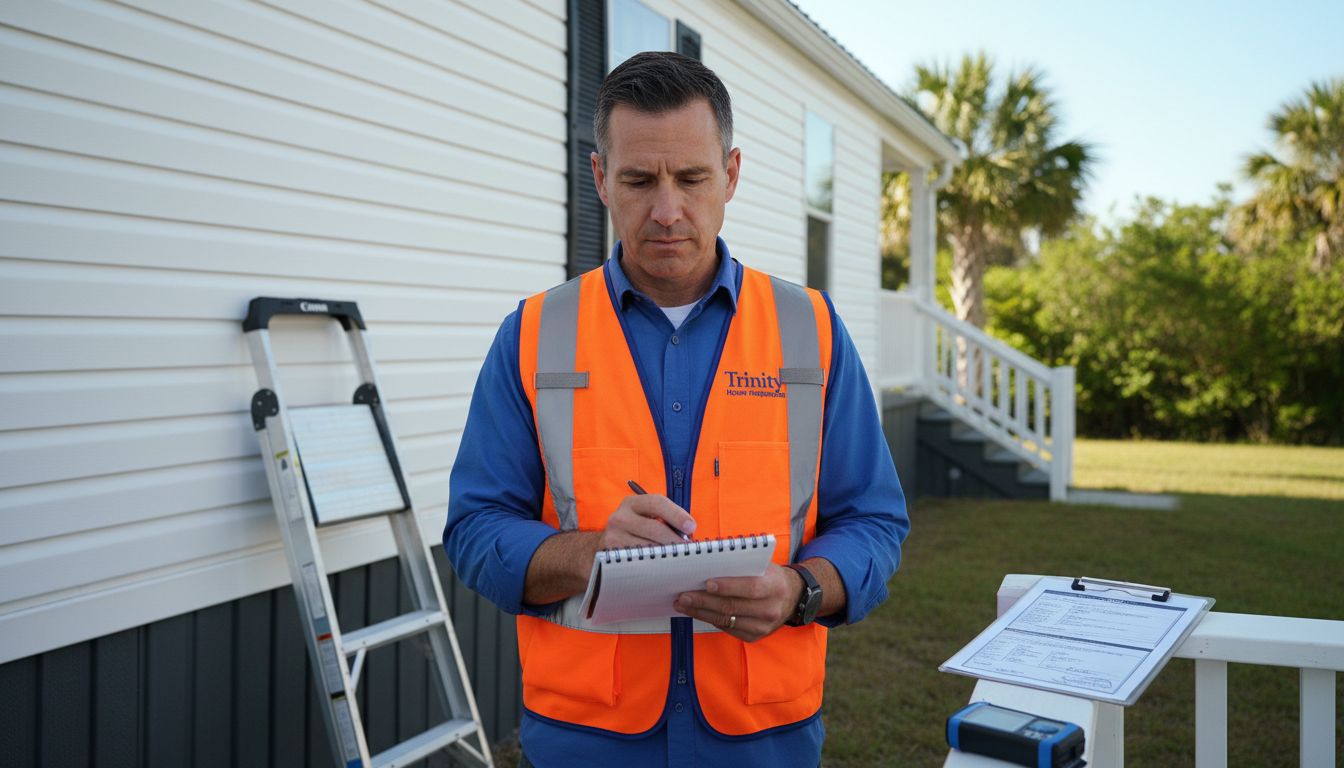
Most american mobile home buyers are surprised to learn that nearly half of all inspection issues could have been prevented with proper preparation. Tackling a mobile home inspection takes more than just a quick walk-through, especially when safety and investment are on the line. With the right steps and detailed attention, you can avoid common pitfalls and make sure your home is secure from the start. This guide outlines clear actions to help you complete a professional-quality inspection and spot any red flags early.
Table of Contents
Quick Summary
Key Message | Explanation |
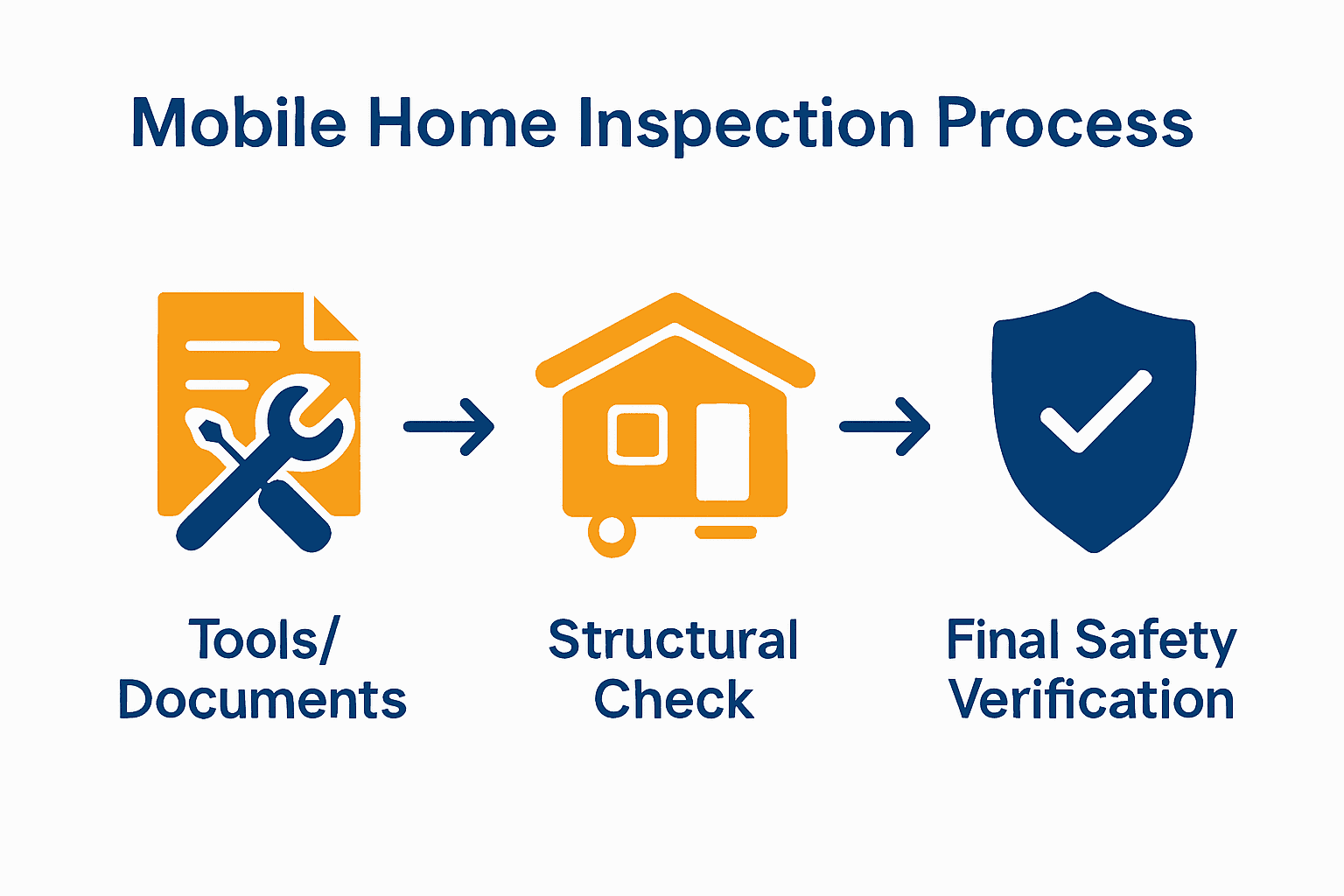
1. Gather essential tools and documents | Collect inspection tools like a flashlight, ladder, and documentation such as permits to streamline the inspection process. |
2. Conduct a thorough exterior inspection | Check the mobile home’s structure, foundation, and skirting for signs of stress, damage, or pest intrusion. |
3. Examine roofing, windows, and doors | Inspect these elements for damages, ensuring they seal properly to prevent moisture intrusion and energy loss. |
4. Assess plumbing, electrical, and HVAC systems | Carefully evaluate these crucial systems to identify leaks, outdated wiring, or inefficiencies before they become costly issues. |
5. Verify safety features and finalize the report | Ensure compliance with safety regulations and document all findings, recommending repairs as needed to address any issues discovered. |
Step 1: Prepare essential tools and documentation
Before diving into your mobile home inspection, you’ll need to gather specific tools and critical documentation that will streamline the entire process. According to the Mobile County Public Works Department, proper preparation involves collecting both physical inspection equipment and necessary paperwork to ensure a comprehensive review.
Start by assembling your basic inspection toolkit which should include a sturdy ladder, flashlight, measuring tape, electrical voltage tester, screwdriver set, moisture meter, and notebook for detailed observations. For documentation, you’ll want to collect your property survey, site plan, electrical service permits, and any previous inspection reports. As recommended by Yadkin County, maintaining a complete permit package on site is crucial for verifying your mobile home’s compliance with local regulations.
Pro Tip: Create a dedicated inspection folder where you can organize all required documents in advance. This prevents last minute scrambling and demonstrates your preparedness to inspectors.
Once you’ve gathered your tools and documentation, you’re ready to move forward with a systematic and thorough mobile home inspection. Having everything organized will help you approach the process confidently and efficiently.
Step 2: Inspect exterior structure and foundation
This critical step involves thoroughly examining your mobile home’s exterior structure and foundation to identify potential issues that could compromise safety and structural integrity. According to Quicken Loans, the inspection requires careful evaluation of multiple structural components to ensure your home remains stable and secure.
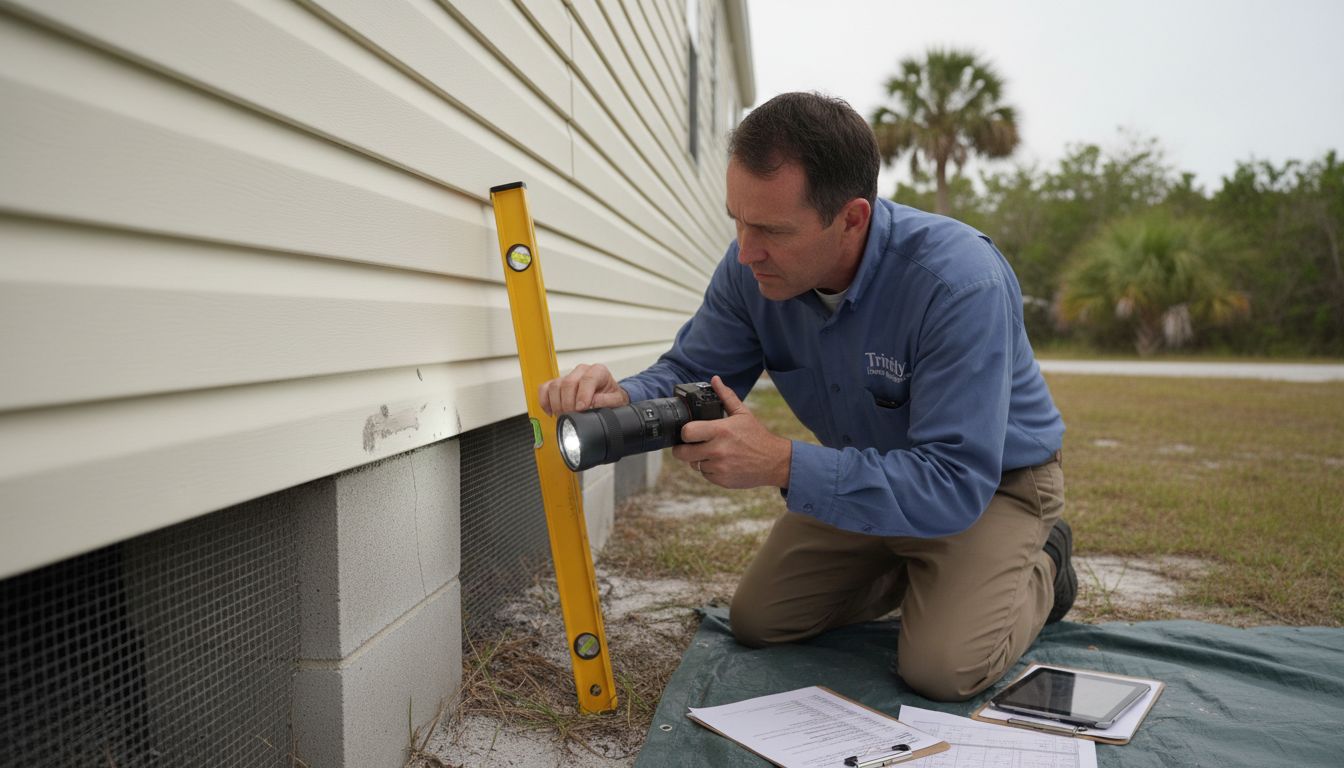
Begin by walking around the entire exterior, looking for signs of foundation stress such as uneven settling, visible cracks, or areas where the ground appears to have shifted. Check the skirting for damage, ensuring it provides complete coverage and prevents moisture or pest intrusion. As recommended by MHVillage, pay special attention to soft spots in the flooring near the foundation, which could indicate water damage or structural weakness. Use a level to check if the home sits evenly and look for any signs of recent repairs or temporary supports that might suggest ongoing structural challenges.
Pro Tip: Take detailed photos of any structural irregularities. These can be valuable for future reference or when consulting with professional inspectors.
Once you complete your exterior inspection, you’ll have a clearer understanding of your mobile home’s structural condition. This thorough examination helps you identify potential issues early, potentially saving significant repair costs down the line.
For a deeper understanding of comprehensive home inspections, check out our guide on what a home inspection consists of.
Step 3: Evaluate roofing, windows, and doors
This crucial inspection stage focuses on examining three key exterior components that protect your mobile home from environmental elements and potential damage. According to Angi, a comprehensive evaluation involves carefully checking the roof, windows, and doors for any signs of wear, damage, or potential structural issues.
Start by thoroughly inspecting the roof for any visible damage such as missing shingles, sagging areas, or signs of water penetration. Carefully examine the ceiling inside for water stains that might indicate roof leaks. Move on to windows and doors, testing each one to ensure they open, close, and seal properly. As Lemonade recommends, pay close attention to the window and door frames, checking for any gaps, cracks, or signs of water damage around their edges. Look for proper weatherstripping and examine the condition of the seals, which play a critical role in preventing moisture intrusion and maintaining energy efficiency.
Pro Tip: Use a flashlight to help spot subtle signs of damage or wear that might be difficult to see in normal lighting conditions.
Completely evaluating these components provides insight into your mobile home’s overall condition and potential maintenance needs. If you discover significant issues, it might be time to consult a professional inspector.
To understand more about the different types of home inspections, read our guide on inspectors every homebuyer should know.
Step 4: Check plumbing, electrical, and HVAC systems
This comprehensive inspection stage requires a systematic approach to examining your mobile home’s critical internal systems that ensure comfort, safety, and functionality. According to Quicken Loans, a thorough evaluation of plumbing, electrical, and HVAC systems is essential for identifying potential issues before they become costly problems.
Begin with the plumbing system by checking all fixtures for appropriate water pressure and looking for any signs of leaks or water damage. Inspect the water heater to ensure it is accessible and functioning correctly. For electrical systems, verify that the home is properly grounded and look for any outdated or exposed wiring. As MHVillage recommends, be especially cautious of DIY electrical modifications and ensure the presence of ground fault circuit interrupter (GFCI) protection in areas with potential water exposure. When examining the HVAC system, check the condition of ductwork, test the thermostat functionality, and assess the overall efficiency of heating and cooling units.
Pro Tip: Use a multimeter to test electrical outlets and a moisture meter to detect potential hidden plumbing leaks.
A meticulous inspection of these systems can prevent future headaches and expensive repairs. If you encounter any significant issues or feel uncertain about your findings, consulting a professional electrical inspector can provide additional peace of mind.
Step 5: Assess interior walls, floors, and ceilings
This critical inspection phase requires a detailed examination of your mobile home’s interior structural elements to identify potential issues that could compromise your living space. According to Angi, a comprehensive assessment involves carefully examining walls, floors, and ceilings for signs of structural stress or hidden damage.
Start by walking through each room and systematically inspecting the walls for any visible cracks, bulges, or signs of water damage. Pay special attention to corners and areas near windows and doors where structural movement is most likely to occur. Check floors for evenness and look for soft spots or areas that seem to flex or bounce when you walk across them. As Lemonade recommends, examine ceilings for water stains, sagging, or discoloration that might indicate underlying moisture problems or roof leaks. Use a level to check for any significant slope or unevenness in floors, which could signal foundation issues or structural settling.
Pro Tip: Bring a bright flashlight and move furniture away from walls to get the most thorough view of potential problem areas.
A meticulous interior assessment helps you understand the true condition of your mobile home and can prevent costly repairs down the road. Learn more about ensuring safe indoor air quality which can often be linked to structural integrity and potential hidden issues.
Step 6: Verify safety features and finalize report
The final stage of your mobile home inspection involves a comprehensive review of critical safety features and documenting your findings. According to Yadkin County, this process requires careful verification of specific safety components that ensure the home meets essential standards and regulatory requirements.
Begin by systematically checking all safety elements including steps and landings to confirm they are constructed to code at each entrance. Verify that the E-911 address is clearly posted and that the property site has proper drainage away from the home. As Mobile County Public Works Department recommends, ensure all required inspection decals from the Alabama Manufactured Housing Commission are present and valid. Carefully review and organize all permits and documentation, cross referencing your inspection notes with local regulatory requirements.
Pro Tip: Create a digital and physical backup of all inspection documents and photographs for future reference.
As you finalize your report, compile a comprehensive summary of your findings including any potential issues, recommended repairs, and overall assessment of the mobile home’s condition. If significant concerns are discovered, consider consulting a professional inspector for a more detailed evaluation. How to pass a home inspection can provide additional insights into addressing any potential problems uncovered during your inspection.
Ensure Your Mobile Home Inspection Is Done Right
Navigating a mobile home inspection can feel overwhelming with so many crucial steps like inspecting the foundation, plumbing, electrical, and safety features. Common challenges include spotting hidden damage, verifying documentation, and making sure all systems meet safety standards. At Trinity Home Inspections, we understand these pain points because we are homeowners too. Our professional inspectors bring care, accuracy, and integrity to every inspection so you know exactly what condition your home is in.

Don’t leave the safety and value of your mobile home to chance. Whether you are buying, selling, or maintaining, trust Trinity Home Inspections to provide a thorough evaluation tailored to mobile homes that covers everything from structural checks to system assessments. Schedule your inspection now at Trinity Home Inspections and protect your investment with confidence. Learn more about how our expert services can help you understand what a home inspection consists of and how to pass a home inspection. Take the next step toward peace of mind today.
Frequently Asked Questions
What tools do I need for a mobile home inspection?
Gather essential tools such as a ladder, flashlight, measuring tape, electrical voltage tester, and a moisture meter. Assemble your inspection toolkit before starting the process to ensure you have everything needed for a comprehensive assessment.
What documentation should I prepare for a mobile home inspection?
Collect important documents including property surveys, site plans, electrical service permits, and any prior inspection reports. Organize these materials in a dedicated folder to facilitate an efficient inspection.
How do I inspect the exterior structure of my mobile home?
Walk around the exterior and look for foundation stress signs like cracks or uneven settling. Check the skirting for damage and examine soft spots in the flooring to identify potential water damage.
What should I look for when assessing the roof, windows, and doors?
Inspect the roof for missing shingles or water stains inside that indicate leaks, and ensure windows and doors open and seal properly. Pay attention to frames for gaps or damage that could lead to moisture intrusion.
How do I evaluate the plumbing, electrical, and HVAC systems?
Check plumbing fixtures for leaks and proper water pressure, inspect electrical wiring for safety, and assess the HVAC system’s efficiency. Conducting these checks can help uncover potential safety hazards or costly repairs early.
What safety features should I verify during the inspection?
Confirm that all steps and landings are up to code, check for an E-911 address posting, and ensure that drainage is appropriately directed away from the home. Document these safety elements to maintain compliance with local regulations.
Recommended
