
Essential Pre-Inspection Tips for Sellers in Alabama
- Matt Cameron

- Nov 4, 2025
- 8 min read
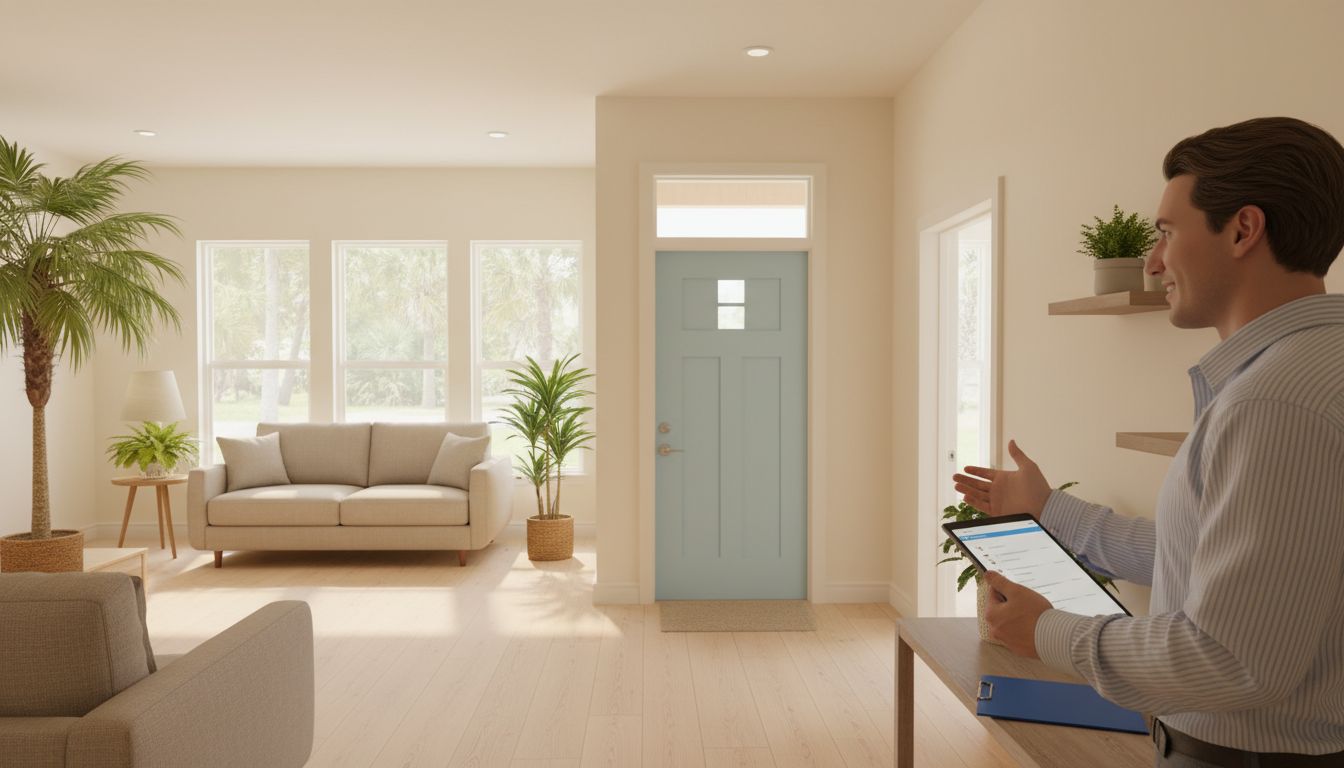
Nearly eight out of ten home sales involve a professional inspection, making preparation more important than ever. A spotless and well-maintained property not only impresses buyers but can also speed up the selling process. By understanding what inspectors look for and handling details before they arrive, homeowners can present their property in the best possible light while avoiding last-minute surprises.
Table of Contents
Quick Summary
Key Point | Explanation |
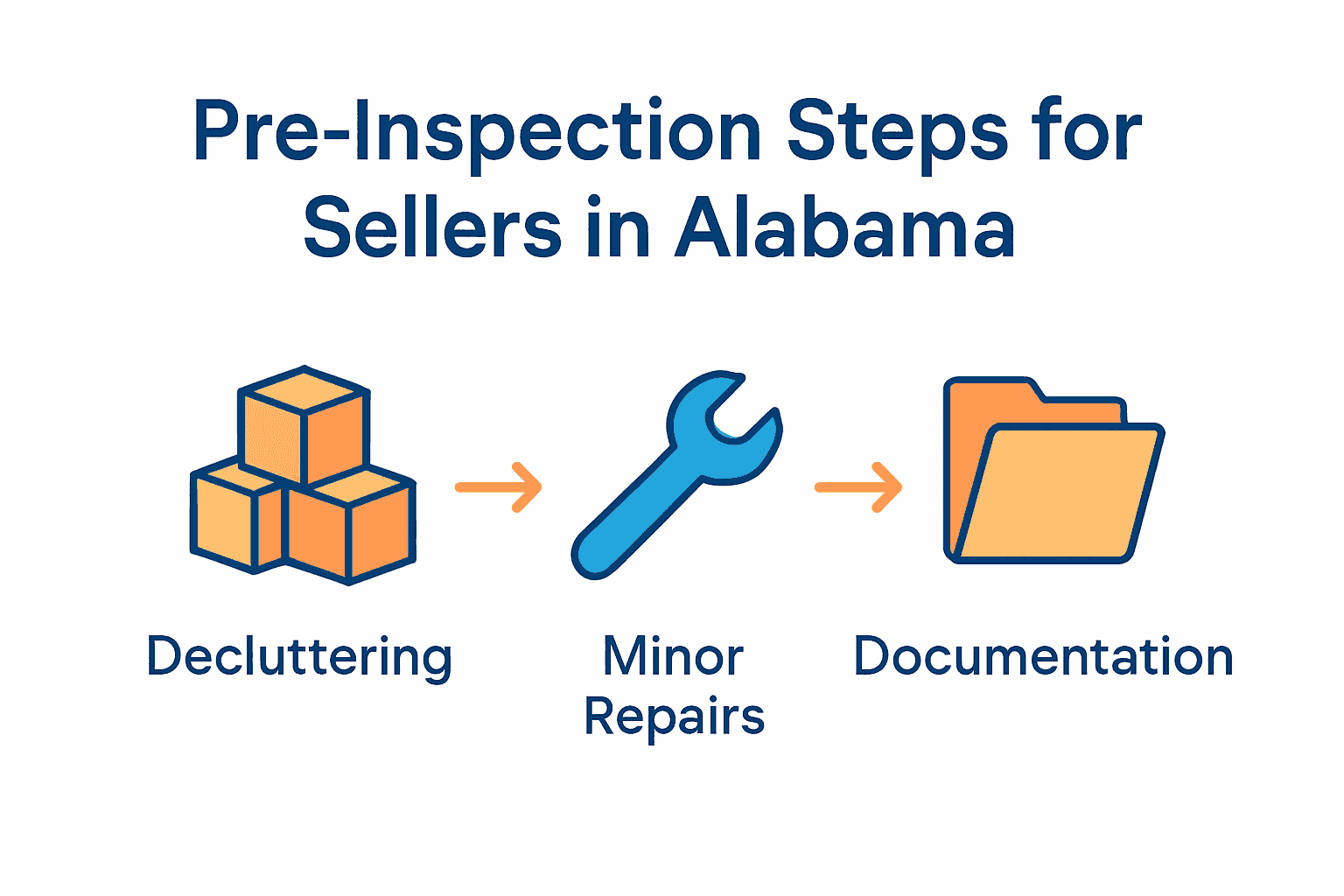
1. Declutter to Enhance Inspection Access | Clear personal items and clutter for easy inspector access to critical areas. |
2. Address Minor Repairs Beforehand | Fix small issues like leaky faucets to avoid negative impressions during the inspection. |
3. Ensure Major Systems Function Properly | Test HVAC, plumbing, and appliances to demonstrate responsible home maintenance. |
4. Provide Clear Access to Inspection Areas | Remove obstructions from key inspection points to facilitate a thorough evaluation. |
5. Gather and Organize Documentation | Compile records of repairs and upgrades to build buyer confidence in the home’s condition. |
|
Step 1: Declutter and Clean All Living Spaces
Preparing your home for an inspection starts with creating a clean and organized environment that allows inspectors to thoroughly evaluate your property. According to Journeyman HQ, maintaining a tidy and organized home is crucial for a positive inspection.
Start by removing personal items, excess furniture, and clutter from every room. Create clear pathways and open spaces that give inspectors easy access to walls, floors, and critical home systems. Focus on key areas like living rooms, bedrooms, hallways, and storage spaces. Remove family photos, personal mementos, and decorative items that might obstruct views of walls or block access to electrical panels, heating vents, or other inspection points.
Your goal is to make your home feel spacious and allow the inspector to move freely. As LG Home Inspections notes, a well-prepared home facilitates a smoother inspection process. Pro tip: Consider temporarily storing extra items in a storage unit or neatly packed boxes in a garage or offsite location to maximize your home’s openness and accessibility.
After decluttering, perform a deep clean. Vacuum floors, dust surfaces, wipe down counters, and ensure bathrooms and kitchens sparkle. A clean home not only helps the inspector but also creates a positive first impression. Remember, the more transparent and accessible your home is, the more efficiently and accurately the inspection can be completed.
Step 2: Address Minor Repairs and Maintenance
Preparing your home for inspection means tackling those small repairs you might have been putting off. According to Journeyman HQ, attending to minor repairs such as fixing leaky faucets, patching wall cracks, and replacing burnt-out light bulbs can prevent negative impressions during the inspection.
Start by walking through your home with a critical eye. Check every room for small issues that could catch an inspector’s attention. Look for loose doorknobs, squeaky hinges, cracked electrical outlet covers, and small wall imperfections. Replace any missing or damaged switch plates, tighten loose cabinet handles, and repair any visible cracks or holes in walls. Pay special attention to plumbing fixtures clean and check for any signs of water damage or leaks around sinks, toilets, and under pipes.
As Heartland Inspections recommends, ensure all fixtures are present and operational, including plumbing and electrical components. A helpful tip is to create a systematic checklist and work through it room by room. Keep your repair work neat and professional dont attempt complex repairs if youre not skilled.

For more complex issues, consider hiring a professional to ensure the repairs are done correctly. By addressing these minor maintenance items, you demonstrate to the inspector that youve taken good care of your home, which can create a positive impression and potentially smooth out the inspection process.
For additional guidance on home maintenance, check out our Home Inspection Repair Guide for Confident Buyers and Sellers that can help you prepare thoroughly for your upcoming inspection.
Step 3: Check Major Systems and Appliances
Preparing for a home inspection means thoroughly evaluating your property’s critical systems and appliances. According to Journeyman HQ, scheduling professional maintenance for HVAC systems and ensuring all major appliances are in working order can demonstrate responsible homeownership and potentially smooth out the inspection process.
Begin by conducting a comprehensive assessment of your home’s core systems. Test every electrical outlet, light switch, and circuit breaker to ensure proper functionality. Check your HVAC system by running both heating and cooling modes to verify smooth operation. Examine your plumbing by checking for consistent water pressure, testing all faucets, and looking for any signs of leaks or water damage around pipes, sinks, and toilets. Verify that major appliances like your refrigerator, dishwasher, oven, and washer dryer are operating correctly and show no signs of significant wear or malfunction.
As AB Home Inspections recommends, a thorough pre-listing inspection covers crucial systems including roofing, electrical, plumbing, and HVAC. Pro tip: Gather all maintenance records for these systems to provide documentation of regular upkeep. If you discover any significant issues during your assessment, consider hiring a professional to address them before the official inspection. This proactive approach can help prevent unexpected surprises and demonstrate to potential buyers that you have maintained your home with care.
For more detailed guidance on preparing your home for inspection, check out our Pre-Inspection Checklist for Sellers to ensure you haven’t missed any critical steps.
Step 4: Ensure Access to Key Inspection Areas
Preparing for a home inspection involves more than just cleaning and repairs. According to LG Home Inspections, unlocking all doors, gates, and outbuildings is crucial to provide comprehensive access for a thorough property evaluation.
Start by creating clear pathways to all critical inspection areas. Remove any furniture, storage items, or decorative objects blocking access to electrical panels, attic hatches, crawlspaces, and utility rooms. Ensure that garage doors can be fully opened and basement areas are completely clear. Check that all interior doors including closets, utility rooms, and storage spaces can be easily opened. If you have any locked areas, make sure keys are readily available or accessible to the inspector.
As Heartland Inspections recommends, comprehensive access includes basements and garages. Pro tip: Create a quick checklist of all areas that need to be accessible and walk through your home to verify nothing is blocking critical inspection points. If you have pets, consider arranging alternative care during the inspection to prevent them from interfering with the inspector’s work. By providing unrestricted access, you demonstrate transparency and help ensure a smooth, efficient inspection process.
For more insights into preparing your home for inspection, check out our Pre-Inspection Checklist for Sellers to make sure you haven’t missed any important steps.
Step 5: Gather Documentation and Proof of Upgrades
Compiling a comprehensive record of your home’s history and improvements is crucial for a successful home inspection. According to Journeyman HQ, providing documentation can substantiate the home’s condition and reassure potential buyers about its maintenance and care.
Begin by organizing all relevant paperwork into a clear and accessible folder. Collect receipts for major repairs, renovation permits, warranties for appliances, and maintenance records for critical systems like HVAC, plumbing, and electrical. Include documentation of any recent upgrades such as roof replacements, window installations, or energy efficiency improvements. Take digital photographs of these upgrades and improvements to provide visual evidence of the work completed. Document the dates of repairs, the contractors who performed the work, and any specific details about the improvements.
As AB Home Inspections recommends, a detailed inspection report with color photos and comprehensive checklists can serve as powerful proof of your home’s condition. Pro tip: Create a timeline of major home improvements and keep both digital and physical copies of all documents. If possible, include original installation manuals for appliances and systems. This level of documentation demonstrates responsible homeownership and can help build confidence with potential buyers and inspectors alike.
For more comprehensive guidance on preparing your home for sale, check out our Pre-Inspection Checklist for Sellers to ensure you have all your bases covered.
Step 6: Verify Readiness for the Inspector’s Arrival
As the home inspection approaches, your final preparation becomes critical to ensuring a smooth evaluation process. According to LG Home Inspections, it is essential to ensure all utilities are turned on, pilot lights are lit, and pets are secured to facilitate an uninterrupted inspection.
Start by conducting a final walkthrough of your property the night before the inspection. Verify that all electrical panels are accessible, circuit breakers are functional, and no circuit breakers are tripped. Check that all water sources including faucets and outdoor spigots are working properly. Test your HVAC system to confirm both heating and cooling functions are operational. Replace any burnt out light bulbs, ensure smoke detectors have fresh batteries, and confirm that all rooms are at a comfortable temperature for the inspector to work effectively.
As Heartland Inspections recommends, confirming that all systems are operational and accessible helps the inspector conduct a thorough evaluation without unnecessary delays. Pro tip: Create a small welcome packet for the inspector with your compiled documentation, recent repair records, and a brief home history. If you have pets, make arrangements to have them out of the home or securely contained to prevent interference with the inspection process. By taking these final preparatory steps, you demonstrate professionalism and help ensure a comprehensive and smooth home inspection.
For additional insights into preparing for your home inspection, check out our Preparing for My Home Inspection guide to help you feel confident and ready.
Get Ready for a Smooth Home Inspection with Trinity Home Inspections
Preparing your home for a successful inspection means tackling detailed steps like decluttering, addressing minor repairs, and ensuring all systems work flawlessly. These can feel overwhelming when you want to put your best foot forward and avoid surprises. At Trinity Home Inspections we understand the challenges sellers face and can help you present your home confidently with our professional and reliable inspection services.

Trust our experienced team to provide thorough, honest, and easy-to-understand inspections that highlight your home’s strengths and uncover areas needing attention before listing. Don’t wait until the last minute to discover issues that could delay your sale. Start your preparation with insights from our Pre-Inspection Checklist for Sellers and schedule an inspection that gives you the clarity and confidence to move forward. Visit Trinity Home Inspections today and take the first step toward a smooth selling process.
Frequently Asked Questions
What should I do to prepare my home for a home inspection in Alabama?
To prepare your home for a home inspection, start by decluttering all living spaces and cleaning your home thoroughly. Ensure clear pathways are created for the inspector and maintain a tidy environment to allow for a comprehensive evaluation.
How can I address minor repairs before an inspection?
Addressing minor repairs involves fixing leaky faucets, replacing burnt-out light bulbs, and patching wall cracks. Conduct a walk-through of your home and create a checklist of small repairs to complete within a week before the inspection to enhance your home’s impression.
What major systems should I check before the home inspection?
Before the inspection, check the functionality of your HVAC system, plumbing, and major appliances. Verify that all systems work properly, and if you find issues, address these problems ahead of time to prevent delays in the inspection process and potentially reduce surprises.
How should I ensure access to all key inspection areas?
Make sure that all doors, gates, and access points to critical inspection areas are unlocked and clear of obstacles. Prepare a checklist to guide you in removing furniture or items blocking access, allowing the inspector to conduct a thorough evaluation.
What documents should I gather for the home inspection?
Compile important documents such as receipts for repairs, warranties, and records of maintenance for major systems. Organize these papers in a folder to present to the inspector, demonstrating your home’s upkeep and adding credibility to its condition.
How can I verify my home’s readiness for the inspector’s arrival?
To verify readiness, conduct a final walkthrough to ensure all utilities are on and functional, and confirm that the home is accessible. Double-check that smoke detectors have fresh batteries and that pets are secured or out of the home prior to the inspection.
Recommended

