
Role of Home Inspection for Realtors: Complete Guide

Nearly 90 percent of homebuyers request a professional inspection before closing a deal, yet many still face unexpected repairs after moving in. A home inspection is more than a simple walk-through—it delivers crucial insights into a property’s safety, structure, and potential risks. Understanding what inspectors look for and how these assessments protect everyone involved can save buyers, sellers, and agents from costly surprises and help make every real estate transaction more transparent.
Table of Contents
Key Takeaways
Point | Details |
Importance of Home Inspections | Home inspections are essential for evaluating a property’s condition, helping all parties in real estate transactions make informed decisions. |
Key Inspection Steps | The inspection process includes assessments of exterior, structural, and internal systems, focusing on crucial components to provide a comprehensive overview. |
Legal and Ethical Responsibilities | REALTORS® must adhere to strict ethical standards, ensuring transparency and protecting client interests throughout the transaction process. |
Benefits for Real Estate Agents | Home inspections enhance client trust, identify potential issues early, and position agents as knowledgeable advisors in the market. |
Defining the Role of Home Inspection
A home inspection is a critical professional assessment that provides an in-depth evaluation of a property’s physical condition and safety. According to Jobs CCAAFL, home inspectors are certified professionals who perform comprehensive examinations of essential systems and structural components, playing a pivotal role in real estate transactions.
The primary objective of a home inspection is to offer an unbiased, thorough report that empowers buyers, sellers, and real estate professionals to make informed decisions. Inspectors systematically examine multiple aspects of a property, including:
Structural integrity of foundations and walls
Electrical systems and their compliance with safety standards
Plumbing infrastructure and potential issues
Roof condition and potential maintenance requirements
HVAC system functionality and efficiency
Potential safety hazards within the property
By providing detailed insights into a property’s condition, home inspections serve as a critical risk management tool. Role of Inspectors in Home Buying highlights that these assessments help potential buyers understand exactly what they’re investing in, potentially saving thousands in unexpected repair costs. Professional inspectors don’t just identify problems - they offer a comprehensive snapshot of a property’s current state, enabling more transparent and confident real estate transactions.
The inspection process typically involves a meticulous, systematic review that goes beyond surface-level assessments. Inspectors utilize specialized tools and extensive training to detect issues that might not be immediately visible to untrained eyes. This professional evaluation provides peace of mind, helping clients make well-informed decisions about potentially the largest investment of their lives.
Key Inspection Steps and Deliverables
The home inspection process is a systematic, comprehensive evaluation of a property’s condition that follows a structured approach. According to BNAR, inspectors meticulously assess multiple critical systems and structural components to provide a detailed overview of the property’s condition.
Key inspection steps typically involve a comprehensive examination across several crucial areas:
Exterior Assessment
Foundation inspection
Grading and drainage evaluation
Siding and exterior material condition
Window and door functionality
Structural Examination
Roof structure and material condition
Wall and ceiling integrity
Floor and foundation stability
Potential structural damage indicators
Internal Systems Review
Electrical system safety and functionality
Plumbing infrastructure assessment
HVAC system performance
Ventilation and insulation evaluation
Deliverables from a home inspection are typically comprehensive and detailed. How to Pass a Home Inspection explains that the primary output is a thorough written report that documents findings, potential issues, and recommended actions. These reports serve as critical decision-making tools for buyers, sellers, and real estate professionals.
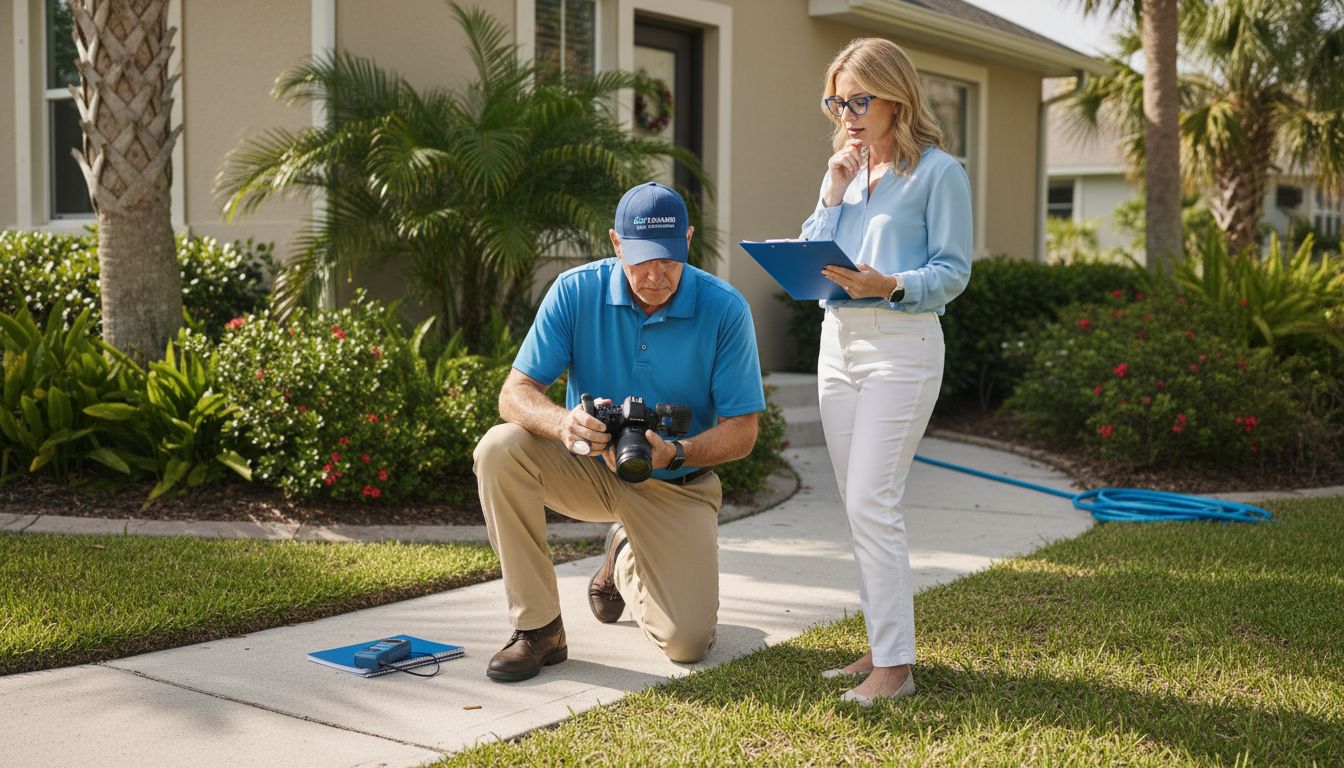
The inspection report goes beyond simple problem identification. It provides a nuanced understanding of the property’s current condition, potential future maintenance requirements, and critical safety considerations. By offering transparent, professional insights, home inspections empower stakeholders to make informed real estate decisions, potentially saving significant time and financial resources in the long term.
Legal and Ethical Responsibilities for Realtors
Real estate professionals operate within a complex landscape of legal and ethical obligations that demand the highest standards of professional conduct. According to Financial Services, REALTORS® are bound by a stringent Code of Ethics that mandates honest, transparent, and fair treatment of all parties in a real estate transaction.
Key Legal and Ethical Responsibilities include:
Disclosure of Material Facts
Transparent communication about property conditions
Avoiding misrepresentation or concealment
Protecting client interests
Professional Integrity
Maintaining confidentiality
Avoiding conflicts of interest
Providing accurate and timely information
Client Protection
Recommending comprehensive property assessments
Identifying potential risks and issues
Ensuring client’s informed decision-making
As Find Us Lawyers emphasizes, realtors have a fundamental duty to ensure clients are fully informed about a property’s condition. This responsibility extends beyond simple transaction facilitation, requiring proactive identification of potential issues such as structural defects, environmental hazards, and building code violations.
The ethical framework governing real estate transactions is not just a set of guidelines but a critical mechanism for maintaining professional standards. By consistently adhering to these principles, realtors protect not just their clients’ interests, but also the integrity of the entire real estate profession.
Understanding the Role of Inspector in Real Estate provides additional insights into how professional integrity shapes successful real estate interactions.
Benefits of Home Inspections for Agents
Home inspections represent a critical strategic advantage for real estate agents seeking to differentiate themselves in a competitive market. According to Wisconsin Realtors Association, these professional assessments can facilitate smoother transactions by identifying potential issues early, allowing for timely repairs or negotiations that ultimately enhance the agent’s professional reputation.
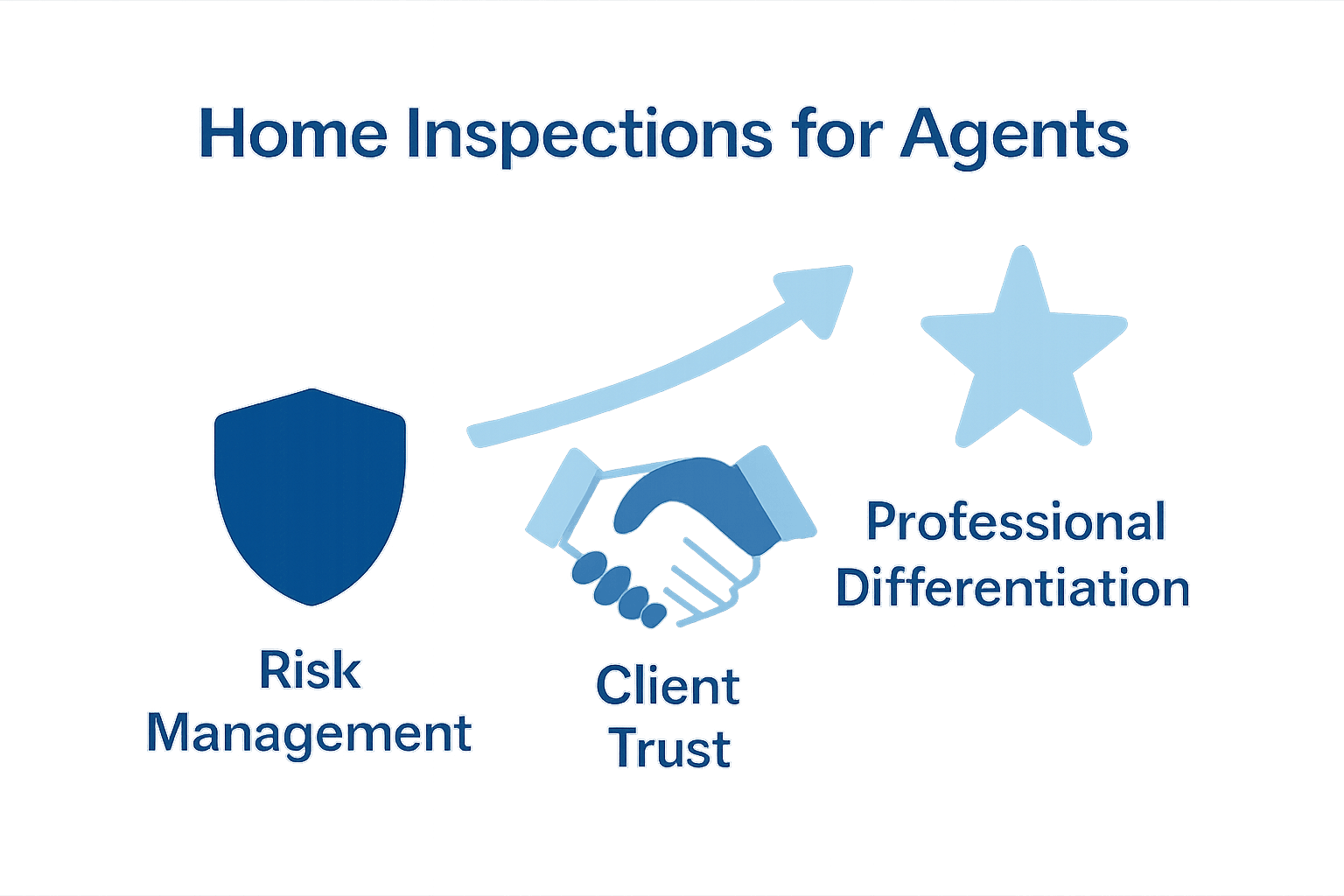
Key Benefits for Real Estate Agents include:
Transaction Risk Management
Identifying potential property issues before closing
Preventing last-minute deal complications
Reducing likelihood of transaction failures
Client Trust and Satisfaction
Demonstrating professional expertise
Providing transparent, comprehensive property insights
Building long-term client relationships
Professional Differentiation
Positioning as a knowledgeable advisor
Going beyond traditional sales approaches
Offering added value to clients
As Find Us Lawyers emphasizes, recommending thorough property inspections allows agents to protect their clients’ interests and ensure compliance with legal standards. 7 Key Benefits of Professional Home Inspections further explores how these evaluations can transform an agent’s professional practice.
Ultimately, home inspections are more than a procedural step—they’re a powerful tool for building credibility, managing risk, and demonstrating genuine commitment to client success. By proactively embracing comprehensive property assessments, agents can elevate their professional standing and create more reliable, transparent real estate transactions.
Common Pitfalls and How to Avoid Them
Real estate transactions are fraught with potential risks that can derail even the most promising deals. According to Find Us Lawyers, common pitfalls include overlooking critical property issues such as structural defects, moisture damage, pest infestations, and environmental hazards that can significantly impact a property’s value and livability.
Major Inspection-Related Pitfalls to watch out for:
Structural Problems
Foundation cracks
Roof damage
Unstable walls or floors
Compromised load-bearing elements
Hidden Environmental Risks
Mold and water damage
Asbestos or lead contamination
Radon exposure
Pest infestations
Technical System Failures
Electrical system inadequacies
Plumbing infrastructure issues
HVAC system inefficiencies
Outdated building systems
As Wisconsin Realtors Association warns, relying solely on property appraisals can be a significant mistake, especially in FHA and VA loans. Complete Guide to Inspections in Real Estate Sales provides additional insights into navigating these complex challenges.
Mitigating these risks requires a proactive, comprehensive approach. Real estate professionals must educate their clients about the importance of thorough home inspections, recommend experienced inspectors, and help clients understand the potential long-term implications of overlooking critical property assessments. By doing so, agents can transform potential pitfalls into opportunities for informed decision-making and successful real estate transactions.
Ensure Confidence in Every Transaction with Expert Home Inspections
Buying or selling a home comes with many challenges, especially when it comes to uncovering hidden issues that could affect property value and safety. The article highlights critical pain points such as managing risks from structural problems, ensuring transparent communication, and avoiding unexpected costly repairs. At Trinity Home Inspections, we understand the weight of these concerns and deliver thorough, unbiased evaluations that empower realtors to protect their clients and build trust.
Our team, led by Matt Cameron, combines professional integrity with a commitment to excellence and detailed reports that reveal the true condition of every property. Whether it is assessing foundations, electrical systems, or potential hazards, we provide clear, actionable insights that help real estate professionals avoid common pitfalls and navigate complex negotiations confidently.
Take control of your real estate transactions today with reliable support from Trinity Home Inspections.
Ready to offer your clients peace of mind while elevating your reputation? Visit our website to schedule a comprehensive home inspection and experience firsthand the value of partnering with a trusted local business dedicated to integrity and excellence. Let us help you make every deal a success with professional home inspections that truly matter.
Frequently Asked Questions
What is the main purpose of a home inspection for realtors?
The primary purpose of a home inspection for realtors is to assess a property’s condition and identify any potential issues, which can help facilitate informed decision-making for buyers and sellers in real estate transactions.
How can a home inspection benefit real estate agents?
Home inspections can benefit real estate agents by managing transaction risks, building client trust and satisfaction, and differentiating themselves in the market through their expert recommendations.
What are the key areas that a home inspection typically covers?
A home inspection typically covers essential areas such as structural integrity, electrical systems, plumbing infrastructure, roof condition, HVAC systems, and potential safety hazards within the property.
What are common pitfalls in real estate transactions regarding home inspections?
Common pitfalls include overlooking critical issues such as structural defects, moisture damage, pest infestations, and technical system failures, which can significantly impact a property’s value and livability.
Recommended