
Inspection Reports Explained: Complete Homebuyers Guide


Over sixty percent of homebuyers find hidden issues during inspections that might have been missed otherwise. Buying a home is one of the biggest financial decisions most people ever make, so skipping these crucial checks can lead to costly surprises. Understanding what an inspection report includes gives you the facts you need, helping protect your investment and avoid unwanted repair bills down the road.
Table of Contents
Key Takeaways
Point | Details |
Inspection Report Importance | A home inspection report offers an objective assessment of the property’s condition, essential for informed purchasing decisions. |
Key Sections | Comprehensive reports include executive summaries, detailed evaluations, and photographic evidence to highlight issues and recommendations. |
Types of Reports | Different inspection report types serve specific purposes, such as standard assessments, pre-listing checks, and warranty inspections, catering to varied client needs. |
Common Mistakes | Homebuyers should attend inspections, maintain realistic expectations, and clarify findings to avoid misunderstandings about property conditions. |
Defining an Inspection Report in Home Buying
When purchasing a home, understanding what an inspection report truly represents is critical. According to homeinspector.org, a home inspection is an objective examination of a property’s physical structure and systems, ranging from the roof down to the foundation. This comprehensive assessment provides potential homebuyers with an in-depth look at the property’s current condition.
The inspection report serves as a detailed diagnostic tool that reveals the hidden health of a property. As dos.ny.gov explains, inspectors observe and document the complex systems within a residential building, including:
Heating and cooling systems
Plumbing infrastructure
Electrical networks
Structural components
Other critical residential building elements
What makes an inspection report unique is its combination of visual documentation, professional analysis, and actionable recommendations. Professional inspectors don’t just point out problems they discover - they provide context, potential implications, and often suggest next steps for addressing any identified issues. Think of the report as a comprehensive health checkup for your potential new home, highlighting everything from minor cosmetic concerns to significant structural vulnerabilities that could impact your investment.
By investing in a thorough inspection report, homebuyers gain peace of mind and critical insights that inform their purchasing decisions. Learn more about inspection report examples to understand the nuanced details these professional assessments can reveal about a property’s true condition.
Key Sections and Details in Inspection Reports
A comprehensive home inspection report is far more than a simple checklist. According to law.cornell.edu, these critical documents must contain detailed information about the inspection, including the licensee, client, property details, inspection date, time, and even weather conditions at the time of assessment.
As documented by mass.gov, inspectors meticulously review multiple property components, focusing on readily accessible exposed portions such as:
Roof and attic structures
Interior walls and ceilings
Floors and windows
Doors and basement
Foundation systems
Heating and air conditioning
Plumbing infrastructure
Electrical networks
The standard inspection report typically includes several key sections designed to provide a comprehensive property assessment. These usually encompass an executive summary highlighting critical findings, detailed system-by-system evaluations, photographic evidence of potential issues, and professional recommendations for repairs or further investigation. Each section is crafted to give homebuyers a clear, objective understanding of the property’s condition.

To gain deeper insights into the intricacies of home inspections, learn more about what home inspectors wish you knew and how they approach these detailed assessments. Understanding these nuanced reports can transform your home-buying experience from uncertain to confident.
Types of Home Inspection Reports Explained
Home inspection reports are not one-size-fits-all documents. According to nachi.org, an inspection report is a written communication that potentially includes images detailing any material defects observed during the assessment. These reports come in various formats, each serving a unique purpose in the real estate transaction process.
Typically, homebuyers might encounter several distinct types of inspection reports:
Standard Home Inspection Report: A comprehensive overview of the property’s major systems and structural components
Specific Component Inspection: Focused assessment of particular areas like roofing, foundation, or electrical systems
Pre-Listing Inspection: Conducted by sellers to identify potential issues before putting the property on market
New Construction Inspection: Detailed examination of newly built homes to catch potential builder oversights
Warranty Inspection: Typically performed near the end of a home’s builder warranty period
Each report type provides different levels of detail and serves specific objectives in the home buying or selling process. Some reports might offer a basic overview, while others provide in-depth analysis with professional recommendations for repairs or further investigation. The goal is always to give homebuyers a clear, transparent understanding of the property’s condition.
Here’s a comparison of the main types of home inspection reports and their primary purposes:
Report Type | Purpose | Typical Users |
Standard Home Inspection | Overall system and structure assessment | Buyers |
Specific Component Inspection | Focus on one area (e.g., roof, electrical) | Buyers/Sellers |
Pre-Listing Inspection | Identify issues before selling | Sellers |
New Construction Inspection | Evaluate new builds for code and quality | Buyers/Builders |
Warranty Inspection | Check for issues before builder warranty expires | New Homeowners |
Discover the essential types of home inspections every buyer needs to ensure you’re making an informed decision about your potential new home. Understanding these report variations can be your secret weapon in navigating the complex world of real estate transactions.
How Inspectors Document and Evaluate Findings
Documenting a home inspection requires precision and expertise. According to homeinspector.org, high-quality inspection information must be accurate, complete, consistent, and timely, focusing specifically on the client’s unique needs. This means going beyond simple observations to provide meaningful insights.
Inspectors follow a systematic approach to evaluating and documenting property conditions, which typically includes:
Visual examination of accessible systems
Detailed photographic evidence
Measurement and assessment of potential defects
Professional grading of issues by severity
Comparative analysis with standard property expectations
As defined by law.cornell.edu, inspectors must meticulously inspect readily accessible systems and components, reporting on those that are significantly deficient or nearing the end of their service lives. Their documentation isn’t just about listing problems - it’s about providing context, potential implications, and recommended actions for each identified issue.
Explore our comprehensive guide to understanding home inspection standards to gain deeper insights into how professionals transform complex property assessments into clear, actionable reports. Understanding this process can help you make more informed decisions about your potential property investment.
Legal Standards and Homeowner Responsibilities
Home inspections operate within a complex framework of legal standards and professional expectations. According to mass.gov, a comprehensive home inspection includes a written evaluation of readily accessible components, encompassing critical residential building systems such as heating, cooling, plumbing, electrical infrastructure, structural elements, foundation, roofing, masonry, and both interior and exterior components.
Homeowner responsibilities during this process are multifaceted and include:
Providing unrestricted access to all property areas
Preparing documentation about the property’s history
Disclosing known issues or previous repairs
Ensuring safety and accessibility for the inspector
Maintaining clear communication about property concerns
Legal standards mandate that home inspectors must maintain professional objectivity, thoroughly document their findings, and provide clear, unbiased assessments. These standards protect both the homeowner and the inspector by establishing clear expectations and professional boundaries. Inspectors are legally required to report observable conditions without making speculative claims or providing repair estimates beyond their professional scope.
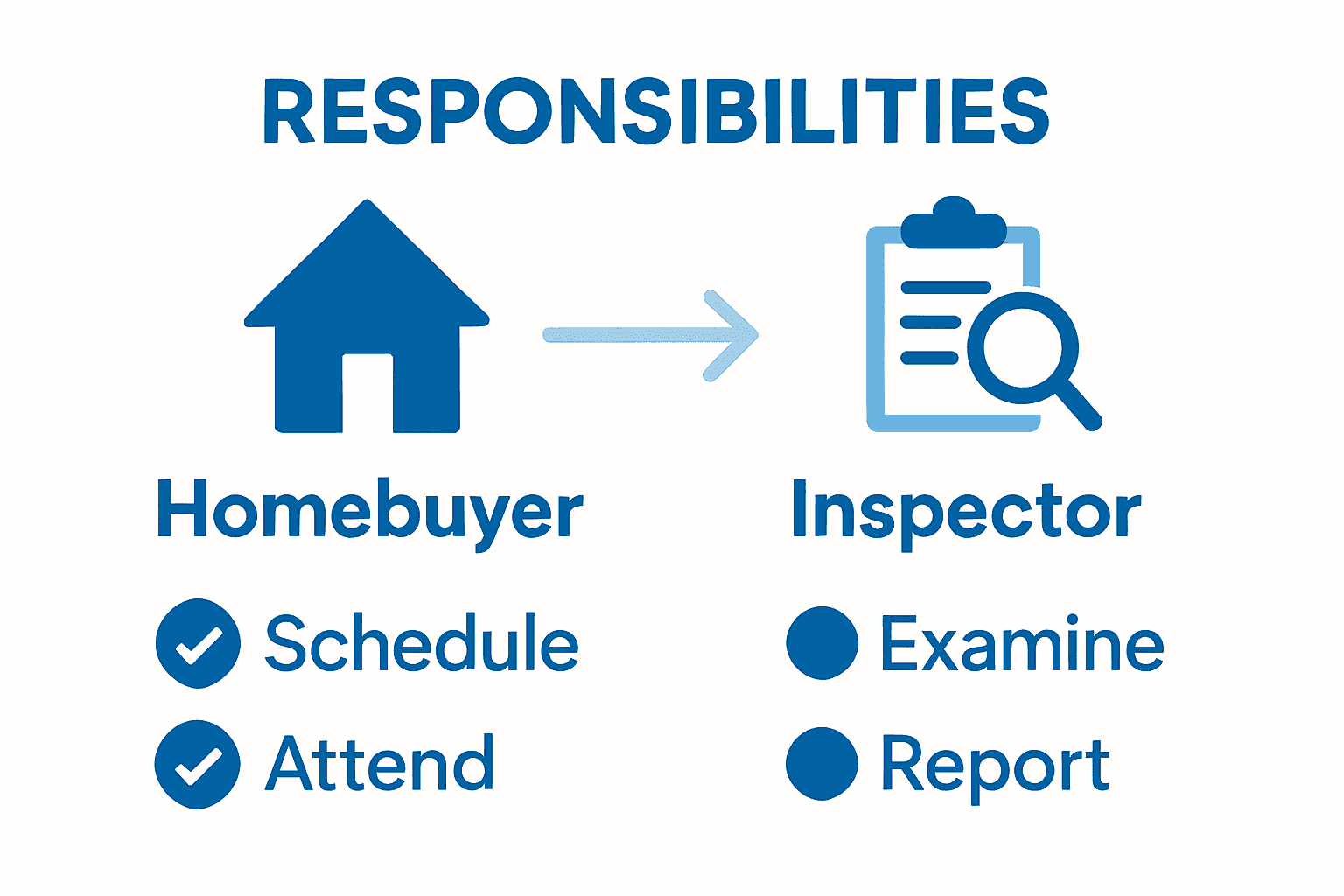
Understand the intricate role of inspectors in real estate sales to navigate the complex landscape of property transactions with confidence. Knowing your rights and responsibilities can transform a potentially stressful experience into a transparent, informative process.
Common Mistakes and How to Prevent Issues
Home inspection reports are a critical tool in real estate transactions, but they’re not without potential pitfalls. According to homeinspector.org, less experienced inspectors may rely too heavily on generic software and standardized report formats, which can result in less informative documentation. High-quality reports require personalized narratives and specific insights uniquely relevant to each individual client.
Common mistakes that homebuyers and sellers should watch for include:
Assuming the inspection covers absolutely everything
Ignoring minor issues that could signal larger problems
Not attending the inspection in person
Failing to ask follow-up questions about report findings
Misunderstanding the scope of the inspection
As mass.gov clarifies, home inspections are not designed to identify every single minor flaw or undetectable defect. Most cosmetic issues should be apparent to buyers without professional assistance. This means homebuyers must approach inspections with realistic expectations, understanding that the report provides a professional overview of the property’s condition, not an exhaustive guarantee of perfection.
Learn more about comprehensive home inspections in real estate sales to develop a nuanced understanding of what to expect during your property assessment. Knowledge is your best defense against misunderstandings and potential disappointments in the home buying process.
Protect Your Investment with a Trusted Home Inspection Partner
Homebuyers often face uncertainty when interpreting complex inspection reports that reveal the true condition of a property. This detailed guide on inspection reports highlights the importance of understanding defects, system evaluations, and legal standards so you can avoid costly surprises. At Trinity Home Inspections, we recognize these challenges and deliver clear, comprehensive, and personalized reports that go beyond generic checklists to give you peace of mind.

Don’t let confusion or overlooked details threaten your home purchase. Choose a local, family-owned business committed to integrity and excellence. Visit Trinity Home Inspections to schedule your inspection today and experience how our thorough approach transforms uncertainty into confidence. Learn more about what home inspectors wish you knew and explore types of home inspections essential guide to empower your next move.
Frequently Asked Questions
What is included in a home inspection report?
A home inspection report typically includes an executive summary of critical findings, detailed evaluations of systems and components, photographic evidence, and professional recommendations for repairs or further investigation.
Why is a home inspection report important for buyers?
A home inspection report provides critical insights into a property’s condition, highlighting potential issues that could impact the buyer’s investment and offering peace of mind before making a purchase.
How should I prepare for a home inspection?
Prepare for a home inspection by ensuring unrestricted access to all areas of the property, providing documentation about the property’s history, and disclosing any known issues or previous repairs.
What common mistakes do homebuyers make regarding inspection reports?
Common mistakes include assuming the inspection covers everything, ignoring minor issues that could indicate larger problems, not attending the inspection, and failing to ask follow-up questions about the report findings.
Recommended