
Complete Guide to Defining Home Inspection Standards

Updated: Nov 2, 2025
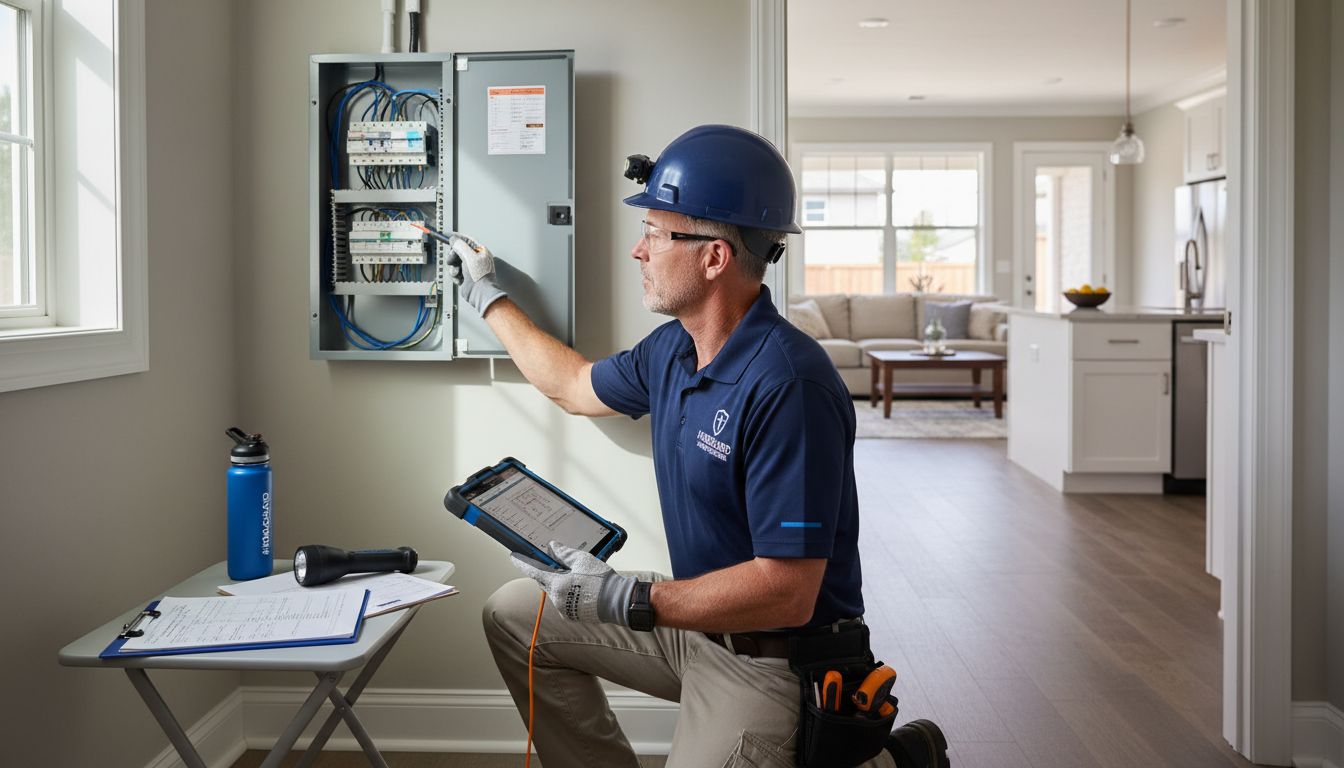
Did you know that over 80 percent of real estate buyers rely on home inspections before finalizing a purchase? Understanding what sets a quality home inspection apart can mean the difference between a confident investment and a costly mistake. Clear standards and detailed protocols shape how properties are evaluated, ensuring buyers and sellers can trust the results. Examining these standards reveals how professional inspections safeguard your interests and give true insight into a home’s condition.
Table of Contents
Key Takeaways
Point | Details |
Home Inspection Standards | Standards provide consistent guidelines for professional evaluations, ensuring safe and reliable property assessments. |
Types of Home Inspections | Various inspection types focus on critical property systems, enabling buyers to make informed decisions. |
Legal Framework in Alabama | Alabama mandates licensing, ethical conduct, and education for home inspectors to protect consumer interests. |
Best Practices in Inspections | Thorough evaluations, clear documentation, and ongoing education are essential for effective home inspections. |
Defining Home Inspection Standards Clearly
Home inspection standards are the critical foundation for ensuring safe, reliable property evaluations that protect homebuyers and sellers. Home inspection standards provide a systematic approach to assessing a property’s condition, defining precise guidelines for what professional inspectors must examine and document.
According to the North American Association of Home Inspectors (AHI), these standards outline the minimum guidelines for comprehensive property assessments. They specify exactly which systems and components must be thoroughly inspected, creating a consistent framework that ensures every home receives a structured, professional evaluation. The key areas typically covered include:
Structural integrity of the home
Electrical systems and their functionality
Plumbing network and potential issues
HVAC system performance
Roof and exterior condition
Foundation and potential structural concerns
The U.S. Department of Housing and Urban Development (HUD) has further refined these standards through the National Standards for the Physical Inspection of Real Estate (NSPIRE). These updated guidelines prioritize health and safety assessments, shifting focus from mere cosmetic evaluations to identifying functional defects that could compromise a property’s livability. Learn more about comprehensive home inspection guidelines to understand how these professional standards protect your investment.
By establishing clear, consistent inspection protocols, these standards ensure that homebuyers receive accurate, reliable information about a property’s condition. Professional home inspectors use these guidelines to conduct thorough assessments, providing transparency and helping clients make informed real estate decisions.
Types of Home Inspections Explained
Home inspections are not a one-size-fits-all process. Different types of inspections serve unique purposes, targeting specific aspects of a property’s condition and helping potential buyers make informed decisions. Understanding these variations is crucial for comprehensive property evaluation.
According to the North American Association of Home Inspectors (AHI), multiple inspection types cover various critical property systems. The primary types include:
Structural System Inspection: Assessing the home’s foundation, framing, and overall structural integrity
Exterior Evaluation: Checking siding, grading, drainage, and potential water damage risks
Roof Assessment: Examining roofing materials, potential leaks, and structural soundness
Plumbing System Inspection: Evaluating pipes, fixtures, water pressure, and potential leak points
Electrical System Check: Reviewing electrical panels, wiring, outlets, and potential safety hazards
HVAC System Inspection: Testing heating, cooling, and ventilation system performance
Interior Evaluation: Inspecting walls, ceilings, floors, windows, and doors
Insulation and Ventilation Assessment: Checking energy efficiency and potential moisture issues
The U.S. Department of Housing and Urban Development (HUD) further highlights that inspection types can vary based on property usage. Explore the essential types of home inspections every buyer needs to understand the comprehensive approach required for thorough property assessment.
Each inspection type serves a specific purpose, providing a detailed snapshot of a property’s condition. By understanding these different inspection approaches, homebuyers can ensure they receive a comprehensive evaluation that covers all critical aspects of their potential investment.
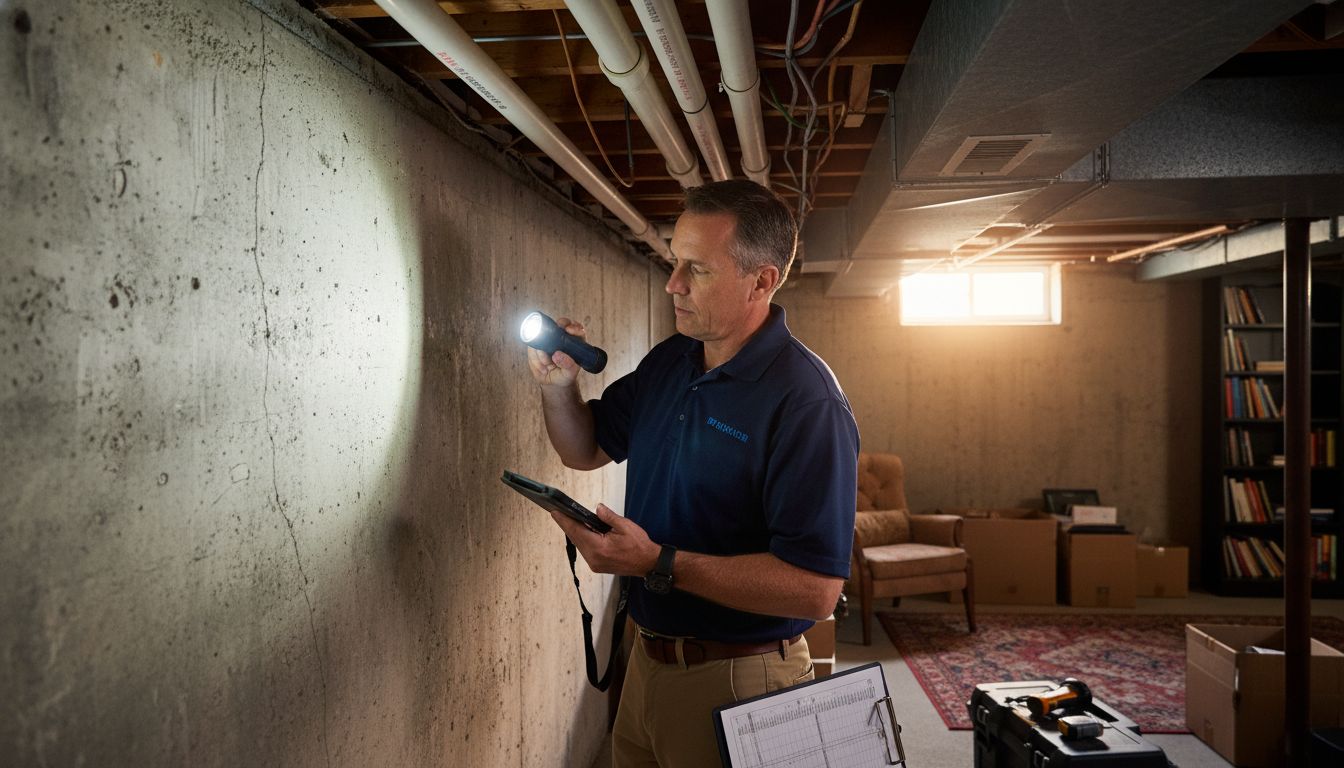
Here’s a summary of the main home inspection types and their focus areas:
Inspection Type | Main Focus Areas |
Structural System | Foundation Framing Structural integrity |
Exterior Evaluation | Siding Grading Drainage Water damage risk |
Roof Assessment | Roofing materials Leaks Roof structure |
Plumbing System | Pipes Fixtures Water pressure Leaks |
Electrical System | Panels Wiring Outlets Safety hazards |
HVAC System | Heating Cooling Ventilation performance |
Interior Evaluation | Walls Ceilings Floors Windows Doors |
Insulation & Ventilation | Energy efficiency Moisture issues |
Key Components in Home Inspection Standards
Home inspection standards are more than just a checklist. They represent a comprehensive framework designed to evaluate a property’s critical systems and potential risks with precision and thoroughness. These standards ensure that every important aspect of a home is carefully examined to protect potential buyers and homeowners.
According to the North American Association of Home Inspectors (AHI), the key components in home inspection standards encompass several crucial areas:
Structural System: Evaluating foundation, framing, and overall structural integrity
Exterior Components: Analyzing siding, grading, drainage, and potential water damage
Roof Assessment: Examining roofing materials, structural soundness, and potential leaks
Plumbing Systems: Inspecting pipes, fixtures, water pressure, and potential leak points
Electrical Systems: Reviewing panels, wiring, outlets, and safety hazards
HVAC Performance: Testing heating, cooling, and ventilation system functionality
Interior Conditions: Checking walls, ceilings, floors, windows, and doors
Insulation and Ventilation: Assessing energy efficiency and moisture-related risks
The U.S. Department of Housing and Urban Development (HUD) emphasizes that these standards prioritize health and safety hazards. Their NSPIRE guidelines focus on identifying functional defects that could compromise a property’s livability. Discover what a comprehensive home inspection truly consists of to understand the depth of these critical evaluations.
By establishing such detailed standards, home inspectors provide a systematic approach to property assessment. These comprehensive guidelines ensure that potential buyers receive a thorough, unbiased evaluation of a property’s condition, helping them make informed decisions about their real estate investments.
Legal and Regulatory Framework in Alabama
Home inspections in Alabama are not a wild west of unregulated services. The state has established a robust legal framework to ensure professional standards, protect consumers, and maintain the integrity of home inspection services across the Gulf Coast region.
According to the Alabama Division of Construction Management, home inspectors must meet stringent professional requirements:
Licensing Requirement: Mandatory state licensing for all professional home inspectors
Educational Qualifications: Specific training and educational background verification
Examination Standards: Successful completion of the National Home Inspector Examination
Ethical Compliance: Adherence to the Alabama Standards of Practice and Code of Ethics
The Alabama Administrative Code provides a comprehensive Code of Ethics that governs home inspector conduct. This code emphasizes critical principles such as:
Acting in good faith with clients
Maintaining strict client confidentiality
Avoiding potential conflicts of interest
Upholding the highest standards of professional integrity
Learn about essential home inspection best practices for Alabama buyers to understand how these legal frameworks protect your investment. These regulations ensure that home inspectors provide transparent, accurate, and reliable assessments that meet the state’s rigorous professional standards, giving homebuyers confidence in their property evaluation process.
Common Pitfalls and Best Practices
Home inspections are intricate processes where even small oversights can lead to significant problems. Understanding common pitfalls is crucial for both home inspectors and potential buyers to ensure comprehensive and accurate property evaluations.
According to the North American Association of Home Inspectors (AHI), several key best practices help mitigate potential inspection challenges:
Thorough System Examination: Comprehensive evaluation of all major property systems
Detailed Documentation: Precise and clear reporting of all findings
Professional Communication: Transparent explanation of inspection results
Systematic Approach: Consistent and methodical inspection procedures
Ethical Conduct: Maintaining professional integrity throughout the process
Continuous Learning: Staying updated with latest inspection techniques and standards
The U.S. Department of Housing and Urban Development (HUD) emphasizes that health and safety hazards should be the primary focus during inspections. Common pitfalls often include:
Overlooking subtle structural issues
Inadequate assessment of electrical systems
Superficial examination of plumbing networks
Incomplete documentation of potential risks
Failing to understand the interconnectedness of building systems
Discover what home inspectors wish buyers knew to better understand the nuanced world of property evaluations. By recognizing these potential challenges and adopting rigorous best practices, home inspectors can provide more reliable, comprehensive assessments that truly protect buyers’ interests.
Ensure Your Home Inspection Meets the Highest Standards
Understanding home inspection standards can be overwhelming, especially when your investment and peace of mind are on the line. This article emphasizes the importance of thorough evaluations covering structural integrity, electrical systems, plumbing, and more to protect your future home. At Trinity Home Inspections, we recognize these critical pain points and commit to delivering clear, comprehensive inspections that follow those exact professional standards.
Don’t leave your home purchase to chance. With our dedication to integrity, accuracy, and detailed reporting, Trinity Home Inspections offers you confidence through every step of your inspection. Whether you want to learn more about what a full home inspection entails or need expert assistance right here in the Alabama Gulf Coast, start with Trinity Home Inspections. Explore how we exceed expectations by visiting what a home inspection consists of or discover essential inspection best practices for Alabama buyers. Reach out today and protect your investment with professionals who care.
Frequently Asked Questions
What are home inspection standards?
Home inspection standards are guidelines that define the minimum criteria for evaluating a property’s condition. They ensure a systematic assessment of key components such as structural integrity, electrical systems, plumbing, HVAC systems, and more.
Why are home inspection standards important for buyers?
Home inspection standards provide buyers with reliable and accurate information about a property’s condition, helping them make informed decisions and protecting their investment from potential issues.
What types of inspections are covered by home inspection standards?
Home inspection standards cover various types of inspections, including structural system inspections, exterior evaluations, roof assessments, plumbing system inspections, electrical system checks, HVAC inspections, and more. Each type focuses on specific aspects of a property’s condition.
How do home inspectors ensure compliance with inspection standards?
Home inspectors ensure compliance with inspection standards by following established guidelines, conducting thorough evaluations of all essential systems, documenting their findings accurately, and adhering to ethical practices throughout the inspection process.
Recommended

