
Complete Guide to Hiring Certified Home Inspectors

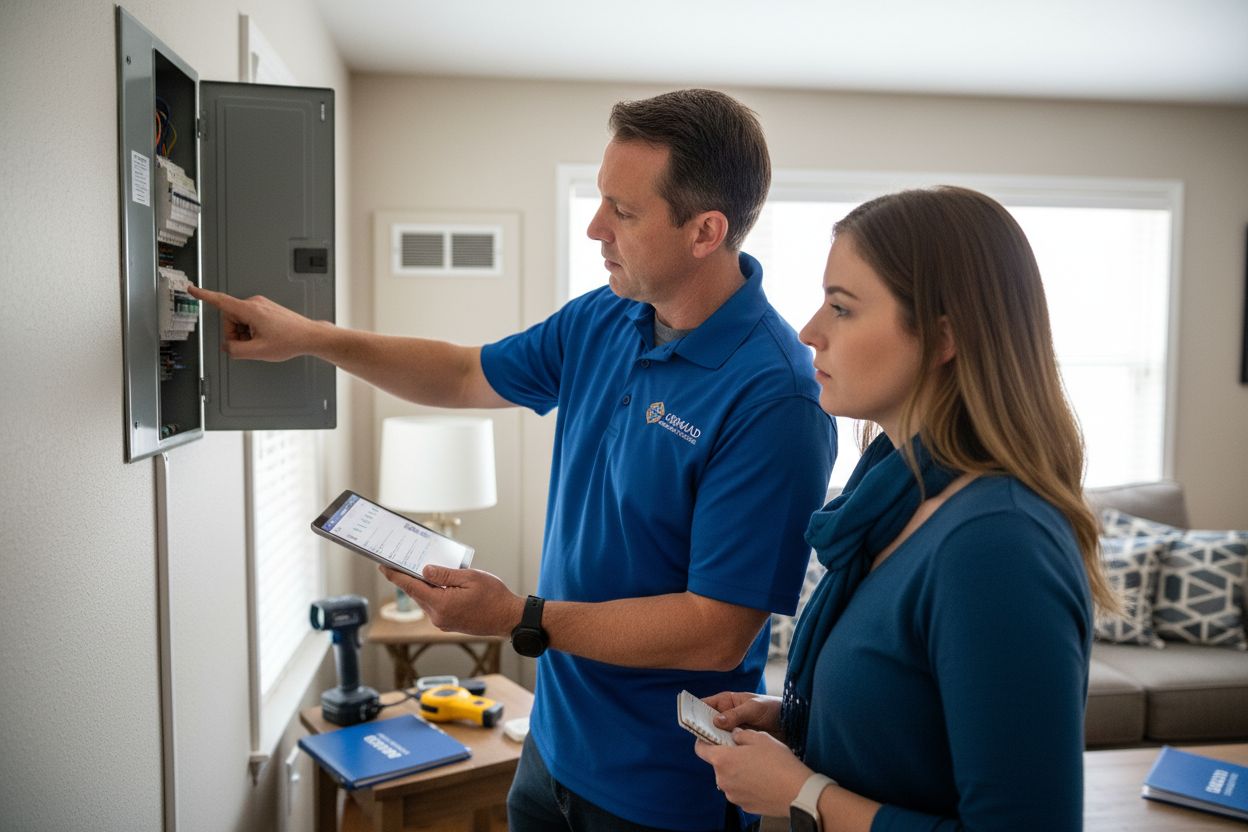
Did you know that over 80 percent of homebuyers rely on certified home inspectors before closing a deal? This step is more than tradition—it helps safeguard your investment and uncovers issues that could cost you thousands down the road. Choosing a certified inspector means trusting a trained expert to evaluate every critical system in your future home, offering clarity and peace of mind as you make one of life’s biggest financial decisions.
Key Takeaways
Point | Details |
Certified Inspectors are Essential | Engaging certified home inspectors ensures comprehensive evaluations that protect your investment through systematic assessments. |
Stringent Certification Requirements | Home inspectors must pass rigorous exams, complete professional education, and adhere to a strict code of ethics for credibility. |
Legal Protections for Consumers | Regulatory frameworks establish clear standards, providing homebuyers transparency and accountability in inspections. |
Investment in Inspections Saves Money | While inspection costs may seem significant, they can prevent thousands in repairs by identifying issues before purchase. |
Table of Contents
Certified Home Inspectors Explained Clearly
A certified home inspector is a professional trained to conduct thorough assessments of residential properties, identifying potential issues and providing comprehensive insights about a home’s condition. Unlike casual observers, these professionals follow strict standards to ensure precise evaluations.
According to industry regulations, home inspectors must typically meet rigorous qualification standards. Learn more about comprehensive home inspection basics to understand the depth of their expertise. In many U.S. states, becoming a certified home inspector involves:
Completing an approved training course
Passing a state-administered professional examination
Obtaining necessary licensing credentials
Maintaining ongoing professional education credits
The certification process ensures that home inspectors possess the technical knowledge and practical skills required to thoroughly examine critical home systems. These professionals are trained to assess structural integrity, electrical systems, plumbing, HVAC functionality, and potential safety hazards. Their comprehensive evaluations help homebuyers make informed decisions by uncovering potential problems that might not be visible to the untrained eye.
When selecting a home inspector, look for professionals who are not just certified, but also demonstrate a commitment to ongoing learning and maintaining high professional standards. The right inspector doesn’t just check boxes – they provide detailed insights that can save you significant time, money, and potential future headaches in your property investment.
Essential Certification Requirements and Standards
Becoming a certified home inspector involves meeting stringent professional standards that ensure quality, reliability, and expertise. Discover more about what home inspections consist of to understand the comprehensive nature of this profession.
According to the American Society of Home Inspectors (ASHI), obtaining certification requires a rigorous process. Specifically, an ASHI Certified Inspector (ACI) must:
Pass the National Home Inspector Examination (NHIE)
Complete 250 fee-paid professional inspections
Submit compliant and detailed inspection reports
Adhere to a strict code of professional ethics
Earn continuing education credits annually
State licensing requirements further reinforce professional standards. Typically, aspiring home inspectors must complete a specified number of education hours, undergo supervised field training, and demonstrate competence through national or state examinations. Additionally, most jurisdictions require home inspectors to maintain professional liability insurance and strictly comply with established Standards of Practice.
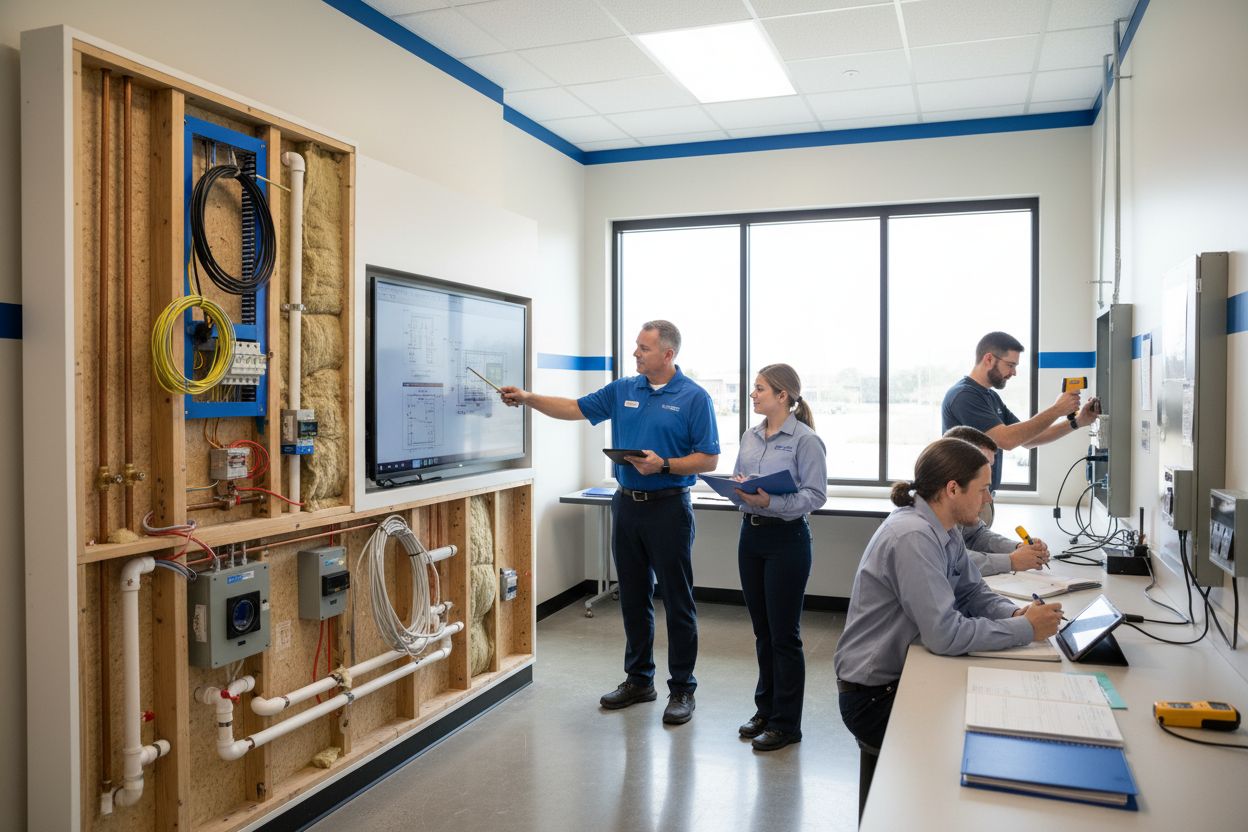
Beyond technical requirements, successful home inspectors develop a combination of technical knowledge, attention to detail, and strong communication skills. The certification process is designed not just to test technical competence, but to ensure that professionals can provide clear, comprehensive insights that help homebuyers make informed decisions about their potential property investments.
Key Benefits of Hiring Certified Inspectors
Certified home inspectors bring unparalleled expertise and professionalism to property assessments. Learn more about what to look for in a home inspector to understand the depth of their value. According to industry research, these professionals offer critical advantages that go far beyond a simple property walkthrough.
According to InterNACHI, certified professional inspectors provide significant consumer protection through:
Rigorous continuing education
Comprehensive Standards of Practice
A strict Code of Ethics
Comprehensive system knowledge
Accurate and thorough documentation
These inspectors drastically reduce the risk of missed defects by applying systematic, standardized assessment techniques. Their training enables them to identify subtle issues that untrained eyes might completely overlook, potentially saving homebuyers thousands in unexpected repair costs. By following established professional guidelines, certified inspectors provide an objective, comprehensive evaluation that goes well beyond a casual property assessment.
Beyond technical skills, certified inspectors offer peace of mind. They transform a potentially stressful home buying experience into a transparent, informative process. Their detailed reports, professional demeanor, and commitment to ongoing education mean you’re getting more than just an inspection – you’re getting a knowledgeable partner who can help you make one of the most significant financial decisions of your life.
Legal Responsibilities and Consumer Protections
Home inspection regulations serve as a critical safeguard for homebuyers, establishing clear professional standards and consumer protections. Explore home inspection services benefits to understand the comprehensive legal framework that protects your interests.
According to legal research, licensed home inspectors must adhere to stringent regulatory requirements, which typically include:
Maintaining mandatory liability insurance
Following established Standards of Practice
Providing clear and comprehensive reporting
Maintaining professional certification
Adhering to state-specific regulatory oversight
In the United States, home inspections are often a crucial contingency in real estate purchase contracts. Many states have implemented robust consumer protection mechanisms, including regulations that prevent real estate agents from inappropriately steering buyers towards specific inspectors. This approach ensures an unbiased, transparent assessment process that prioritizes the buyer’s interests and financial protection.
The legal framework surrounding home inspections is designed to provide transparency, accountability, and protection. Inspectors are not just professional service providers, but also legally bound professionals who must operate within strict ethical and technical guidelines. By understanding these legal responsibilities, homebuyers can approach property purchases with greater confidence, knowing that professional standards and regulatory protections are working to safeguard their investment.
Comparing Certified vs. Non-Certified Inspectors
Understanding the critical differences between certified and non-certified home inspectors can significantly impact your property investment. Learn more about the role of inspectors in real estate to grasp the nuanced landscape of professional home inspections.
According to research, key distinctions between certified and non-certified inspectors include:
Ethical and Professional Guidelines
Standardized Training Protocols
Consistent Quality Assurance
Ongoing Professional Development
Adherence to Industry Best Practices
In states without strict home inspector regulations, professional certification becomes even more crucial. Certified inspectors from organizations like ASHI or InterNACHI voluntarily adhere to rigorous standards that non-certified professionals might not follow. This means certified inspectors provide a level of credibility and reliability that goes beyond basic visual assessments.
Non-certified inspectors may lack the comprehensive training and consistent methodological approach that certified professionals bring to their work. While a non-certified inspector might complete a basic property walkthrough, a certified inspector provides a systematic, thorough evaluation that can uncover potential issues missed by less trained eyes. The additional investment in a certified inspector can potentially save thousands in unexpected repair costs and provide peace of mind during one of the most significant financial transactions of your life.
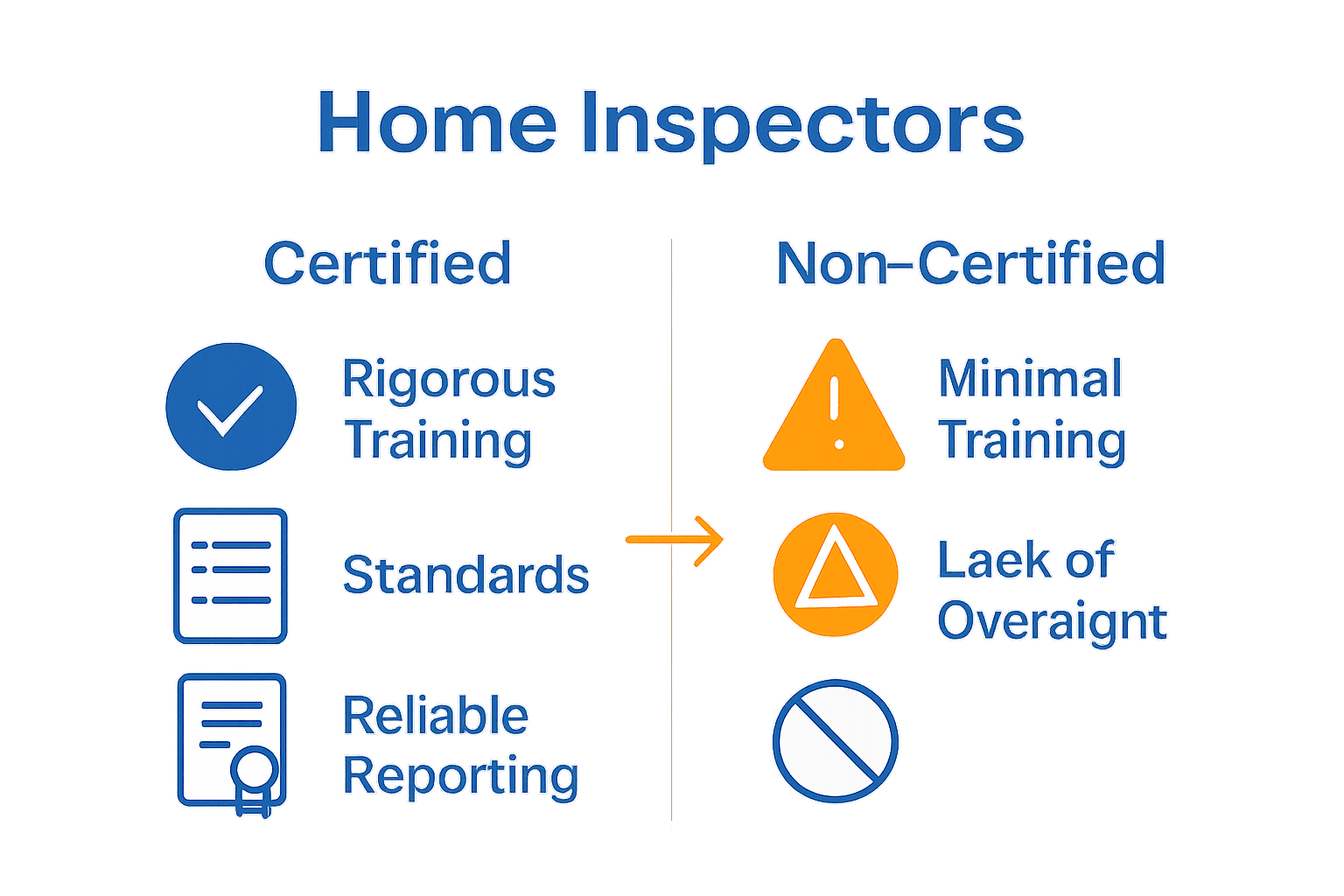
Here’s a comparison of certified vs. non-certified home inspectors:
Criteria | Certified Inspector | Non-Certified Inspector |
Training Requirements | Formal courses State/national exam | May lack formal training |
Ethical Standards | Strict code of ethics | Varies or may be minimal |
Ongoing Education | Required continuing education | Rarely required |
Report Quality | Detailed, standardized documentation | May be basic or inconsistent |
Consumer Protection | Liability insurance Regulatory oversight | Often lacks formal protections |
Inspection Approach | Systematic, comprehensive assessment | Basic walkthrough possible |
Professional Credibility | Recognized credentials Verified skills | Credentials not guaranteed |
Typical Costs and Financial Implications
Home inspection costs represent a critical investment in your property purchase, with pricing that reflects the depth of professional expertise. Explore home inspection services benefits to understand the financial value behind these essential evaluations.
Typical home inspection expenses can vary depending on several factors, but homebuyers can generally expect:
Residential inspections: $300-$500 for average-sized homes
Larger or more complex properties: $500-$800
Specialized inspections (e.g., older homes, larger estates): $800-$1,200
Additional specialized assessments: $100-$250 per service
From the inspector’s perspective, becoming a professional home inspector involves significant upfront investment. According to industry research, professionals typically spend between $2,000 to $5,000 to establish their practice, covering expenses such as pre-licensing education, examination fees, professional insurance, necessary tools, and initial business setup costs.
While the inspection fee might seem like an additional expense, it’s actually a crucial financial safeguard. A comprehensive home inspection can potentially save buyers tens of thousands of dollars by identifying potential structural issues, hidden damages, or necessary repairs before finalizing a property purchase. Think of it as a small investment that protects your much larger real estate investment – a strategic financial decision that provides both peace of mind and potential long-term savings.
Protect Your Home Purchase with Trusted Local Experts
Are you feeling overwhelmed by the pressure of choosing the right certified home inspector? As highlighted in the “Complete Guide to Hiring Certified Home Inspectors,” making the wrong decision can lead to missed defects, unexpected repair costs, and regret during one of life’s biggest investments. At Trinity Home Inspections, we understand how much is at stake and why hiring a licensed, insured, and deeply committed inspection team is the best step toward a confident real estate purchase. Get the clear, accurate reports and honest, professional advice you need. Learn more about our reliable inspection services and see how we stand out from the rest.
Ready to move forward with peace of mind? Schedule your inspection with Trinity Home Inspections today and experience the difference that true expertise and integrity make. Don’t risk your investment. Visit our website now to get started or discover more about what a comprehensive home inspection covers.
Frequently Asked Questions
What is a certified home inspector?
A certified home inspector is a trained professional who conducts thorough evaluations of residential properties, following strict standards to identify potential issues and provide insights about a home’s condition.
What are the requirements to become a certified home inspector?
To become a certified home inspector, candidates typically need to complete an approved training course, pass a state-administered examination, obtain necessary licensing, and engage in ongoing education to maintain their certification.
Why should I hire a certified home inspector instead of a non-certified one?
Certified home inspectors have undergone formal training, adhere to a strict code of ethics, and maintain rigorous continuing education, providing more reliable evaluations compared to non-certified inspectors who may lack structured training and accountability.
How much does a home inspection typically cost?
The cost of a home inspection usually ranges from $300 to $500 for average-sized homes, with larger or specialized properties costing between $500 and $1,200 depending on complexity and additional assessments needed.
Recommended