
Why Insulating AC Condensation Drain Matters for Your Home

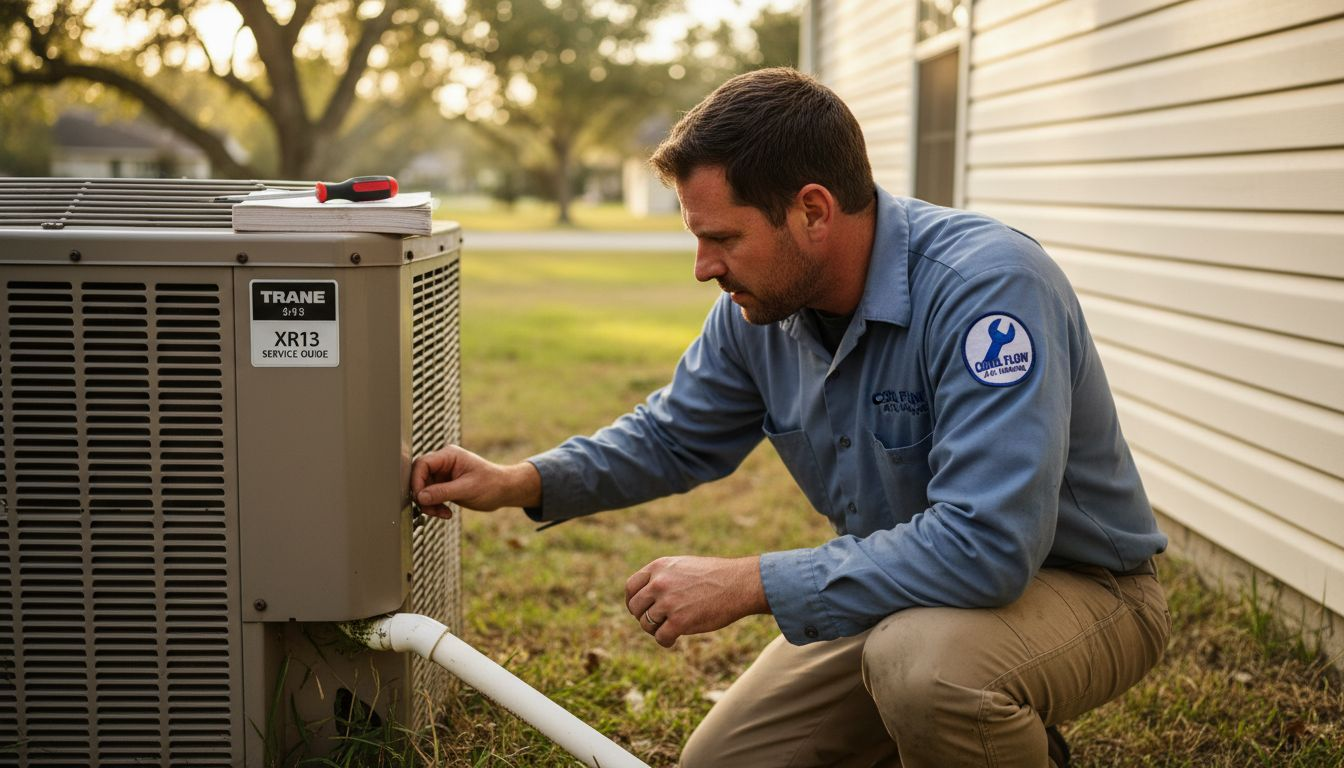
A small drip under the air conditioner can turn into a big repair bill for many Alabama homeowners. In places like Baldwin and Mobile counties, where summer heat and humidity push AC systems to their limits, ignoring an uninsulated condensation drain line opens the door to moisture buildup, unexpected leaks, and even mold that damages walls and floors. Proper insulation shields your home from hidden water damage and keeps your HVAC system running efficiently, helping you avoid headaches and expensive surprises down the road.
Table of Contents
Quick Summary
Key Insight | Explanation |
1. Insulate AC drain lines | Proper insulation prevents condensation and protects against water damage and microbial growth. |
2. Regular inspections needed | Check for debris, moisture, or structural damage to your AC drain lines to avoid costly repairs. |
3. Use appropriate materials | Select insulation that suits your environment to effectively reduce energy loss and moisture. |
4. Thorough cleaning is essential | Clean and dry the AC drain area before insulation to ensure optimal performance and prevent issues. |
Step 1: Assess Common Risks of Uninsulated AC Drain Lines
Understanding the potential risks of an uninsulated air conditioning condensation drain line is critical for protecting your home from water damage and potential microbial growth. Condensation control strategies reveal several key risks homeowners need to consider.
Uninsulated AC drain lines pose multiple significant challenges that can compromise your home’s structural integrity. These risks include:
Water backup caused by debris and algae blockages
Temperature variations leading to unexpected condensation
Potential structural damage from continuous moisture exposure
Microbial growth in areas with consistent dampness
The primary danger involves moisture accumulation. When drain lines lack proper insulation, they become vulnerable to temperature fluctuations that create condensation opportunities. This moisture can lead to serious home damage, including rot, mold, and potential foundational issues. Uninsulated drain systems dramatically increase your risk of unexpected water damage that could cost thousands in repairs.
Here’s a summary of how proper AC drain line insulation benefits your home:
Benefit | How It Helps | Long-Term Impact |
Moisture reduction | Prevents condensation | Lowers mold and rot risk |
Energy efficiency | Reduces heat transfer | Decreases utility costs |
System reliability | Minimizes drain clogs | Extends equipment lifespan |
Structural protection | Avoids water leaks | Prevents costly repairs |
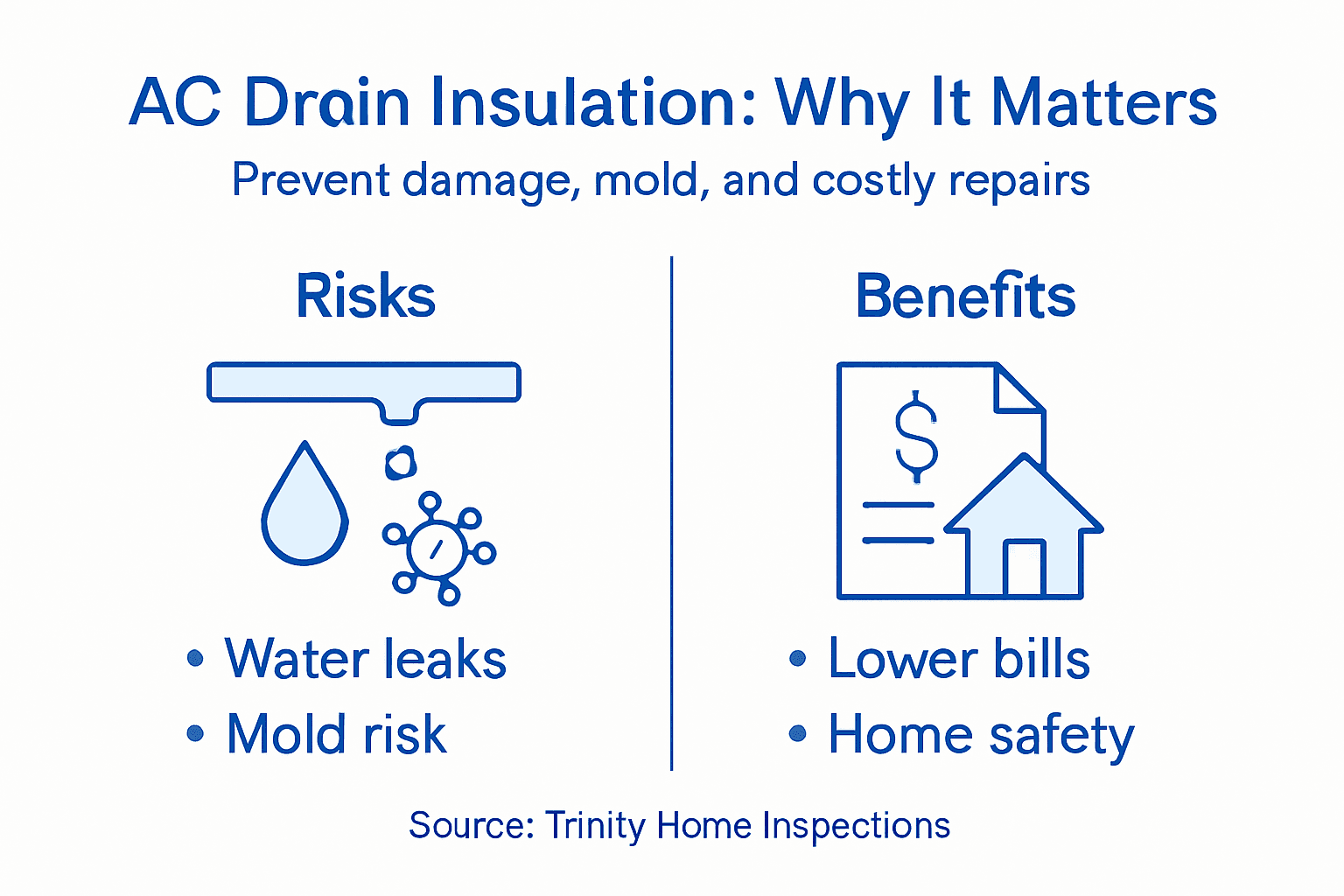
Professional home inspectors recommend checking your AC drain lines regularly for signs of potential issues. Look for water stains, unexpected moisture near your HVAC system, or unusual drainage patterns that might indicate underlying problems.
Pro tip: Schedule an annual professional inspection of your AC condensation drain lines to catch potential issues before they become expensive problems.
Step 2: Gather Tools and Materials for Effective Insulation
Preparing for your AC drain line insulation project requires selecting the right insulation materials and tools. This step ensures you have everything needed to protect your home’s HVAC system and prevent potential water damage.
Your essential toolkit should include:
Protective gear
Safety gloves
Safety glasses
Cutting tools
Utility knife
Measuring tape
Insulation materials
Foam pipe insulation sleeves
Adhesive tape
Rubber tubing
Vapor barrier wrap
Professional-grade insulation requires precise preparation and the right equipment to ensure maximum effectiveness.
When selecting insulation materials, consider your specific environment and drain line characteristics. Ductwork insulation techniques recommend choosing materials that prevent both energy loss and moisture accumulation. Look for foam pipe insulation with strong adhesive properties and adequate thickness to create a complete protective barrier.
Before beginning installation, ensure your work area is clean and dry. Measure your AC drain lines carefully and purchase slightly more insulation material than you think you’ll need to account for potential mistakes or complex pipe configurations.
Use this guide to select the best insulation material for your AC drain line:
Material Type | Best For | Key Attribute |
Foam pipe sleeves | Standard environments | Flexible, easy to cut |
Rubber tubing | High-moisture areas | Resists microbial growth |
Vapor barrier wrap | Extreme temp changes | Superior moisture seal |
Pro tip: Test-fit your insulation materials before final installation to ensure a snug, consistent coverage that eliminates potential gaps.
Step 3: Clean and Prepare the AC Condensation Drain Area
Before insulating your AC condensation drain, you’ll need to thoroughly clean and prepare the drain area to ensure optimal performance and prevent potential water damage. This critical preparation step sets the foundation for effective insulation and long-term system reliability.
Your cleaning process should include these key steps:
Inspect the drain pan
Check for cracks or damage
Verify proper slope for drainage
Remove debris
Clear out algae buildup
Eliminate any visible blockages
Clean the drain line
Use specialized cleaning solution
Flush thoroughly with water
Dry the surface completely
Use clean towels
Ensure no moisture remains
Proper preparation is the key to preventing future water damage and maintaining your HVAC system’s efficiency.
When cleaning, pay special attention to air conditioner condensate maintenance techniques. Use a mixture of white vinegar and water to flush the drain line, which helps remove organic buildup and prevents microbial growth. Ensure you’re working in a well-ventilated area and wearing protective gloves during the cleaning process.
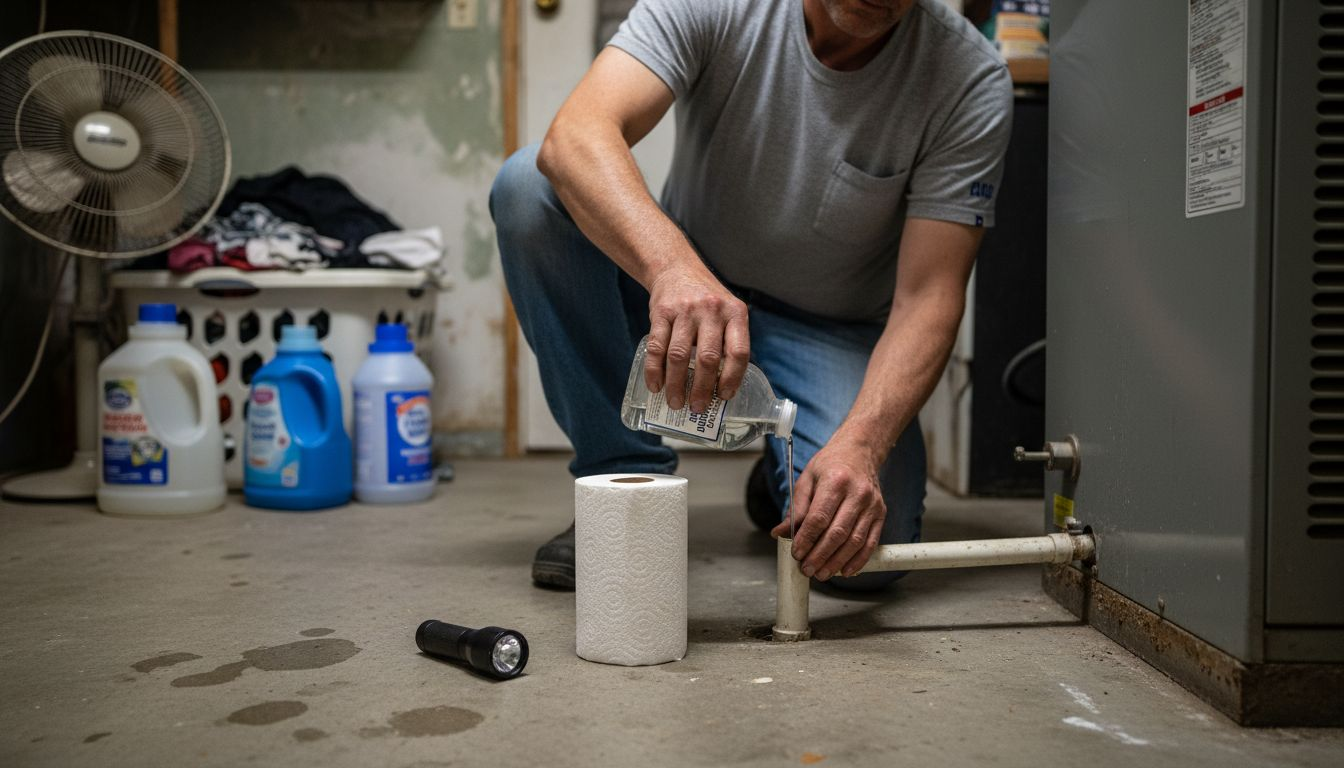
After cleaning, carefully inspect the entire drain area for any signs of potential issues like hairline cracks, unusual discoloration, or persistent moisture that might indicate underlying problems. A thorough cleaning prepares the surface for the next step of insulation installation.
Pro tip: Take clear photos of the drain area before and after cleaning to document your maintenance and track any potential changes over time.
Step 4: Install Insulation on the Condensation Drain Line
Now it’s time to protect your AC system by installing insulation on the condensation drain line. This critical step will help prevent moisture buildup and potential water damage to your home’s infrastructure.
Your insulation installation process should follow these key steps:
Measure the drain line
Use measuring tape for precise length
Add 10% extra material for overlaps
Prepare insulation material
Cut foam or rubber tubing to fit
Ensure clean, dry cutting surface
Apply insulation
Slide or wrap insulation around drain line
Pay special attention to elbows and joints
Seal the insulation
Use waterproof tape on seams
Secure with wire ties if necessary
Proper insulation creates a continuous barrier that prevents condensation and protects your HVAC system.
When installing, follow condensation line insulation techniques carefully. Make sure the insulation fits snugly without gaps, which can allow moisture to penetrate. Check that all connections are tight and sealed, especially around corners and junction points where condensation is most likely to form.
Remember to work methodically and ensure complete coverage of the entire drain line. Take your time to create a seamless insulation barrier that will protect your home’s HVAC system from potential water damage.
Pro tip: Use a heat gun on low setting to help the insulation material conform smoothly to the drain line’s contours.
Step 5: Check for Secure Coverage and Test System for Leaks
After completing your insulation installation, it’s crucial to verify the system’s leak prevention and ensure comprehensive protection for your home’s HVAC system. This final inspection step will help you confirm that your hard work pays off in preventing potential water damage.
Your comprehensive inspection should include:
Visual inspection
Check entire drain line for complete coverage
Look for any gaps or exposed areas
Insulation attachment
Verify tape and tie downs are secure
Ensure no loose sections
Moisture testing
Run AC system for full cycle
Observe drain line for any water leakage
Connection points
Examine joints and elbows carefully
Check for any signs of moisture or weakness
A thorough inspection now can prevent costly water damage repairs later.
Conducting a comprehensive air conditioning system test requires patience and attention to detail. Turn on your air conditioning system and monitor the drain line closely for at least a full cooling cycle. Watch for any water droplets, unexpected moisture, or signs of condensation that might indicate an imperfect insulation installation.
If you notice any issues during your inspection, don’t hesitate to readjust the insulation or seek professional help. Small gaps or loose sections can quickly become significant problems if left unchecked.
Pro tip: Use a flashlight during your inspection to help spot even the smallest gaps or moisture spots in your insulation.
Protect Your Home from Hidden Moisture Risks with Professional Inspection
Insulating your AC condensation drain line is crucial to prevent costly water damage, microbial growth, and structural issues. If you have noticed unexplained moisture, stains near your HVAC system, or want to ensure your drain lines are properly insulated and leak-free, expert guidance can make all the difference. At Trinity Home Inspections, our InterNACHI-certified inspectors use advanced tools like thermal imaging and moisture meters to detect hidden condensation problems and insulation gaps before they become expensive repairs.

Don’t wait until a small problem leads to a major headache. Schedule a thorough home inspection today with Trinity Home Inspections to get same-day, photo-rich reports that clearly identify any moisture concerns impacting your AC system. Learn more about our commitment to integrity and faith-based values as we help protect your home in Baldwin, Mobile, Washington, and the surrounding Gulf Coast Alabama area. Visit our main landing page and discover how our specialized inspection services give you the confidence to make informed decisions about your home’s health and safety.
Frequently Asked Questions
Why is it important to insulate AC condensation drain lines?
Insulating AC condensation drain lines is crucial because it prevents moisture accumulation, reducing the risk of mold and structural damage in your home. Take a proactive approach by insulating your drain lines to avoid costly repairs in the future.
What materials are best for insulating AC drain lines?
The best materials for insulating AC drain lines include foam pipe insulation sleeves and rubber tubing. Choose materials that are designed to resist moisture and provide adequate thermal insulation; this will enhance the longevity of your HVAC system.
How do I clean and prepare my AC condensation drain for insulation?
To clean your AC condensation drain, inspect the drain pan for cracks, remove any debris, and thoroughly flush the drain line with a cleaning solution. Ensure the area is dry before you begin insulating to maximize effectiveness and prevent moisture issues.
What steps should I follow to install insulation on the drain line?
To install insulation, measure the drain line, cut the insulation material to size, and apply it tightly around the line, paying special attention to joints. Secure all seams with adhesive tape to create a continuous barrier against condensation.
How can I test my insulated AC drain line for leaks?
After installing insulation, run the AC system for a full cycle and visually inspect the drain line for any signs of moisture or leakage. This testing process helps ensure that your insulation is effective and that there are no weaknesses in coverage that could lead to water damage.
How often should I check my AC condensation drain lines for maintenance?
You should check your AC condensation drain lines at least once a year for signs of moisture or blockages. Scheduling regular inspections allows you to address any issues before they escalate into more significant problems, ensuring the reliability of your HVAC system.
Recommended

