
Attic Ventilation: Protecting Your Home in Alabama
- Matt Cameron
- Feb 13
- 9 min read
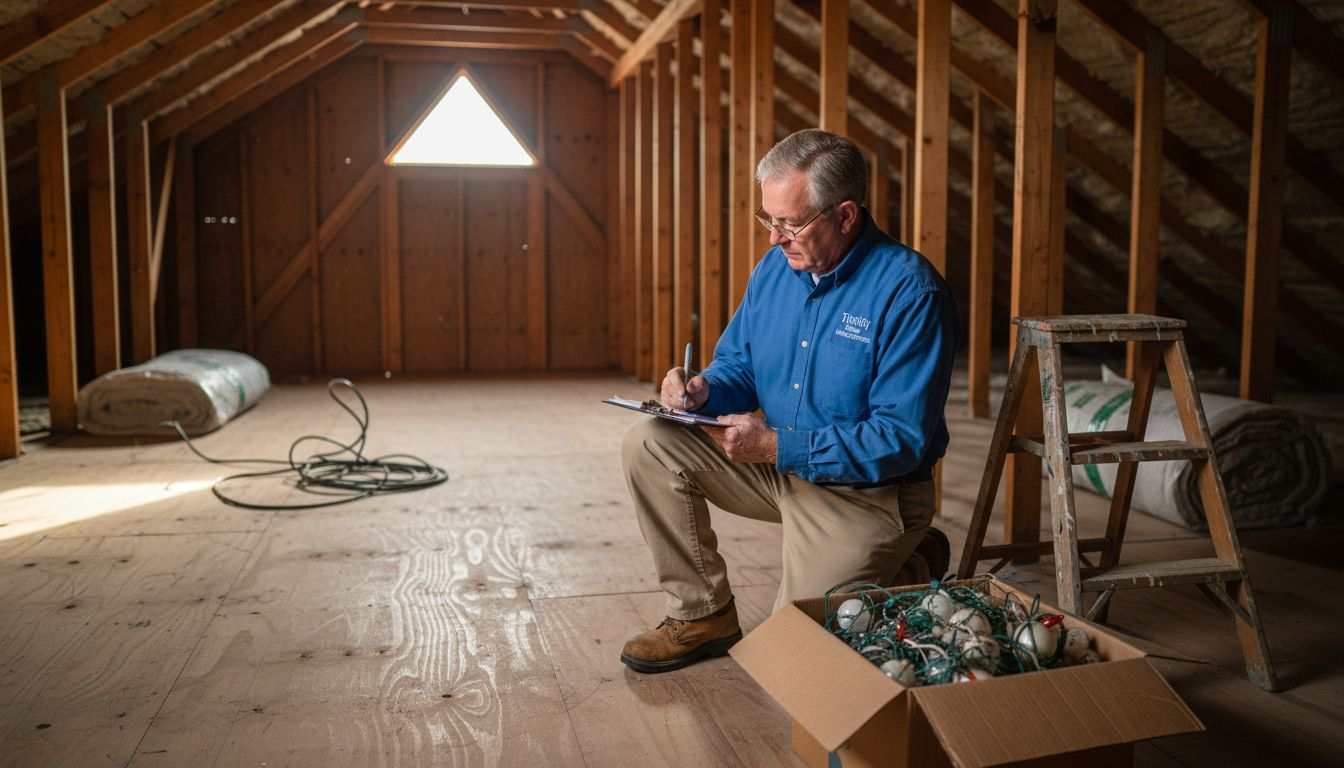
Stepping into an attic on a typical Alabama summer day often reveals just how intense the heat and humidity can get. For homeowners in Baldwin and Mobile Counties, proper attic ventilation is more than a comfort issue—it is a safeguard against mold, wood rot, high energy bills, and premature roof damage. Discover how balanced airflow strategies can protect your investment, lower costs, and create a healthier living space ready for sale or renovation.
Table of Contents
Key Takeaways
Point | Details |
Importance of Attic Ventilation | Attic ventilation is essential for protecting homes from heat and moisture buildup, especially in Alabama’s humid climate. Proper ventilation can lower energy costs and extend the life of roofing materials. |
Types of Ventilation Systems | Homeowners can choose between static and powered ventilation systems based on their specific needs and local climate conditions. Static systems rely on natural airflow, while powered systems actively move air. |
Warning Signs of Poor Ventilation | Homeowners should watch for signs of poor ventilation such as visible moisture, rust, or high energy bills to address issues before they escalate. Regular inspections are crucial for maintaining ventilation effectiveness. |
Building Code Compliance | Alabama has strict building codes for attic ventilation that homeowners must follow to ensure safety and efficiency. Adhering to these guidelines helps prevent structural damage and improves indoor air quality. |
What Is Attic Ventilation and Why It Matters
Attic ventilation represents a critical home maintenance strategy that protects your property from potential structural damage and energy inefficiency. In Alabama’s hot and humid climate, proper attic ventilation becomes even more essential for maintaining a comfortable and healthy living environment.
At its core, attic ventilation is a system designed to regulate temperature and moisture levels within your home’s uppermost space. Proper air circulation techniques help prevent multiple potential issues by creating a balanced airflow between the interior and exterior of your attic space. This process involves two primary components: intake vents near the eaves and exhaust vents near the roof peak.
Why does attic ventilation matter so much for Alabama homeowners? Here are several key reasons:
Reduces extreme heat buildup during summer months
Prevents moisture accumulation that can lead to microbial growth
Helps lower energy costs by reducing air conditioning strain
Extends the lifespan of roofing materials
Mitigates potential ice dam formation during occasional cold spells
The two primary ventilation methods include static and mechanical systems. Static ventilation relies on natural convection, where cooler air enters through soffit vents and warm air escapes through ridge or roof vents. Mechanical ventilation uses powered fans to actively move air, which can be particularly effective in Alabama’s challenging climate conditions.
Pro tip: Schedule a professional home inspection to assess your current attic ventilation system and identify potential improvements that could save you money and prevent future damage.
Warning Signs of Poor Attic Ventilation:
Visible moisture or frost on attic surfaces
Rust developing on metal components
Bubbling or peeling paint on roof or ceiling
Unusually high energy bills
Sagging or warped roof decking
By understanding and maintaining proper home ventilation strategies, Alabama homeowners can protect their investment and ensure a more comfortable, energy-efficient living space.
Types of Attic Ventilation Systems in Homes
Attic ventilation systems in homes can be broadly categorized into two primary approaches: static and powered ventilation methods. Understanding these systems is crucial for Alabama homeowners seeking to optimize their home’s energy efficiency and structural integrity.
Static ventilation systems, which rely on natural airflow, include several key components designed to facilitate air movement without mechanical intervention. These passive systems typically comprise:
Ridge vents installed along the roof’s peak
Soffit vents located under the roof’s overhang
Gable vents positioned on the sides of the attic
Static roof vents that allow heat and moisture to escape
In contrast, powered ventilation systems use mechanical fans to actively move air, providing more aggressive temperature and moisture control. These electric-powered solutions can be particularly effective in Alabama’s challenging climate, where summer temperatures can be extreme.
Natural airflow remains the most energy-efficient ventilation strategy for most residential spaces.
Homeowners have two primary attic configuration options: vented and unvented attic designs. Vented attics feature traditional intake and exhaust openings that promote air circulation, while unvented attics use specialized insulation and air sealing techniques to control temperature and moisture without traditional ventilation.
The selection of an appropriate ventilation system depends on multiple factors, including:
Local climate conditions
Home’s architectural design
Existing roof structure
Energy efficiency goals
Budget constraints
Pro tip: Consult a professional home inspector to evaluate your specific attic ventilation needs and recommend the most suitable system for your Alabama home.
By understanding these ventilation approaches, homeowners can make informed decisions that protect their property, reduce energy costs, and maintain a comfortable indoor environment.
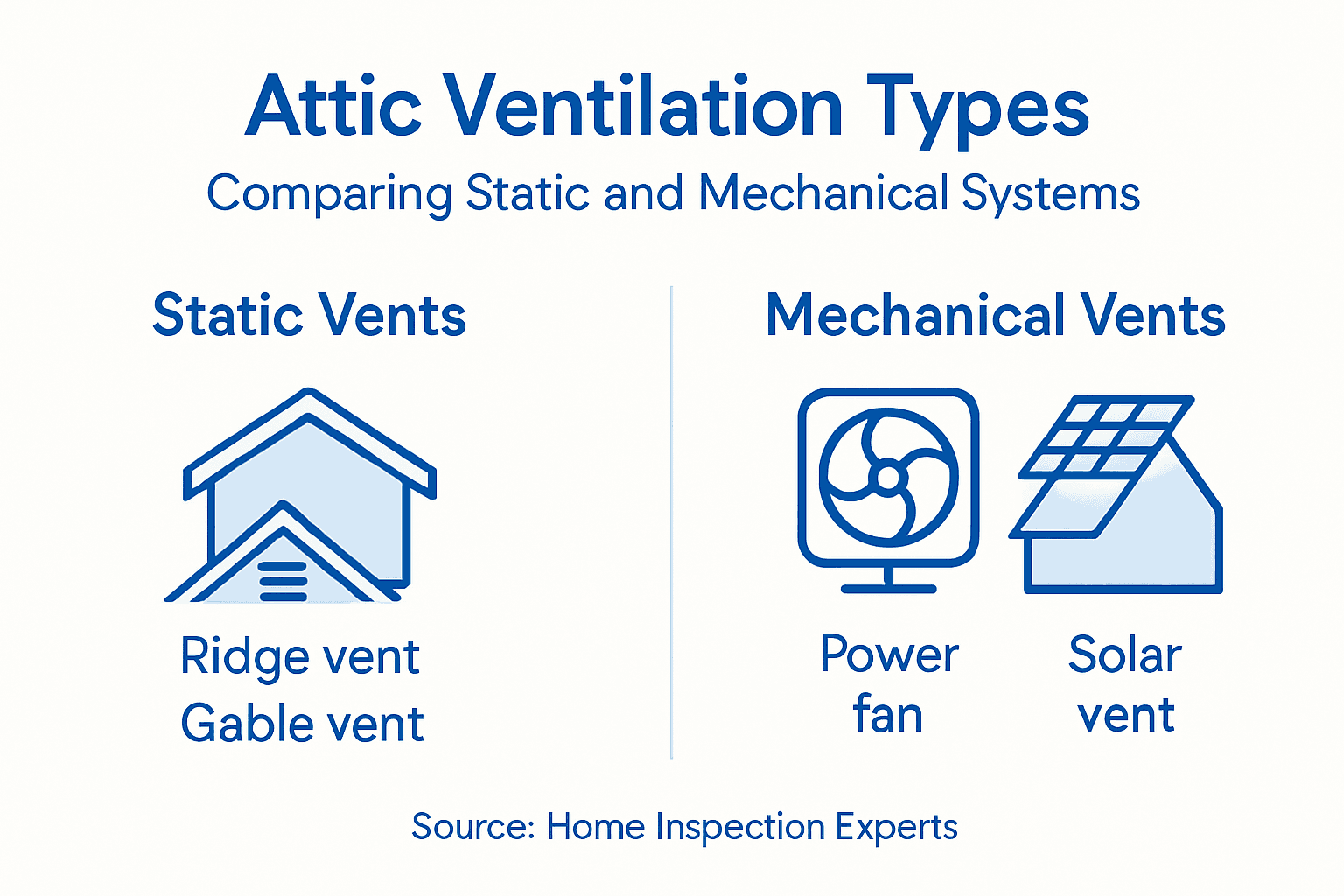
Here’s how static and powered attic ventilation systems differ:
System Type | Typical Components | Energy Usage | Best Climate Applications |
Static Ventilation | Ridge, soffit, gable vents | No electricity used | Mild to hot, consistent airflow |
Powered Ventilation | Electric fans, roof vents | Requires electricity | Humid, extreme heat, stagnant air |
How Proper Ventilation Prevents Heat and Moisture Damage
Attic ventilation serves as a critical defense mechanism for Alabama homes, protecting against the potentially devastating effects of heat and moisture buildup. In our state’s humid subtropical climate, the stakes are particularly high for homeowners seeking to maintain their property’s structural integrity and energy efficiency.
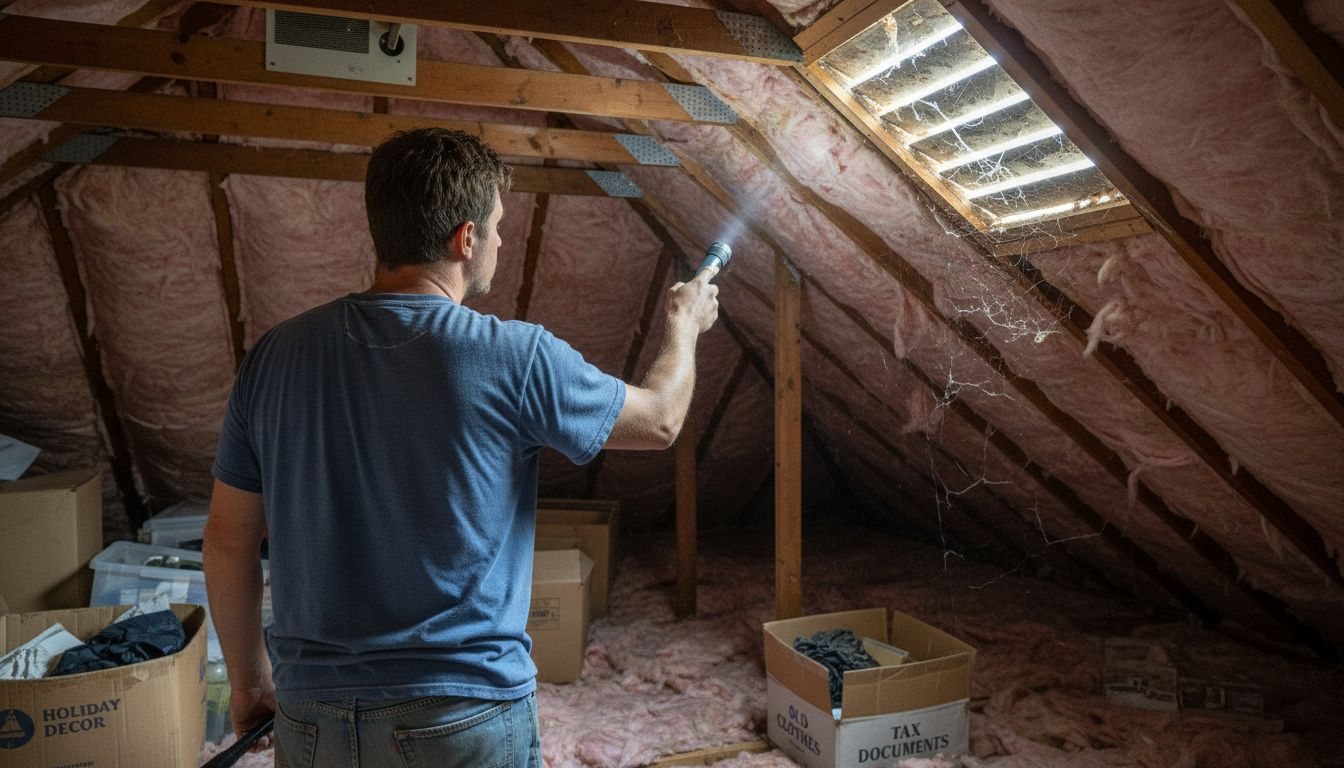
Proper attic ventilation strategies create a dynamic environment that mitigates multiple potential threats to your home’s long-term health. By efficiently exhausting hot and moist air, these systems prevent a range of critical issues that can compromise your home’s structure and comfort.
The primary threats addressed by effective attic ventilation include:
Roof deck and shingle deterioration
Wood rot and structural weakening
Microbial growth in confined spaces
Excessive heat transfer into living areas
Premature aging of roofing materials
Heat management becomes especially crucial during Alabama’s intense summer months. Unventilated attics can reach temperatures exceeding 150 degrees Fahrenheit, creating a radiating heat source that forces air conditioning systems to work overtime. This not only increases energy consumption but also accelerates wear on roofing materials and internal home structures.
Effective ventilation transforms your attic from a potential liability into a protective buffer for your entire home.
Moisture control represents another critical function of proper attic ventilation. In humid regions like Alabama, unmanaged moisture can quickly lead to severe problems:
Condensation buildup on structural surfaces
Potential microbial growth
Insulation degradation
Wood frame warping and decay
Reduced overall home energy efficiency
Pro tip: Conduct a professional attic inspection annually to ensure your ventilation system remains optimal and free from potential blockages or damage.
By understanding and implementing comprehensive attic ventilation strategies, Alabama homeowners can protect their most significant investment while maintaining a comfortable, energy-efficient living environment.
Impact on Energy Costs, Roof Life, and Indoor Air Quality
Attic ventilation represents a multifaceted solution that directly influences three critical aspects of home performance: energy efficiency, structural longevity, and overall indoor environmental health. Alabama homeowners face unique challenges in managing these interconnected systems, making comprehensive ventilation strategies essential.
Proper attic ventilation strategies can significantly reduce air conditioning costs by minimizing heat transfer into living spaces. In our state’s intense summer climate, an unventilated attic can reach temperatures exceeding 150 degrees, creating a radiating heat source that forces cooling systems into overdrive.
The primary benefits of effective attic ventilation include:
Reduced energy consumption
Extended roof material lifespan
Decreased interior temperature fluctuations
Prevention of moisture-related structural damage
Improved overall home comfort
Roof preservation becomes particularly crucial in Alabama’s demanding climate. Excessive heat and moisture can accelerate shingle deterioration, potentially reducing roof life by years and leading to costly premature replacements.
Strategic ventilation transforms your attic from a potential liability into a protective home system.
Indoor air quality represents another critical dimension of effective attic ventilation. Unmanaged humidity and temperature can create ideal conditions for:
Microbial growth
Allergen accumulation
Potential respiratory health risks
Persistent musty odors
Insulation degradation
Pro tip: Invest in a professional home energy audit to comprehensively assess your attic’s ventilation performance and identify potential improvement strategies.
By understanding these interconnected benefits, Alabama homeowners can make informed decisions that protect their property, reduce energy expenses, and maintain a healthier living environment.
Common Attic Ventilation Mistakes and Warning Signs
Attic ventilation challenges are particularly acute in Alabama’s humid climate, where seemingly minor mistakes can lead to significant home performance and structural integrity issues. Homeowners must remain vigilant about recognizing and addressing potential ventilation problems before they escalate into costly repairs.
Common attic ventilation mistakes frequently involve improper sizing, blocked airways, and inadequate airflow management. The most critical errors can compromise your home’s entire thermal and moisture control system, creating a cascade of potential damage.
Key ventilation mistakes homeowners should avoid include:
Blocking soffit vents with insulation
Installing insufficient or improperly sized vents
Creating unbalanced intake and exhaust airflow
Neglecting regular ventilation system inspections
Failing to clear obstructions in existing vent pathways
Warning signs of poor attic ventilation demand immediate attention. Alabama’s challenging climate makes these indicators particularly important to monitor:
Visible moisture or condensation on attic surfaces
Rust developing on metal components
Damp or compressed insulation
Unusually high cooling costs
Visible microbial growth or musty odors
Proactive ventilation management prevents expensive structural repairs and maintains home efficiency.
The consequences of ignoring these warning signs can be substantial. Persistent moisture can lead to wood rot, compromised structural integrity, and potential health risks from microbial growth. Alabama’s high humidity amplifies these risks, making proper attic ventilation not just a maintenance issue, but a critical home protection strategy.
Pro tip: Conduct a professional home inspection annually to comprehensively assess your attic ventilation system and identify potential improvements before they become major problems.
By understanding these common mistakes and warning signs, Alabama homeowners can protect their investment and ensure a healthier, more efficient living environment.
Building Codes and Inspection Requirements in Alabama
Attic ventilation regulations in Alabama are governed by stringent building codes designed to protect homeowners from potential structural and environmental risks. These comprehensive guidelines ensure that residential properties maintain safe and efficient ventilation systems that can withstand the state’s challenging climate conditions.
Residential building codes in Alabama follow the 2018 International Residential Code (IRC), which establishes precise requirements for attic ventilation. Homeowners and contractors must adhere to specific standards that regulate ventilation space and airflow management.
Key building code requirements for attic ventilation include:
One square foot of ventilation per 150 square feet of attic floor space
Balanced intake and exhaust ventilation
Clear pathways for air circulation
Proper vent sizing and placement
Documentation of ventilation calculations
Inspection protocols focus on several critical aspects of attic ventilation systems:
Verifying net free ventilation area
Checking vent type and location
Identifying potential obstructions
Alabama inspectors meticulously evaluate ventilation systems to prevent future structural damage and maintain indoor air quality.
The compliance process requires detailed assessment of ventilation performance, including:
Measuring actual vent opening sizes
Evaluating moisture control mechanisms
Assessing potential heat transfer risks
Confirming adherence to manufacturer installation guidelines
Documenting potential remediation needs
Pro tip: Request documentation of ventilation calculations during home purchases to ensure compliance with local building codes.
By understanding these rigorous requirements, Alabama homeowners can proactively manage their attic ventilation systems and maintain their property’s structural integrity and energy efficiency.
Below is a summary of common attic ventilation inspection checkpoints:
Inspection Focus | Why It Matters | Typical Issues Detected |
Ventilation Area | Ensures correct airflow volume | Insufficient vent sizing |
Obstruction Check | Maintains clear pathways | Blocked or clogged vent openings |
Moisture Assessment | Prevents rot, mold, decay | Damp insulation, condensation |
Installation Review | Confirms code compliance | Improper vent placement |
Protect Your Alabama Home with Expert Attic Ventilation Inspection
Maintaining proper attic ventilation is crucial to prevent heat buildup, moisture damage, and costly roof deterioration in Alabama’s challenging climate. If you have noticed signs like high energy bills, moisture or condensation in your attic, or peeling paint, it is important to get a professional evaluation. Trinity Home Inspections offers thorough home inspections using advanced tools like thermal imaging and moisture meters to identify hidden ventilation issues before they become major problems. Our InterNACHI-certified inspectors deliver clear, same-day reports so you can make informed decisions with confidence.
Don’t wait until attic problems escalate. Schedule your comprehensive home inspection today with Trinity Home Inspections to protect your investment. Learn more about how we ensure accurate, reliable insights on your home’s ventilation and overall condition by visiting our landing page and see why homeowners across Baldwin, Mobile, and surrounding Gulf Coast Alabama trust us for dependable service.
Frequently Asked Questions
What is attic ventilation and why is it important?
Attic ventilation is a system designed to regulate temperature and moisture in the attic space. It is crucial for preventing structural damage, enhancing energy efficiency, and maintaining a comfortable indoor environment. Proper ventilation helps prevent heat buildup in summer and moisture accumulation that can cause mold growth.
What are the main types of attic ventilation systems?
There are two primary types of attic ventilation systems: static (passive) ventilation and powered (mechanical) ventilation. Static systems rely on natural air circulation through vents placed strategically in the roof and eaves, while powered systems use electric fans to actively move air, which can be more effective in extreme climates.
How can I tell if my attic ventilation is insufficient?
Warning signs of poor attic ventilation include visible moisture or frost on surfaces, rust on metal components, high energy bills, sagging roof decking, and peeling paint. These indicators suggest that air circulation is lacking and may require immediate attention to prevent further issues.
What are the building codes regarding attic ventilation?
Building codes typically require one square foot of ventilation for every 150 square feet of attic floor space, balanced between intake and exhaust vents. It’s essential to ensure compliance with local regulations, which helps prevent structural damage and maintains indoor air quality.
Recommended