
Vapor Barriers in Crawlspaces: Protecting Alabama Homes

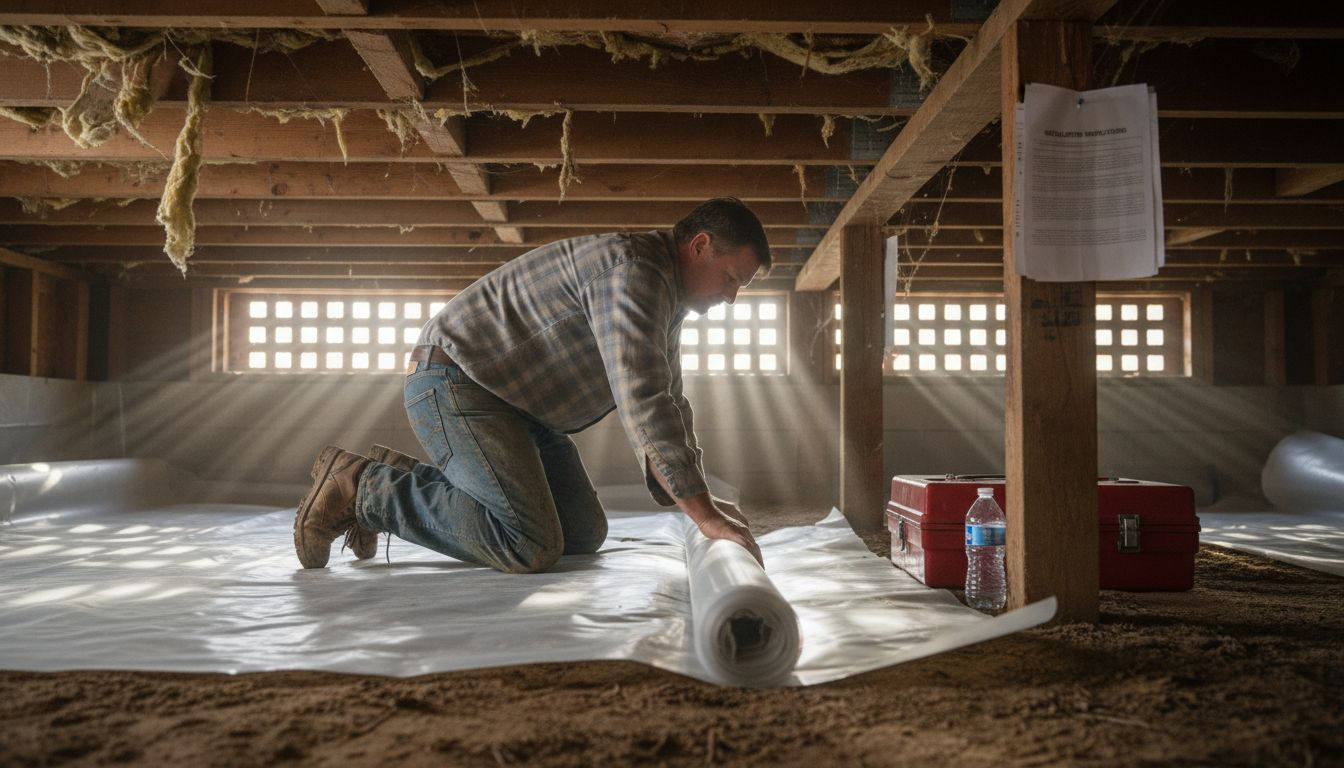
Finding mold or dampness during a home inspection can make Baldwin and Mobile County residents anxious about costly repairs. Moisture control is a real concern on the Gulf Coast, where humidity quickly seeps into crawlspaces and threatens both comfort and structural safety. A crawlspace vapor barrier offers powerful protection by blocking soil moisture before it reaches your home, helping maintain a healthier living space and stronger foundation in Alabama’s unique coastal climate.
Table of Contents
Key Takeaways
Point | Details |
Crawlspace Vapor Barrier Importance | A vapor barrier is essential in humid climates like Alabama’s Gulf Coast to prevent moisture infiltration and protect structural integrity. |
Types of Vapor Barriers | Homeowners should choose from polyethylene sheets, foil-faced insulation, or vapor-retardant paints based on their specific crawlspace conditions. |
Professional Installation | Professional installation and regular inspections are critical to ensure effective moisture management and prevent long-term damage. |
Moisture Control Alternatives | Explore additional moisture management options like ventilation systems or encapsulation to complement a vapor barrier for optimal protection. |
What Is a Crawlspace Vapor Barrier?
A crawlspace vapor barrier is a protective layer designed to prevent ground moisture from infiltrating the space beneath your home. In Alabama’s humid Gulf Coast climate, this barrier serves as a critical defense against potential structural damage and indoor air quality issues. Architectural experts define vapor barriers as materials strategically placed on the ground in crawlspaces to block soil moisture from entering the area.
Typically constructed from polyethylene sheeting, vapor barriers create a protective seal between the earthen floor and your home’s foundation. They are particularly crucial in Alabama’s coastal regions, where high humidity and potential flooding make moisture control challenging. These barriers work by blocking water vapor transmission, which can lead to multiple problems:
Preventing ground moisture from rising into the crawlspace
Reducing risk of microbial growth
Protecting wooden structural components from rot
Minimizing potential foundation damage
Improving overall indoor air quality
Crawlspaces in Baldwin and Mobile counties often contain essential home infrastructure like plumbing, electrical lines, and HVAC equipment. Wikipedia notes that vapor barriers are especially critical in sealed or unvented crawlspaces to maintain a stable environment and prevent potential structural degradation.
Key Considerations for Alabama Homes:
Local climate increases moisture risks
Coastal region’s high humidity demands robust vapor barriers
Professional installation ensures maximum protection
Regular inspection prevents long-term damage
Pro tip: Have a professional inspect your crawlspace vapor barrier during your annual home maintenance to catch potential issues early and prevent costly repairs.
Types of Vapor Barriers for Crawlspaces
Homeowners in Alabama’s Gulf Coast region have several options when selecting vapor barrier materials for crawlspaces. Insulation experts classify these protective layers based on their permeability and performance characteristics, with each type offering unique advantages for moisture control.
The most common vapor barrier types include:
Polyethylene Sheets:
Thickness ranges from 6-20 mil
Highly effective moisture blocking
Typically clear or white plastic
Lowest cost option
Easy to install
Foil-Faced Insulation:
Provides thermal and moisture protection
Reflects radiant heat
More expensive than standard polyethylene
Good for temperature regulation
Vapor-Retardant Paints:
Applied directly to concrete surfaces
Less effective than physical barriers
Good for minimal moisture environments
Cost-effective solution
For Alabama’s coastal environments, professionals typically recommend Class I vapor retarders - the least permeable materials that provide maximum moisture protection. These barriers are crucial in preventing ground moisture from compromising your home’s structural integrity and indoor air quality.
Proper vapor barrier selection depends on your specific crawlspace conditions, local climate, and potential moisture exposure.
Installation Considerations for Alabama Homes:
Assess local humidity levels
Evaluate crawlspace ground composition
Consider professional installation
Choose material based on specific environmental factors
Pro tip: Consult a local home inspector to determine the most appropriate vapor barrier type for your specific crawlspace conditions and Alabama’s unique coastal climate.
How Vapor Barriers Prevent Moisture and Mold
In Alabama’s humid Gulf Coast environment, vapor barriers play a critical role in protecting homes from moisture-related damage. Building experts explain that these protective layers control moisture diffusion by preventing water vapor from condensing inside structural components, significantly reducing the risk of microbial growth and structural deterioration.
The moisture prevention mechanism works through several key strategies:
Blocking Water Vapor:
Creates an impermeable surface
Stops ground moisture from rising
Prevents condensation in crawlspace
Maintains dry structural environment
Temperature Regulation:
Reduces temperature differentials
Minimizes condensation risks
Stabilizes crawlspace microclimate
Protects wooden structures
Structural Protection:
Prevents wood rot
Reduces corrosion risks
Maintains insulation integrity
Preserves foundation stability
Proper vapor barrier installation is crucial - incorrect implementation can actually trap moisture and accelerate potential damage.
In coastal Alabama, where humidity levels are consistently high, these barriers become even more essential. The unique climate demands comprehensive moisture management strategies that go beyond simple surface protection.
Potential Risks of Inadequate Moisture Control:
Increased microbial growth potential
Structural wood degradation
Compromised indoor air quality
Potential foundation damage
Higher energy consumption
Pro tip: Schedule a professional crawlspace evaluation to ensure your vapor barrier provides optimal moisture protection for Alabama’s challenging coastal environment.
Installation Standards and Local Recommendations
In Alabama’s Gulf Coast region, vapor barrier installation requires careful attention to local building codes and environmental conditions. National home inspection guidelines recommend specific standards for crawlspace moisture protection that are particularly critical in our humid coastal environment.
Key installation requirements for Alabama homes include:
Material Specifications:
Minimum 6-mil polyethylene sheeting
Continuous coverage of ground surface
Sealed overlapping edges
Extended up foundation walls
Local Climate Considerations:
Account for high humidity levels
Address potential flood zone risks
Consider radon mitigation needs
Adapt to soil composition variations
Professional Installation Steps:
Clean and level crawlspace ground
Remove sharp debris
Ensure proper drainage
Seal all edges and seams completely
Proper vapor barrier installation is not just about materials, but about creating a comprehensive moisture management system tailored to Alabama’s unique environmental challenges.
Recommended Installation Procedures:
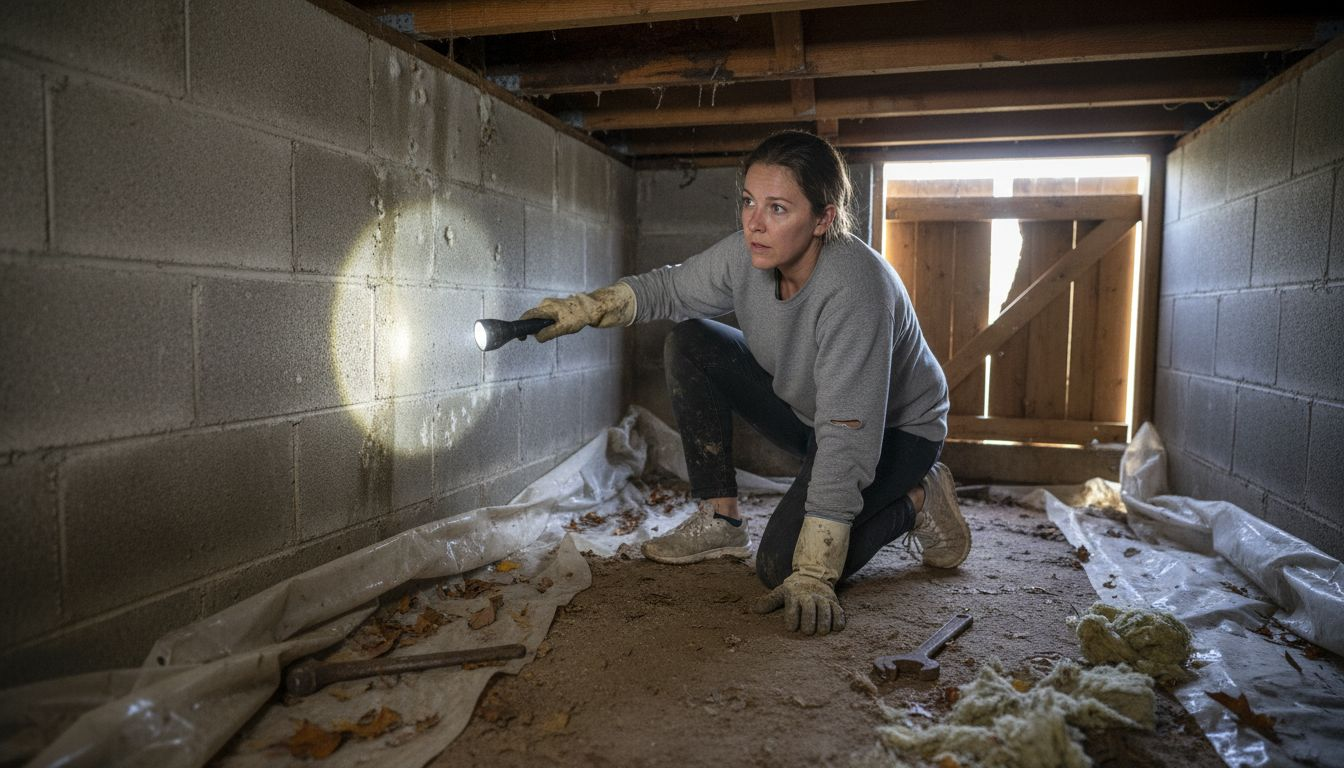
Inspect crawlspace ground thoroughly
Remove any existing moisture or debris
Level the ground surface
Roll out vapor barrier with minimum overlap
Seal edges to foundation walls
Consider professional assessment
Potential Radon and Moisture Risks:
Uncontrolled ground moisture
Potential radon gas accumulation
Increased microbial growth risks
Structural integrity challenges
Pro tip: Consult a local home inspector specializing in Gulf Coast conditions to ensure your vapor barrier meets both regional building codes and environmental challenges.
Risks of Not Using a Vapor Barrier
In Alabama’s challenging coastal environment, skipping a vapor barrier can lead to catastrophic consequences for your home’s structural integrity and health. Building performance experts warn that unprotected crawlspaces become breeding grounds for moisture-related problems that extend far beyond simple surface damage.
The potential risks of neglecting a vapor barrier include:
Structural Damage:
Foundation settlement
Wood rot in support structures
Compromised floor joists
Weakened building frame
Health Hazards:
Increased microbial growth
Allergen proliferation
Respiratory risk exposure
Indoor air quality degradation
Financial Implications:
Higher repair costs
Decreased property value
Increased energy expenses
Potential insurance complications
Moisture intrusion transforms crawlspaces from protective zones to potential liability centers, threatening your home’s entire ecosystem.
Comprehensive Risk Breakdown:
Moisture-induced structural deterioration
Potential radon gas accumulation
Pest infestation opportunities
Compromised insulation performance
Long-term building integrity challenges
Particularly in Baldwin and Mobile counties, where humidity levels are consistently high, energy research indicates that unprotected crawlspaces can become significant sources of moisture damage, dramatically increasing maintenance and repair expenses.
This table summarizes major risks of inadequate moisture control in coastal Alabama crawlspaces:
Risk Category | Example Impact | Long-Term Consequence |
Structural Integrity | Wood rot, foundation settlement | Expensive repairs, safety hazards |
Health & Air Quality | Mold growth, allergen increase | Poor respiratory health |
Home Value/Efficiency | Insulation failure, high energy use | Lower resale value, higher bills |
Environmental Factors | Radon or pest intrusion | Ongoing maintenance challenges |
Pro tip: Schedule an annual crawlspace inspection to catch potential moisture issues before they transform into expensive, extensive home repairs.
Comparing Alternatives for Moisture Control
Moisture management in Alabama’s coastal crawlspaces requires a nuanced approach that goes beyond simple vapor barriers. Moisture management strategies reveal multiple alternatives designed to address the unique challenges of our humid Gulf Coast environment.
Here’s a side-by-side comparison of crawlspace moisture control strategies often used in Alabama:
Approach | Strengths | Limitations |
Vapor Barrier | Effective moisture prevention | Does not regulate existing air humidity |
Ventilation System | Low cost, dilutes odors | Less effective in high humidity |
Crawlspace Encapsulation | Maximum protection, energy savings | High initial cost, professional needed |
Mechanical Dehumidifier | Precise humidity control | Requires regular maintenance and power |
Key moisture control alternatives include:
Ventilation Systems:
Active fan-based airflow
Dilutes airborne contaminants
Reduces humidity levels
Relatively low-cost option
Crawlspace Encapsulation:
Complete environmental sealing
Maximum moisture protection
Significant energy efficiency gains
Higher initial investment
Mechanical Dehumidification:
Active humidity control
Precise moisture management
Works with existing systems
Continuous environmental regulation
Successful moisture control requires an integrated approach tailored to your specific home’s structural characteristics and local climate conditions.
Comparative Effectiveness Factors:
Initial installation cost
Long-term maintenance expenses
Energy efficiency impact
Humidity reduction capabilities
Structural protection level
Crawlspace ventilation research indicates that selecting the right moisture control strategy depends on multiple factors including accessibility, local climate, potential pollutant presence, and overall energy efficiency goals.
Pro tip: Consult a local home inspector to perform a comprehensive moisture assessment and recommend the most suitable control strategy for your specific crawlspace environment.
Protect Your Alabama Home with Expert Crawlspace Inspections
A crawlspace vapor barrier is essential for Alabama homes facing moisture challenges that threaten structural stability and indoor air quality. If you are concerned about ground moisture, mold growth, or wood rot damaging your home, understanding vapor barriers is the first step. Don’t leave these risks unchecked in Baldwin, Mobile, or surrounding Gulf Coast areas where humidity is high.

Take control of your home’s moisture problems today by scheduling a detailed crawlspace inspection with Trinity Home Inspections. Our InterNACHI-certified inspectors use advanced tools like thermal imaging and moisture meters to uncover hidden issues in your crawlspace vapor barrier and overall foundation health. With same-day, photo-rich reports delivered directly to you, we provide the clear answers you need to protect your investment and family’s safety. Learn more about our inspection services and how our trusted team can help you safeguard your home against moisture damage. Don’t wait until costly repairs become inevitable. Contact Trinity Home Inspections now to get started on a thorough evaluation tailored to Alabama’s unique coastal environment.
For a deeper understanding of how we work and the added benefits of our services, visit our About page and explore our comprehensive approach to home care. Your Alabama home deserves the best protection, backed by integrity and expertise. Reach out today and secure peace of mind for tomorrow.
Frequently Asked Questions
What is a crawlspace vapor barrier?
A crawlspace vapor barrier is a protective layer, typically made from polyethylene sheeting, that prevents ground moisture from entering the space beneath your home. It helps protect structural components from damage and improves indoor air quality.
Why is a vapor barrier important in humid climates?
In humid climates, like Alabama’s, a vapor barrier is crucial as it reduces the risk of moisture accumulation, which can lead to microbial growth, wood rot, and compromised indoor air quality.
What types of vapor barriers are most effective for crawlspaces?
The most effective types of vapor barriers for crawlspaces include polyethylene sheets, foil-faced insulation, and vapor-retardant paints. Class I vapor retarders, which are the least permeable, are generally recommended for maximum moisture protection.
How can I ensure proper installation of a vapor barrier in my crawlspace?
Proper installation involves selecting the right material, cleaning and leveling the crawlspace ground, overlapping and sealing all edges completely, and possibly seeking professional assistance to ensure compliance with local building codes.
Recommended
