
Dura PEX Plumbing Risks for Alabama Homebuyers

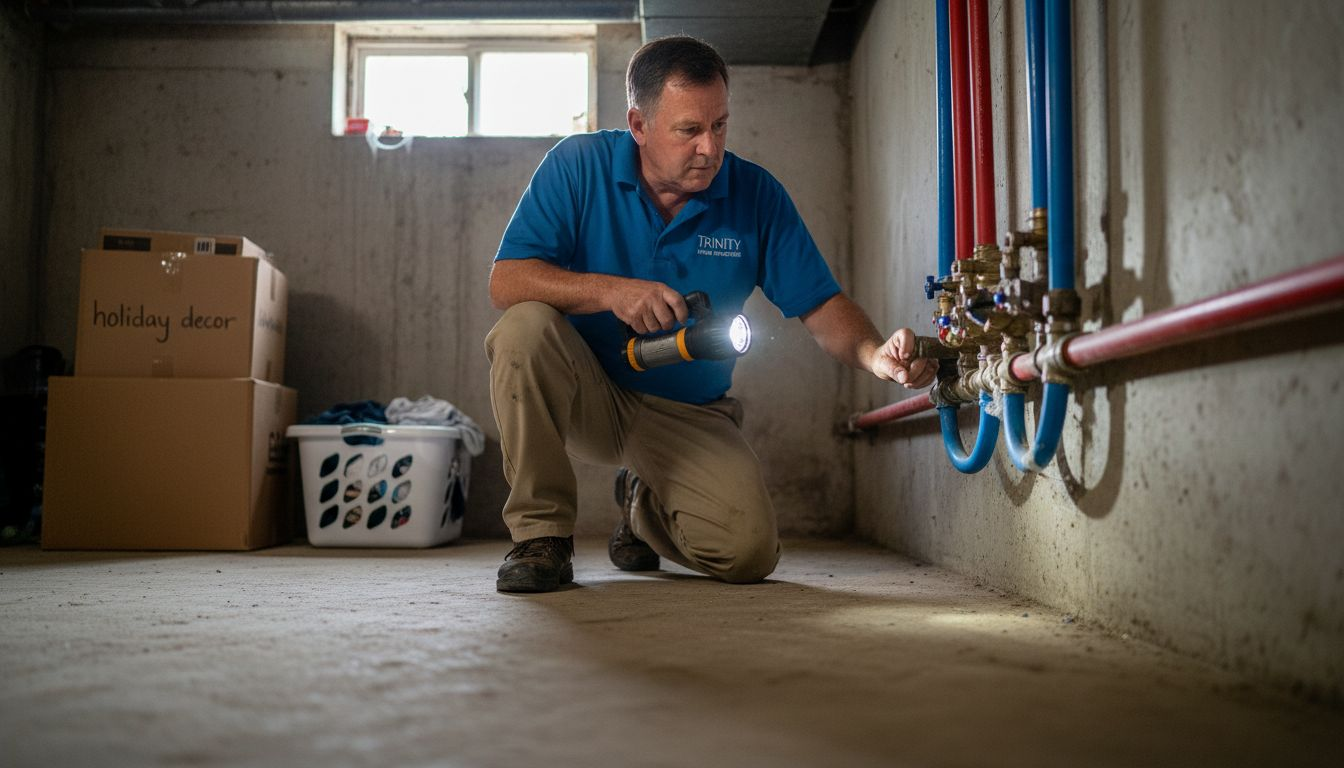
Leaks behind walls and sudden plumbing repairs can quickly turn excitement about a new home in Baldwin or Mobile County into frustration. If your potential property uses Dura PEX pipes, understanding the difference between flexibility and hidden risk is essential. With local reports of premature leaks and chemical degradation accelerated by chlorine in municipal water, Alabama buyers and sellers need clear insight into Dura PEX plumbing to make informed choices that protect both investment and health.
Table of Contents
Key Takeaways
Point | Details |
Dura PEX Basics | Dura PEX is flexible tubing made from cross-linked polyethylene, offering advantages over traditional materials like copper, particularly in installation and cost. |
Risks of PEX | PEX can fail prematurely, especially in regions with high chlorine levels and improper pressure, leading to costly water damage. |
Identification and Inspection | Locating PEX involves checking for flexible tubing and color coding; critical during home inspections to assess potential failures. |
Alternatives to Dura PEX | Consider upgrading to more durable materials, such as copper, or high-quality PEX alternatives, especially for main supply lines. |
What Is Dura PEX Plumbing?
Dura PEX is a cross-linked polyethylene plastic tubing used in residential plumbing systems to carry hot and cold water throughout your home. Unlike traditional copper or PVC pipes, PEX tubing is flexible, making it easier to install in tight spaces and around obstacles. The material became popular in the 1980s and gained widespread adoption in the United States over the past two decades.
The “cross-linked” part means the polymer chains in the plastic are chemically bonded together, creating a stronger material than standard polyethylene. This cross-linking process happens during manufacturing and gives PEX its resistance to temperature changes and pressure fluctuations. Think of it as a reinforced plastic that can handle the demands of a home plumbing system without cracking or leaking as easily as regular plastic would.
What makes PEX different from copper? Copper has been the gold standard for residential plumbing for decades because of its durability and antimicrobial properties. PEX arrived as a lower-cost alternative that offered flexibility and faster installation times. Contractors love it because they can bend PEX around corners and obstacles without cutting and soldering joints like they must do with copper. PEX tubing composition shows how the material differs fundamentally from metals used in traditional plumbing.
Where you’ll find Dura PEX in Baldwin and Mobile County homes: Many newer homes built in the last 15 to 20 years use PEX for water supply lines. Some older homes have had their plumbing updated to include PEX systems. You might see it running through walls, under floors, and in crawl spaces behind your new home’s walls.
The material comes in color-coded rolls, typically red for hot water and blue for cold water. This color coding helps plumbers and inspectors quickly identify which lines carry which temperature water. PEX is also lighter to handle than copper, which reduces labor costs during installation.
Here’s how installation and maintenance factors vary between Dura PEX and copper piping:
Factor | Dura PEX | Copper Pipe |
Installation Speed | Quick, flexible setup | Slower, requires soldering |
Material Cost | Lower initial cost | Higher initial cost |
Longevity | Typically 20-30 years | Often 50-70+ years |
Maintenance Needs | Prone to early leaks | Rarely needs repairs |
Pro tip: Ask your real estate agent or inspector to clarify which water supply lines in your potential home use PEX versus copper, and request any documentation about the brand and installation date, as this information becomes crucial if problems arise later.
How to Identify Dura PEX Piping
Identifying PEX piping in your home is straightforward once you know what to look for. The most obvious sign is the flexible plastic tubing that runs through your walls, basement, or crawl space. Unlike rigid copper pipes or PVC, PEX bends easily without fittings, so you’ll notice it curves around obstacles instead of requiring joints and elbows at every turn.
Color coding is your quickest identification tool. Red PEX indicates hot water lines, while blue indicates cold water lines. White or gray PEX might also be present and typically carries cold water as well. This color system helps plumbers and homeowners quickly understand the water temperature traveling through each line. Some homes mix color systems, so don’t rely solely on color if you’re unsure.
The tubing itself feels flexible when you touch it. Squeeze it gently—it will compress slightly and return to shape. PEX pipe materials confirm that this flexibility is a defining characteristic. Copper pipes are rigid and won’t compress at all. PVC is also rigid, though slightly more flexible than copper when cold.
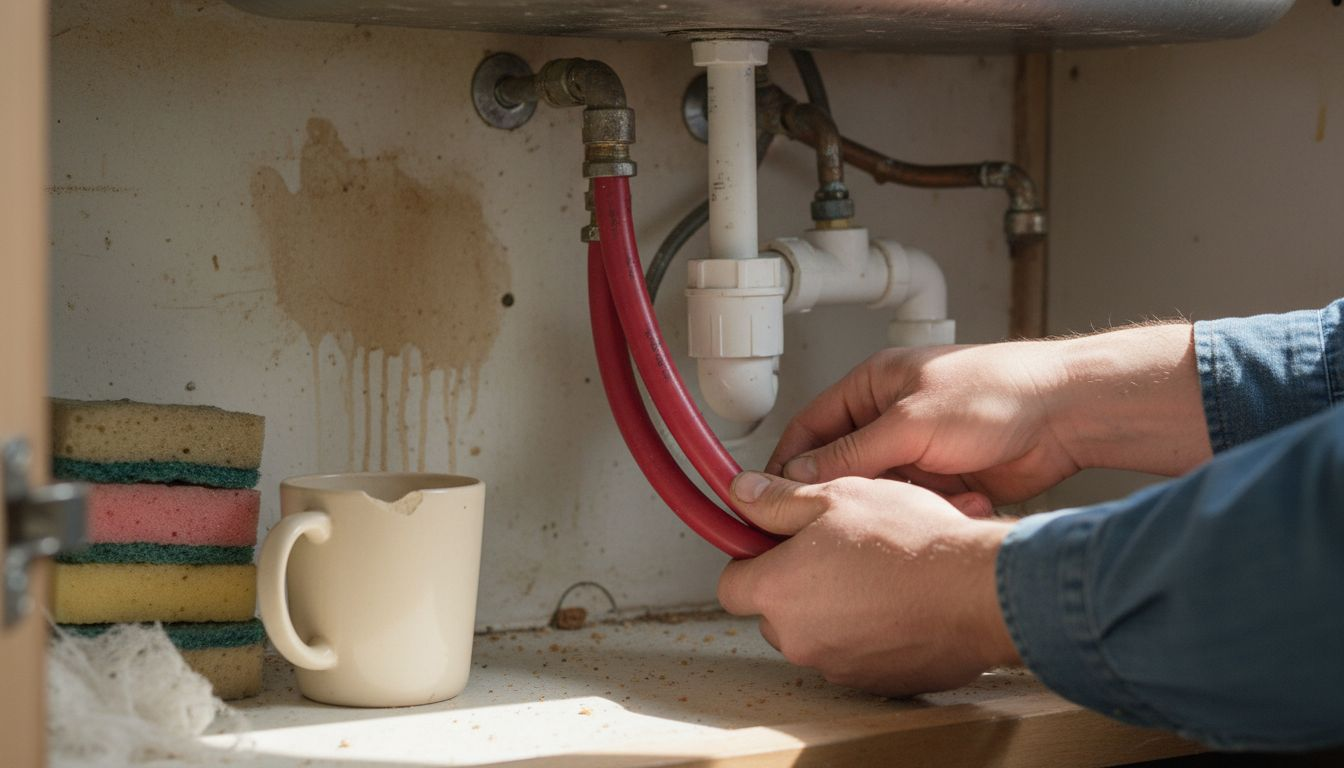
Look for brass or plastic fittings connecting the PEX lines. These fittings are typically smaller and less visible than copper or PVC connections. Many PEX systems use crimp rings or expansion fittings that create tight seals at connection points. You might spot these shiny metal rings or plastic sleeves where PEX branches off into different directions.
Where to Look for PEX in Your Potential Home
Check your home’s basement, crawl space, or attic. PEX commonly runs along walls and ceilings in these areas. Look under kitchen and bathroom sinks—you’ll often see PEX supply lines entering cabinets. Ask your inspector to show you the water heater connections. If red and blue flexible tubing feeds into the tank, that’s PEX.
New construction homes in Baldwin and Mobile County almost always use PEX. If a home was built after 2005, there’s a strong likelihood PEX makes up at least some of the supply lines. Older homes may have partial PEX updates where only certain lines were replaced.
Pro tip: During your home walkthrough, ask your real estate agent or inspector to trace one hot water line and one cold water line from the source to a fixture, confirming which material was used and noting any transition points where materials change.
Why Dura PEX Pipe Fails Early
Dura PEX and similar PEX pipes can fail prematurely due to chemical degradation that happens inside the tubing itself. The material contains antioxidants that protect the plastic from breaking down, but these protective compounds get depleted over time. Once depleted, the polymer structure becomes vulnerable to cracking and leaking. This process accelerates when PEX is exposed to certain water treatment chemicals.
Chlorine is the primary culprit. Most municipal water systems in Baldwin and Mobile County use chlorine as a disinfectant to keep water safe. While chlorine protects your drinking water, it also reacts with PEX pipes over time. Chemical degradation in PEX pipes confirms that chlorine exposure depletes the antioxidant protection in the polymer matrix, leading to early failures and leaks.
Temperature and water pressure compound the problem. When hot water consistently flows through PEX, or when water pressure spikes, the plastic experiences stress. Combined with chlorine exposure, this accelerates the breakdown of the polymer chains. Your water heater temperature, pressure surges from turning on faucets quickly, and municipal water pressure all contribute to this damage.
How Fast Can PEX Fail?
Some PEX installations have failed within 5 to 10 years, though many last 20 to 30 years depending on conditions. Homes with higher chlorine levels in their water may experience faster degradation. Homes with older water pressure regulators that allow fluctuating pressure see more failures. The failure doesn’t happen suddenly, but rather progresses gradually as the material weakens.
When PEX fails, you get pinhole leaks that drip slowly at first, then worse over time. Water seeps into walls and crawl spaces, creating conditions for microbial growth and structural damage before you even notice. By the time you spot the problem, significant water damage may already exist behind walls and under flooring.
Pro tip: Request the PEX brand and installation date from your home seller, then look up that specific product’s performance history online and ask your inspector to test water pressure and chlorine levels as part of your pre-purchase inspection.
Risks for Mobile and Baldwin County Homes
Mobile and Baldwin County homeowners face specific risks with Dura PEX piping due to local water chemistry and documented manufacturing issues. The warm, humid Gulf Coast climate combined with municipal water treatment practices creates ideal conditions for accelerated PEX degradation. Homeowners throughout this region have reported failures that cost thousands in water damage repairs.
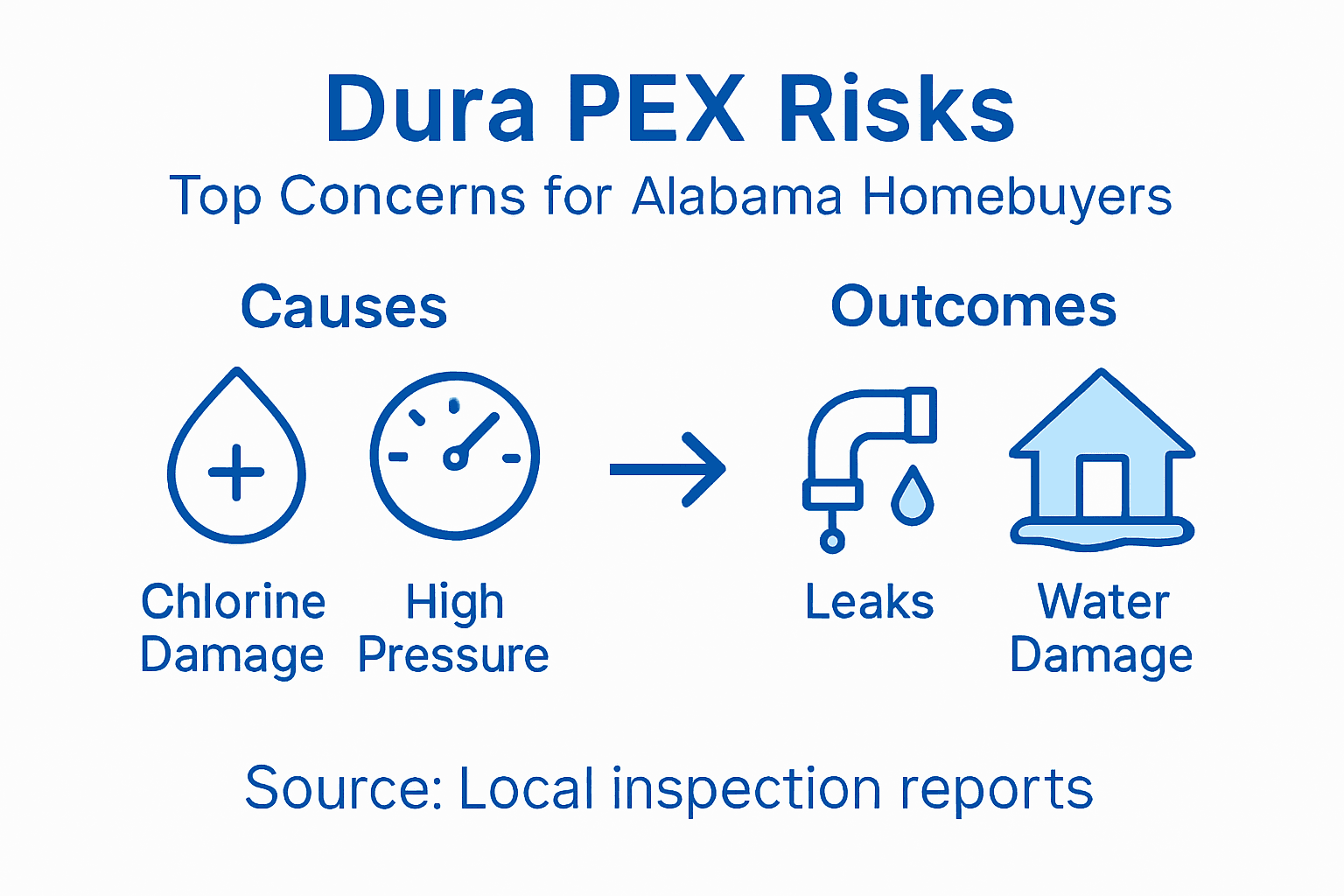
Local plumbers and inspectors in Mobile and Baldwin counties have documented consistent patterns of Dura PEX failure. Pinhole leaks near water heaters are common, as are longitudinal splits that develop suddenly and release large volumes of water into walls and crawl spaces. Some batches of Dura PEX appear to contain manufacturing defects that reduce the lifespan well below the advertised 20 to 25 years. Dura PEX plumbing problems reported in Gulf Coast areas confirm that these failures occur frequently enough to warrant serious concern when buying a home.
Water quality here accelerates the problem. Baldwin and Mobile County water systems use chlorination and other treatment methods that stress PEX materials faster than in other regions. Combined with the coastal heat that keeps water heaters working hard year-round, local conditions create a perfect storm for early failures.
Below is a reference table summarizing Dura PEX failure risk factors for Mobile and Baldwin County homes:
Risk Factor | Why It Matters | Associated Problem |
Chlorine in water | Speeds up pipe degradation | Cracks, leaks |
High water pressure | Stresses pipe integrity | Pinhole leaks, splits |
Gulf Coast climate | Increases temperature stress | Reduced lifespan |
Manufacturing defects | Lowers built-in protections | Sudden failures |
Health and Property Concerns
Beyond water damage, there’s growing concern about water quality. Aging and degraded PEX pipes shed microplastic particles and chemical leachates into your drinking water. For families with young children or elderly residents, this contamination poses potential health risks that aren’t always immediately obvious.
Insurance complications add another layer of risk. Some homeowner policies exclude or limit coverage for PEX pipe failures, leaving you responsible for the full cost of replacement and water damage repairs. When a pinhole leak damages drywall, flooring, and insulation in your walls, costs easily exceed 10,000 dollars or more.
Pro tip: Before closing on any home in Mobile or Baldwin County with Dura PEX piping, obtain a written inspection report that specifically tests water pressure and documents the PEX brand and age, then contact your insurance agent to confirm coverage limits for water damage from PEX failures.
Better Alternatives to Dura PEX Plumbing
If you’re evaluating a home with Dura PEX piping or planning upgrades, several proven alternatives offer better longevity and reliability. Copper piping remains the gold standard for residential plumbing in Alabama. It resists chlorine degradation, lasts 50 to 70 years or longer, and has natural antimicrobial properties that keep water cleaner. Copper costs more upfront and requires soldering skills during installation, but the investment pays off through decades of trouble-free performance.
PVC (polyvinyl chloride) is another solid option, though it’s typically used for drain and vent lines rather than pressurized water supply lines. Where permitted by local codes, it offers excellent durability at moderate cost. PVC doesn’t degrade from chlorine exposure the way PEX does, and it’s been used successfully in plumbing for decades with a proven track record.
Cross-linked polyethylene from reputable manufacturers can work if you choose carefully. Not all PEX is created equal. Some brands have demonstrated significantly better performance than others in chlorinated water environments. Look for products with enhanced antioxidant packages and certifications specifically addressing chlorine resistance if PEX is your choice.
Comparison of Materials
Copper: Longest lifespan, premium cost, requires skilled installation
PVC: Proven reliability, lower cost, limited to drain lines in many jurisdictions
Quality PEX from trusted brands: Flexible, moderate cost, shorter lifespan than copper
Dura PEX: Higher failure risk in Gulf Coast conditions, not recommended
The real question is whether the home’s current system justifies replacement before failure. If Dura PEX is already installed and showing no signs of problems, immediate replacement may not be financially practical. However, if you’re negotiating the purchase price or planning renovations, upgrading to copper in key areas like the main water line near the heater provides significant peace of mind.
Many homes benefit from a hybrid approach. Keep existing Dura PEX for less critical branches while installing copper for the main supply line and connections at the water heater. This balances cost with risk reduction.
Pro tip: During your home inspection, ask your inspector to recommend which specific lines pose the highest replacement priority, then get quotes from local plumbers to understand the true cost of upgrading before you commit to a purchase.
Home Inspection Strategies for Dura PEX
A thorough home inspection should always include a dedicated evaluation of your plumbing system, especially when Dura PEX is present. Ask your inspector to document every water supply line, identify which ones use PEX versus copper, and note the approximate age of installation. This baseline information becomes critical if problems develop later and you need to pursue warranty claims or negotiations.
Request specific testing during your inspection. Your inspector should measure water pressure at multiple fixtures throughout the home. High pressure above 80 pounds per square inch stresses PEX pipes significantly and accelerates degradation. Ask them to check for any visible signs of previous leaks, water staining, or pinhole damage along PEX runs in basements, crawl spaces, and attics. Thermal imaging can help detect hidden moisture behind walls where small leaks may already be occurring.
Inspectors conducting comprehensive plumbing evaluations should test every accessible hot and cold water fixture, flush all toilets, and run multiple faucets simultaneously to stress the system. This reveals whether pressure drops or water flow issues exist, which often indicate early PEX degradation or fitting problems.
Documentation Matters
Request the PEX brand name and installation date from the seller if possible. Look up that specific product online to see if it has known issues or recalls. Ask your inspector to photograph all visible PEX connections, especially near the water heater where failures most commonly occur. These photos provide evidence if you later need to file insurance claims.
Consider requesting add on services like a sewer scope if Dura PEX issues make you question the overall home condition. Water damage from PEX failures sometimes extends into drain systems.
Red Flags to Discuss
If your inspector finds evidence of previous water damage, multiple patched areas, or any pinhole leaks, factor the cost of copper replacement into your negotiating position. Don’t assume the home is unlivable, but understand what you’re inheriting and what repair bills might look like.
Pro tip: Request that your inspector provide a written estimate for replacing the main water supply line with copper, then use that figure as a negotiating tool during the price discussion phase.
Protect Your Alabama Home Investment with Expert Plumbing Inspections
Dura PEX plumbing risks in Baldwin and Mobile County homes present unique challenges that can lead to costly water damage and health concerns. If you are a homebuyer concerned about premature PEX failures from chlorine exposure or high water pressure, it is vital to have a certified inspection that goes beyond surface-level checks. At Trinity Home Inspections, we specialize in identifying hidden plumbing vulnerabilities using state-of-the-art tools like thermal imaging and moisture meters. Our faith-based, local commitment means we treat your home with care as if it were our own.

Don’t wait for leaks to appear inside your walls. Gain peace of mind and leverage powerful negotiating advantages by scheduling your comprehensive home inspection today. Visit Trinity Home Inspections to learn how our InterNACHI Certified professionals provide detailed reports that highlight Dura PEX risks and help you plan necessary upgrades. Explore our inspection services and see why homebuyers across Alabama trust us for reliable plumbing and whole-home evaluations.
Frequently Asked Questions
What is Dura PEX plumbing?
Dura PEX is a type of cross-linked polyethylene tubing used in residential plumbing for hot and cold water supply. It is flexible, making installation easier in tight spaces compared to traditional pipes like copper or PVC.
How can I identify Dura PEX piping in my home?
Dura PEX piping is characterized by its flexible, color-coded tubing: red typically indicates hot water lines while blue indicates cold water lines. It bends easily around obstacles without the need for joints or elbows.
What are the risks of using Dura PEX piping in my home?
The primary risks include premature failure due to chemical degradation from chlorine in the water, high water pressure stresses, and potential manufacturing defects. These can lead to leaks, causing water damage and health concerns from microplastics in drinking water.
How does Dura PEX compare to copper piping?
While Dura PEX is less expensive and easier to install, copper piping is more durable and has a longer lifespan, often lasting 50 to 70 years. Copper is also resistant to chlorine degradation, making it a more reliable choice for water supply lines.
Recommended