Home Inspection Explained: Clarity for Gulf Coast Buyers

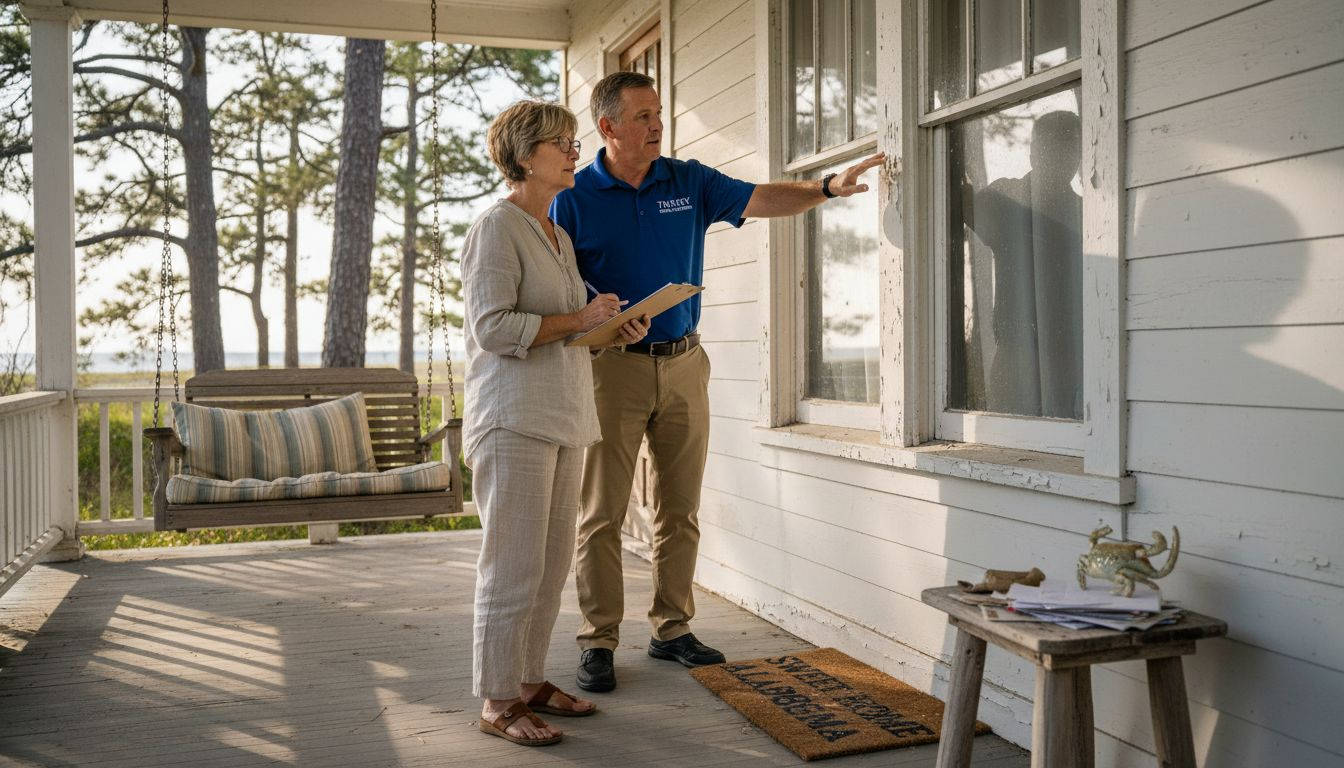
Buying or selling a home in the Gulf Coast areas of Alabama can feel overwhelming without a clear picture of the property’s true condition. Whether you are settling into Mobile or putting your Baldwin County house on the market, a home inspection is a critical step for both buyers and sellers. Certified inspectors perform thorough, non-invasive examinations that reveal hidden issues, helping you avoid costly surprises and make confident decisions about your investment.
Table of Contents
Key Takeaways
Point | Details |
Importance of Home Inspections | Home inspections are essential for understanding a property’s condition and identifying potential issues before purchase. |
Types of Inspections | Various types of inspections cater to different needs, such as general residential, pre-listing, and new construction assessments. |
Role of Certified Inspectors | Certified inspectors use advanced tools and techniques to provide thorough evaluations, ensuring buyers make informed decisions. |
Financial Considerations | Investing in a home inspection is crucial for risk management, as it can reveal costly hidden issues that may arise later. |
What Is a Home Inspection?
A home inspection is a critical evaluation process designed to provide prospective homebuyers with a comprehensive understanding of a property’s current condition. Think of it as a professional health checkup for your potential new home. When conducted by a trained professional, a home inspection reveals critical property details that might not be immediately apparent during a standard walkthrough.
Unlike a casual walk-through, a home inspection involves a systematic, non-invasive examination of a property’s major systems and structural components. Professional inspectors thoroughly examine everything from the roof to the foundation, checking electrical systems, plumbing, heating and cooling systems, windows, doors, and structural integrity. The goal is to identify potential issues, safety concerns, and necessary repairs that could impact your investment.
While a home inspection doesn’t guarantee future performance, it provides an objective snapshot of the property’s condition at the time of examination. Inspectors generate a detailed written report documenting their findings, which helps buyers make informed decisions. At Trinity Home Inspections, our professional inspection process uncovers hidden property conditions that could save you thousands in unexpected repair costs.
Pro tip: Always attend your home inspection in person so you can ask questions and get real-time insights about the property directly from the professional inspector.
Types of Home Inspections in Alabama
Home inspections in Alabama encompass several distinct categories tailored to different property types and buyer needs. Alabama’s home inspection regulations mandate specific standards for professional evaluations, ensuring comprehensive property assessments across various residential scenarios. The primary types of inspections include general residential, pre-listing, new construction, and specialized technical inspections.
General residential inspections represent the most common type, covering comprehensive property evaluations. These inspections thoroughly examine structural components, electrical systems, plumbing, HVAC functionality, roofing, and foundation conditions. Pre-listing inspections, typically initiated by sellers, help identify potential issues before market listing, potentially streamlining the sales process. New construction inspections provide critical assessments of recently built homes, checking for construction quality, code compliance, and potential developmental defects.
Specialized inspections address unique property characteristics in Alabama. These may include EIFS (Exterior Insulation and Finish System) inspections, which are particularly important in coastal regions like Mobile and Baldwin Counties. Additional specialized evaluations might focus on specific concerns such as pest intrusion, radon levels, water quality, or structural integrity in areas prone to environmental challenges. Home inspection licensing requirements ensure that inspectors possess the technical expertise to conduct these comprehensive assessments accurately.
Pro tip: Request a sample inspection report from your inspector before scheduling to understand the depth and comprehensiveness of their evaluation process.
Here’s how different types of home inspections in Alabama compare in scope and benefit:
Inspection Type | Focus Areas | Best For | Unique Benefit |
General Residential | Entire home | Most homebuyers | Thorough analysis |
Pre-listing | Seller’s home | Sellers pre-market | Reveals issues before sale |
New Construction | New builds | Buyers of new homes | Quality assurance |
Specialized Technical | Specific risks | Coastal or rural properties | Targets local concerns |
How Certified Inspectors Work
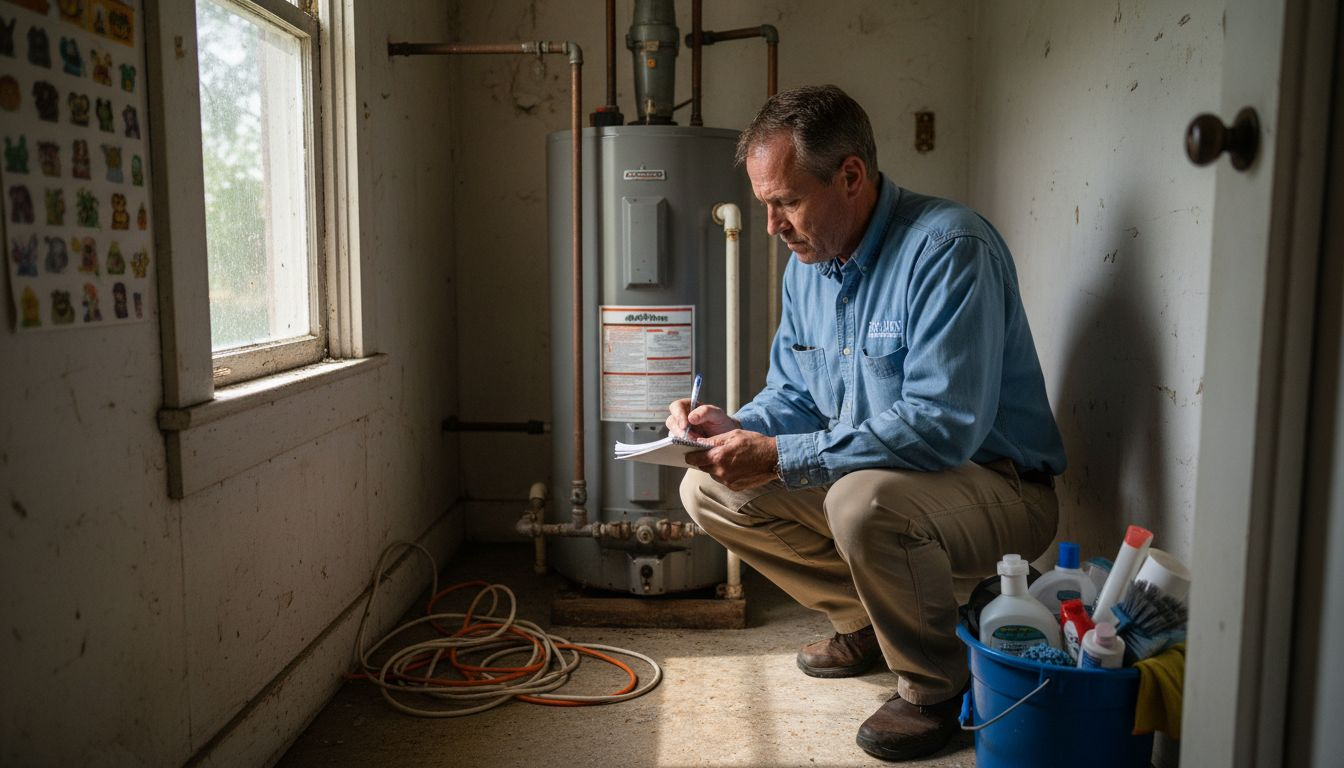
Certified home inspectors are highly trained professionals who follow a systematic approach to evaluating residential properties. Certified Professional Inspectors undergo rigorous training that equips them with comprehensive skills to identify potential issues and assess property conditions thoroughly. Their process involves multiple stages of detailed examination, documentation, and professional reporting.
The inspection workflow typically begins with a comprehensive visual assessment of the property’s exterior and interior systems. Inspectors methodically examine structural components, electrical systems, plumbing, HVAC functionality, and potential safety hazards. They utilize specialized tools like thermal imaging cameras, moisture meters, and electrical testing equipment to uncover hidden problems that might not be visible to the untrained eye. Each component is carefully evaluated against industry standards and local building codes to ensure a thorough and accurate assessment.
Building inspection requirements mandate that certified professionals maintain ongoing education and stay current with evolving regulations and technologies. This commitment ensures that inspectors bring the most up-to-date knowledge to each evaluation. After completing the physical inspection, they compile a detailed report that provides clear, actionable insights about the property’s condition, highlighting potential concerns, recommended repairs, and areas that may require further professional evaluation.
Pro tip: Ask your certified inspector about their specific training, certifications, and the tools they use during the inspection to ensure you’re getting a comprehensive property assessment.
Tools and Technology Used in Inspections
Home inspectors rely on an advanced arsenal of specialized tools and cutting-edge technology to perform comprehensive property evaluations. Home inspection equipment has evolved significantly beyond traditional handheld tools, incorporating sophisticated digital and thermal technologies that provide unprecedented insights into a property’s condition. Modern inspectors use a combination of traditional and high-tech instruments to uncover potential issues that might remain hidden during a standard visual assessment.
The primary technological tools in a professional inspector’s toolkit include thermal imaging cameras, which detect temperature variations that could indicate insulation gaps, moisture intrusion, or electrical hotspots. Moisture meters help identify potential water damage or hidden leaks by measuring moisture content in walls, floors, and other structural components. Advanced electrical testing equipment allows inspectors to evaluate circuit functionality, detect potential wiring issues, and assess overall electrical system safety. Specialized digital cameras and drone technology enable comprehensive visual documentation, particularly for hard-to-access areas like roofs, chimneys, and exterior building surfaces.
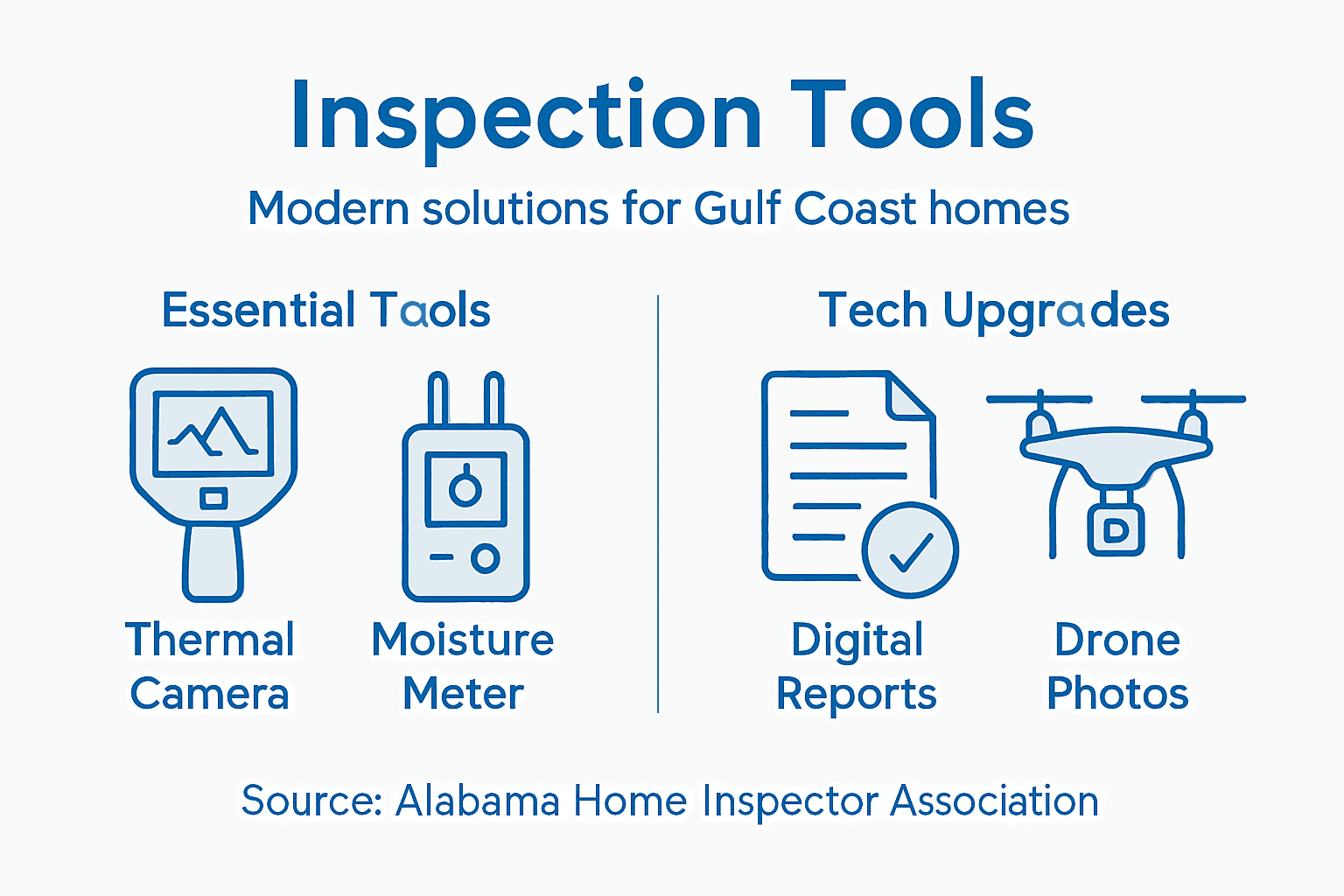
Digital reporting software has transformed how inspection findings are documented and communicated. Inspectors can now generate detailed, color-coded reports with high-resolution images, thermal scans, and precise annotations that help buyers and sellers understand a property’s condition quickly and comprehensively. Laser distance meters, carbon monoxide detectors, and combustible gas leak detectors further enhance the inspector’s ability to provide a thorough, scientifically grounded assessment of a home’s safety and structural integrity. These technological advancements ensure that home inspections are no longer just visual assessments but sophisticated diagnostic procedures.
Pro tip: Ask your inspector about the specific technologies they use during the inspection and request a sample report to understand how these tools translate into actionable insights about the property.
Popular inspection tools and their main roles during a home evaluation:
Tool or Technology | Primary Use | Advantage for Buyer |
Thermal Imaging Camera | Spot insulation problems | Identifies hidden heat loss |
Moisture Meter | Detect water damage | Reveals hidden leaks |
Electrical Tester | Check wiring safety | Uncovers electrical hazards |
Drone Camera | Survey hard-to-reach areas | Documents roof and chimney |
Digital Report Software | Visual reporting | Clear, detailed documentation |
Risks, Costs, and Buyer Protections
Understanding the financial and legal landscape of home inspections is crucial for Gulf Coast homebuyers. Homebuyer protection regulations in Alabama provide critical safeguards that help buyers make informed decisions and mitigate potential risks associated with real estate transactions. These regulations are designed to ensure transparency, prevent fraudulent practices, and protect buyers from unexpected property defects.
The typical cost of a home inspection in Alabama ranges from $350 to $500, depending on the property size and complexity. While this might seem like an additional expense, it represents a fraction of the potential repair costs that could arise from undiscovered issues. Buyers should view this investment as a critical risk management strategy. Professional inspections can uncover hidden problems like structural damage, electrical system irregularities, plumbing issues, or potential microbial growth that could cost thousands of dollars to remediate if left undetected.
Buyer protections extend beyond the inspection itself. Many real estate contracts include contingency clauses that allow buyers to negotiate repairs, request price adjustments, or even withdraw from the purchase based on inspection findings. Certified home inspectors provide detailed reports that serve as official documentation, which can be crucial in legal negotiations. Additionally, reputable inspection companies often carry errors and omissions insurance, providing an extra layer of protection for buyers if significant issues are missed during the initial assessment.
Pro tip: Always budget an extra 10-15% beyond the home inspection cost for potential follow-up specialized inspections or recommended repairs.
Experience Confidence With Trinity Home Inspections
Navigating the complexities of home inspections, especially along the Gulf Coast, can feel overwhelming. You want clear answers about potential issues like hidden moisture, electrical concerns, or structural risks before you commit to buying. The article highlights the importance of certified inspectors, modern tools like thermal imaging, and detailed reports to avoid costly surprises and protect your investment.
At Trinity Home Inspections, we understand these challenges and deliver exactly what Gulf Coast buyers, sellers, and homeowners need. Our InterNACHI-certified inspectors go beyond the minimum by testing every outlet and switch, using advanced equipment including free thermal imaging, moisture meters, and drones to uncover what others might miss. We provide same-day, photo- and video-rich reports that explain priorities clearly so you know what requires immediate attention and what can wait.
Don’t leave your home purchase to chance. Get the clarity and confidence you deserve with a trusted local team who treats your home like family. Visit Trinity Home Inspections today to schedule your inspection and take the first step toward making an informed, smart decision about your future home. Learn more about our professional training and certifications and the advanced tools we use to keep you protected.
Frequently Asked Questions
What is a home inspection?
A home inspection is a comprehensive evaluation of a property’s condition conducted by a trained professional, covering crucial systems and structures to identify potential issues, safety concerns, and necessary repairs.
How much does a home inspection typically cost?
In Alabama, the cost of a home inspection generally ranges from $300 to $500, depending on the property’s size and complexity. This investment can save buyers from significant repair costs down the road.
What types of home inspections are available?
Home inspections can be categorized into general residential inspections, pre-listing inspections, new construction inspections, and specialized inspections that address unique property concerns such as pest intrusion or radon levels.
Why should I attend my home inspection?
Attending your home inspection allows you to ask questions and gain real-time insights about the property directly from the inspector, helping you understand potential issues and the evaluation process.
Recommended