
Complete Guide to the Role of Home Inspection Reports

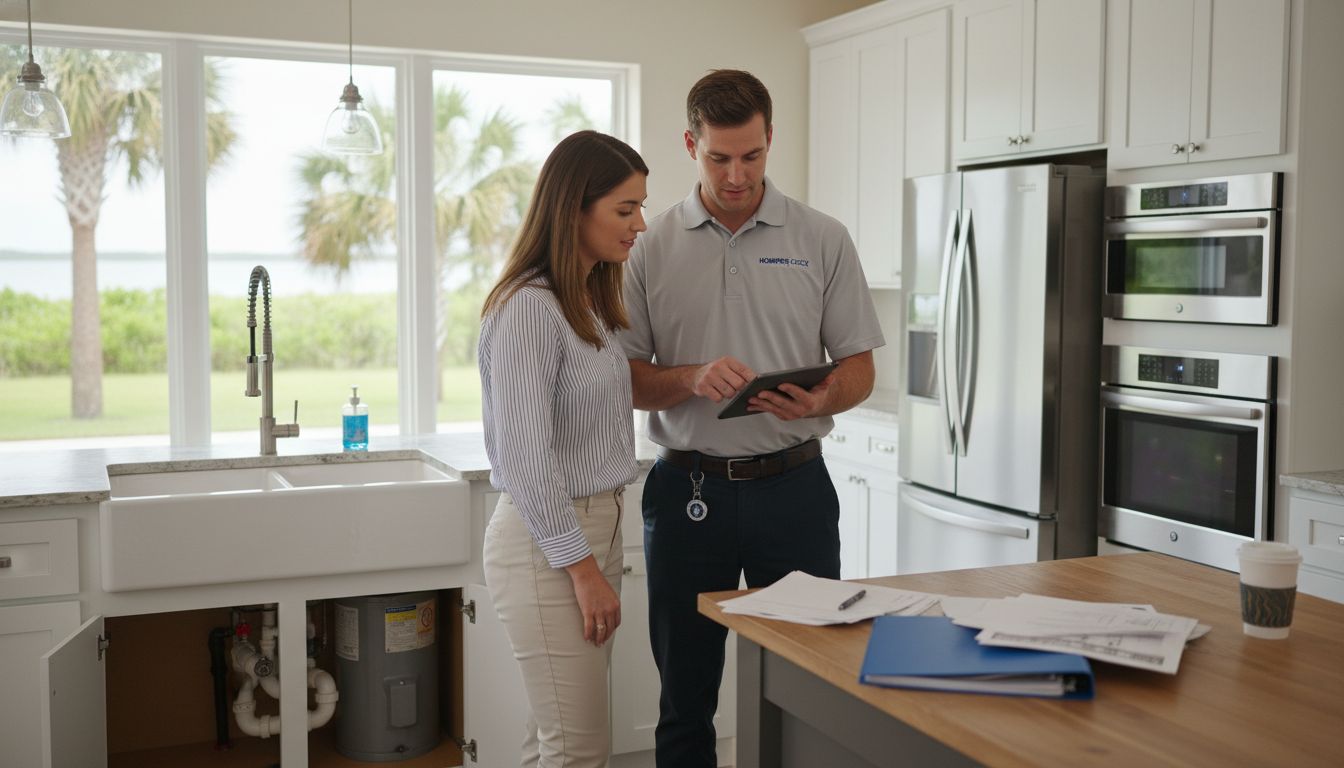
Over 80 percent of homebuyers request a home inspection before finalizing a purchase, yet few truly understand what these detailed reports reveal. A single hidden issue in an inspection can turn a dream home into a financial headache. Knowing what a home inspection report covers and why it matters is the first step to making confident real estate decisions. This article helps you decode the essentials, spotlighting crucial components and potential pitfalls every buyer and seller should recognize.
Table of Contents
Key Takeaways
Point | Details |
Home Inspection Reports Are Critical | They provide essential insights into a property’s condition, helping buyers identify risks and maintenance needs. |
Types of Home Inspections Matter | Various inspection types serve different buyer needs, from general assessments to specialized evaluations for new constructions. |
Understanding Report Components is Essential | Key elements like structural integrity, system evaluations, and safety hazards offer a comprehensive view of property conditions. |
Legal Implications of Reports Are Significant | Inspection reports protect buyers and sellers, influencing negotiations and liability in real estate transactions. |
Defining Home Inspection Reports and Their Purpose
A home inspection report represents a critical document that provides comprehensive insights into a property’s current condition, offering potential homebuyers a detailed assessment of potential risks, maintenance needs, and structural integrity. According to Wikipedia, a home inspection is a limited, non-invasive examination typically conducted during property sales, designed to help buyers make informed purchasing decisions.
The primary purpose of a home inspection report extends far beyond a simple checklist. These documents serve as a crucial diagnostic tool that evaluates multiple systems and components of a residential property, including structural elements, electrical systems, plumbing, roofing, and overall safety features. Alabama Administrative Code establishes uniform standards ensuring that home inspectors provide comprehensive information about a property’s condition at the time of inspection.
Key elements typically documented in a home inspection report include:
Detailed assessment of the home’s structural integrity
Evaluation of major systems like electrical, plumbing, and HVAC
Identification of potential safety hazards
Recommendations for necessary repairs or maintenance
Estimated remaining lifespan of critical home components

For Gulf Coast Alabama homebuyers, understanding inspection reports can mean the difference between a sound investment and an unexpected financial burden. These reports provide a professional, unbiased overview that helps buyers understand exactly what they are purchasing, potentially saving thousands in future repair costs.
Types of Home Inspection Reports in Alabama
Home inspection reports in Alabama encompass a comprehensive range of assessment types designed to provide potential homebuyers and property owners with detailed insights into a property’s condition. Alabama Division of Construction Management identifies several distinct inspection categories that serve unique purposes in evaluating residential properties, ensuring thorough and specialized examinations.
According to Alabama’s Standards of Practice, the primary types of home inspection reports in the state typically include:
General Home Inspection: A comprehensive evaluation covering structural components, electrical systems, plumbing, HVAC, roofing, and overall property condition
New Construction Inspection: Focused assessment of newly built homes to verify construction quality and compliance with building standards
Pre-Purchase Inspection: Detailed examination conducted specifically to support real estate transactions
EIFS (Exterior Insulation and Finish System) Inspection: Specialized assessment targeting exterior wall systems for potential moisture intrusion or structural issues
These varied inspection types serve different needs, from helping buyers make informed decisions to ensuring the safety and integrity of residential properties. Home inspection best practices for Alabama buyers highlight the importance of understanding these different report types, as each provides unique insights that can significantly impact property investment decisions.
By recognizing the nuanced differences between these inspection categories, homeowners and potential buyers can select the most appropriate assessment for their specific requirements.
Key Components Included in Inspection Reports
Home inspection reports are comprehensive documents that provide an in-depth analysis of a property’s condition, meticulously documenting potential issues and structural characteristics. Alabama’s Standards of Practice mandates that these reports cover readily accessible systems and components, ensuring a thorough examination of residential properties.
Typical key components documented in a professional home inspection report include:
Structural Elements: Foundation, walls, roof framing, and overall structural integrity
Exterior Evaluation: Siding, grading, drainage, walkways, windows, and doors
Roof System: Covering materials, flashings, skylights, and potential signs of damage
Plumbing Systems: Water pressure, pipe conditions, water heater, and potential leaks
Electrical Systems: Service entrance, main panel, circuit conditions, and outlet functionality
HVAC Systems: Heating and cooling equipment, ventilation, and overall system performance
Sample reports from Alabama House Whisperer demonstrate that modern inspection reports go beyond simple checklists. They typically include color photographs, detailed descriptions of identified issues, and professional assessments that help homebuyers understand the property’s true condition. What Does a Home Inspection Consist Of? provides additional insights into the comprehensive nature of these critical documents, highlighting their importance in making informed real estate decisions.
Legal Significance for Buyers and Sellers
Home inspection reports play a critical role in real estate transactions, serving as legally significant documents that protect both buyers and sellers by providing transparent and comprehensive property condition assessments. Alabama’s Standards of Practice establishes a rigorous framework ensuring that inspection reports offer detailed information crucial for legal and financial decision-making.
The legal implications of home inspection reports are multifaceted and can significantly impact real estate transactions:
Disclosure Requirements: Sellers must accurately represent known property conditions
Risk Mitigation: Buyers can negotiate repairs or price adjustments based on inspection findings
Liability Protection: Provides documentation of property condition at the time of sale
Potential Legal Recourse: Offers evidence in case of undisclosed significant defects
Alabama Association of REALTORS emphasizes that home inspections are critical for identifying potential hazards like radon, asbestos, and lead, which can have substantial legal implications. Inspection Reports Explained: Complete Homebuyers Guide further highlights how these documents serve as essential legal safeguards, helping both parties understand their rights and responsibilities in property transactions. By providing a comprehensive and objective assessment, home inspection reports ultimately protect all parties involved in the real estate process.
Common Pitfalls and How to Avoid Them
Home inspection reports can be complex documents that require careful interpretation and understanding to prevent costly mistakes. Alabama’s Standards of Practice emphasizes the necessity for inspectors to report systems and components that are significantly deficient or near the end of their service lives, helping clients proactively identify potential issues.
Common pitfalls in home inspections and their prevention strategies include:
Overlooking Minor Issues: Small problems can escalate into major expensive repairs
Misunderstanding Report Terminology: Professional language can be confusing for non-experts
Failing to Follow Up on Recommendations: Ignoring suggested repairs can lead to significant damage
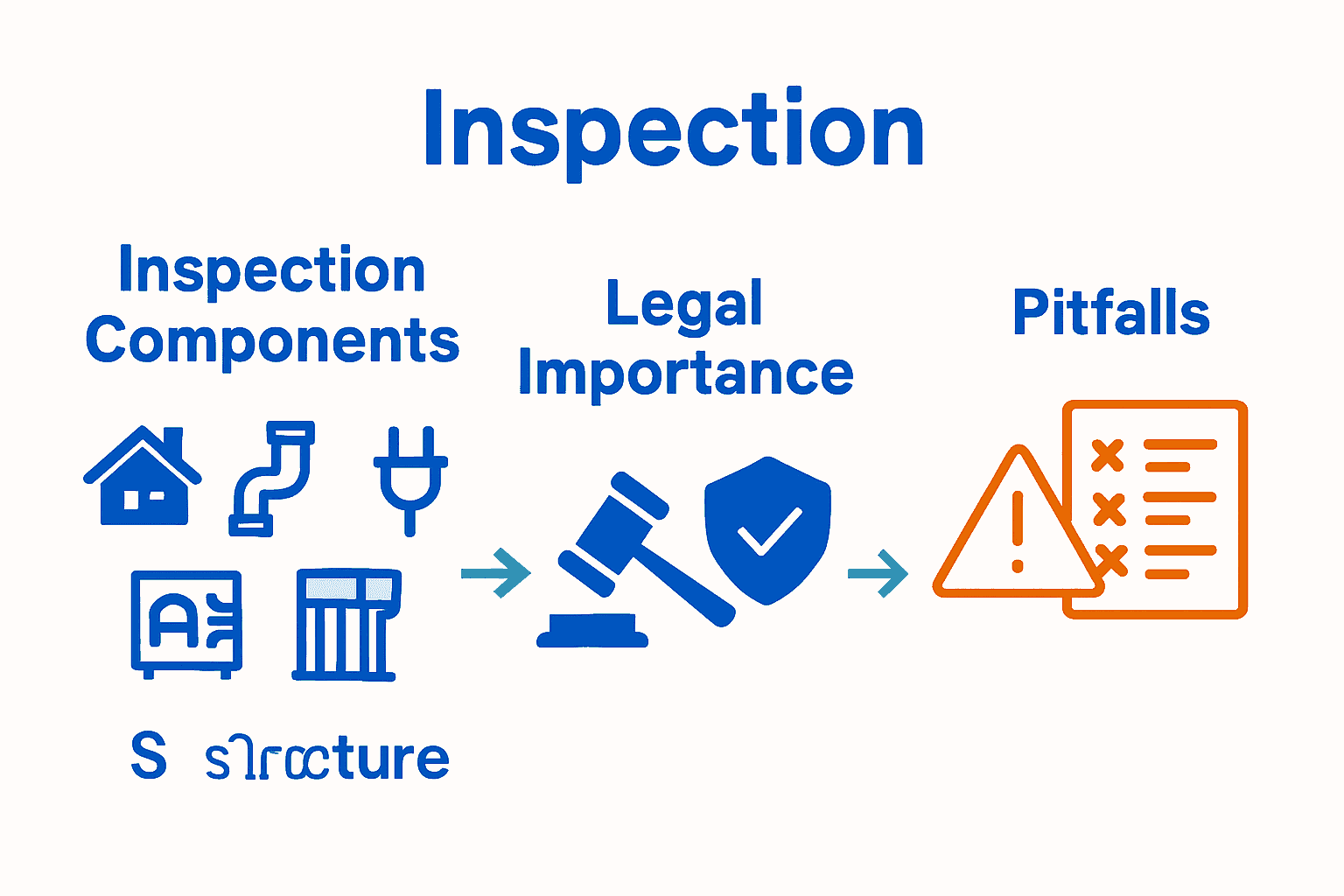
Assuming a Perfect Inspection: No inspection can guarantee 100% comprehensive evaluation
Sample reports from Alabama House Whisperer illustrate typical problem areas like roofing defects and plumbing issues that homebuyers should carefully examine. 7 Essential Examples of Inspection Reports for Homebuyers provides additional guidance on understanding and navigating the nuanced world of home inspections, helping buyers make informed decisions and avoid potential financial pitfalls in real estate transactions.
Make Confident Decisions with Trusted Home Inspection Reports
Navigating the complexities of home inspection reports can be overwhelming. You need clear insights into your property’s condition without confusing jargon or overlooked details. This guide highlights common challenges like interpreting technical terms and understanding potential risks that might affect your investment. At Trinity Home Inspections, we address these concerns by delivering thorough and easy-to-understand reports tailored to Gulf Coast Alabama homeowners.
Choose a home inspection partner who values integrity, thoroughness, and clear communication. With Matt Cameron’s expertise and commitment, every inspection emphasizes attention to detail and unbiased assessments. Don’t risk costly surprises down the road. Visit Trinity Home Inspections for professional services that exceed expectations. Learn more about what home inspections consist of and explore inspection report guides that empower you to take control of your real estate decisions today.
Frequently Asked Questions
What is the purpose of a home inspection report?
A home inspection report provides a detailed assessment of a property’s condition, helping potential buyers understand risks, maintenance needs, and overall structural integrity before making a purchase.
What types of inspections are included in home inspection reports?
Home inspection reports can include general home inspections, new construction inspections, pre-purchase inspections, and specialized inspections like EIFS inspections, each serving specific evaluation needs.
What key components are typically included in a home inspection report?
Key components of a home inspection report include evaluations of structural elements, exterior features, roofing systems, plumbing and electrical systems, and HVAC systems, along with any identified issues and recommendations for repairs.
How do home inspection reports impact real estate transactions?
Home inspection reports provide transparent assessments of property conditions, helping buyers negotiate repairs or price adjustments, ensuring compliance with disclosure requirements, and offering legal protection for both buyers and sellers.
Recommended

