
The Gulf Coast Seller's House Showing Checklist
- Matt Cameron
- 1 day ago
- 7 min read

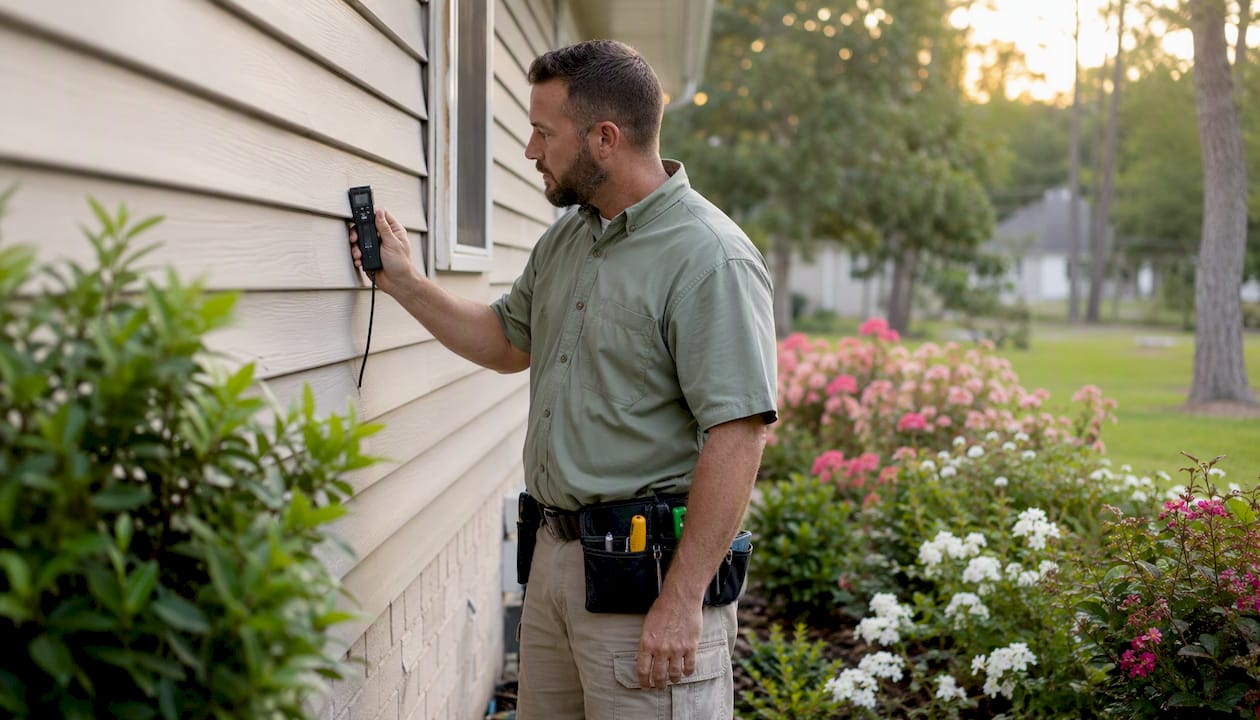
Order a professional pre-listing inspection before you list. For most Gulf Coast Alabama homes, that means scheduling a few weeks to a couple of months before your MLS live date, allowing extra time if major repairs are expected. Pre-listing inspections typically cost a few hundred dollars on average and take a few hours. The four findings most likely to derail a sale are roof damage, foundation issues, HVAC failure, and electrical hazards. Fix those first. If you choose not to repair something the inspection uncovers, Alabama law generally requires you to disclose known defects to buyers — plan for that decision before you list.
Key Takeaways
A pre-listing inspection ordered 2–8 weeks before listing gives Gulf Coast sellers the time and evidence to repair, price, and disclose with confidence.
Point | Details |
Schedule early | Book your inspection 2–8 weeks before listing to allow time for contractor quotes and repairs. |
Cost range | Pre-listing inspections typically run $300–$425 for an average-sized home. |
Fix safety items first | Prioritize foundation, HVAC, electrical, plumbing, and roof — these are most likely to block financing. |
Repair or disclose | Fix structural and safety defects; offer credits or price adjustments for cosmetic or as-is items. |
Trinity Home Inspections | InterNACHI-certified, same-day reports, free thermal imaging, serving Mobile, Baldwin, and surrounding Gulf Coast counties. |
What Does Your House Showing Checklist Cover Room by Room?
A pre-listing inspection covers the same scope as a buyer’s inspection: electrical, plumbing, roofing, HVAC, foundation, attic, windows, doors, and appliances. Use this checklist to prioritize before your inspector arrives.
Exterior and Roof
Look for missing or curling shingles, soft spots, and damaged flashing
Check gutters, downspouts, and grading for drainage away from the foundation
Inspect siding, trim, and caulking for gaps or rot
Foundation and Crawl Space
Note any visible cracks, settling, or moisture staining
Check for standing water or musty odors in crawl spaces
Electrical
Confirm the panel has no double-tapped breakers or aluminum wiring concerns
Test all outlets, switches, and GFCI receptacles near water sources
Plumbing
Run every faucet and check under sinks for slow drains or active leaks
Inspect the water heater age, condition, and pressure relief valve
HVAC
Replace filters and confirm the system heats and cools in both modes
Note the age of the unit — Gulf Coast heat puts heavy wear on systems
Attic and Insulation
Check for adequate insulation, ventilation, and any signs of moisture or pest activity
Interior Rooms
Test every window and door for smooth operation
Look for water stains on ceilings, walls, and around windows
Pro Tip: Note that radon testing, detailed mold sampling, sewer scope, and pool inspections are typically ordered as add-ons — not included in a standard inspection scope.
Is a Pre-Listing Inspection Right for You?
Not every seller needs one, but most benefit from one. InterNACHI describes the seller’s pre-listing inspection as a neutral, third-party evaluation that helps sellers set a realistic price and identify safety issues before buyers do.
Consider ordering one if your home is more than 15 years old, has had deferred maintenance, or involved past DIY work you are not certain was permitted. Sellers relocating out of state benefit especially — you cannot manage repair surprises from a distance. In a slower market, a clean inspection report gives buyers fewer reasons to negotiate down or walk away.
If your home is newer, recently renovated by licensed contractors, and you have documentation for every major system, a pre-listing inspection is still useful but less urgent. The decision comes down to how much uncertainty you can afford mid-contract.
What to Do After the Inspector Hands You the Report
Agents increasingly use pre-listing inspections to prevent canceled contracts when buyers’ inspectors surface major defects during escrow. Your report gives you the same advantage — but only if you act on it strategically.
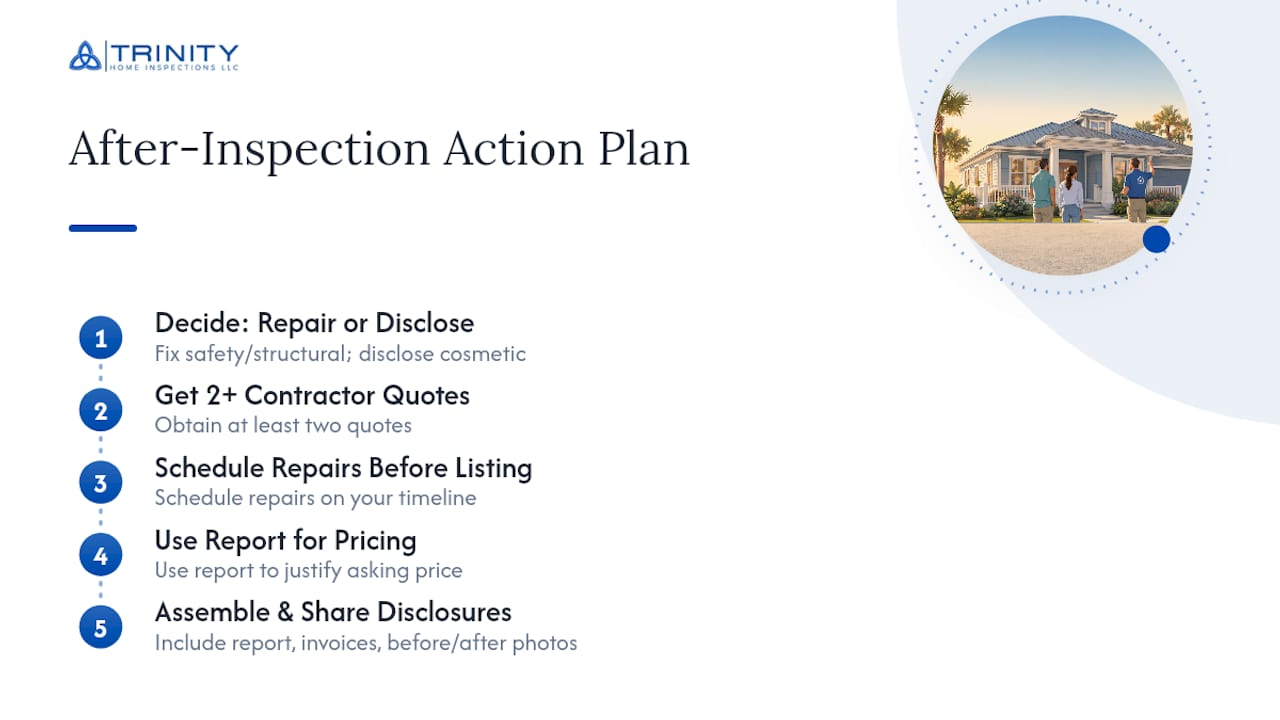
Repair vs. disclose: Fix safety hazards, structural problems, and anything a lender’s appraiser would flag. For cosmetic issues or older-but-functional systems, disclosure with a price adjustment or buyer credit is often the cleaner path.
Contractor selection: Get at least two quotes. Rushed contractor choices made under contract pressure cost more and sometimes produce work that raises new questions. Scheduling repairs on your timeline, before listing, avoids that entirely.
Pricing: A photo-rich report that separates major defects from minor maintenance gives your agent evidence to support your asking price. Buyers cannot use unknown defects as leverage when you have already documented and addressed them.
Assemble a disclosure packet with the inspection report, repair invoices, and before/after photos. Share it proactively with serious buyers.
How to Handle Major Findings Without Losing the Deal
A significant finding — foundation movement, active roof leak, outdated electrical panel — does not automatically kill a sale. It changes how you negotiate.
Your options are to repair before listing, price the home to reflect the condition, or offer a seller’s concession at closing. Each path has merit depending on your timeline and the local market. What rarely works is ignoring the finding and hoping a buyer’s inspector misses it. Gulf Coast buyers are accustomed to moisture, storm damage, and aging HVAC systems — their inspectors look hard for exactly those things.
If a major repair will take more than three weeks, factor that into your listing timeline. Rushing a foundation repair or a roof replacement to meet an arbitrary list date produces shoddy work and can create new disclosure obligations.
Staging After Repairs: Make the Work Visible
Repairs that buyers cannot see do not build confidence. After completing work, make the evidence part of your presentation. Leave invoices and permits in a folder on the kitchen counter. Point out the new water heater or the repaired flashing during showings.
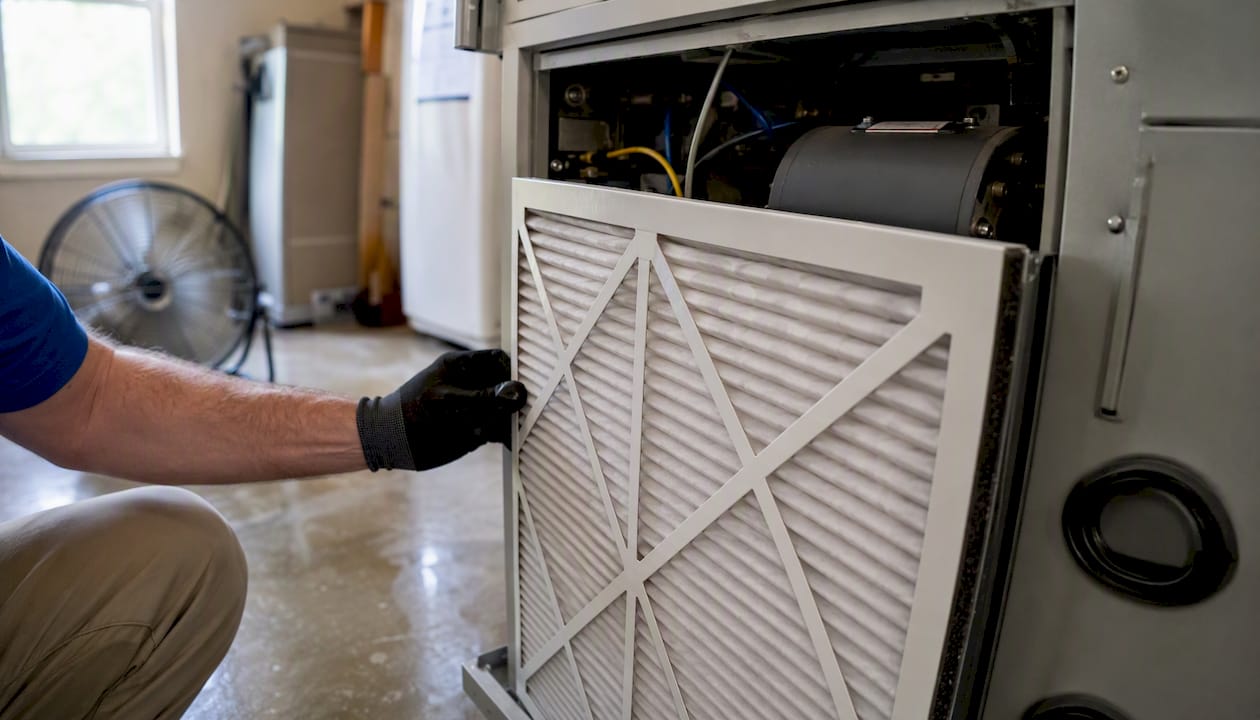
Beyond documentation, focus staging on the systems buyers worry about most: a clean HVAC filter, a tidy electrical panel, and a dry crawl space access point all signal a well-maintained home. Gulf Coast buyers pay attention to moisture control — a dehumidifier running in the crawl space and fresh caulking around windows tells a story before the inspector ever arrives.
Pest-free properties also command stronger offers. Addressing any wood-destroying insect activity before listing, and keeping documentation of pest control visits, gives buyers one less concern.
How to Share Inspection Results With Buyers Honestly
Transparency shortens negotiations. When you share the inspection report upfront, buyers see facts rather than discovering surprises. A focused, photo-rich disclosure packet with invoices signals that you managed the home responsibly.
Provide the full report, not a summary. Buyers and their agents will notice if a report looks edited. Pair it with a simple cover sheet listing what was repaired, what was disclosed as-is, and the contractor contact for each completed job. That level of clarity typically reduces the back-and-forth after a buyer’s inspection.
Why Pre-Listing Inspections Change Gulf Coast Negotiations
Gulf Coast homes face a specific set of stressors: high humidity, salt-air corrosion near the water, hurricane-season roof wear, and HVAC systems that run hard ten months a year. In my experience inspecting homes across Mobile, Baldwin, and surrounding counties, these are the issues that surface most often and surprise sellers the most — not because the problems are hidden, but because sellers have lived with them long enough to stop noticing.
A pre-listing inspection using thermal imaging, moisture meters, and drone roof access gives you a complete picture before a buyer’s inspector does. Same-day reports mean you are not waiting days to know what you are dealing with. That timeline matters when you are trying to get quotes, schedule contractors, and still hit your listing date.
The sellers who negotiate from the strongest position are the ones who already know what their home has and have a plan for it. That is what a good pre-listing inspection delivers.
Get a Pre-Listing Inspection From Trinity Home Inspections
Trinity Home Inspections gives Gulf Coast Alabama sellers a clear, honest picture of their home’s condition before the first showing — so you control the narrative instead of reacting to a buyer’s inspector’s findings.
[
What’s included with every pre-listing inspection:
Full systems inspection: roof, HVAC, electrical, plumbing, foundation, attic, windows, and doors
Same-day digital report with color-coded priorities and high-quality photos and video
Free thermal imaging for moisture and insulation checks
Trusted contractor referral list for repair quotes
Optional add-ons: mold testing, sewer scope, indoor air quality, and permit/deed searches
$1M Errors & Omissions and $2M General Liability insurance coverage
FAA-certified drone inspection for roofs that cannot be safely walked
Schedule your pre-listing inspection in Alabama today. Call 251-210-7376 or visit TrinityInspectionsLLC.com to book.
Sources
FAQ
How much does a pre-listing inspection cost in Alabama?
Most pre-listing inspections run $300–$425 for an average-sized home, with pricing sometimes adjusting by square footage above a size threshold.
When should I schedule a pre-listing inspection?
Schedule a few weeks to a couple of months before your planned listing date, allowing extra time if major repairs are necessary.
Do I have to disclose what the inspector finds?
Generally, yes. Once you have a written inspection report, Alabama’s disclosure requirements typically apply to known defects — whether you repair them or not. Consult your real estate agent or attorney for guidance specific to your situation.
What does a pre-listing inspection not cover?
Standard inspections do not include radon testing, detailed mold sampling, sewer scope, asbestos, or pool inspections. These are available as add-ons and are worth ordering if your home has moisture concerns or an aging sewer line.
Can Trinity Home Inspections deliver the report the same day?
Yes.
Recommended

