
How to Clean a Brick Fireplace Naturally for Homeowners

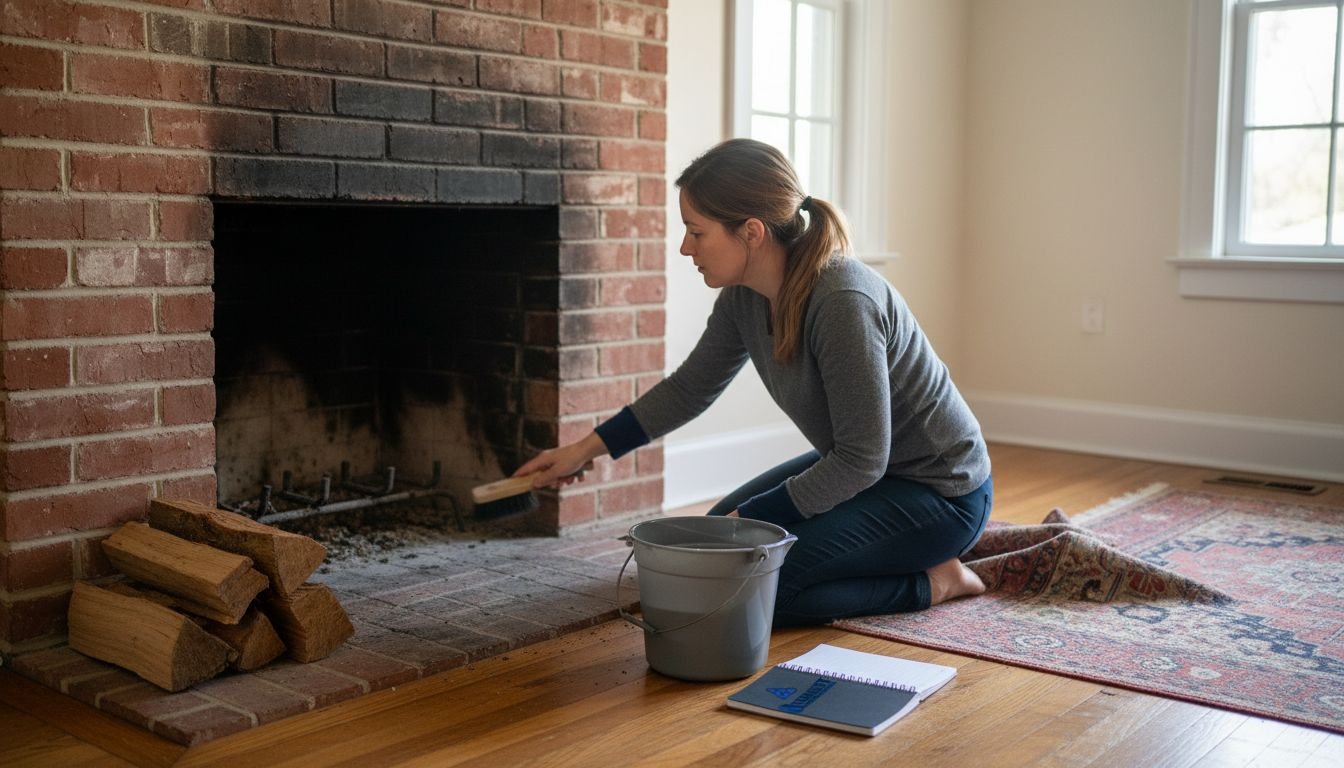
Homeowners in Gulf Shores know a spotless brick fireplace can set the tone when showing your home to potential buyers. A dirty or damaged hearth creates distractions, while a well-maintained one signals care and attention throughout your property. By using gentle, non-abrasive options and smart preparation, you not only protect your investment but also add a welcoming touch that stands out in listings and open houses.
Quick Summary
Key Point | Explanation |
1. Use Non-Abrasive Cleaning Tools | Protect your brick by using soft brushes and non-abrasive sponges to avoid scratches while cleaning effectively. |
2. Prepare Your Workspace Thoroughly | Move furniture away and cover surfaces to prevent damage from soot and cleaning solutions during the cleaning process. |
3. Vacuum Before Cleaning with Liquid | Remove loose soot and debris using a vacuum to prevent deeper embedding of particles into the brick before wet cleaning. |
4. Apply Natural Cleaning Solutions | Use a mixture of white vinegar and water for effective yet safe cleaning that won’t harm the brick or mortar. |
5. Inspect for Remaining Grime | After cleaning, check for lingering soot or stains; a thorough inspection ensures your fireplace looks its best before drying. |
Step 1: Gather Essential Cleaning Tools and Supplies
Before you start scrubbing, you’ll need the right tools on hand. Using the wrong equipment can scratch or damage your brick, so selecting gentle, non-abrasive options is key to protecting your fireplace while cleaning it effectively.
Start by assembling these basic tools:
Soft-bristled brushes (old toothbrushes work great for tight spots)
Non-abrasive sponges or soft cloths for wiping
Vacuum with upholstery attachment to remove loose soot and dust
Buckets for mixing and rinsing solutions
Protective gloves to keep your hands clean
Old towels or rags for drying surfaces
The quality of your tools matters more than the quantity—one good soft brush beats three harsh scrapers every time.
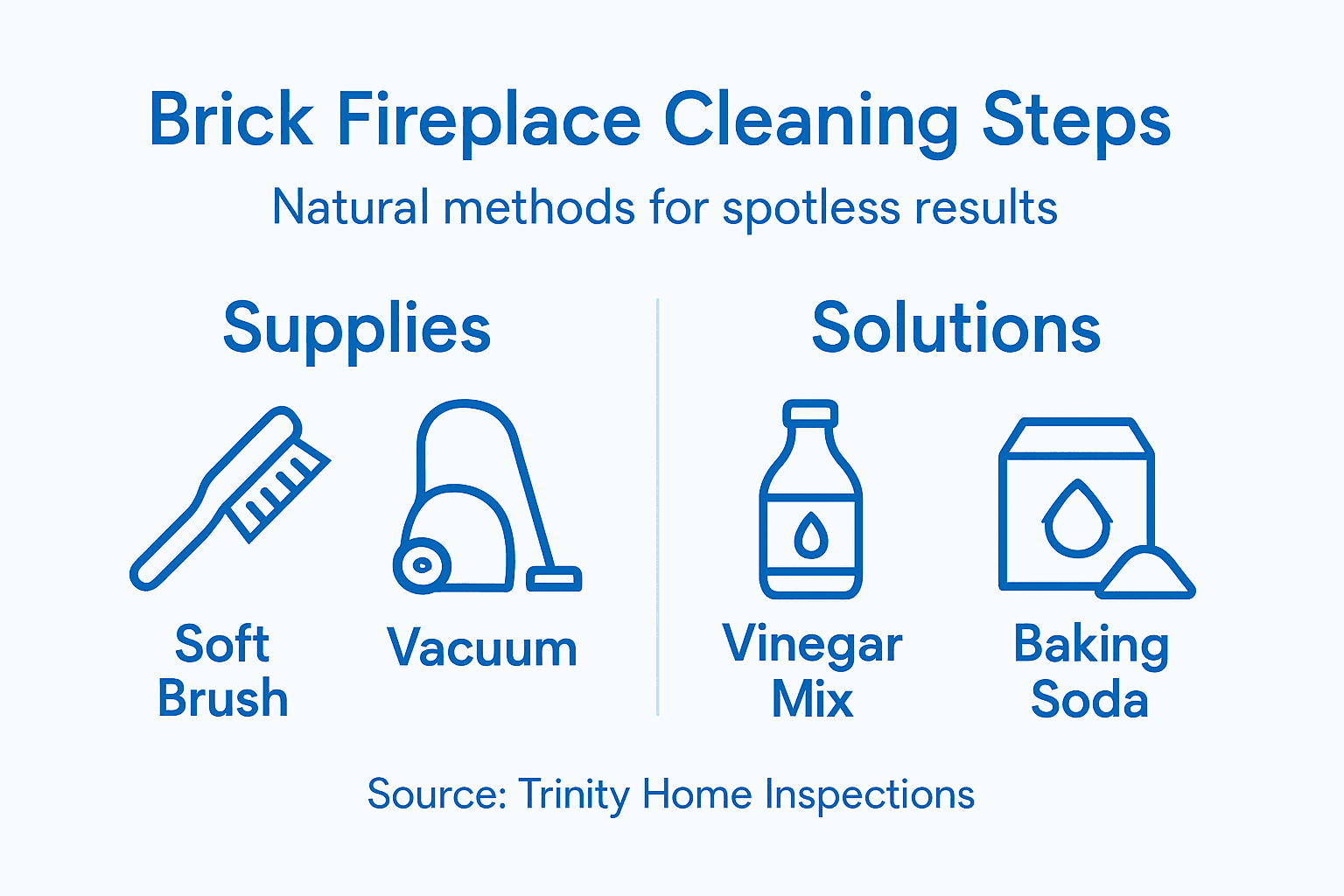
When selecting cleaning solutions, remember that proper brick care requires non-acidic cleaners that won’t corrode the mortar joints or stone surface. You’ll want to gather white vinegar, baking soda, dish soap, and water—all natural ingredients you likely already have at home in Gulf Shores.
Don’t overlook the smaller details. A spray bottle makes applying solutions easier, and a bucket with a drain plug saves time when you’re rinsing. Newspaper or drop cloths protect your hearth and floor from splashes and debris during cleaning.
Pro tip: Test any cleaning solution on a small, inconspicuous area of your brick first to ensure it won’t discolor or damage the surface before applying it to the entire fireplace.
Step 2: Protect Surrounding Areas and Prepare Workspace
Your fireplace sits in the middle of your living space, so protecting everything around it is just as important as cleaning the brick itself. A little preparation now prevents soot, dust, and cleaning solution splashes from damaging your furniture, flooring, and décor.
Start by moving furniture away from the fireplace. Push chairs, tables, and decorative pieces at least 3 to 4 feet back to create a clear working zone. This gives you room to move freely and keeps your belongings safe from stray water and debris.
Next, lay down protective coverings on the floor and any surfaces near the fireplace:
Drop cloths or plastic sheeting across the hearth and surrounding floor
Newspaper or cardboard to catch falling soot and dust
Plastic covers over nearby furniture if you cannot move it
Towels placed strategically to catch drips from your cleaning bucket
A well-prepared workspace takes 10 minutes now but saves hours of cleanup later.
When preparing your work area, ensure good ventilation by opening windows and doors near the fireplace. This helps dissipate dust and allows cleaning fumes to escape naturally. If your home gets stuffy, consider running a box fan to push air outside.
Remove any flammable materials from the immediate area, including curtains, throw blankets, or decorative items. Even though you’re cleaning and not using the fireplace yet, it’s smart practice. Check that your cleaning area has good lighting so you can see what you’re doing and spot any damaged mortar or areas needing extra attention.
Pro tip: Wear old clothes or an apron while cleaning your fireplace—soot and brick dust stain easily and are hard to wash out, so protect your wardrobe from the start.
Step 3: Remove Loose Soot and Debris from Fireplace
Now that your workspace is protected, it’s time to tackle the loose soot and ash sitting on your brick. This step is crucial because vacuuming before wet cleaning prevents soot from getting pushed deeper into the porous brick and mortar.
Start by putting on protective gear. Wear an N95 or KN95 mask, gloves, and old clothes you don’t mind getting dirty. Soot particles can irritate your lungs, so protection matters here.

Next, grab your vacuum with the upholstery attachment. When using a vacuum for soot removal, work gently and avoid aggressive scrubbing motions that embed soot deeper into the brick. Start at the top of the fireplace and work your way down, letting the vacuum do the work.
Follow these steps in order:
Vacuum the brick face thoroughly, paying extra attention to mortar joints where soot accumulates
Clean inside the firebox and around the hearth with gentle passes
Wipe down the mantel and surrounding trim with a damp cloth to catch any remaining dust
Empty your vacuum outside to prevent spreading soot back into your home
Never dry-dust your fireplace—damp wiping reduces airborne particles that can irritate your respiratory system.
After vacuuming, use a damp cloth to lightly wipe surfaces. This captures fine soot particles that the vacuum missed and prevents them from becoming airborne when you apply liquid cleaners. Work carefully without pressing hard on the brick.
You’ll notice the cloth turning gray or black. Keep wiping with fresh, damp cloths until they come away relatively clean. This preparation makes your actual cleaning solution work much more effectively in the next steps.
Here’s a quick overview of common mistakes to avoid while cleaning a brick fireplace:
Mistake | Why It’s Harmful | How to Avoid |
Using harsh scrubbing tools | Can scratch and damage brick | Use soft-bristled brushes only |
Skipping workspace prep | Increases risk of stains and mess | Always protect floors and furniture |
Dry-dusting soot | Disperses harmful particles into air | Use damp cloths after vacuuming |
Over-saturating the brick | May cause water damage or streaking | Rinse small sections at a time |
Ignoring ventilation | Leads to dust and chemical buildup | Open windows for airflow |
Pro tip: Vacuum outdoors or near an open window with good air circulation, and change your vacuum bag or empty the canister immediately after—trapped soot particles can escape back into your home later when the vacuum runs again.
Step 4: Apply Natural Cleaning Solution to Brick
With loose soot removed, you’re ready to apply a cleaning solution that actually lifts grime without damaging your brick. Natural cleaners work surprisingly well and won’t harm the mortar joints or leave harsh chemical residue behind.
Start by making your cleaning solution. Mix equal parts white vinegar and water in a spray bottle, then add a few drops of dish soap. This combination cuts through soot and grime effectively. If you prefer a stronger solution, try baking soda mixed with a small amount of water to form a paste for stubborn spots.
Here’s how to apply your solution safely:
Spray the brick section by section, starting from the top
Let the solution sit for 10 to 15 minutes to penetrate the grime
Use your soft-bristled brush to gently scrub in circular motions
Work from top to bottom so dirty water runs downward
Rinse thoroughly with clean water and a damp cloth
A gentle hand beats elbow grease every time—let the cleaner do the work, not your muscles.
When working with natural cleaning solutions for fireplaces, avoid scrubbing too hard, which can damage the brick surface or push grime into mortar joints. Your soft brush is your best friend here. Focus extra attention on areas with heavy soot buildup, but maintain the same gentle pressure throughout.
After scrubbing a section, rinse it completely with fresh water. Use clean cloths to wipe away excess moisture. You’ll see the brick color brighten as the solution lifts away years of accumulated grime. Don’t rush this step—thorough rinsing prevents soap residue from drying on the brick and dulling its appearance.
Work in manageable sections rather than trying to clean the entire fireplace at once. This prevents your solution from drying on untreated areas and ensures consistent results across all the brick.
Pro tip: Test your vinegar and water solution on a hidden corner of the fireplace first to confirm it doesn’t discolor the brick—some older brick varieties can react unexpectedly to acidic solutions.
The table below summarizes how each cleaning solution affects brick fireplaces:
Cleaner Type | Effectiveness | Safety for Brick | Best Use Case |
White vinegar & water | Cuts most soot and grime | Safe for most bricks | General fireplace cleaning |
Baking soda paste | Targets stubborn stains | Gentle, non-abrasive | Tough residue spots |
Dish soap & water | Removes light dirt | Very safe | Routine maintenance |
Acid-based products | High but risky | Can damage mortar and stone | Not recommended |
Step 5: Inspect and Verify a Thorough Cleaning Result
Now that you’ve finished cleaning, take time to inspect your work carefully. A proper inspection ensures you’ve removed all visible soot and grime, and that your fireplace is ready to impress potential buyers or simply look its best for your home.
Start by stepping back and examining the brick from different angles. Look for any remaining soot patches or dark stains that need additional attention. The brick should display a relatively uniform color without heavy black or gray residue.
Here’s what to check during your inspection:
Brick surfaces for lingering soot or discoloration
Mortar joints to confirm they’re clean and not darkened with embedded grime
The hearth and firebox for any residual ash or debris
Metal components like the damper or grate for cleanliness
The mantel and any decorative trim for missed spots
A thorough inspection takes 10 minutes and saves you from having to clean the same spot twice.
When inspecting fireplace condition and cleanliness, look closely at areas where water might pool or where soot tends to accumulate most heavily. These spots often need a second pass with your cleaning solution. Pay special attention to the corners where the brick meets the firebox, as grime loves hiding there.
If you spot remaining stains, mix a fresh batch of your cleaning solution and address those areas immediately. The brick is still slightly damp, making it easier for the cleaner to work. Don’t let the brick dry completely before doing touch-ups, as dried brick absorbs solutions differently.
Run your hand gently across the brick surface. It should feel smooth and clean, without gritty soot particles. If you feel residue, that’s your sign more cleaning is needed. This tactile check catches what your eyes might miss.
Once you’re satisfied with the results, allow the fireplace to dry completely. This typically takes 24 to 48 hours depending on humidity in Gulf Shores. Your brick will look noticeably brighter and cleaner once fully dry, revealing the true color and texture you’ve uncovered.
Pro tip: Take before and after photos of your cleaned fireplace—they’re invaluable for real estate listings and give you satisfaction knowing the work you’ve accomplished.
Protect Your Brick Fireplace and Your Home with Expert Inspections
Cleaning your brick fireplace naturally is a smart way to maintain its beauty and safety but ensuring your entire home is in top condition means looking beyond just one feature. The article highlights key steps like gentle cleaning methods and inspecting mortar joints which shows how vital it is to catch hidden issues early on before they become costly. Common concerns such as moisture damage, soot buildup, and structural problems require professional insight to give you peace of mind.

At Trinity Home Inspections, we provide InterNACHI-certified home inspections that go beyond the surface so you can trust your fireplace and entire property are well cared for and safe. Our expert inspectors use advanced thermal imaging and moisture detection tools to find issues that simple cleaning cannot fix giving you the confidence to make informed decisions. Whether you are a homeowner looking to maintain your investment or preparing to sell we stand by our faith-based values and deliver clear thorough reports the same day. Don’t wait until a minor problem turns into a major repair discover the full condition of your home with a professional inspection today.
Explore more about how we can help with your home’s safety and maintenance by visiting Trinity Home Inspections. Your home deserves expert care and you deserve honesty and clarity at every step.
Frequently Asked Questions
How do I gather the right tools for cleaning a brick fireplace naturally?
To clean a brick fireplace effectively, you’ll need soft-bristled brushes, non-abrasive sponges, a vacuum with an upholstery attachment, buckets, protective gloves, and old towels. Start by assembling these items before beginning your cleaning process to ensure you have everything you need within reach.
What natural cleaning solutions can I use for a brick fireplace?
You can create an effective natural cleaning solution by mixing equal parts white vinegar and water, along with a few drops of dish soap. This mixture will help lift soot and grime without damaging the brick or its mortar joints when applied section by section.
How should I prepare my workspace before cleaning a brick fireplace?
Move any furniture away from the fireplace at least 3 to 4 feet and lay down protective coverings like drop cloths or newspapers on the floor and hearth. Ensuring good ventilation by opening windows will help dissipate dust and fumes, making your cleaning environment safer and cleaner.
What steps should I follow to vacuum loose soot from my brick fireplace?
Begin by wearing protective gear like a mask and gloves, and then use your vacuum with the upholstery attachment to gently clean the brick. Focus on the top sections first and work your way down, ensuring you cover all surfaces, including the hearth and firebox, to effectively remove soot without pushing it deeper into the brick.
How can I inspect my brick fireplace after cleaning to ensure it’s spotless?
After cleaning, step back and visually inspect the brick from various angles to spot any remaining soot or stains. Run your hand along the surfaces to check for any gritty residue; if you notice rough spots, apply your cleaning solution again for a second pass to achieve the best results.
What precautions should I take while cleaning a brick fireplace?
Always test your cleaning solutions on a small, inconspicuous area first to ensure they won’t harm the brick. Additionally, wear old clothes and use gloves to protect your skin and clothing from soot and potential stains during the cleaning process.
Recommended

