
How to Prepare a House for Sale: Complete Home Seller Guide

Updated: Jan 26
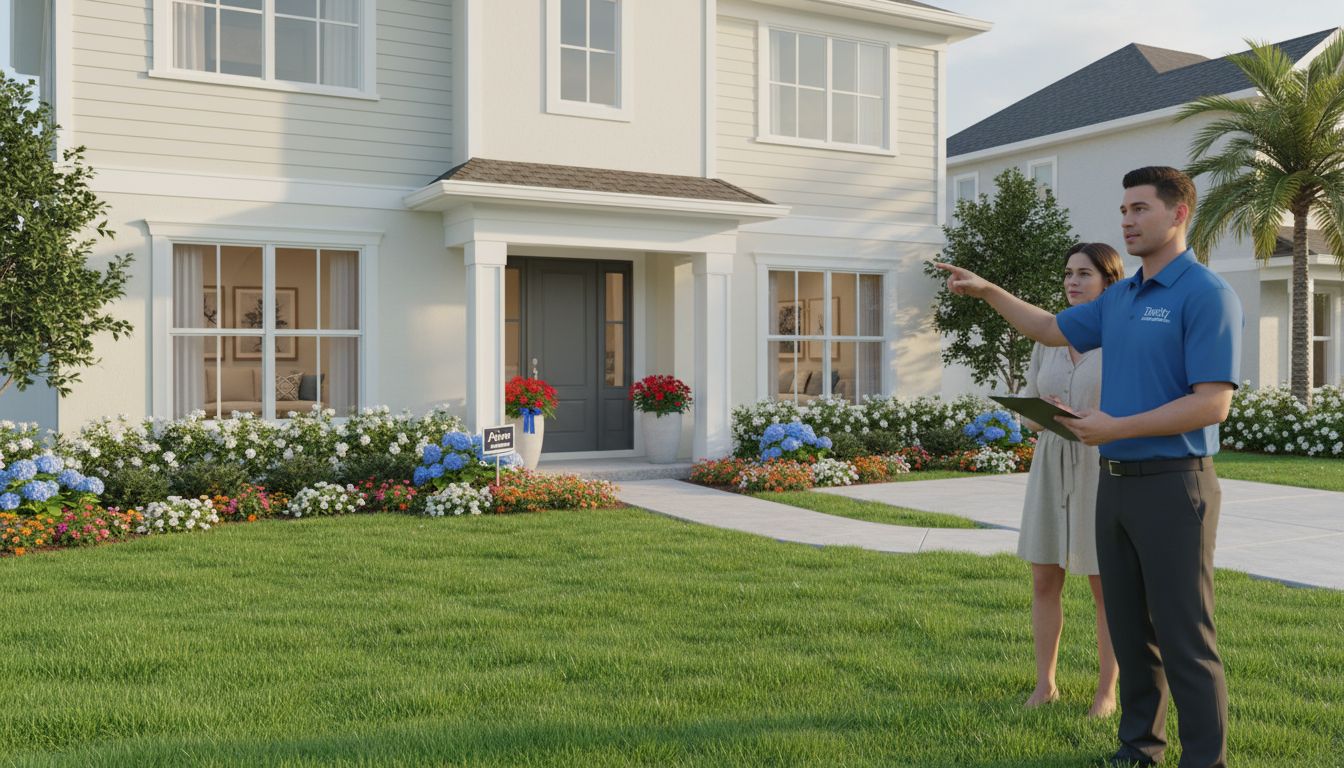
Over eighty percent of american home sellers encounter unexpected obstacles before their property ever hits the market. Selling a house involves more than just listing it online or planting a sign in the yard. From thorough home assessments to deep cleaning and repairs, each step shapes your chances of a fast, profitable sale. Learning how to prepare your home the right way gives you a powerful edge and helps avoid costly surprises during the process.
Table of Contents
Quick Summary
Key Point | Explanation |
1. Conduct a Thorough Home Assessment | Assess your home’s condition to identify issues that might deter buyers or affect value before listing. |
2. Declutter and Deep Clean Throughout | Remove personal items and deep clean to create an inviting space that appears well-maintained to buyers. |
3. Repair and Update Key Features | Focus on important functional and cosmetic repairs that enhance your home’s appeal and market value. |
4. Stage and Enhance Curb Appeal | Present a clean and neutral environment inside and out that helps buyers envision themselves in your home. |
5. Schedule a Professional Home Inspection | Obtain an objective evaluation of your home’s condition and address potential issues proactively before listing. |
Step 1: Assess Your Home’s Condition Thoroughly
Before listing your home for sale, conducting a thorough property assessment is critical to maximizing your selling potential and preventing unexpected complications during the sale process. Understanding your home’s current condition allows you to proactively address potential issues that might deter prospective buyers or reduce your property’s market value.
Start by performing a comprehensive walkthrough of your entire property, methodically examining each room and critical structural areas. Pay close attention to visible signs of wear, damage, or maintenance needs. Check walls for cracks, inspect flooring for scratches or uneven surfaces, evaluate paint conditions, and examine windows and doors for proper functionality. Focus on key areas that home inspectors typically scrutinize: foundation, roof, electrical systems, plumbing, and HVAC components. Consider preparing for your home inspection to understand what professionals will be looking for during their assessment.
While a DIY assessment provides initial insights, hiring a professional home inspector offers the most comprehensive evaluation. Professional inspectors can identify hidden problems that might escape an untrained eye, providing a detailed report of your property’s condition. This proactive step not only helps you understand potential repair needs but also gives you an opportunity to address issues before listing, potentially increasing your home’s marketability and sale price. A pre-listing inspection can help you negotiate from a position of strength and prevent last minute surprises that could derail your sale.
Warning: Some home defects might seem minor to you but could be significant red flags for potential buyers. Always err on the side of thorough investigation and transparency.
Step 2: Declutter and Deep Clean Every Area
Preparing your home for sale requires strategic decluttering and comprehensive cleaning that transforms your living space into an appealing environment for potential buyers. A meticulously cleaned and organized home signals to buyers that the property has been well maintained and cared for.
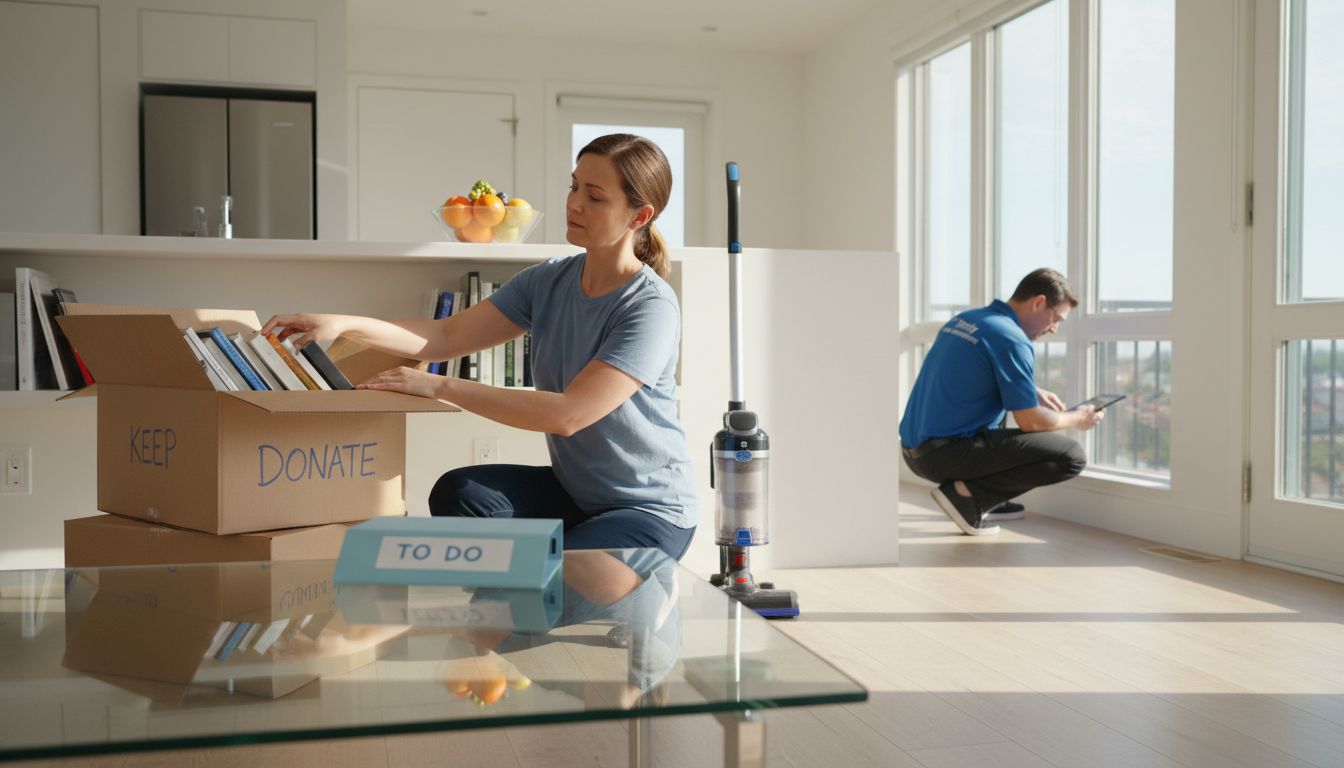
Begin your decluttering process by systematically addressing each room, focusing on removing personal items, excess furniture, and unnecessary belongings. Create three primary sorting categories: keep, donate, and discard. Prioritize creating open spaces that allow potential buyers to envision themselves living in the home. Remove family photographs, personal mementos, and excessive decorative items that might distract from the property’s architectural features. Pay special attention to high traffic areas like entryways, living rooms, and kitchens where clutter tends to accumulate.
For deep cleaning, adopt a room by room approach that ensures no space is overlooked. Thoroughly clean windows, baseboards, light fixtures, and often neglected areas like ceiling corners and behind appliances. Wash walls, touch up paint where necessary, and steam clean carpets to eliminate lingering odors. Consider hiring professional cleaners who can provide a comprehensive deep clean that meets professional standards. A spotless home not only looks more attractive but also suggests to buyers that the property has been carefully maintained.
Warning: Overcleaning is almost impossible when preparing to sell. Potential buyers will scrutinize every detail, so approach cleaning with meticulous attention and consider a professional cleaning service for best results.
Step 3: Repair and Update Key Features
Repairing and updating key features of your home is crucial to maximizing its market value and attracting potential buyers. Strategic improvements can significantly enhance your property’s appeal and potentially increase its selling price.
Start by addressing critical exterior elements that create first impressions. Inspect and repair gutters, downspouts, and roof components to ensure they are in excellent condition. Replace missing or damaged shutters, touch up exterior trim paint, and address any visible wear on siding or exterior surfaces. Inside the home, focus on high impact areas like kitchen and bathroom fixtures. Replace outdated hardware, repair leaky faucets, and consider minor updates like fresh caulking around sinks and tubs. Address any electrical or plumbing issues that might raise red flags during a home inspection.
Prioritize repairs that offer the best return on investment. Replace burned out light bulbs, repair loose door handles, patch small wall holes, and ensure all windows and doors open and close smoothly. Minor cosmetic updates like a fresh coat of neutral paint can dramatically transform a space without requiring significant expense. Consider addressing any flooring imperfections, such as replacing worn carpet or refinishing hardwood surfaces. While major renovations are rarely recommended before selling, targeted repairs and updates can make your home feel well maintained and move in ready.
Warning: Not all repairs provide equal value. Focus on functional improvements and cosmetic updates that create a clean, well maintained appearance rather than expensive overhauls that may not recoup their cost during the sale.
Step 4: Stage Interior and Enhance Curb Appeal
Staging your home and creating an outstanding first impression are critical steps in attracting potential buyers and maximizing your property’s market value. Your goal is to transform your living space into an inviting, neutral environment that allows buyers to envision themselves living in the home.
Begin by addressing your home’s exterior and landscaping to create an irresistible first impression. Maintain a manicured lawn, trim overgrown shrubbery, and add seasonal flowers to create visual appeal. Power wash walkways, clean exterior windows, and ensure outdoor lighting is functional and attractive. For interior staging, focus on creating a spacious and neutral environment. Rearrange furniture to maximize room flow and highlight architectural features. Remove personal photographs and eclectic decorations, replacing them with minimal, modern accessories that create a sense of warmth without feeling cluttered.
Pay special attention to key rooms that significantly impact buyer perception. The kitchen and living areas should feel open and welcoming, with clean countertops and minimal decor. Use neutral color palettes that appeal to a broad range of tastes, and consider adding subtle touches like fresh flowers or a bowl of fruit to create an inviting atmosphere. Ensure each room has a clear purpose and feels bright and airy. Remove excess furniture to make spaces feel larger, and use strategic lighting to create a warm, welcoming environment.
Warning: Avoid over personalizing your staging. The goal is to create a blank canvas that allows potential buyers to imagine themselves living in the space, not to showcase your unique design preferences.
Step 5: Schedule a Professional Home Inspection
Scheduling a professional home inspection is a critical step in preparing your home for sale, providing an objective assessment of your property’s condition and helping you address potential issues before listing. A comprehensive inspection can help you identify and resolve problems that might otherwise derail your selling process.
Hiring a qualified independent home inspector requires careful consideration. Research local inspectors with proven credentials, checking their professional certifications and reading client reviews. Request a detailed property condition report that comprehensively evaluates your home’s structural integrity, mechanical systems, and potential maintenance needs. During the inspection, plan to be present but not intrusive, allowing the inspector to work methodically and thoroughly. This approach enables you to ask questions and gain immediate insights into your property’s condition.
Prepare for the inspection by gathering relevant documentation about your home, including previous repair records, renovation details, and maintenance history. Clear access to key areas like electrical panels, attic spaces, and crawl spaces will help the inspector conduct a more efficient examination. Understanding the key benefits of professional home inspections can help you approach the process strategically, viewing it as an opportunity to proactively address potential buyer concerns.
Warning: An incomplete or superficial home inspection can lead to unexpected complications during the selling process. Invest time in selecting a thorough, experienced professional who will provide a comprehensive assessment.
Step 6: Review Results and Make Final Improvements
Reviewing the results of your home inspection is a pivotal moment in preparing your property for sale. This step requires careful analysis and strategic decision making to maximize your home’s market value and appeal to potential buyers.
Carefully review the home inspection report to identify all recommended repairs and improvements. Categorize findings into three priority levels: urgent repairs that could impact sale potential, recommended maintenance items, and cosmetic enhancements. Prioritize urgent repairs and maintenance issues that might deter potential buyers or complicate the sale process. Focus on structural integrity, safety concerns, and functional systems like electrical, plumbing, and HVAC components.
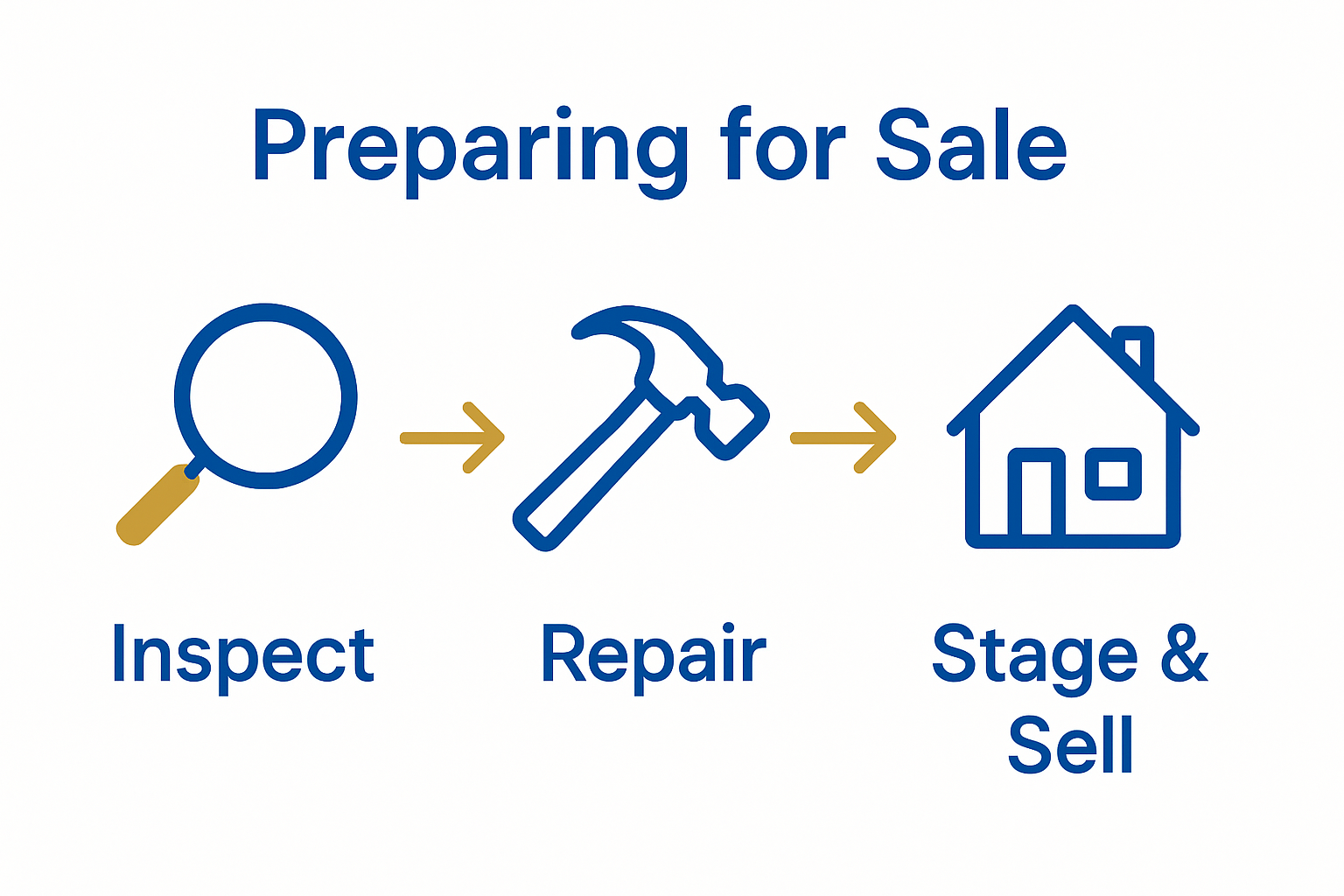
Estimate repair costs and evaluate the return on investment for each improvement. Some repairs might significantly increase your home’s value, while others could be unnecessary or too expensive relative to potential gains. Consider obtaining multiple quotes from reputable contractors for major repairs. If certain improvements are beyond your budget, be prepared to adjust your asking price or offer credits to potential buyers. Transparency about the home’s condition can build trust and potentially expedite the selling process.
Warning: Ignoring critical inspection findings can lead to last minute negotiations, reduced sale prices, or potential buyers withdrawing their offers. Address significant issues proactively to ensure a smooth sales transaction.
Make Your Home Sale Stress-Free with Expert Inspection Support
Preparing your house for sale means facing many challenges from identifying hidden issues to prioritizing repairs and enhancing curb appeal. The article highlights the importance of a thorough home inspection as a key step to avoid surprises during the sale process and increase buyer confidence. Home sellers often worry about unexpected defects lowering their sale price or causing delays. With so much at stake, you need accurate information and professional guidance to make informed decisions and present your home in the best possible light.
At Trinity Home Inspections, we specialize in providing comprehensive and reliable home inspections that empower you to navigate these challenges with confidence. Our detailed reports and expert insights help you pinpoint urgent repairs, plan strategic updates, and address potential concerns before listing. Experience the peace of mind that comes from working with a local, trusted business grounded in integrity and excellence. Whether you want to understand key benefits or prepare effectively for your home inspection visit, we are here to support every step of your seller journey.
Don’t risk costly surprises when selling your home. Start your selling journey on the right foot by scheduling a professional inspection today with Trinity Home Inspections. Learn more about preparing for your home inspection and discover how our trusted expertise can help you get the most from your sale. Visit our site now to protect your investment and sell your home confidently.
Frequently Asked Questions
What should I assess in my home’s condition before selling?
To effectively prepare your house for sale, thoroughly assess its condition by checking for visible signs of wear, damage, or maintenance issues in each room and key structural areas. Conduct a detailed walkthrough and create a checklist to ensure you don’t miss any potential problem areas.
How can I declutter my home to make it more appealing to buyers?
Start by systematically addressing each room, sorting items into categories: keep, donate, and discard. Aim to create open spaces and remove personal items, allowing potential buyers to envision themselves in the home while showcasing its architectural features.
What repairs should I prioritize to enhance my home’s value?
Focus on addressing critical repairs that impact your home’s appearance and functionality, such as fixing leaks, replacing outdated fixtures, and ensuring electrical and plumbing systems are in good working order. Minor cosmetic updates, like fresh paint, can also make a significant difference for little investment.
How do I stage my home effectively for a sale?
Begin staging by decluttering and rearranging furniture to maximize space and highlight key architectural features. Use neutral color palettes and minimal decor to create a welcoming environment, ensuring every room has a clear purpose to make it more appealing to potential buyers.
Why is scheduling a professional home inspection important?
A professional home inspection provides an objective assessment of your property’s condition, helping you identify and resolve issues before listing. This proactive step can enhance your negotiation position and build trust with potential buyers by demonstrating transparency about your home’s condition.
What should I do after reviewing the home inspection report?
Carefully categorize the findings from the inspection report into urgent repairs, recommended maintenance, and cosmetic enhancements. Prioritize urgent repairs that may deter buyers, estimate repair costs, and consider seeking multiple quotes to ensure your home’s appeal and value are maximized.
Recommended
