
Signs of Sewer Leaks in Older Homes

Sewer leaks in older homes can cause costly repairs and structural damage if left unnoticed. Homes built before the 1980s are at higher risk due to aging materials like cast iron, clay tile, or Orangeburg pipes, which deteriorate over time. Factors such as shifting soil, tree roots, and high moisture levels in regions like the Gulf Coast accelerate these issues.
Here’s what to watch for:
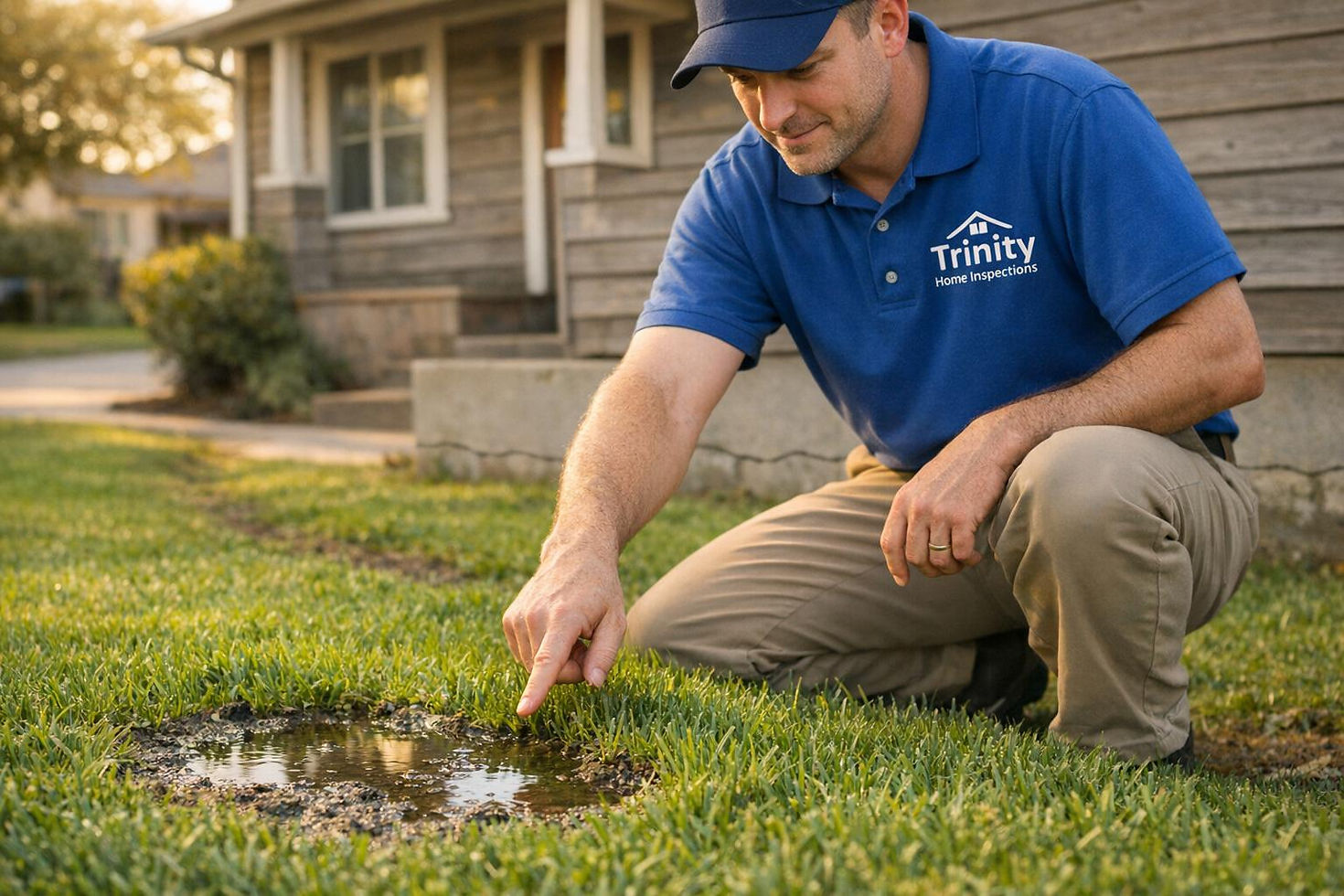
Outdoor Signs: Soggy patches, sunken soil, unusually green grass, foul odors, or increased pest activity near sewer lines.
Indoor Signs: Slow drains, sewage smells, water stains, warped floors, or gurgling sounds from pipes.
Causes: Tree root intrusion, corroded pipes, and soil movement often lead to leaks or blockages.
Costs: Repairs average $3,500, while full replacements range from $5,000 to $20,000+.
A sewer camera inspection can identify hidden problems early, saving you from expensive fixes. Regular maintenance, such as managing tree roots and avoiding grease buildup, helps extend the life of aging sewer systems.
Top 5 Warning Signs Your Sewer Line Is Failing
Why Older Homes Have More Sewer Leak Problems
Older homes often come with decades of wear and tear, and one of the first places this shows is in the sewer system. The materials used in older pipes, combined with environmental factors and landscaping, can create the perfect storm for pipe failures. These issues are far less common in newer homes, where construction materials and methods have evolved. Below, we’ll take a closer look at the risks tied to pipe materials, environmental conditions, and tree roots.
Common Pipe Materials and How Long They Last
The type of pipe used in a home can reveal a lot about its potential for leaks or failures. Homes built before the 1970s often feature clay tile, cast iron, or Orangeburg pipe - a material made from compressed wood pulp and tar that became popular after World War II. Each of these materials has a limited lifespan, and their weaknesses become more apparent with age.
Pipe Material | Common Era | Known Failure Mode |
Orangeburg | 1940s–1960s | Softens and collapses over time |
Clay tile | Pre-1970s | Cracks and allows root intrusion |
Cast iron | Pre-1980s | Corrodes and develops rust holes |
For instance, cast iron pipes corrode from the inside out, often forming small leaks long before visible damage appears. Clay tile pipes are prone to cracking and shifting at the joints due to soil movement. Orangeburg pipes, on the other hand, absorb moisture over time, eventually deforming or collapsing. If your home was built before 1980, there’s a good chance one of these aging materials is still in use.
Gulf Coast Conditions That Speed Up Pipe Decay
The Gulf Coast region presents unique challenges for older sewer systems. The combination of high water tables, frequent heavy rains, and shifting soils puts extra stress on underground pipes, unlike the conditions in drier inland areas.
"In Baldwin County, Alabama, moisture is part of everyday life, from Gulf Coast humidity to heavy rains and the occasional wind-driven storm. That combination can make hidden moisture issues more common than many homeowners realize." - Trinity Home Inspections
When the ground becomes saturated with water, soil shifts can cause pipe joints to separate, leading to what inspectors call "offsets." Additionally, heavy rainfall increases pressure around buried pipes, sometimes causing them to sag into "pipe bellies." These low spots collect water and debris, disrupting proper drainage. Over time, these bellies can lead to blockages and eventual pipe failure.
Tree Root Damage in Established Neighborhoods
Mature trees are often a hallmark of older neighborhoods, but their roots can wreak havoc on aging sewer lines. Roots naturally grow toward moisture, making cracked or misaligned pipes an easy target.
"Tree roots are another major culprit as they seek out moisture and can penetrate even the smallest pipe cracks, causing blockages and structural damage." - Trinity Home Inspections
Once roots infiltrate a pipe, they expand and can eventually fill the entire interior, leading to blockages or even structural collapse. This problem is especially common in older neighborhoods where large, deep-rooted trees were planted close to homes. If you have mature trees near your sewer line, it’s a good idea to schedule a camera inspection to catch any signs of root intrusion early.
Outdoor Signs of a Sewer Leak on Your Property
Sewer leaks in older homes often make themselves known outside, especially around foundations and sewer access points. Spotting these signs early can help prevent further damage and costly repairs.
Yard Changes That Point to a Leak
Cracked sewer pipes often lead to soil saturation, which can create soggy areas or slight ground depressions along the route of the leak. Even during dry periods, soft or sunken spots in the yard near sewer lines are strong indicators of a potential underground issue.
Another clue lies in the grass. If certain patches of grass appear unusually lush or grow faster than the surrounding areas, it could mean wastewater is leaking into the soil, acting as an unintentional fertilizer.
Yard Sign | What It May Indicate |
Standing water or soggy patches | Leaking pipe or cracked lateral |
Sunken or shifting soil | Broken pipe or a "belly" (low spot in the pipe) |
Unusually green or fast-growing grass | Wastewater seeping into soil |
Foundation settlement near sewer line | Soil erosion caused by ongoing leakage |
In addition to these physical changes, certain odors can also signal trouble.
Foul Odors and Standing Water Outside
Environmental cues, especially unpleasant smells, can be just as telling as visible yard changes. A persistent sewage odor around your home’s foundation or sewer access points is a strong red flag. Properly sealed sewer lines should not emit odors under normal conditions.
"Sewage odors or evidence of leakage near the system" are common defects identified during professional wastewater component inspections. - Trinity Home Inspections
Standing water that doesn’t drain properly may also point to blocked discharge lines or low spots in the pipes. Ensuring that the ground slopes away from sewer access points can help reduce pooling and make leaks easier to detect.
Pest Activity Near Sewer Access Points
Sewer leaks often create the perfect environment for pests. The combination of sewage odors and standing moisture near foundation vents, outdoor cleanouts, or pump basins can attract rodents and insects searching for food and water. If you notice an increase in pest activity around these areas, it could confirm the presence of an underlying sewer issue. A camera inspection, which typically takes just 20 to 45 minutes, can reveal cracks, misaligned joints, or root intrusion in the sewer line.
sbb-itb-3aaca89
Indoor Warning Signs of a Sewer Leak
Hidden sewer leaks can often be detected indoors before they lead to extensive damage. Older pipes, in particular, are susceptible to cracking, corrosion, and loose joints. When these pipes fail, the warning signs may appear in walls, floors, or drains well before the problem becomes severe.
Slow Drains and Backups in Multiple Fixtures
If just one drain is slow, it might simply be a localized clog. However, when several fixtures - like your toilet, shower, and sink - start draining slowly all at once, it could indicate a bigger issue. This is often a sign of a blockage or structural damage in the main sewer line, which goes beyond what a plunger can handle.
"Debris and grease buildup causes slow drainage and backups, especially in older homes or those with heavy use." - Trinity Home Inspections
Over time, debris can accumulate and restrict water flow, creating blockages. Tree roots and sagging pipes, also known as "bellies", can worsen these issues. If you hear gurgling noises from your drains, it could mean air is trapped behind a blockage.
Sewage Smells Inside the Home
A properly functioning sewer system should not produce odors indoors. If you notice a sulfur-like or musty smell in areas like the bathroom, basement, or crawlspace, it’s a red flag. These odors often come from cracks in the sewer line that let gases escape into your home or from problems in the venting system that’s supposed to direct those gases outside.
Older homes are particularly at risk. As pipes age and joints loosen, even small openings can allow sewer gas to leak indoors. When such smells are accompanied by other signs, it’s crucial to arrange an inspection quickly.
Water Stains and Structural Damage Indoors
Visible damage inside your home can also point to sewer leaks. Slow leaks can allow moisture to seep into walls and floors, leading to water stains, peeling paint, warped baseboards, or soft spots in flooring. These signs often indicate a leak that has been active for some time.
"If the moisture source isn't corrected, it can contribute to ongoing damage like deteriorated drywall, wood decay, and flooring problems over time." - Trinity Home Inspections
If you notice unexplained stains on walls or ceilings, tools like thermal imaging can help locate active moisture without tearing into structures. Moisture meters can also determine whether the affected material is still wet from a current leak or if it’s leftover damage from an old issue. Identifying the problem early can save you from more costly repairs later.
Symptom | What It Likely Means | Diagnostic Tool |
Multiple slow drains or backups | Main line blockage or pipe belly | Sewer camera (scope) |
Sulfur/sewage odors in basement or crawlspace | Cracked pipe or venting failure | Visual inspection/IAQ testing |
Water stains, peeling paint, warped baseboards | Hidden leak behind walls or under floors | Thermal imaging / moisture meter |
Gurgling sounds from drains | Air trapped by main line blockage | Operational review |
How to Diagnose and Maintain Sewer Lines in Older Homes
Once you've noticed potential issues - whether inside or outside your home - the next step is to determine what's going on within your sewer line. Instead of relying on assumptions, it's essential to diagnose the problem accurately. By acting on early warning signs and using proper diagnostic methods, you can help protect your home's sewer system.
Sewer Camera Inspections
A sewer camera inspection is one of the most effective ways to evaluate the condition of an aging sewer line. This process involves using a high-resolution, waterproof camera attached to a flexible cable. The camera is inserted through standard access points and travels along the main lateral pipe, extending from your home to the city connection or septic tank. This non-invasive inspection typically takes 20 to 45 minutes and eliminates the need for digging.
"A sewer scope inspection is the best way to actually see the condition of the line and avoid costly surprises after you move in." - Trinity Home Inspections
Trinity Home Inspections provides sewer scope services across Baldwin, Mobile, Escambia, Washington, and Monroe Counties. Once the condition of the sewer line is identified, routine maintenance becomes essential for extending its lifespan.
Routine Maintenance Tips for Aging Sewer Systems
Proper care can go a long way in preserving older sewer systems. Here are some key practices:
Mind what you flush: Avoid flushing items like "flushable" wipes, feminine hygiene products, or anything else that could clog pipes. Similarly, never pour cooking grease down the sink, as it can harden and cause blockages.
Manage tree roots: Trees located within 20–30 feet of your sewer line can pose a threat. Their roots can infiltrate small cracks in the pipes, leading to severe damage over time. Regular sewer inspections - annually or every few years, especially if your property has mature trees - can help detect root intrusions early.
Address buildup: For pipes with significant grease or scale accumulation, hydro jetting is an effective way to clear blockages. This professional service can help postpone more extensive repairs and generally costs a few hundred dollars.
Using Inspection Results to Plan Repairs or Replacements
Routine inspections and maintenance provide the information needed to make informed repair decisions. After reviewing the inspection report, you can decide whether targeted repairs or a full replacement is necessary. For example, a single offset joint or localized root intrusion might only require a spot repair. However, if the inspection reveals extensive corrosion, multiple pipe bellies, or widespread cracking, a full lateral replacement could be warranted.
In the Gulf Coast region, spot repairs typically cost a few hundred dollars. On the other hand, replacing an entire sewer lateral can range from $5,000 to over $20,000. Costs depend on factors such as the pipe's depth and whether excavation involves driveways or landscaping.
Using a third-party inspection report can be particularly helpful. It provides documented evidence of the sewer line's condition, allowing you to compare repair quotes from contractors and make better-informed decisions. If you're in the process of buying a home, consider bundling a sewer scope inspection with your general home inspection. This approach can save money while giving you a clearer picture of the property's overall condition.
Protecting Your Older Home from Sewer Leaks
Once sewer line issues are identified, the next step is safeguarding your home from further damage.
Older homes are particularly vulnerable to sewer problems due to aging pipes, shifting Gulf Coast soils, intrusive tree roots, and grease build-up over time. Early detection is critical, and regular sewer scope inspections are an excellent way to catch potential issues before they turn into expensive repairs. These inspections can reveal hidden problems, allowing you to take action before things spiral out of control.
"Spending a few hundred dollars now can help you avoid being surprised by a $5,000–$20,000+ repair later!" - Trinity Home Inspections
In addition to inspections, routine maintenance is essential. Keep an eye on your drains, manage trees near your home, and address any slow drains immediately to prevent minor issues from escalating. If you live in an older neighborhood with mature landscaping, it’s wise to schedule sewer checks annually or every other year as part of your home maintenance plan. These steps work hand-in-hand with inspections to protect your home’s foundation and overall structure.
For homeowners in Baldwin, Mobile, Escambia, Washington, and Monroe Counties, Trinity Home Inspections provides dependable sewer scope inspections. Their services offer a clear understanding of your sewer system's condition, enabling you to stay ahead of potential problems. By combining regular inspections with consistent maintenance, older homes can be better equipped to handle sewer-related risks.
FAQs
How can I tell if it’s a sewer leak or just a clogged drain?
It can sometimes be challenging to distinguish between the two, as both can lead to issues like slow drains, gurgling noises, or unpleasant sewage odors. Typically, a clog results from a buildup of debris or grease in a specific area, whereas a sewer leak often indicates more severe structural problems, such as cracks or tree root intrusion. To identify the root cause, a professional sewer scope inspection - like the ones provided by Trinity Home Inspections - uses specialized cameras to locate the issue and assess if repairs are necessary.
How often should an older home get a sewer camera inspection?
Sewer camera inspections don’t follow a strict schedule, but they’re especially wise for older homes. Consider arranging one if you’re purchasing an older property, there are large trees close to the sewer line, or if the sewer system’s history is unclear. These inspections can help you avoid expensive repairs down the line. Trinity Home Inspections provides sewer scope services to identify problems such as roots, sagging pipes, misaligned connections, and cracks.
Will a sewer leak affect my home’s foundation?
Yes, a sewer leak can damage your home’s foundation. When sewer lines leak, they can cause the soil beneath your home to shift, leading to structural problems and compromising the foundation’s strength. Constant moisture from the leak can also lead to wood rot, material breakdown, and the growth of mold or mildew. Trinity Home Inspections advises scheduling professional sewer scope inspections to identify cracked or damaged pipes early, helping you avoid expensive repairs and uncovering hidden problems.

