
The Home Inspection Process Explained for Alabama Buyers

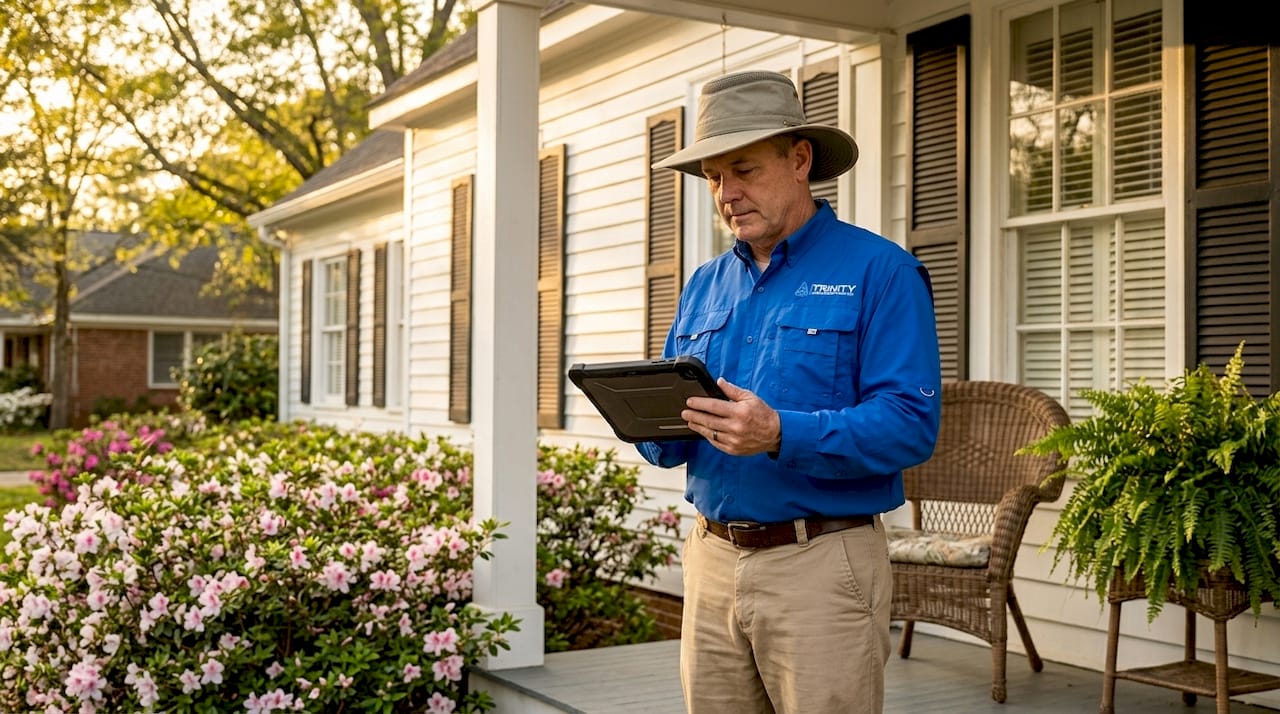
The home inspection process is a licensed inspector’s non-invasive evaluation of a home’s major visible systems and components, performed to identify existing or potential problems before a real estate transaction closes. For buyers and sellers across Mobile, Baldwin, and the Gulf Coast region of Alabama, understanding every step of this process is the difference between a confident closing and a costly surprise. Inspection independence ensures unbiased reports that protect buyers, not just the deal. This guide walks you through what to expect, what inspectors look for, and how to use the results to your advantage.
What happens during a home inspection: a step-by-step overview
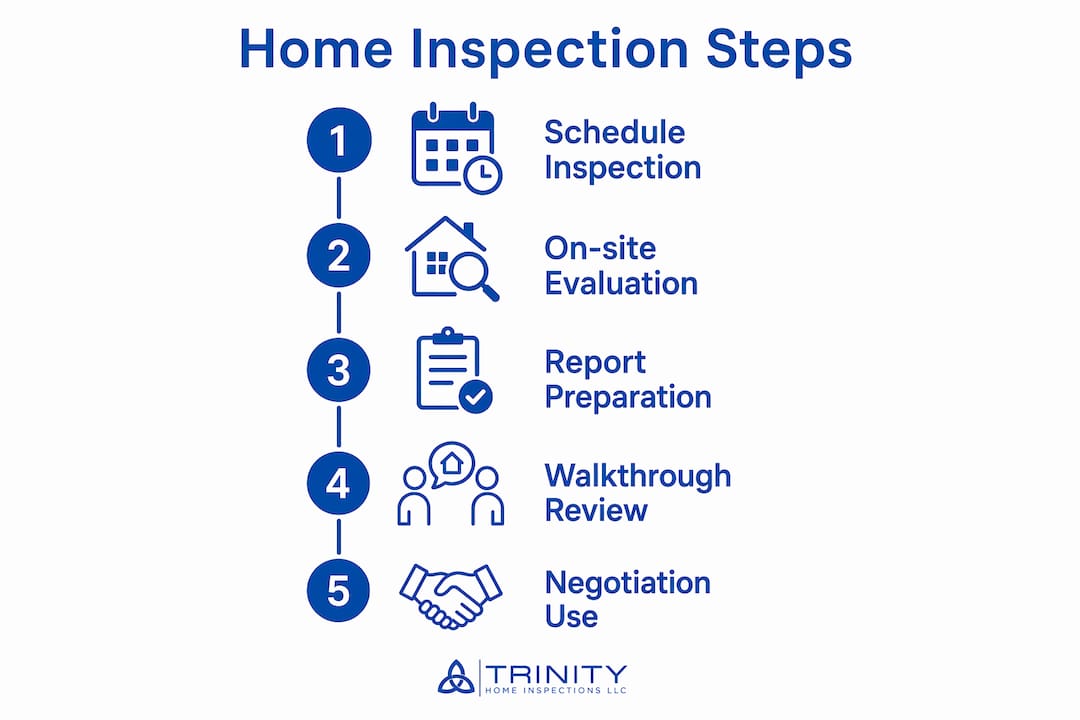
The home inspection process follows a predictable sequence, and knowing that sequence helps you stay ahead of every deadline and decision. Here is how it unfolds from offer acceptance to report delivery.
Schedule immediately after offer acceptance. The contingency period runs 7 to 14 days after the contract is signed. Missing that window can cost you your inspection rights and, in some cases, your earnest money deposit. Book your inspector within 24 to 48 hours of going under contract.
The inspector arrives and begins a systematic walkthrough. A certified inspector evaluates the roof, foundation, structural components, electrical panel, plumbing, HVAC system, insulation, ventilation, interior rooms, exterior surfaces, and installed appliances. The evaluation is visual and non-invasive, meaning the inspector does not open walls or move furniture.
The inspection runs 2 to 4 hours. A typical inspection takes 2 to 4 hours, depending on the size and age of the home. Older Gulf Coast homes or larger properties with detached structures, pools, or boat houses will run toward the longer end of that range.
You attend the walkthrough near the end. You do not need to shadow the inspector for the full duration. Plan to arrive toward the end so the inspector can work without distraction, then join for a focused walkthrough covering key findings, system locations, and any items that need follow-up.
The report is delivered the same day. At Trinity Home Inspections, 99% of reports are delivered the same day of the inspection. The industry standard is 24 to 48 hours, so same-day delivery gives you more time to review findings and respond within your contingency window.
Review the report and decide your next step. The report categorizes findings by severity. You then choose to request repairs, negotiate a price reduction, ask for a credit at closing, or in serious cases, walk away from the purchase.
Pro Tip: Ask your inspector to walk you through the report in person or by phone after delivery. A five-minute conversation can clarify which findings are urgent and which are routine maintenance items that every home of that age will have.
For a localized breakdown tailored to Gulf Coast properties, the step-by-step Gulf Coast guide covers regional considerations specific to Alabama buyers.
What do inspectors look for when inspecting a house?
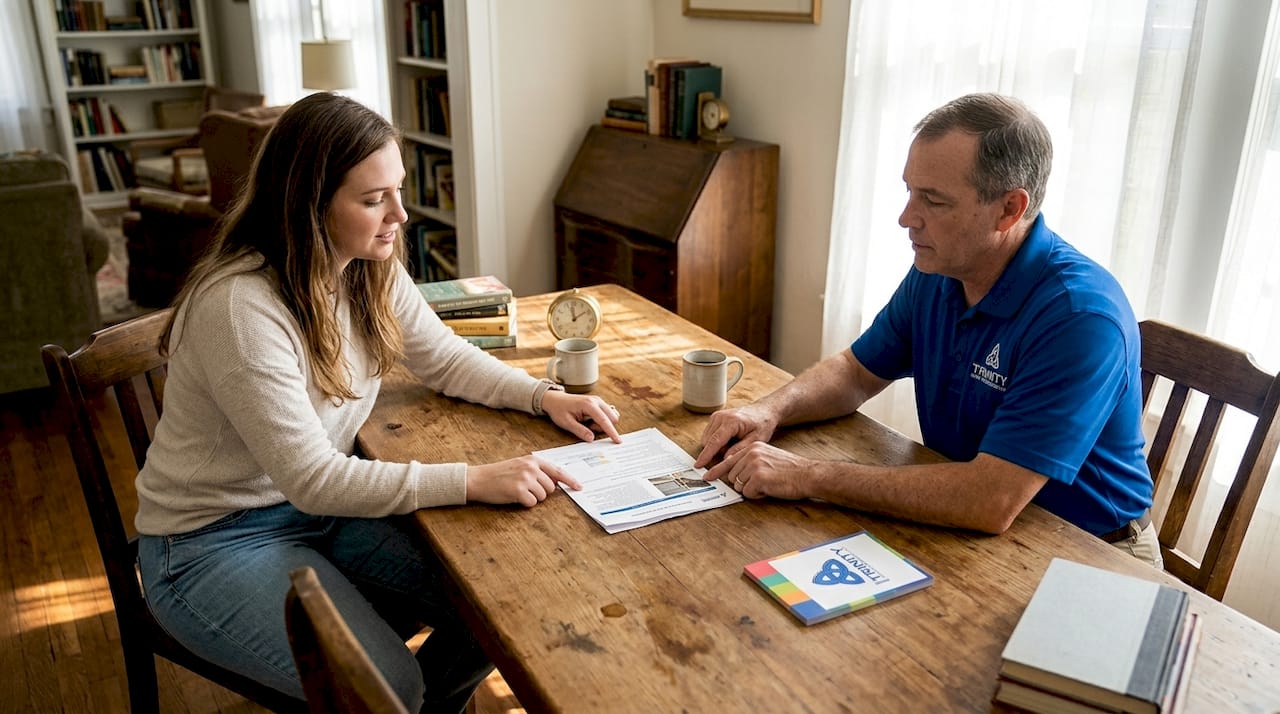
Inspectors evaluate every major system and component that affects the safety, function, and structural integrity of the home. Here is what falls within the scope of a standard inspection.
Systems and components covered:
Roof: Shingles, flashing, gutters, downspouts, and visible decking. In Alabama, wind and moisture damage are common findings, particularly on older asphalt shingle roofs along the Gulf Coast.
Foundation and structure: Visible cracks, settling, moisture intrusion, and framing integrity in the attic and crawl space.
Electrical: Panel condition, breaker labeling, wiring type, GFCI protection near water sources, and outlet function. Aluminum wiring and double-tapped breakers are findings that appear regularly in older Alabama homes.
Plumbing: Supply lines, drain lines, water heater condition, visible leaks, water pressure, and fixture function.
HVAC: Heating and cooling equipment age, filter condition, ductwork, and airflow. In the Gulf Coast climate, HVAC systems work hard and wear faster than in cooler regions.
Insulation and ventilation: Attic insulation levels, vapor barriers in crawl spaces, and ventilation adequacy.
Interior: Walls, ceilings, floors, doors, windows, and stairs. At Trinity Home Inspections, every accessible outlet, switch, window, and door is tested, not just a representative sample.
Exterior: Siding, grading, drainage, decks, porches, and attached garages.
Appliances: Built-in appliances that convey with the sale are tested for basic operation.
Inspectors prioritize big-ticket items like foundation issues, HVAC failures, and electrical hazards over cosmetic flaws. A scuff on a wall is not the same concern as a cracked heat exchanger or active roof leak. Understanding that distinction prevents unnecessary alarm over minor findings.
What the inspection does not cover:
Covered by standard inspection | Requires specialist or add-on |
Visible roof surface and gutters | Hidden roof decking under intact shingles |
Accessible electrical panel and wiring | Full load testing or code compliance audit |
Visible plumbing supply and drain lines | Sewer main line condition (requires scope) |
HVAC operation and visible components | Chimney interior (requires chimney specialist) |
Visible signs of moisture or mold | Mold identification and air quality testing |
Foundation walls and visible crawl space | Structural engineering assessment |
When the general inspection flags dampness, unusual odors, or electrical concerns, hiring a licensed specialist for a definitive evaluation is the right next step. Trinity Home Inspections offers mold testing, sewer scope inspections, and indoor air quality sampling as add-ons so you can address those flags without scheduling a separate company.
How to prepare for and get the most from your inspection
Preparation on both sides of the transaction makes the inspection more productive and the results more reliable.
For buyers:
Choose an independent, InterNACHI-certified inspector with verified local experience. Avoid inspectors referred exclusively by the seller’s agent, since inspector independence is what makes the report trustworthy.
Confirm the inspector carries adequate Errors and Omissions insurance and General Liability insurance. Alabama does not mandate robust coverage levels, so verify the amounts directly.
Read the full report, including the limitations section. Most buyers skip the limitations section, which identifies areas the inspector could not access and recommends specialist evaluations. That section is where hidden risks often live.
Bring a notepad or use your phone to record the inspector’s verbal comments during the walkthrough. The report captures findings, but the walkthrough adds context.
For sellers:
Clear access to the attic, crawl space, electrical panel, water heater, and HVAC equipment before the inspector arrives. Blocked access delays the inspection and can flag items as uninspected.
Replace burned-out bulbs and fix known minor issues like dripping faucets or loose door handles before the inspection. These small items appear in reports and can create a perception of deferred maintenance.
Consider a pre-listing inspection to identify problems before buyers do. The role of inspections when selling explains how sellers use pre-listing reports to price accurately and negotiate from a position of transparency.
Pro Tip: If you are buying a newly constructed home in Alabama, do not skip the inspection. New construction homes regularly have issues with grading, HVAC installation, and electrical work that builders correct when formally documented in an inspection report.
How to use inspection results in negotiations and decisions
86% of home inspections reveal at least one issue, and buyers who act on those findings save an average of $14,000 through negotiations. That figure reflects the real financial value of treating the inspection report as a negotiating tool, not just a checklist.
Here is how to move from report to resolution:
Separate safety and structural issues from cosmetic findings. Focus your repair requests on items that affect safety, structural integrity, or major system function. Asking a seller to repaint a fence or replace a dated light fixture weakens your negotiating position on the issues that actually matter.
Request repairs, a price reduction, or a closing credit. You have three options. Repair requests ask the seller to fix specific items before closing. A price reduction lowers the purchase price to reflect the cost of repairs you will handle. A closing credit gives you cash at the table to fund repairs after you take ownership. Each option has different tax and financing implications, so consult your real estate agent and lender before deciding.
Get contractor estimates before submitting requests. Vague repair requests are easy to dismiss. A written estimate from a qualified contractor, such as those available through handyman and repair services, gives your request a specific dollar amount that is harder to ignore.
Respond within your contingency period. The 7 to 14 day contingency window is firm. Submit your repair addendum or price reduction request before the deadline or you lose the right to negotiate based on inspection findings.
Know when to walk away. If the inspection reveals foundation failure, significant structural damage, or environmental hazards that the seller will not address, withdrawing from the contract within the contingency period is a protected right. A thorough inspection report gives you the documentation to do that without losing your deposit.
For a detailed breakdown of how to turn inspection findings into a formal repair request, the inspection repair guide for Alabama buyers covers the process step by step.
Inspection is a snapshot, not a verdict. A home inspection captures condition at a single point in time. It does not pass or fail a home. Every house, including new construction, will have findings. The goal is to understand what those findings mean for your budget, your safety, and your decision.
Key takeaways
A thorough home inspection process, conducted by an independent, certified inspector within the contract contingency period, is the most reliable way to protect your investment and negotiate with confidence.
Point | Details |
Schedule within 24 to 48 hours | The contingency period is 7 to 14 days, so book immediately after contract signing. |
Inspectors focus on major systems | Roof, foundation, electrical, plumbing, and HVAC take priority over cosmetic issues. |
Read the limitations section | This section identifies uninspected areas and flags where specialists are needed. |
Use findings to negotiate | Buyers save an average of $14,000 by acting on inspection results during negotiations. |
Inspection is a snapshot | Reports document visible condition at one point in time, not a pass or fail verdict. |
What I have learned after hundreds of Gulf Coast inspections
I have inspected homes from historic Mobile neighborhoods to brand-new builds in Foley and Gulf Shores, and the pattern I see most often is not a structural problem or a failing HVAC. It is a buyer or seller who did not fully understand what the inspection was telling them.
The most common mistake buyers make is treating every finding as a crisis. A report with 40 items sounds alarming until you realize that 30 of them are minor maintenance notes and only 3 require real attention. The report is organized to help you see that distinction, but you have to read it carefully, including the limitations section that most people skip entirely.
The most common mistake sellers make is the opposite. They assume a pre-listing inspection will scare buyers away, so they skip it. What actually happens is that buyers discover the same issues during their own inspection, and now the seller is negotiating from a reactive position instead of a prepared one. A pre-listing inspection gives you control of the narrative.
What I tell every client is this: the inspection is not the end of the process. It is the moment where you get real information about the home you are considering. That information is worth far more than the cost of the inspection, whether it confirms the home is in great shape or reveals something that changes your decision entirely.
Local knowledge matters in Alabama. Gulf Coast homes face humidity, wind exposure, and soil conditions that create specific patterns of wear. An inspector who knows those patterns will catch things that a generalist might miss. That is why I invest in ongoing education through InterNACHI and why I use tools like thermal imaging and moisture meters on every inspection, not just when something looks suspicious.
— Matt
Schedule your inspection with Trinity Home Inspections
[
Trinity Home Inspections serves buyers and sellers across Mobile, Baldwin, Escambia, Washington, Monroe, and Clarke counties with InterNACHI-certified inspections, same-day reports packed with photos and video, and free thermal imaging on every inspection. Whether you are buying your first home in Daphne, selling a property in Gulf Shores, or investing in a rental in Foley, you get a clear, honest picture of the home’s condition before you commit.
Add-on services include mold testing and air quality sampling, sewer scope inspections, pool and spa checks, and property permit and deed searches for Baldwin, Mobile, and Escambia counties. You do not need to coordinate multiple vendors. Trinity handles it all.
Call 251-210-7376 or visit TrinityInspectionsLLC.com to schedule your inspection today.
FAQ
What does a home inspection cover?
A standard home inspection covers the roof, foundation, structural components, electrical system, plumbing, HVAC, insulation, ventilation, interior rooms, exterior surfaces, and installed appliances. It does not include hidden areas, sewer lines, or mold identification unless those are added as specialty services.
How long does the home inspection process take?
Most home inspections take 2 to 4 hours on-site, depending on the size and condition of the property. Reports are typically delivered within 24 to 48 hours, though Trinity Home Inspections delivers 99% of reports the same day.
Should I attend my home inspection?
You do not need to be present for the entire inspection. Plan to arrive toward the end for the walkthrough, when the inspector can walk you through key findings, show you system locations, and answer your questions directly.
What are the most common findings in Alabama homes?
Common findings in Gulf Coast Alabama homes include roof wear from wind and moisture exposure, HVAC systems showing age-related wear from heavy seasonal use, crawl space moisture issues, and electrical panels with outdated wiring or double-tapped breakers in older properties.
Can I negotiate after a home inspection?
Yes. Buyers can request that the seller make repairs, reduce the purchase price, or provide a closing credit based on inspection findings. Responses must be submitted within the inspection contingency period, which is typically 7 to 14 days after the contract is signed.
Recommended

