
Thermal Imaging: Spotting Hidden Home Issues Fast

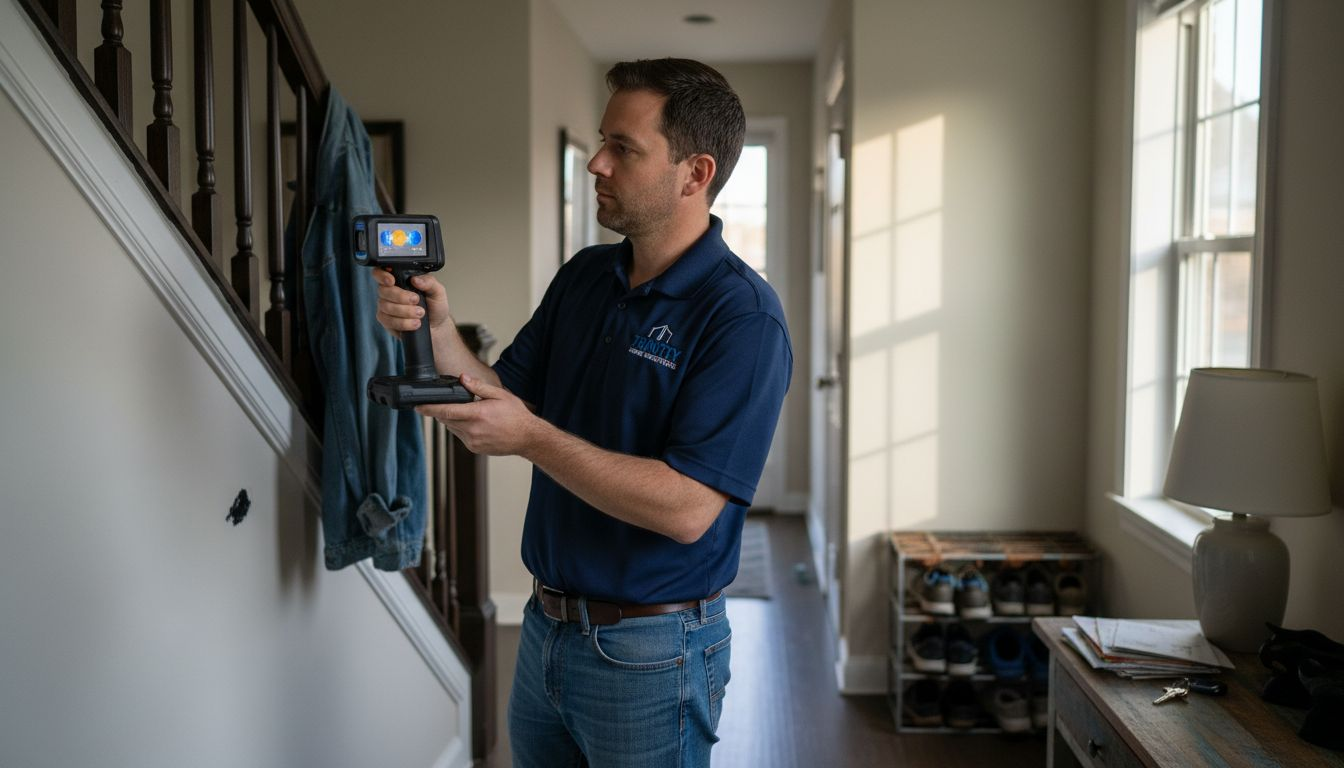
Most American homeowners are surprised to learn that a single undetected leak or insulation gap can cost thousands in repairs and wasted energy each year. In Mobile and Baldwin County, Alabama, understanding how thermal imaging works during a home inspection matters whether you are buying or selling. By revealing hidden problems that escape even the sharpest eyes, this advanced technology helps buyers and sellers make confident decisions and avoid unpleasant surprises down the road.
Table of Contents
Key Takeaways
Point | Details |
Thermal Imaging’s Importance | Thermal imaging reveals hidden issues such as moisture intrusion and insulation gaps that traditional inspections may overlook. |
Comprehensive Home Inspection | Integrating thermal imaging into home inspections provides a thorough analysis, aiding in early detection of potential problems. |
Cost-saving Advantage | Requesting thermal imaging during inspections can help identify issues before they lead to costly repairs, thus protecting your investment. |
Enhanced Negotiation Power | The findings from thermal imaging can serve as leverage in negotiations, potentially resulting in price adjustments or required repairs. |
What Thermal Imaging Reveals in Homes
Thermal imaging allows home inspectors to uncover hidden issues that remain invisible to the naked eye. By detecting subtle temperature variations across surfaces, this advanced technology provides homeowners with a powerful diagnostic tool for identifying potential problems before they become expensive repairs.
Utilizing specialized infrared cameras, thermal imaging can reveal critical home defects such as missing insulation, moisture intrusion, air leaks, and electrical anomalies. Thermal imaging techniques enable inspectors to map temperature differences that indicate underlying structural or energy efficiency challenges. For instance, areas with inadequate insulation will appear as distinct thermal patterns, showing cooler or warmer zones compared to surrounding surfaces.
The most common issues thermal imaging exposes include:
Moisture intrusion behind walls
Electrical hotspots in panels and wiring
Missing or compressed insulation
Air leaks around windows and doors
Potential roof and foundation water damage
Heat loss zones in exterior walls
At Trinity Home Inspections, we include thermal imaging at no extra charge because we believe a comprehensive home inspection isn’t complete without this advanced diagnostic tool. Our team uses state-of-the-art infrared cameras to provide you with the most thorough assessment possible, helping you make informed decisions about your property.
Pro tip: Request a thermal imaging scan during your home inspection to catch hidden problems early and potentially save thousands in future repair costs.
How Thermal Cameras Detect Temperature Differences
Thermal cameras are sophisticated technological tools that translate invisible heat signatures into visual information, revealing temperature variations imperceptible to the human eye. These specialized devices operate on a fundamental principle of physics: every object with a temperature above absolute zero emits infrared radiation. Thermal imaging technologies capture and convert these invisible heat waves into detailed color-coded images that highlight temperature differences across surfaces.
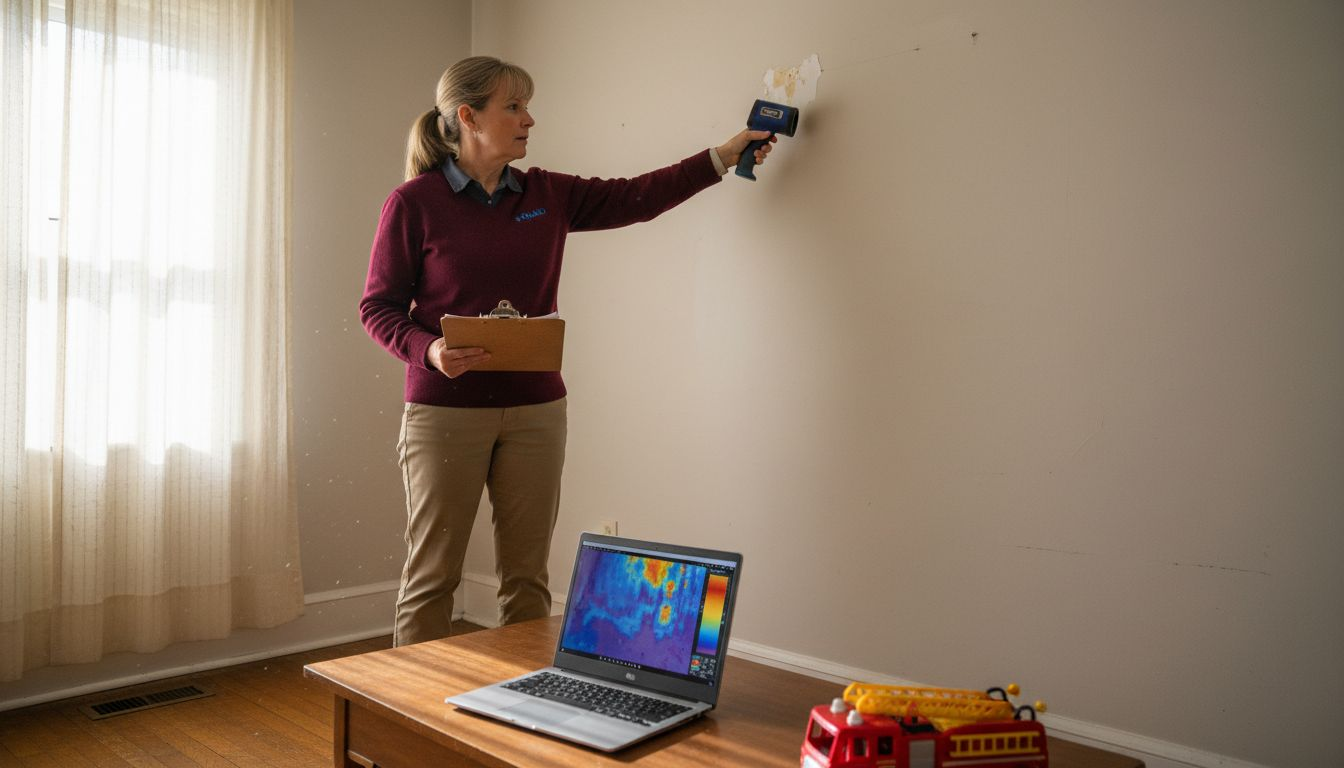
The core mechanism involves specialized sensors that detect infrared radiation emitted by objects. Unlike traditional cameras that capture visible light, thermal cameras record long-wave infrared radiation, which correlates directly with surface temperature. Each pixel in a thermal image represents a specific temperature measurement, creating a comprehensive map of thermal energy distribution. Warmer areas typically appear in brighter or more intense colors (reds, oranges), while cooler regions display in darker or more muted tones (blues, greens).
In home inspections, these thermal cameras become powerful diagnostic tools. They can quickly identify:
Temperature variations in wall cavities
Potential moisture intrusion zones
Insulation gaps and missing insulation
Heat loss around windows and doors
Electrical system hot spots
Potential structural defects
Our thermal imaging process at Trinity Home Inspections goes beyond simple temperature mapping. We use advanced infrared cameras to provide a comprehensive analysis that helps homeowners understand their property’s hidden thermal characteristics, potentially preventing costly future repairs.
Pro tip: Always request a full-color thermal imaging report during your home inspection to get the most detailed understanding of your home’s thermal performance.
Types of Problems Found With Infrared Scans
Infrared thermal scanning is a powerful diagnostic tool that reveals hidden home issues that would otherwise remain invisible to the naked eye. Infrared thermography techniques enable home inspectors to detect a wide range of potential problems by identifying subtle temperature variations across different surfaces and systems within a property.
The most critical problems uncovered by thermal imaging include structural and performance-related issues that can significantly impact a home’s safety, energy efficiency, and long-term maintenance. Electrical systems are particularly vulnerable, with thermal scans capable of identifying dangerous hot spots that could indicate potential fire risks or failing components. These hot spots appear as distinct heat signatures, revealing overloaded circuits, loose connections, or deteriorating electrical infrastructure before they become catastrophic failures.
Key problems detected through infrared scans include:
Moisture intrusion behind walls and ceilings
Insulation gaps and missing thermal barriers
Air leakage around windows, doors, and building envelope
Potential roof and foundation water damage
Electrical system hot spots and potential fire hazards
HVAC system inefficiencies
Radiant heating system malfunctions
Structural defects and internal building material degradation
Pest infestations (detected through unusual heat patterns)
At Trinity Home Inspections, we consider thermal imaging an essential component of a comprehensive home inspection. Our advanced infrared scanning goes beyond surface-level analysis, providing homeowners with a deep understanding of their property’s hidden thermal characteristics and potential maintenance needs.
Pro tip: Schedule thermal imaging during seasons with temperature variations to get the most comprehensive view of your home’s thermal performance and potential hidden issues.
Thermal Imaging vs. Standard Home Inspection
Traditional home inspections provide a crucial first look at a property’s condition, but they have inherent limitations in detecting hidden issues. Thermal imaging techniques bridge this gap by revealing problems that remain invisible during standard visual assessments. Where a conventional inspector might only see a wall, thermal imaging can expose underlying moisture, insulation gaps, and potential structural vulnerabilities.
The key differences between thermal imaging and standard home inspections are profound. Traditional inspections rely primarily on visual observation, physical probing, and basic tools like moisture meters. In contrast, thermal cameras use advanced infrared technology to detect temperature variations that indicate potential problems. This means thermal imaging can identify issues like electrical hot spots, heat loss, moisture intrusion, and insulation deficiencies without invasive testing or destructive techniques.
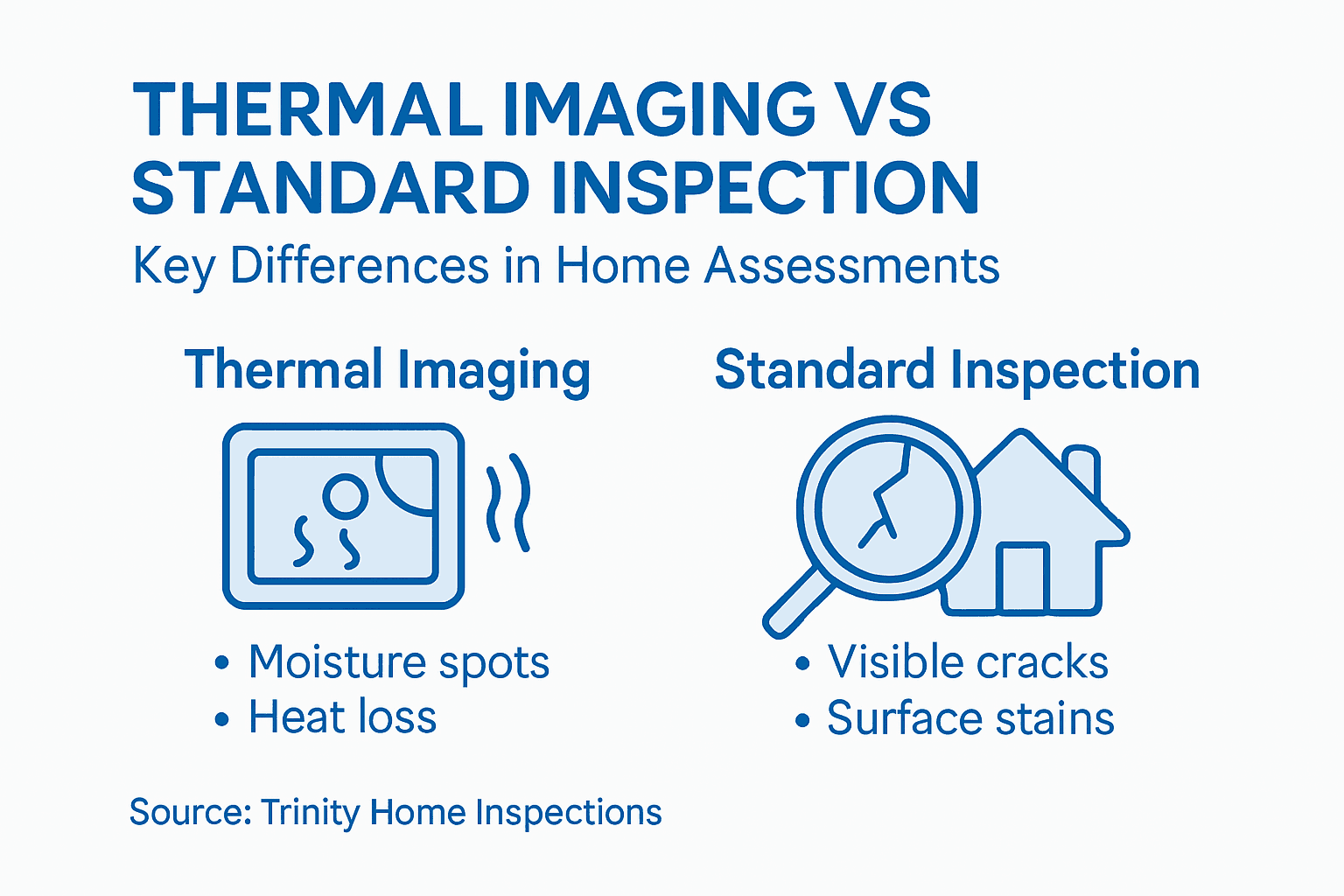
Here is a comparison of key differences between thermal imaging and standard home inspections:
Inspection Method | Technology Used | Scope of Detection | Invasiveness |
Standard Home Inspection | Visual tools, probes | Surface and visible issues | May require minor probing |
Thermal Imaging | Infrared cameras | Surface and hidden problems | Completely non-invasive |
Specific advantages of thermal imaging over standard inspections include:
Detecting hidden moisture behind walls
Identifying electrical system risks before they become dangerous
Revealing insulation gaps and energy inefficiencies
Locating potential roof and foundation water damage
Discovering pest infestations through unusual heat patterns
Visualizing HVAC system performance
Assessing structural integrity without invasive methods
At Trinity Home Inspections, we don’t see thermal imaging as an optional add-on but as an essential component of a comprehensive home inspection. We include this advanced diagnostic tool at no extra charge because we believe homeowners deserve the most thorough assessment possible. Our Complete Guide to Hiring Certified Home Inspectors provides additional insights into our commitment to delivering exceptional home inspection services.
Pro tip: Request a comprehensive thermal imaging scan alongside your standard home inspection to uncover potential hidden issues that could save you thousands in future repairs.
Why Free Thermal Imaging Matters for Buyers
For homebuyers, understanding the true condition of a property is crucial, and thermal imaging provides an unprecedented level of insight that traditional inspections cannot match. Thermal imaging surveys offer a transparent, non-invasive method to uncover hidden issues that could potentially cost thousands in future repairs.
The financial implications of free thermal imaging are significant. Many home inspection companies charge extra for this advanced diagnostic service, but at Trinity Home Inspections, we believe it’s an essential part of a comprehensive inspection. By including thermal imaging at no additional cost, we empower buyers to make informed decisions about their potential home investment. These scans can reveal critical issues like moisture intrusion, insulation gaps, electrical hot spots, and structural vulnerabilities that might otherwise go undetected until they become expensive problems.
Key advantages of free thermal imaging for homebuyers include:
This summary highlights how free thermal imaging benefits homebuyers beyond cost savings:
Advantage | Description |
Increased Transparency | Reveals problems before purchase |
Negotiation Support | Provides evidence for price adjustments |
Long-term Cost Reduction | Prevents unexpected repair expenses |
Energy Efficiency Insights | Identifies areas for improved savings |
Identifying potential moisture damage before purchasing
Detecting insulation inefficiencies that impact energy costs
Revealing electrical system risks
Uncovering hidden structural issues
Providing negotiation leverage with concrete evidence
Preventing unexpected repair expenses
Understanding the home’s true energy performance
Our Complete Guide to Inspections in Real Estate Sales provides additional context about how thorough inspections can protect your investment. We’re committed to transparency and believe every homebuyer deserves a comprehensive understanding of their potential property.
Pro tip: Request a detailed thermal imaging report during your home inspection and use its findings to negotiate repairs or adjust your offer price.
Discover Hidden Home Issues Before They Cost You
Thermal imaging is a game changer for spotting hidden problems like moisture intrusion, insulation gaps, and electrical hot spots that traditional inspections can miss. If you’re a homebuyer, seller, or homeowner in Alabama’s Gulf Coast, you need thorough insights that protect your investment and keep your family safe. At Trinity Home Inspections, we combine InterNACHI-certified expertise with free advanced thermal imaging technology to give you the clearest picture of your home’s true condition. Our thorough reports come with same-day delivery and include actionable details that prioritize safety and savings.

Don’t wait for hidden issues to become costly repairs. Schedule your professional home inspection today and get expert analysis you can trust. Visit Trinity Home Inspections to learn more, explore our Complete Guide to Hiring Certified Home Inspectors, and check out our Inspection Services designed to give you peace of mind from roof to foundation.
Frequently Asked Questions
What issues can thermal imaging detect in homes?
Thermal imaging can reveal hidden issues such as moisture intrusion, missing insulation, air leaks, electrical hotspots, and potential roof or foundation damage.
How does thermal imaging work during a home inspection?
Thermal imaging works by using infrared cameras to detect temperature variations across surfaces, translating these into visual images that highlight problem areas within a home.
Why is thermal imaging beneficial for homebuyers?
Thermal imaging provides buyers with critical insights into a property’s condition before purchase, revealing issues that could lead to expensive repairs and supporting negotiation with concrete evidence.
Is thermal imaging included in standard home inspections?
While many home inspection companies charge extra for thermal imaging, Trinity Home Inspections includes it at no additional cost, viewing it as an essential part of a comprehensive inspection.
Recommended


