
7 Types of Inspectors Every Homebuyer Should Know

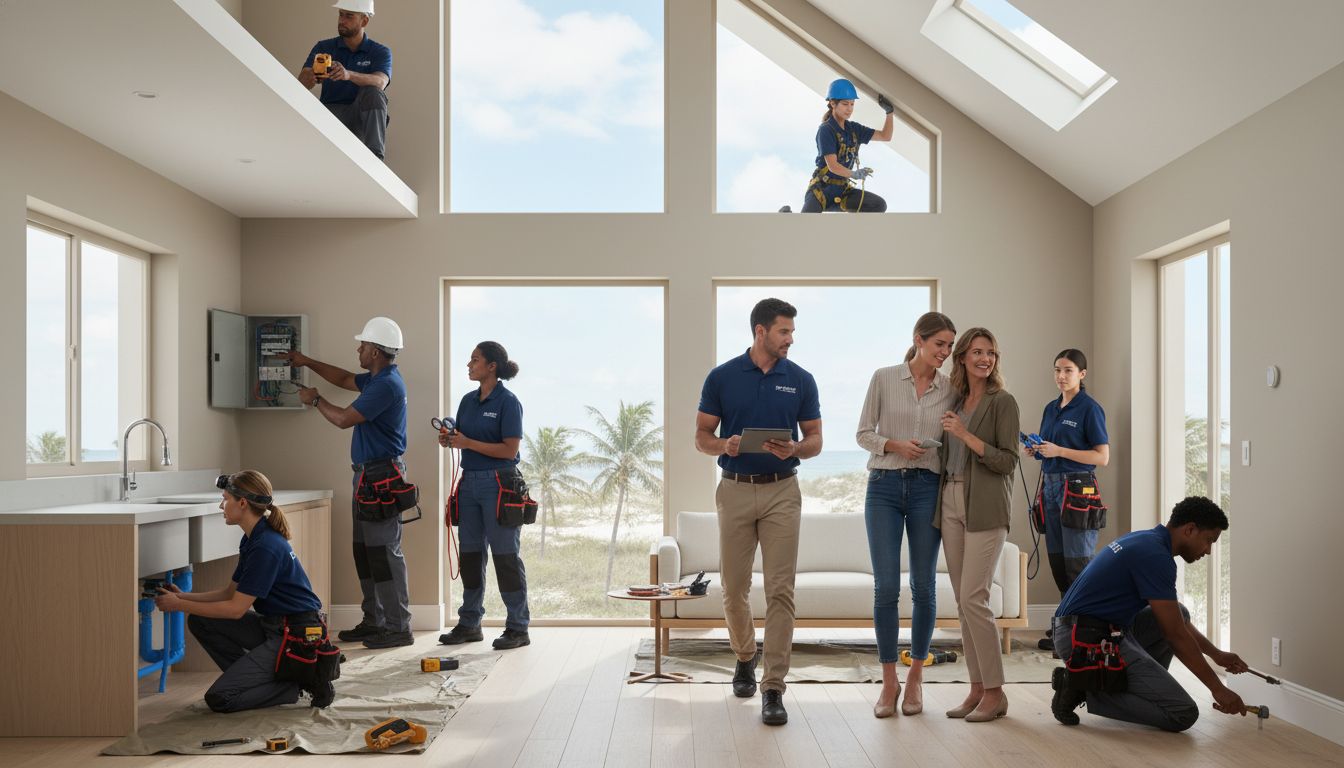
Choosing the right inspectors can make or break your home purchase. Over 80 percent of serious property issues are discovered only during specialized inspections, not routine showings. With so much at stake, understanding which inspection experts to hire protects both your finances and your peace of mind. Discover which inspectors you need and what each one actually does to reveal hidden risks before you commit to your next home.
Table of Contents
Quick Summary
Takeaway | Explanation |
1. Hire certified home inspectors. | Look for professionals certified by organizations like ASHI to ensure quality evaluations of properties. |
2. Conduct thorough inspections before purchase. | Comprehensive inspections reveal hidden issues, potentially saving thousands in future repairs and preventing unwise investments. |
3. Factor in specialized inspections. | Specific inspections (like plumbing and electrical) identify critical risks and ensure long-term safety and functionality of your home. |
4. Understand the implications of findings. | Inspection results inform future repair costs, safety hazards, and negotiation leverage with potential sellers for informed decisions. |
5. Use advanced diagnostic tools. | Inspectors utilize technology like thermal cameras and moisture meters for accurate detection of hidden problems needing immediate attention. |
1. Home Inspector: The General Property Expert
A home inspector is your ultimate guide through the complex landscape of property evaluation, serving as a critical detective who uncovers potential issues before you commit to purchasing a home. These professionals are the first line of defense in understanding a property’s true condition, offering comprehensive insights that can save you thousands of dollars and significant future headaches.
According to the American Society of Home Inspectors (ASHI), home inspectors are trained to evaluate a comprehensive range of residential property systems and components. Their expertise covers critical areas such as:
Structural components including foundations and framing
Exterior and interior building elements
Roofing systems and site conditions
Electrical and plumbing infrastructure
Heating and cooling systems
Insulation and ventilation performance
Think of a home inspector as your property health expert. They systematically examine every accessible area of a home, generating a detailed report that reveals both minor maintenance needs and potential major structural concerns. Discover what a thorough home inspection consists of to understand the depth of their evaluation.
Their professional assessment helps you make informed decisions by providing an objective overview of the property’s condition. This means identifying potential safety hazards, estimating repair costs, and giving you a clear picture of what you’re truly investing in. A skilled home inspector doesn’t just point out problems they also help you understand the severity and potential implications of each finding.
When selecting a home inspector, look for professionals certified by recognized organizations like ASHI, who demonstrate rigorous training and commitment to industry standards. Their comprehensive evaluation can be the difference between a sound investment and a potential money pit.
2. Termite Inspector: Protecting Against Pest Damage
Termite inspectors are the unsung heroes of property preservation, specializing in detecting and preventing one of the most destructive forces that can silently undermine your home’s structural integrity. These professionals are trained to identify early signs of termite activity that could potentially cost you thousands in repairs if left undetected.
According to the U.S. Environmental Protection Agency (EPA), professional termite inspections are critical for homeowners to understand and mitigate potential pest risks. Termite inspectors focus on several key areas during their comprehensive assessment:
Identifying visible and hidden termite evidence
Evaluating potential entry points and structural vulnerabilities
Assessing moisture conditions that attract termite colonies
Recommending targeted prevention and treatment strategies
Termite damage can occur rapidly and often goes unnoticed until significant structural compromise has happened. Learn more about comprehensive home inspection strategies that can help you protect your investment.
A professional termite inspector uses specialized tools like moisture meters, thermal imaging cameras, and acoustic detection equipment to uncover potential infestations. They examine wooden structures inside and outside the home, checking for telltale signs such as mud tubes, damaged wood, discarded wings, and small holes in wood or drywall.
For homebuyers, a termite inspection is not just recommended its essential. The potential cost of termite damage can far exceed the modest expense of a professional inspection. By identifying issues early, you can negotiate repairs with the seller or make an informed decision about your property purchase.
3. Roof Inspector: Ensuring Top Condition Overhead
A roof inspector is your critical defense against potential water damage, structural deterioration, and expensive home repairs. These specialized professionals examine every aspect of your home’s most important protective barrier, providing a comprehensive assessment that goes far beyond a casual visual inspection.
Roof inspectors focus on several critical evaluation areas including:
Structural integrity of roofing materials
Potential water damage and leakage points
Shingle condition and potential wear
Flashing and seal quality
Underlying roof deck condition
Ventilation and insulation performance
Think of a roof inspector as a specialized detective who can uncover hidden issues that might compromise your home’s safety and value. Learn more about comprehensive home inspection strategies to understand the full scope of professional property evaluations.
A professional roof inspection involves more than just looking at surface conditions. Inspectors use specialized equipment like thermal imaging cameras to detect moisture intrusion, drones for hard to reach areas, and advanced moisture meters to identify potential structural weaknesses. They assess not just current damage but also potential future risk factors that could lead to significant repair expenses.
For homebuyers, a thorough roof inspection can save thousands in unexpected repair costs. By identifying issues early like small leaks, improper installations, or aging materials, you can negotiate repairs or adjust your purchasing decision. Remember that roof repairs can quickly escalate from minor maintenance to major reconstruction if left unaddressed.
4. Plumbing Inspector: Checking Water and Drainage Systems
A plumbing inspector serves as your home’s internal health detective, meticulously examining the complex network of pipes, fixtures, and systems that deliver water and remove waste from your property. Their comprehensive assessment goes far beyond a simple visual inspection, uncovering potential issues that could lead to significant and costly repairs down the line.
Plumbing inspectors focus on several critical evaluation areas including:
Water supply line integrity
Drainage and waste system performance
Pipe material and condition
Potential leak points and water pressure
Fixture functionality and connection quality
Potential code violations or safety concerns
Learn more about comprehensive sewer inspection strategies to understand the full scope of professional plumbing evaluations.
Professional plumbing inspectors use advanced diagnostic tools like specialized cameras, moisture meters, and pressure testing equipment to detect hidden problems. They can identify issues such as hairline cracks in pipes, slow leaks behind walls, potential mold growth areas, and improper installation techniques that might not be visible to the untrained eye.
For homebuyers, a thorough plumbing inspection can prevent unexpected financial disasters. Identifying potential issues before purchase allows you to negotiate repairs, understand future maintenance requirements, or potentially walk away from a property with significant hidden plumbing problems. Remember that what seems like a minor plumbing issue can quickly escalate into a major expensive repair if left unaddressed.
5. Electrical Inspector: Verifying Safe Power Connections
An electrical inspector is a critical guardian of home safety, meticulously examining the complex electrical systems that power your property and protect you from potential hazards. These professionals serve as your first line of defense against electrical risks that could lead to fires, shock dangers, or catastrophic system failures.
According to the National Fire Protection Association (NFPA), electrical inspectors verify compliance with the National Electrical Code (NEC), ensuring that power connections meet rigorous safety standards. Electrical inspectors focus on several critical evaluation areas including:
Electrical panel condition and configuration
Wiring integrity and installation quality
Grounding and circuit protection mechanisms
Outlet and switch functionality
Potential fire and shock hazards
Compliance with current safety regulations
Learn about dangerous electrical panel types to watch for and understand potential hidden risks in home electrical systems.
Professional electrical inspectors use specialized tools like thermal imaging cameras, circuit testers, and voltage meters to detect hidden problems. They can identify issues such as outdated wiring, improper grounding, overloaded circuits, and potential fire risks that might be invisible to an untrained eye.
For homebuyers, a thorough electrical inspection can prevent potentially catastrophic and expensive problems. Identifying electrical system issues before purchase allows you to negotiate repairs, understand future maintenance requirements, and ensure the safety of your new home. Remember that electrical problems are not just about functionality they represent a critical safety concern for you and your family.
6. HVAC Inspector: Evaluating Heating and Cooling Systems
An HVAC inspector is the ultimate comfort and efficiency detective for your home, meticulously examining the complex heating, ventilation, and air conditioning systems that determine your indoor climate and energy expenses. These professionals go beyond simple temperature readings, providing a comprehensive assessment of your home’s environmental control infrastructure.
According to the American Society of Heating, Refrigerating and Air-Conditioning Engineers (ASHRAE), HVAC inspectors evaluate systems based on rigorous performance and safety standards. HVAC inspectors focus on several critical evaluation areas including:
System age and overall condition
Efficiency and performance ratings
Ductwork integrity and air distribution
Potential energy loss points
Refrigerant levels and system charge
Electrical connections and control mechanisms
Explore practical HVAC maintenance strategies to understand how to keep your systems running smoothly.
Professional HVAC inspectors use advanced diagnostic tools like infrared cameras, airflow meters, and electrical testing equipment to uncover hidden issues. They can identify potential problems such as inefficient ductwork, refrigerant leaks, electrical connection issues, and areas of significant energy loss that might go unnoticed by untrained eyes.
For homebuyers, a thorough HVAC inspection can translate into substantial long term savings. Understanding the condition of your heating and cooling systems allows you to anticipate maintenance costs, negotiate repairs, and potentially avoid expensive system replacements. Remember that a well maintained HVAC system not only provides comfort but can significantly reduce your monthly energy expenses.
7. Structural Inspector: Assessing Building Stability
A structural inspector is the guardian of your home’s foundational integrity, performing a critical forensic analysis that determines the true health and potential longevity of a property. These specialized professionals go beyond surface level observations, diving deep into the fundamental framework that keeps a building standing strong and secure.
Structural inspectors concentrate on evaluating several critical components including:
Foundation condition and potential weaknesses
Framing and load bearing wall integrity
Potential structural movement or settlement
Soil conditions surrounding the property
Signs of water damage or moisture intrusion
Potential compromise of critical support structures
Learn more about comprehensive home inspection standards to understand the depth of professional structural assessments.
Professional structural inspectors use advanced diagnostic equipment like laser measurement tools, thermal imaging cameras, and moisture meters to uncover hidden issues. They can identify subtle signs of structural stress such as hairline foundation cracks, uneven floor levels, roof sagging, or potential soil movement that could compromise your home’s stability.
For homebuyers, a thorough structural inspection represents an investment in peace of mind. Understanding the true structural condition of a property allows you to anticipate potential repair costs, negotiate with sellers, and make an informed decision about your real estate purchase. Remember that structural issues can be incredibly expensive to remedy and often worsen over time if left unaddressed.
Below is a comprehensive table summarizing the roles, focus areas, and benefits of various property inspectors discussed throughout the article.
Inspector Type | Focus Areas | Benefits/Outcomes |
Home Inspector | Structural components, building elements, roofing, electrical and plumbing systems, HVAC | Uncovers property condition, informs buying decisions, identifies safety hazards |
Termite Inspector | Termite evidence, structural vulnerabilities, moisture conditions | Prevents pest damage, identifies infestations early, saves repair costs |
Roof Inspector | Roofing materials, water damage, shingle condition, ventilation | Detects water damage, assesses structural integrity, prevents costly repairs |
Plumbing Inspector | Water lines, drainage systems, leak points, fixture functionality | Prevents costly leaks, identifies code violations, ensures system integrity |
Electrical Inspector | Panel condition, wiring, grounding, potential hazards | Mitigates fire risks, ensures compliance, identifies safety concerns |
HVAC Inspector | System condition, efficiency, ductwork, energy loss | Ensures efficiency, reduces energy costs, anticipates maintenance needs |
Structural Inspector | Foundation condition, load-bearing walls, soil conditions | Ensures stability, prevents costly structural issues, informs repair negotiations |
Protect Your Home Investment with Trusted Inspection Experts
Buying a home can be overwhelming with so many factors to consider. This article highlights the essential roles of different inspectors, revealing critical issues like termite damage, electrical hazards, or structural weaknesses that could lead to costly repairs. At Trinity Home Inspections, we understand these challenges and the importance of comprehensive evaluations that cover all major systems such as roofing, plumbing, HVAC, and more.
You deserve peace of mind when making the biggest investment of your life. Our fully insured and accredited team, led by Matt Cameron, brings careful attention to detail and integrity to every inspection. We help you uncover hidden problems early so you can make confident decisions without surprises. Learn what a thorough home inspection consists of and see how our specialized services align with each type of inspector described.
Ready to protect your future?
Schedule your personalized inspection today at Trinity Home Inspections where professionalism meets genuine care. Don’t wait until minor issues become major expenses. Visit our website now and take the first step toward a safer, smarter home purchase.
Frequently Asked Questions
What types of inspectors should I hire when buying a home?
Hiring a home inspector, termite inspector, roof inspector, plumbing inspector, electrical inspector, HVAC inspector, and structural inspector is essential for a comprehensive evaluation. Each specialist focuses on critical areas of the property to identify potential issues, ensuring you make an informed purchase decision.
How can a home inspector help me save money before purchasing?
A home inspector identifies potential safety hazards and maintenance needs, allowing you to address issues before closing the deal. By negotiating repairs based on their findings, you can save thousands of dollars in unexpected costs down the line.
What should I expect during a termite inspection?
During a termite inspection, the inspector checks for visible signs of termites and evaluates entry points and moisture conditions that attract pests. Be prepared to receive recommendations for treatment and preventive measures that can save you from costly damage.
How can I determine if my roof needs repairs before buying a house?
A roof inspector evaluates the condition of roofing materials, potential leaks, and overall structural integrity. When buying a home, ensure the inspector provides a detailed report so you can negotiate necessary repairs or adjust your offer accordingly.
Why is an HVAC inspection important before finalizing a home purchase?
An HVAC inspector assesses the efficiency, age, and condition of heating and cooling systems to identify potential issues. This can help you avoid costly repairs or replacements shortly after moving in; consider getting this inspection done before your purchase to not get surprised by high energy bills.
What factors should I look for in a plumbing inspection report?
A plumbing inspection report should detail the integrity of water supply lines, drainage system performance, and functionality of fixtures. Reviewing this report can help you identify immediate concerns and future maintenance needs, enabling you to make a sound investment.
Recommended

