
Sewer Inspection Video That Wins Negotiations for Homebuyers

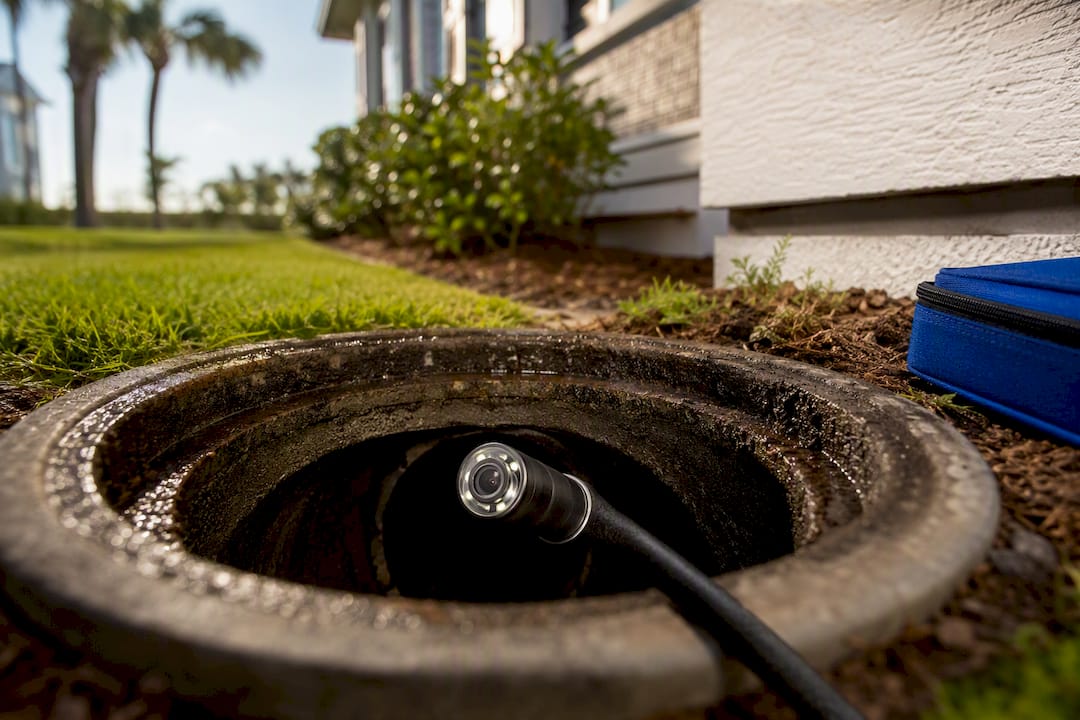
A sewer inspection, often called a sewer scope, is a video camera inspection of the private sewer line running from a house to the municipal connection or septic tank. It exists for one reason that matters to you as a buyer: it exposes cracks, root intrusion, and collapsed pipe sections hiding underground, long before they become a five-figure repair bill you’re stuck paying after closing.
TL;DR:
Sewer inspections are crucial for detecting underground pipe issues like cracks, root intrusion, and collapses before costly repairs occur after closing.
The typical process involves locating an access point, running a camera with water flow, and recording a full video with a professional report within the same day.
Most common findings include root intrusion, cracks, sagging sections called bellies, offset joints, and collapsed pipes, classified by urgency for immediate or future action.
It is highly recommended to perform a sewer scope during your due diligence period if the home is over 20 years old, has mature trees nearby, or has experienced slow drains or backups.
The cost usually depends on pipe length and access difficulty, generally included as an add-on to a standard home inspection, with follow-up expenses possible if defects are found.
What Is A Sewer Inspection, Exactly?
A sewer inspection covers the lateral, sometimes called the building sewer, which is the pipe connecting a home’s plumbing to the city main or a septic system. That’s a different animal from the interior drain lines a general home inspector checks and different from the municipal main itself, which belongs to the city and isn’t your responsibility. Standard home inspections typically don’t include this scope at all, which surprises a lot of buyers who assume it’s covered.
You’ll hear a few interchangeable terms for the same service:
Sewer scope – the most common shorthand in real estate
Sewer camera inspection – the technical description
Push camera or borescope inspection – names for the tool itself
The deliverable is a recorded video of the entire pipe run, paired with a written condition summary flagging anything the inspector found. For a deeper look at how this differs from what’s covered in a standard inspection, Trinity Home Inspections breaks it down here.
How A Sewer Inspection Actually Works On-Site
Here’s the general flow when a technician arrives to run a sewer scope:
Locate an access point. An exterior cleanout is ideal; if none exists, an inspector may need to pull an interior toilet to access the line.
Run pre-operational checks. The NA-AHI SewerSOP calls for inspectors to check for obstructions and avoid forcing the camera, which protects both the pipe and the equipment.
Deploy the push camera. The camera feeds through the line on a flexible rod while the technician watches a live monitor.
Run water during the push. Flowing water during the camera pass helps reveal bellies (sagging sections) that might otherwise sit hidden under still water.
Use a sonde if needed. This transmitter lets the technician pinpoint a defect’s depth and location from above ground, which matters enormously for repair planning.
Record and deliver. The full video and written summary typically get handed over the same day.
Pro Tip: Ask to watch the monitor in real time during your inspection. Seeing a root ball or a crack on screen, with the inspector explaining what you’re looking at, tells you far more than reading about it in a report later.
What Inspectors Actually Find Down There
Most sewer scope findings fall into a handful of predictable categories, and knowing what each one means helps you react appropriately instead of panicking.
Root intrusion – tree roots working through joints or cracks, often the single most common issue in older neighborhoods with mature landscaping
Grease and debris clogs – buildup that restricts flow but usually doesn’t threaten the pipe’s structure
Cracks and fractures – can range from cosmetic to a genuine failure point depending on severity
Offset joints – sections that have shifted out of alignment, often from ground settling
Bellies – low spots where the pipe has sagged, allowing waste to pool instead of draining
Collapsed sections – total structural failure, usually requiring excavation or trenchless repair
Consumer guidance from sources like Redfin consistently lists these same defects because they show up in the vast majority of aging sewer systems, not just unlucky ones. Inspectors following the NA-AHI SewerSOP classify each finding by urgency: immediate (structural failure, active backups), short-term (moderate root intrusion, partial blockages), or monitoring (minor cosmetic cracks with no functional impact). That classification is what turns a scary-looking video into an actionable decision.
When You Should Get A Sewer Inspection
The right time is during your due diligence period, before you close, while you still have leverage to negotiate. A few situations make ordering one closer to mandatory than optional:
The home is 20 years or older, when clay or Orangeburg pipe is more likely to be present
The property has mature trees near the sewer line’s path
There’s any history of slow drains or backups, even ones the seller calls minor
The home has sat vacant for an extended period, since unused traps and joints can dry out and shift
If the scope turns up a real defect, you have options: ask the seller for repairs before closing, negotiate a credit, or adjust your offer price. A clean scope, meanwhile, gives you real peace of mind and something concrete to point to if disputes come up later.
What A Sewer Inspection Costs And How Long It Takes
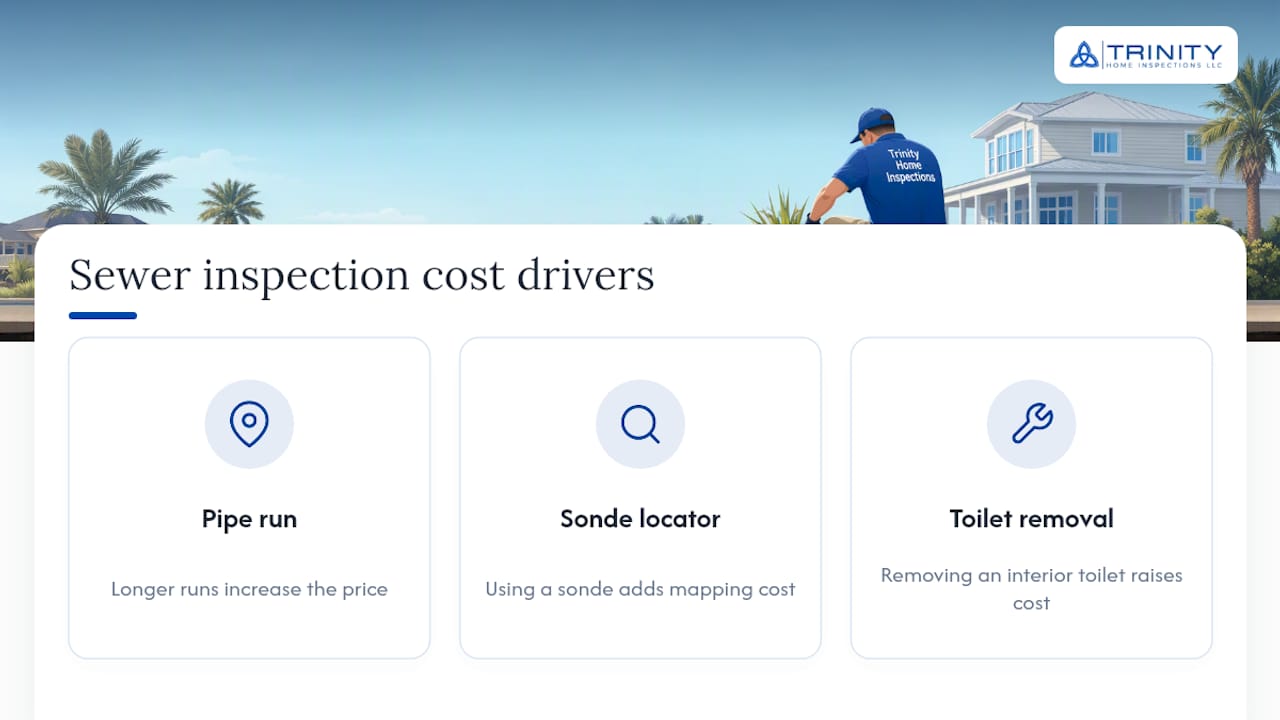
Pricing varies by market and by how complicated the access is, but a few factors consistently move the number: how long the pipe run is, whether a sonde locator is needed to map a defect, and whether an interior toilet has to come out to reach the line.
On-site time is usually short. The camera push itself often takes only five to ten minutes for a normal run, with the rest of the 30 to 60 minute appointment spent locating access points and documenting what the camera sees. Report delivery is often same-day, video included.
Budget for possible follow-up costs if something turns up: professional mapping, trenchless pipe lining, or in worse cases, excavation. Trinity Home Inspections’ guide to sewer scope pricing walks through these cost factors in more detail if you’re trying to compare quotes.
What A Sewer Scope Can’t Tell You
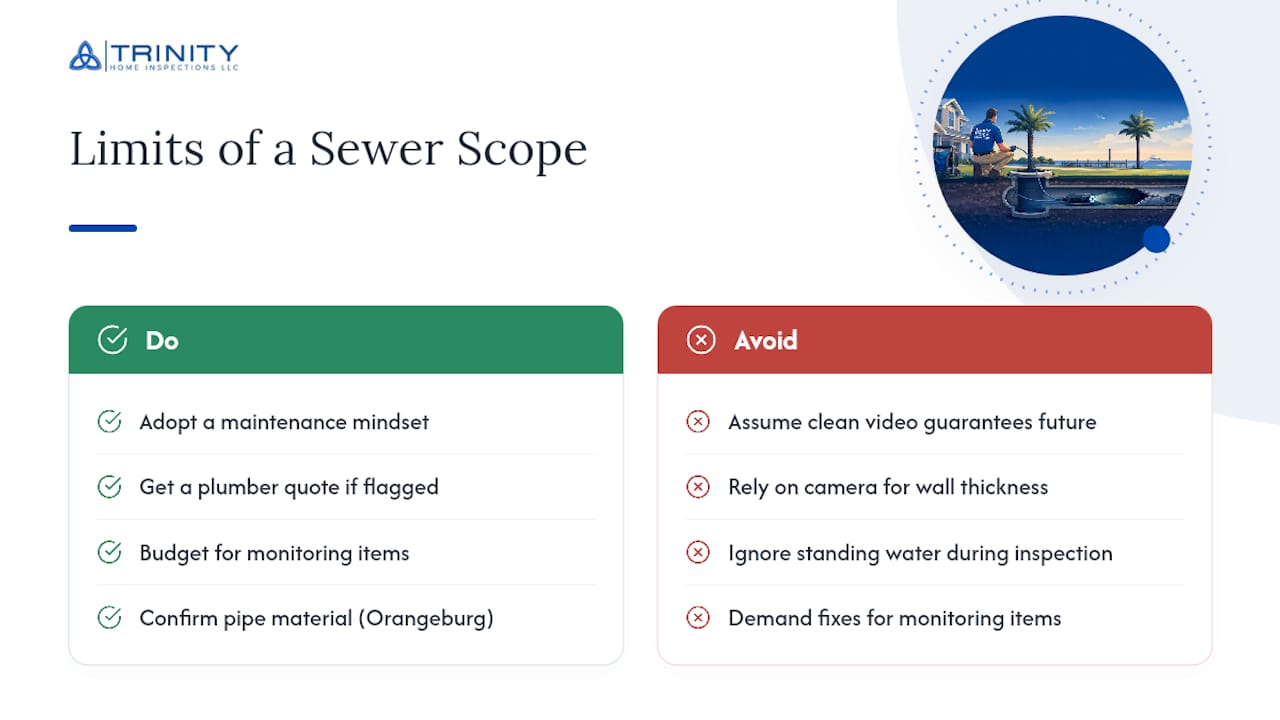
A sewer scope is a snapshot, not a forecast. A clear video today doesn’t guarantee the pipe will perform the same way in five years, and some materials, like aging Orangeburg pipe, can fail even after a previous inspection came back clean. Industry professionals sometimes compare it to a colonoscopy for a house: it reveals what’s currently wrong, not what will eventually go wrong.
Standing water can hide the true condition of a joint, and no camera can measure wall thickness or detect a slow leak at a joint that isn’t actively failing during the pass. If your scope comes back clean, the smart move is a maintenance mindset, not a false sense of permanence. If it flags something immediate, get a plumber’s quote before you negotiate. If it’s a short-term or monitoring item, you may simply need to budget for it down the road rather than demand a fix today.
Why The Inspector’s Credentials Matter Here
Not every technician running a camera down a pipe is operating to the same standard. Trinity Home Inspections is InterNACHI certified, trained specifically to the Sewer Scope Standards of Practice that govern how a proper inspection gets documented, and our team carries FAA drone licensing for the roof work that often accompanies a full inspection.
What you get with our sewer scope add-on:
Full recorded video included in your same-day digital report
Sonde locating when a defect needs to be pinpointed for repair planning
Free thermal imaging on the accompanying home inspection
$1M errors and omissions coverage and $2M general liability, well above Alabama’s minimum requirements
Using The Scope Video In Your Negotiation
Watch the footage yourself before you decide anything. A clogged trap and a collapsed pipe both look alarming on a small screen, but they call for very different responses. Attend the inspection if you can, ask the inspector to walk you through anything flagged, and request your own digital copy of the video. For anything marked immediate, get a plumber’s repair quote before you go back to the seller. That number, not your gut reaction to grainy footage, is what actually drives a productive negotiation.
— Matt
Book A Sewer Scope With Trinity Home Inspections
Trinity Home Inspections is the local option for buyers along the Gulf Coast who want a sewer scope done right the first time, not tacked on as an afterthought. Every scope we run includes the full recorded video in your same-day report, sonde locating when a defect needs pinpointing, and the same InterNACHI-certified standards that guide our full home inspections.
[

Pair your sewer scope with our property and permit search service if you want a fuller picture of a home’s history before you commit, or add it directly onto your inspection booking as a single line item, no separate appointment needed. We keep our language factual and our reports color coded, so you know exactly what’s urgent and what can wait, without the scare tactics. Call 251-210-7376 or book online at Trinityinspectionsllc to get a sewer scope added to your next inspection.
Sources
FAQ
What happens during a sewer inspection?
A technician feeds a push camera through an access point, usually an exterior cleanout, and records live video of the pipe’s interior while checking for cracks, roots, clogs, and sagging sections.
How much does a sewer scope inspection cost?
Cost depends on pipe length, access difficulty, and whether sonde locating is needed, but it’s commonly bundled as an add-on to a full home inspection rather than billed as a standalone service.
What is the role of a sewer inspector?
A sewer inspector runs the camera, documents defects on video, classifies findings by urgency, such as immediate, short-term, or monitoring, and delivers a written condition report you can use in negotiations.
Is a sewer scope the same as a regular home inspection?
No. Standard home inspections don’t typically cover the underground sewer lateral, which is why buyers need to request a sewer scope separately, often as an add-on service.
Can a sewer inspection guarantee the pipe won’t fail later?
No. A clear scope reflects the pipe’s condition at that moment only; older materials can still fail later even after a clean inspection.
Recommended