
Home Closing: Steps, Costs, and What to Watch For


Buying your first home in Baldwin County can feel overwhelming once you realize closing involves far more than just signing papers and picking up keys. The final stage is filled with detailed legal documents, important financial checks, and strict timelines that can trip up even the most organized buyers. Understanding the complex steps and roles involved in closing will help you avoid costly surprises and give you confidence as you move toward owning your Alabama home.
Table of Contents
Key Takeaways
Point | Details |
Understanding the Closing Process | Home closings involve complex legal and financial steps, not just signing documents. Preparation and knowledge are essential for success. |
Myth Busting | Many buyers misconceptions include believing that closing costs are fixed and that they can easily back out of the transaction. Clarifying these myths can reduce stress. |
Role of Professionals | Various professionals, such as agents and attorneys, play vital roles in the closing process, ensuring compliance and smooth transactions. Buyers should understand these roles. |
Anticipating Closing Costs | Closing costs can add 2-5% to the purchase price, so budgeting for these expenses and potential surprises is crucial for homebuyers. |
Home Closing Defined and Common Myths
A home closing represents the final stage of a real estate transaction where property ownership officially transfers from seller to buyer. Unlike popular misconceptions, this process involves much more than simply signing a few documents and exchanging keys. Closing procedures are complex legal transactions with significant financial implications that require careful navigation.
The closing process typically involves several critical components that many first-time homebuyers misunderstand:
Property title transfer
Financial transaction completion
Legal document execution
Final payment disbursement
Deed recording
Common myths about home closing often create unnecessary stress for buyers. Some widespread misconceptions include:
Closings always happen exactly as scheduled
All closing costs are predictable and fixed
Buyers can easily back out of the transaction
The process takes just a few hours
Key Documents at closing include the mortgage note, deed of trust, closing disclosure, and property transfer documents. Closing Disclosures provide critical details about loan terms, highlighting why careful review matters.
Real estate closings are binding legal events with significant consequences. Once documents are signed, the transaction becomes official and typically cannot be reversed without substantial legal complications. Understanding this finality helps buyers approach closing with appropriate preparation and diligence.
Pro tip: Always request and thoroughly review your Closing Disclosure at least three days before the scheduled closing date to identify and resolve any potential discrepancies.
Essential Documents and Who’s Involved
Home closings involve a complex network of professionals and an extensive collection of legal documents that transform a real estate transaction from an agreement to a legally binding transfer of property. Closing documentation represents a critical stage where multiple parties collaborate to finalize the purchase.
Key participants in the home closing process typically include:
Buyer: Primary transaction initiator
Seller: Property transfer originator
Real estate agents: Transaction facilitators
Lending institution: Mortgage provider
Title agent: Legal ownership verifier
Closing attorney: Legal transaction overseer
The most crucial documents required during closing encompass:
Closing Disclosure
Mortgage note
Deed of trust
Property title
Settlement statement
Government-issued identification
Critical Documents play specific roles in transferring property ownership. Closing Disclosure forms provide comprehensive financial details, itemizing exact loan terms, closing expenses, and payment structures that buyers must meticulously review.
Each participant brings unique responsibilities to ensure a smooth transaction. Lenders verify financial qualifications, title agents confirm property ownership history, real estate agents coordinate communication, and attorneys ensure legal compliance. Understanding each role helps buyers navigate this complex process more confidently.
Here’s a comparison of key participants in a home closing and their primary responsibilities:
Participant | Main Responsibility | Contribution to Closing |
Buyer | Reviews and signs documents | Secures financing and funds |
Seller | Provides property title | Delivers keys and disclosures |
Real estate agent | Coordinates communication | Mediates negotiation and issues |
Lending institution | Approves and funds mortgage | Prepares loan documents |
Title agent | Confirms ownership and liens | Issues title insurance |
Closing attorney | Oversees legal compliance | Ensures proper transfer and recording |
Pro tip: Request digital copies of all closing documents at least one week before your scheduled closing date to allow sufficient time for thorough review and clarification of any complex terms.
Key Steps in the Closing Timeline
The home closing process follows a structured timeline that transforms a property purchase from initial offer to final ownership transfer. Closing steps represent a carefully orchestrated sequence of legal and financial milestones that require precise coordination and attention to detail.
Typical home closing timeline includes the following critical stages:
Purchase offer acceptance
Home inspection
Mortgage application
Property appraisal
Underwriting process
Final walkthrough
Closing day
Key documentation and verification processes occur throughout these stages:
Loan Estimate received within three days of application
Home inspection completed
Appraisal conducted by independent professional
Closing Disclosure reviewed three days before closing
Title search and insurance verification
Final financial verification
Timing Considerations play a crucial role in successful property transactions. Most closings take 30-45 days from initial offer, though this can vary based on local market conditions, mortgage complexity, and individual transaction details.
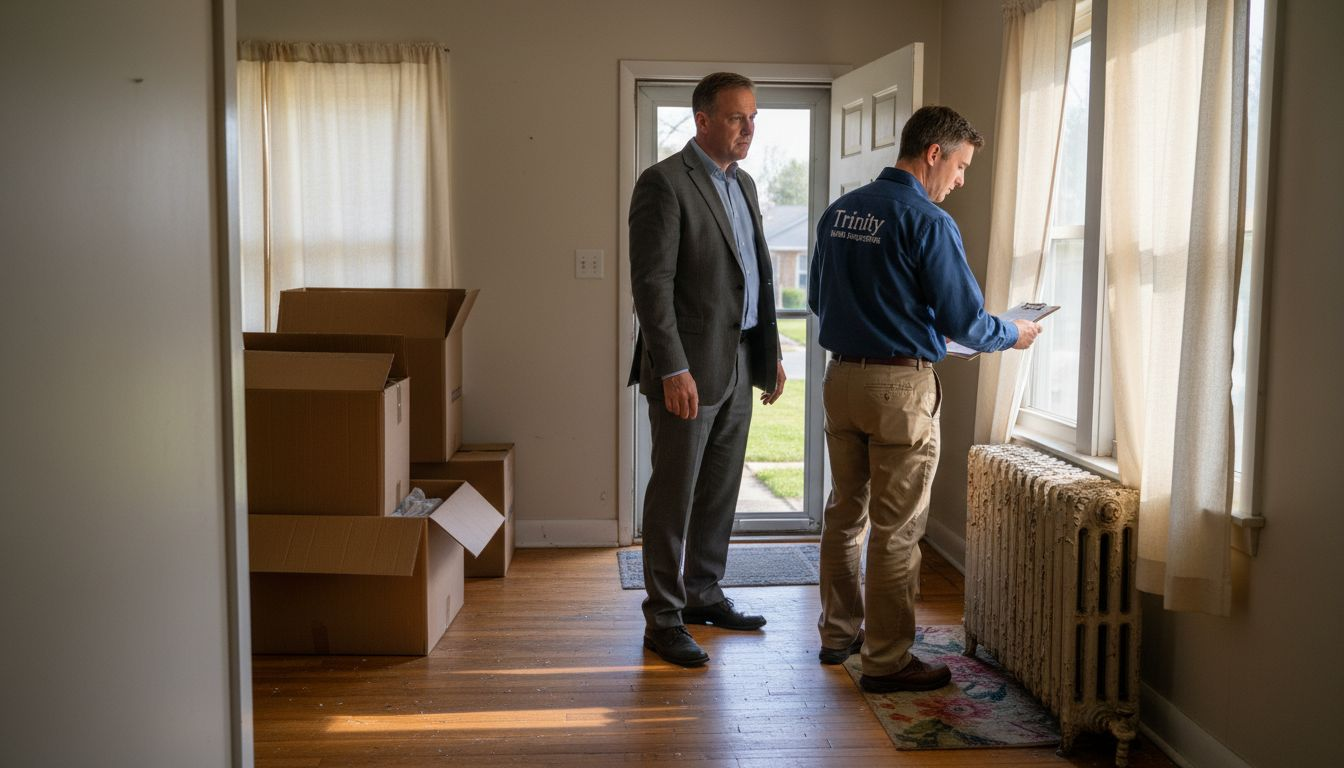
Each stage requires specific actions from buyers, sellers, real estate agents, and lending institutions. Delays can occur at any point, making proactive communication and thorough documentation essential for smooth progression through the closing timeline.
Pro tip: Maintain a dedicated closing timeline checklist and set smartphone reminders for each critical deadline to ensure you don’t miss any important documentation or verification steps.
Understanding Home Inspections and Reports
Home inspections represent a critical safeguard for homebuyers, providing an in-depth analysis of a property’s condition before finalizing the purchase. Home inspection processes help buyers identify potential issues, understand repair needs, and make informed decisions about their real estate investment.
Typical home inspection reports cover multiple critical areas:
Structural integrity
Electrical systems
Plumbing functionality
Roof and exterior conditions
Interior wall and ceiling assessments
Foundation stability
HVAC system performance
Inspectors thoroughly examine each component, documenting findings through detailed visual assessments and specialized diagnostic tools:
Visual walk-through inspection
Thermal imaging scan
Moisture detection tests
Electrical system verification
Structural component analysis
Inspection Documentation serves multiple purposes beyond simple reporting. Building inspection requirements ensure properties meet safety standards, revealing potential hazards that could impact long-term home ownership and potential renovation costs.
Professional home inspections protect buyers by uncovering hidden problems that might not be immediately visible during a casual property viewing. These comprehensive assessments provide a professional, objective evaluation of the home’s condition, helping buyers negotiate repairs or adjust purchase prices based on documented findings.
Pro tip: Always attend the home inspection in person and ask the inspector to explain findings directly, ensuring you fully understand each identified issue and its potential impact.
Closing Costs, Escrow, and Financial Pitfalls
Closing costs represent a significant financial consideration that often catches homebuyers by surprise. Closing cost details typically range from 2-5% of the home’s purchase price, adding thousands of dollars to the total transaction expense.
Typical closing cost categories include:
Loan origination fees
Property appraisal charges
Title insurance
Home inspection costs
Government recording fees
Escrow account setup
Property tax prepayments
Homeowners insurance
Escrow Accounts serve as neutral financial repositories managed by third-party institutions to handle specific property-related payments:
Collect monthly tax payments
Manage insurance premium contributions
Hold funds for potential property maintenance
Distribute payments to appropriate agencies
Legal closing cost requirements highlight potential financial pitfalls that buyers must carefully navigate. Common mistakes include underestimating total expenses, failing to budget for unexpected fees, and not thoroughly reviewing closing disclosures before signing.
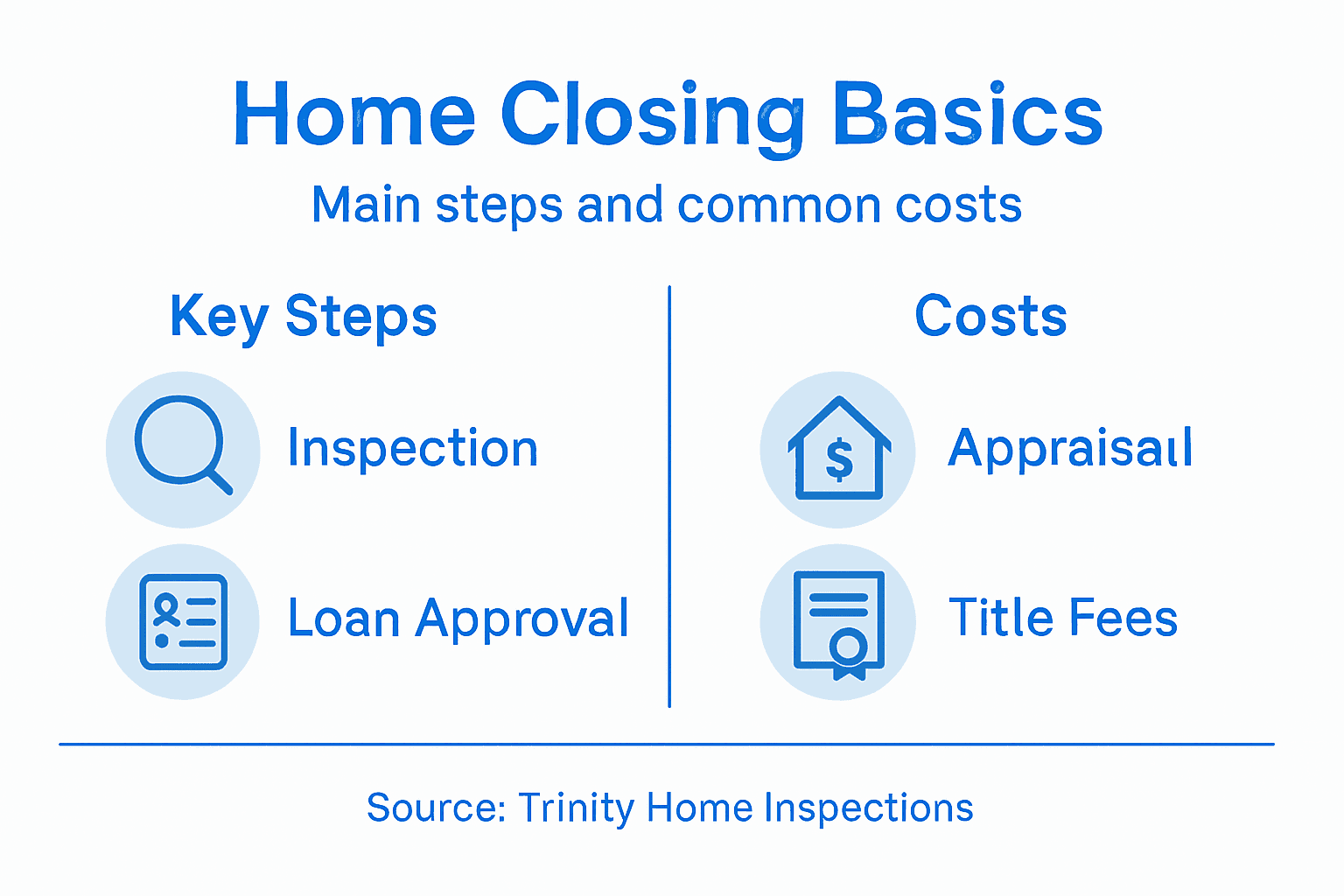
Smart homebuyers anticipate these costs by requesting detailed breakdowns from lenders, comparing multiple estimates, and maintaining a financial buffer for unexpected expenses. Understanding the nuanced components of closing costs helps prevent last-minute financial stress and potential transaction delays.
To help you plan, here’s a summary of potential unexpected closing costs and ways to mitigate them:
Unexpected Cost Type | Typical Trigger | How to Mitigate |
Additional recording fees | Local government rate changes | Request latest fee schedule |
Escrow account shortages | Tax or insurance cost increases | Keep extra funds in escrow |
Unplanned repairs | Issues found during inspection | Negotiate seller credits |
Title search discrepancies | Undisclosed liens or claims | Obtain enhanced title policy |
Pro tip: Request a comprehensive closing cost estimate at least two weeks before closing and set aside an additional 1-2% of your home’s purchase price as a financial cushion for unexpected expenses.
Mistakes to Avoid for Alabama Buyers
Homebuyers in Alabama face unique challenges that can derail their property purchase if not carefully navigated. Home buying guidance provides critical insights into avoiding common pitfalls that could compromise your investment.
Most significant mistakes Alabama homebuyers frequently encounter include:
Skipping professional home inspections
Overlooking local market conditions
Failing to understand loan options
Neglecting total ownership costs
Ignoring property tax implications
Underestimating maintenance expenses
Specific financial mistakes that can significantly impact your home purchase:
Not getting pre-approved for a mortgage
Choosing the wrong loan type
Emptying savings for down payment
Overlooking additional closing expenses
Ignoring credit report discrepancies
Local Market Considerations play a crucial role in Alabama real estate transactions. Alabama home buying trends highlight the importance of understanding regional economic factors, neighborhood development, and potential growth areas that can influence long-term property value.
Successful homebuyers approach the process with thorough research, professional guidance, and a comprehensive understanding of their financial landscape. By anticipating potential challenges and preparing accordingly, Alabama buyers can navigate the complex real estate market with confidence and strategic insight.
Pro tip: Create a dedicated spreadsheet tracking all potential home-related expenses, including unexpected maintenance costs, to develop a realistic budget that extends beyond the initial purchase price.
Navigate Your Home Closing with Confidence and Expert Insight
Understanding the detailed steps and costs involved in a home closing can feel overwhelming. This article highlights the complexities and common pitfalls buyers face when approaching the final stage of a real estate transaction. From reviewing your Closing Disclosure to anticipating unexpected expenses, the challenges demand thorough preparation and professional guidance to avoid costly surprises or last-minute delays.
At Trinity Home Inspections, we address a key element in your closing journey: comprehensive, InterNACHI-certified home inspections that empower you with clear, trustworthy information before you finalize your purchase. We offer same-day photo and video-rich reports, including free thermal imaging, helping you identify hidden issues like moisture problems or electrical faults that could impact your closing costs or negotiations. By partnering with Trinity, you gain the peace of mind needed to approach your closing day fully informed and confident.
Don’t risk missing critical home conditions that could delay or complicate your closing. Visit Trinity Home Inspections today to schedule your inspection. Learn how our rigorous standards and local faith-based values make a difference in Baldwin, Mobile, and the surrounding Gulf Coast Alabama areas. Let us guide you through every inspection detail so you can close your new home with clarity and confidence. Explore our services and see why buyers trust Trinity to deliver the clear answers they deserve.
Frequently Asked Questions
What are the main steps in the home closing process?
The home closing process typically involves several key steps including purchase offer acceptance, home inspection, mortgage application, property appraisal, underwriting, final walkthrough, and closing day.
What documents are needed for home closing?
Essential documents for home closing include the Closing Disclosure, mortgage note, deed of trust, property title, settlement statement, and government-issued identification.
What should I expect in terms of closing costs?
Closing costs generally range from 2-5% of the home’s purchase price and can include loan origination fees, property appraisal charges, title insurance, home inspection costs, and government recording fees.
How can I avoid mistakes during the home buying process?
Common mistakes to avoid include skipping professional home inspections, overlooking local market conditions, failing to understand loan options, and underestimating total ownership costs and maintenance expenses.
Recommended

