
Why Hire Accredited Inspectors: Complete Guide
- Matt Cameron

- 9 hours ago
- 6 min read
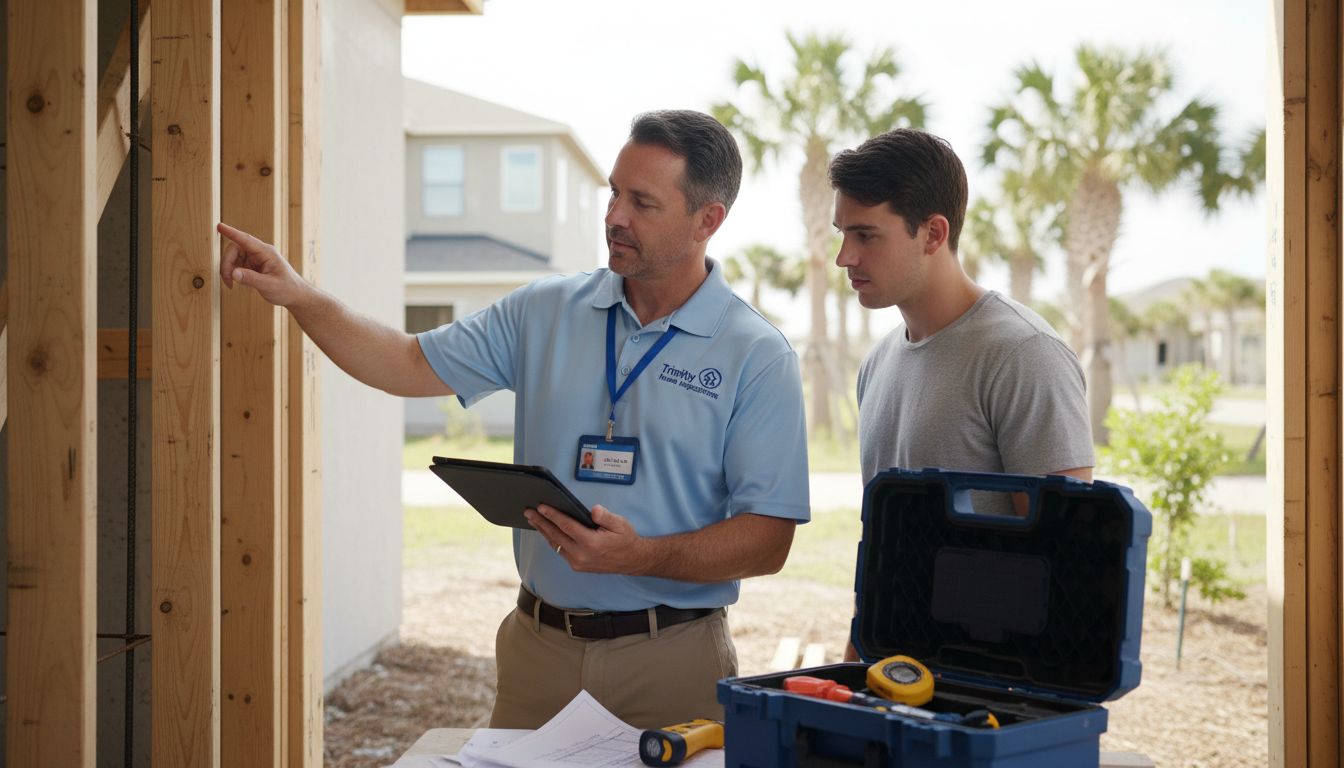
Most american homebuyers are surprised to learn that nearly eighty percent of property inspections miss at least one major defect when performed by unaccredited inspectors. Choosing who evaluates your future home can impact both your finances and peace of mind for years. Understanding what makes an inspector accredited helps you filter out those who simply do not meet professional standards, so you can trust that your investment is truly protected.
Table of Contents
Key Takeaways
Point | Details |
Accredited Inspectors Ensure Quality | Hiring accredited inspectors guarantees adherence to rigorous standards, providing more reliable home evaluations. |
Professional Training and Expertise | Accredited inspectors possess comprehensive knowledge and skills, ensuring they can identify critical issues within properties. |
Consumer Protection through Accreditation | Accreditation includes liability insurance and standardized protocols, offering homeowners protection against potential risks. |
Risks of Using Unaccredited Inspectors | Unaccredited inspectors may lead to incomplete assessments, posing significant financial and safety risks for homebuyers. |
What Does Accredited Inspector Mean?
An accredited inspector represents a home inspection professional who has met rigorous national standards of competence, ethics, and technical expertise through recognized certification programs. According to homeinspector.org, accreditation ensures inspectors adhere to comprehensive professional guidelines that demonstrate their commitment to quality service.
These inspectors typically earn credentials from nationally recognized organizations like the American Society of Home Inspectors (ASHI) or the National Association of Certified Home Inspectors (InterNACHI).
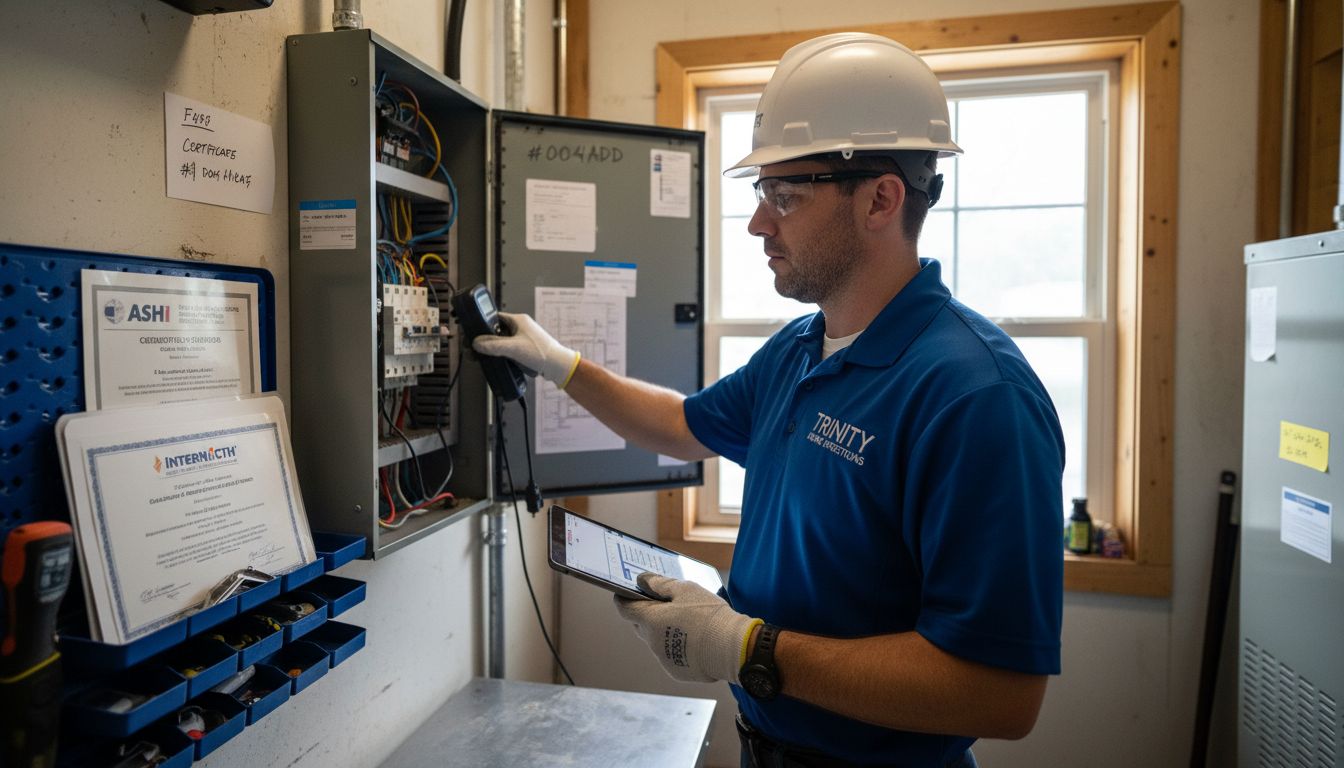
nachi.org explains that certification requires passing specialized examinations and meeting specific professional requirements, which validate an inspector’s technical knowledge and professional capabilities.
The key components of accreditation generally include:
Passing comprehensive professional examinations
Demonstrating technical competence in home inspection practices
Maintaining ongoing professional education credits
Adhering to strict ethical standards
Carrying professional liability insurance
Understanding these standards helps homebuyers recognize that an accredited inspector brings substantially more credibility and expertise to their home inspection process. By choosing an accredited professional, you’re selecting someone who has proven their commitment to delivering high-quality, thorough, and reliable home inspection services. If you want to learn more about the advantages of working with certified professionals, check out our guide on advantages of certified inspectors.
Key Benefits of Hiring Accredited Inspectors
Hiring an accredited home inspector provides substantial advantages that go far beyond a standard property assessment. nachi.org highlights that certified professionals offer clients unique protections and guarantees that significantly enhance the home inspection experience.
Accredited inspectors bring comprehensive professional expertise to every evaluation. According to homeinspector.org, these professionals have met stringent standards of competence, which translates into more thorough and reliable home inspections. Their certification ensures they understand complex structural, electrical, and mechanical systems, providing homebuyers with deeper insights into potential property issues.
Key benefits of working with an accredited inspector include:
Enhanced credibility and professional trustworthiness
Rigorous training in modern inspection techniques
Commitment to ongoing professional education
Comprehensive understanding of building codes and standards
Professional liability insurance protection
Choosing an accredited inspector means investing in peace of mind. These professionals have proven their commitment to excellence through extensive training, testing, and continuous skill development. Their specialized knowledge helps protect your most significant investment by identifying potential problems before they become costly repairs.
For more insights into why professional inspections matter, explore our guide to certified home inspectors.
Accreditation Standards and Industry Guidelines
The world of home inspection is governed by rigorous professional standards that ensure quality, reliability, and consistency across the industry. accreditation.us reveals that these standards are typically based on internationally recognized frameworks like ISO/IEC 17020, which outline comprehensive requirements for inspection bodies’ technical competence and operational integrity.
Professional accreditation involves a meticulous process of evaluation and verification. us-ab.org explains that the United States Accreditation Board (USAB) plays a critical role in authorizing inspection bodies to conduct assessments that meet globally recognized standards. This process ensures that inspectors are not just trained, but continuously validated in their ability to perform thorough and accurate property evaluations.
Key components of accreditation standards typically include:
Rigorous initial and ongoing professional training
Comprehensive knowledge of current building codes
Adherence to strict ethical guidelines
Regular performance assessments
Mandatory continuing education requirements
Maintenance of professional liability insurance
Understanding these industry guidelines helps homebuyers recognize the profound difference between a standard inspection and one conducted by a truly professional, accredited inspector. These standards protect consumers by ensuring that inspections are conducted with the highest level of expertise and integrity. For deeper insights into maintaining ethical standards in home inspection, review our guide on ethical standards in home inspection.
Risks of Using Unaccredited Inspectors
Unaccredited home inspectors represent a significant financial and safety risk for homebuyers. accreditation.us warns that without proper accreditation, there is no reliable assurance that the inspection will meet professional standards, potentially compromising the quality and safety of property assessments.
The consequences of hiring an unaccredited inspector can be far-reaching and potentially catastrophic. us-ab.org highlights that unaccredited inspection bodies may lack the necessary competence to identify critical structural, electrical, and environmental issues that could pose serious risks to homeowners. These missed details can translate into substantial unexpected repair costs and potential safety hazards.
Specific risks associated with unaccredited inspectors include:
Incomplete or superficial property evaluations
Missed critical structural defects
Lack of professional liability insurance
Potential legal complications from inadequate reporting
No standardized methodology for inspection
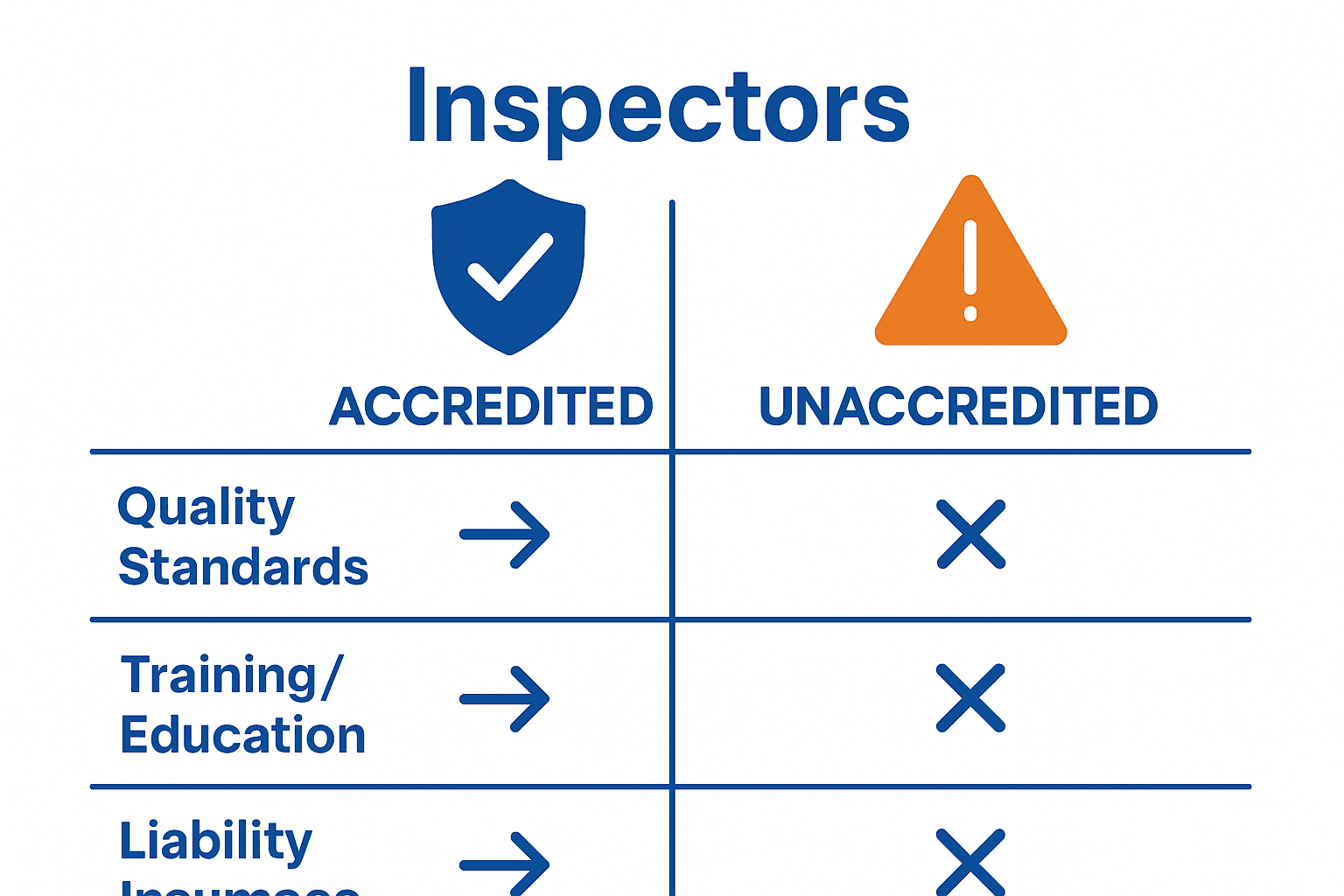
Limited recourse for homebuyers if problems emerge
Protecting your investment means choosing an inspector with verifiable credentials and a proven track record. Unaccredited inspectors might offer lower prices, but the potential long-term costs far outweigh any initial savings. For a comprehensive understanding of professional inspector qualifications, explore our guide on inspector certification.
How Accreditation Protects Homeowners
Home inspections represent one of the most critical safeguards in property purchasing, and professional accreditation serves as the ultimate protection for homeowners. homeinspector.org emphasizes that certified inspectors meet rigorous standards of competence and ethics, providing homeowners with comprehensive confidence in their property assessment.
Accreditation creates a robust framework of accountability and expertise that directly benefits homeowners. nachi.org explains that certified inspectors must pass specialized examinations and adhere to strict industry standards, which significantly reduces the risk of overlooking critical property issues. This systematic approach ensures that homeowners receive thorough, professional evaluations that go far beyond surface-level observations.
Key protective elements of accreditation include:
Comprehensive technical knowledge verification
Mandatory ongoing professional education
Adherence to standardized inspection protocols
Professional liability insurance coverage
Systematic approach to identifying potential property risks
Transparent reporting and documentation standards
Understanding these protective mechanisms empowers homeowners to make informed decisions about their most significant investment. By choosing an accredited inspector, you’re not just hiring a professional who will examine a property, but a certified expert committed to protecting your financial and personal interests. For more insights into the critical role of professional standards, explore our guide to defining home inspection standards.
Trust Accredited Inspectors for Your Gulf Coast Home
Choosing the right home inspector is one of the most important steps in protecting your investment. The article highlights key challenges such as the risks of hiring unaccredited inspectors and the importance of professional accreditation to ensure thorough and reliable property evaluations. If you want peace of mind that your home inspection meets the highest standards of competence, ethics, and accuracy you need an accredited professional who understands every detail and nuance of building codes and inspection protocols.
At Trinity Home Inspections, we bring these exact values to every inspection. Led by Matt Cameron, our team is fully insured and accredited to provide you with honest, comprehensive, and trustworthy service. We approach each inspection with integrity and a commitment to excellence so you can make informed decisions without the stress or worry that comes from overlooked issues. Experience firsthand why choosing a certified inspector is not just smart but essential for your financial and personal security.
Begin your home buying journey with confidence. Contact Trinity Home Inspections today to schedule an accredited inspection you can trust. Learn more about our professional services at Trinity Home Inspections and discover how we exceed expectations with every report. Don’t leave your largest investment to chance. Visit our site now and make the right choice.
Frequently Asked Questions
What is an accredited inspector?
An accredited inspector is a home inspection professional who has met national standards of competence, ethics, and technical expertise through recognized certification programs, ensuring high-quality and reliable home inspections.
Why is it important to hire an accredited inspector?
Hiring an accredited inspector provides assurance of their extensive training and knowledge. It helps protect your investment by ensuring thorough evaluations that identify potential property issues, thereby reducing the risk of costly repairs later on.
What are the key benefits of using accredited inspectors?
Key benefits include enhanced credibility and trustworthiness, rigorous training in modern techniques, commitment to continuous education, a comprehensive understanding of building codes, and professional liability insurance protection.
How does accreditation help protect homeowners?
Accreditation ensures that inspectors adhere to strict industry standards, providing a systematic approach to identifying property risks. This leads to thorough evaluations and transparent reporting, ultimately safeguarding the homeowner’s interests in the property purchase.
Recommended
Understanding the Role of Public Health Inspectors - Probe IT