What Is Asbestos Inspection? Complete 2025 Guide

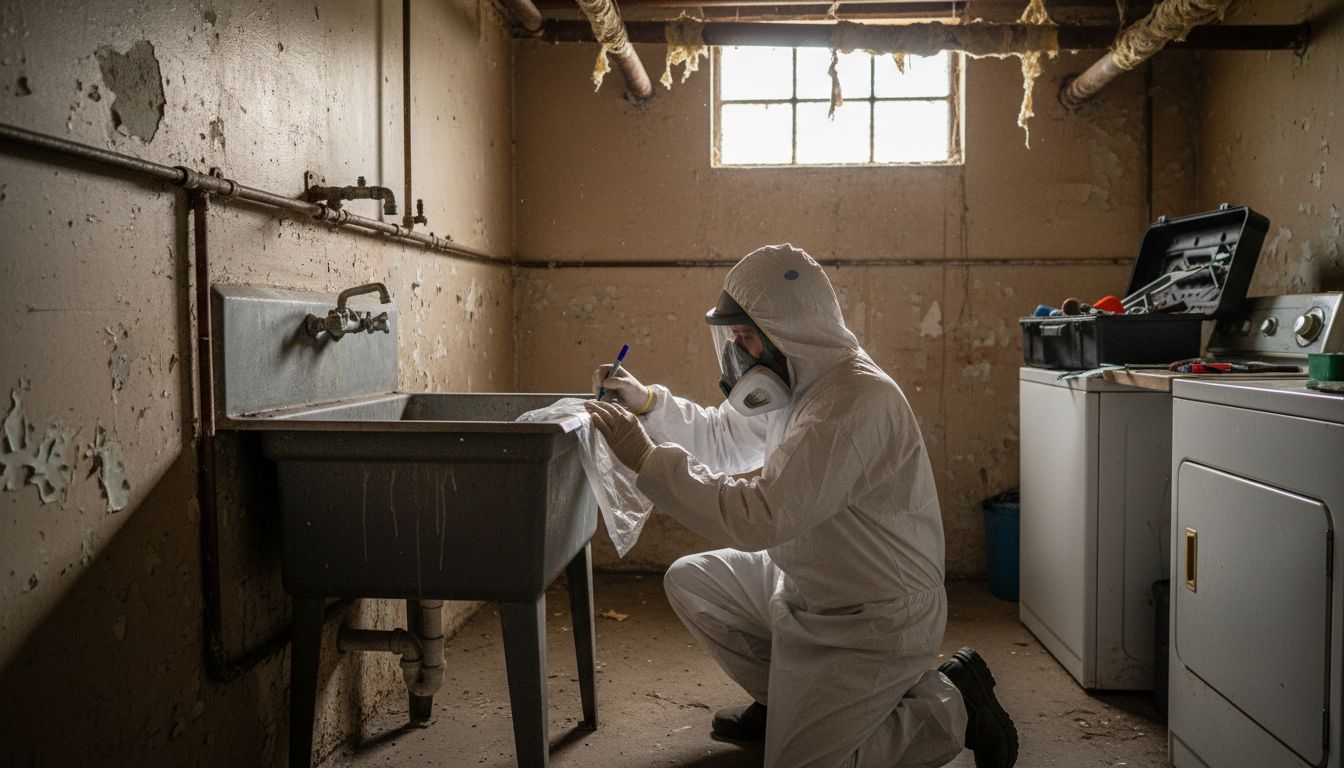
Many american homes and commercial buildings built before 1980 still contain asbestos materials hidden behind walls and ceilings. This matters because exposure to asbestos fibers is linked to serious health risks, including lung cancer and mesothelioma. Understanding how asbestos inspections work helps property owners protect their families, meet legal requirements, and avoid costly mistakes that could impact long-term safety and property value.
Table of Contents
Key Takeaways
Point | Details |
Asbestos Inspections Are Essential | These assessments identify and manage hazardous asbestos-containing materials to protect occupant health and ensure regulatory compliance. |
Different Survey Types Exist | Homeowners can choose between Management Asbestos Surveys and Refurbishment/Demolition Asbestos Surveys based on their property needs and conditions. |
Strict Legal Requirements in Alabama | Property owners must provide a 10-day notice to ADEM and have inspections done by accredited professionals before renovation or demolition. |
Investing in Professional Inspections Is Crucial | Comprehensive inspections reduce health risks and legal liabilities, outweighing the costs associated with thorough assessments. |
Defining Asbestos Inspection And Its Purpose
An asbestos inspection is a specialized assessment process designed to identify and evaluate the presence of hazardous asbestos-containing materials (ACMs) within residential, commercial, and industrial buildings. The primary objective of this critical inspection process is to assess potential health risks and determine appropriate management strategies for potentially dangerous building materials.
During a comprehensive asbestos inspection, trained professionals systematically examine a structure to locate materials that may contain asbestos. This process typically involves detailed visual assessments, strategic material sampling, and precise documentation of potential hazards. Inspectors carefully analyze building components such as insulation, floor tiles, ceiling materials, roofing, and pipe coverings that were commonly manufactured with asbestos before strict regulatory restrictions were implemented in the late 20th century.
The fundamental purpose of an asbestos inspection extends beyond simple identification. These assessments serve multiple critical objectives, including protecting occupant health, ensuring regulatory compliance, and supporting informed decision-making for property owners and managers. By understanding the role of professional inspectors, property stakeholders can effectively mitigate potential risks associated with asbestos exposure and develop strategic management plans that prioritize safety and legal requirements.
Key aspects of a comprehensive asbestos inspection include:
Systematic mapping of potential asbestos-containing materials
Detailed condition assessment of identified materials
Evaluation of potential deterioration or damage
Recommendations for safe management or remediation
Documentation to support future maintenance and safety protocols
Types Of Asbestos Inspections For Homes
Homeowners have several critical options when conducting asbestos inspections, each designed to address specific assessment needs and property conditions. Understanding these inspection types helps property owners make informed decisions about potential asbestos hazards and management strategies.
Two primary types of asbestos surveys dominate professional inspection practices. The Management Asbestos Survey (MAS) focuses on identifying and assessing asbestos-containing materials during normal building occupation and use. This inspection type provides comprehensive documentation about the location, condition, and potential risks of existing asbestos materials without requiring invasive testing. In contrast, the Refurbishment/Demolition Asbestos Survey (RDAS) is more intrusive and specifically designed for properties undergoing significant structural modifications, renovations, or complete demolition.
Beyond these standard survey types, homeowners might encounter additional specialized inspection approaches tailored to specific property characteristics and potential risk factors. These can include comprehensive sampling surveys, limited surveys targeting specific building zones, and preliminary screening assessments. Each inspection type serves a unique purpose, ranging from routine maintenance documentation to preparing for substantial structural interventions.
Key variations in asbestos inspection approaches include:
Management Asbestos Survey (routine assessment)
Refurbishment/Demolition Asbestos Survey (pre-construction evaluation)
Comprehensive sampling surveys
Targeted zone inspections
Preliminary screening assessments
Choosing the appropriate inspection type depends on multiple factors, including the property’s age, previous renovation history, intended use, and potential renovation plans.
Step-By-Step Asbestos Inspection Process
Conducting a comprehensive asbestos inspection requires a systematic and precise approach that protects both property owners and occupants from potential health risks. Understanding the inspection process involves recognizing each critical stage that professional inspectors follow to identify and assess potential asbestos-containing materials.
The asbestos survey process unfolds through several meticulously planned stages. Initially, inspectors define the survey’s scope by evaluating the building’s specific characteristics, intended use, and potential renovation plans. Professional inspectors then conduct a thorough visual examination of the property, methodically searching for materials that might contain asbestos. This detailed investigation involves carefully examining building components such as insulation, floor tiles, ceiling materials, pipe coverings, and other potential sources of asbestos-containing materials.
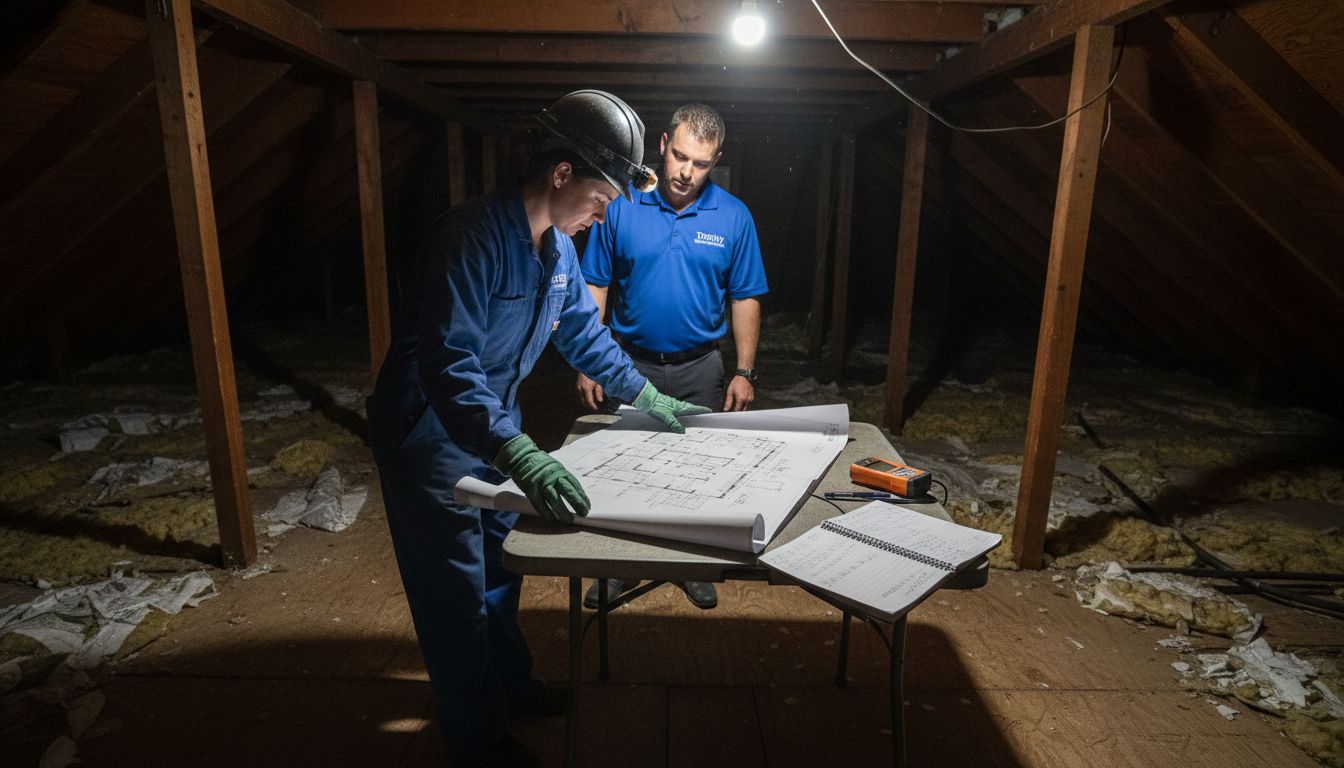
After the initial visual assessment, inspectors collect strategic samples of suspected materials for laboratory analysis. This critical step involves carefully extracting small specimens using specialized tools and techniques that minimize potential fiber release. Laboratory testing provides definitive confirmation of asbestos presence and helps quantify the potential risk. The final stage involves comprehensive documentation, including a detailed report that assesses the condition of identified materials, evaluates potential hazards, and recommends appropriate management or remediation strategies.
Key steps in a professional asbestos inspection include:
Initial property assessment and scope definition
Comprehensive visual examination
Strategic material sampling
Laboratory analysis
Detailed risk assessment and reporting
Property owners should always engage certified professionals who follow rigorous safety protocols and possess extensive training in identifying and managing potential asbestos hazards.
Legal And Safety Requirements In Alabama
Asbestos management in Alabama involves complex legal and safety regulations designed to protect public health and ensure proper handling of hazardous materials. Home safety inspection practices play a crucial role in understanding and navigating these stringent requirements for property owners and contractors.
Alabama mandates strict protocols for asbestos-related activities, particularly during renovation and demolition projects. Property owners and contractors must submit a mandatory 10-day notification to the Alabama Department of Environmental Management (ADEM) before initiating any work that might disturb regulated asbestos-containing materials. This regulatory requirement ensures that all potential asbestos hazards are professionally assessed and managed to minimize public health risks.
The state’s legal framework requires extensive professional involvement in asbestos management. All regulated structures must be surveyed by an Alabama Accredited Asbestos Inspector before any renovation or demolition activities can commence. Additionally, only ADEM Certified Asbestos Abatement Contractors are legally permitted to remove regulated asbestos-containing materials, ensuring that only trained professionals handle these potentially dangerous substances.
Key legal requirements for asbestos management in Alabama include:
10-day notification to ADEM before project initiation
Mandatory inspection by Alabama Accredited Asbestos Inspectors
Removal only by ADEM Certified Asbestos Abatement Contractors
Strict documentation and compliance protocols
Potential significant penalties for non-compliance
Property owners and contractors must approach asbestos management with the utmost diligence, understanding that these regulations are designed to protect public health and environmental safety.
Risks, Costs, And Common Inspection Mistakes
Asbestos inspections are critical processes fraught with potential risks and costly complications that can significantly impact property owners and occupants. Understanding inspection reports helps homeowners navigate the complex landscape of potential hazards and financial implications associated with asbestos detection and management.
The financial dimensions of asbestos inspections can vary dramatically, typically ranging from $250 to $1,500 depending on property size, complexity, and required testing methods. Comprehensive inspections involving extensive sampling and laboratory analysis represent the higher end of this cost spectrum. Property owners must recognize that while these expenses might seem substantial, they pale in comparison to potential health risks and legal liabilities associated with undetected asbestos-containing materials.
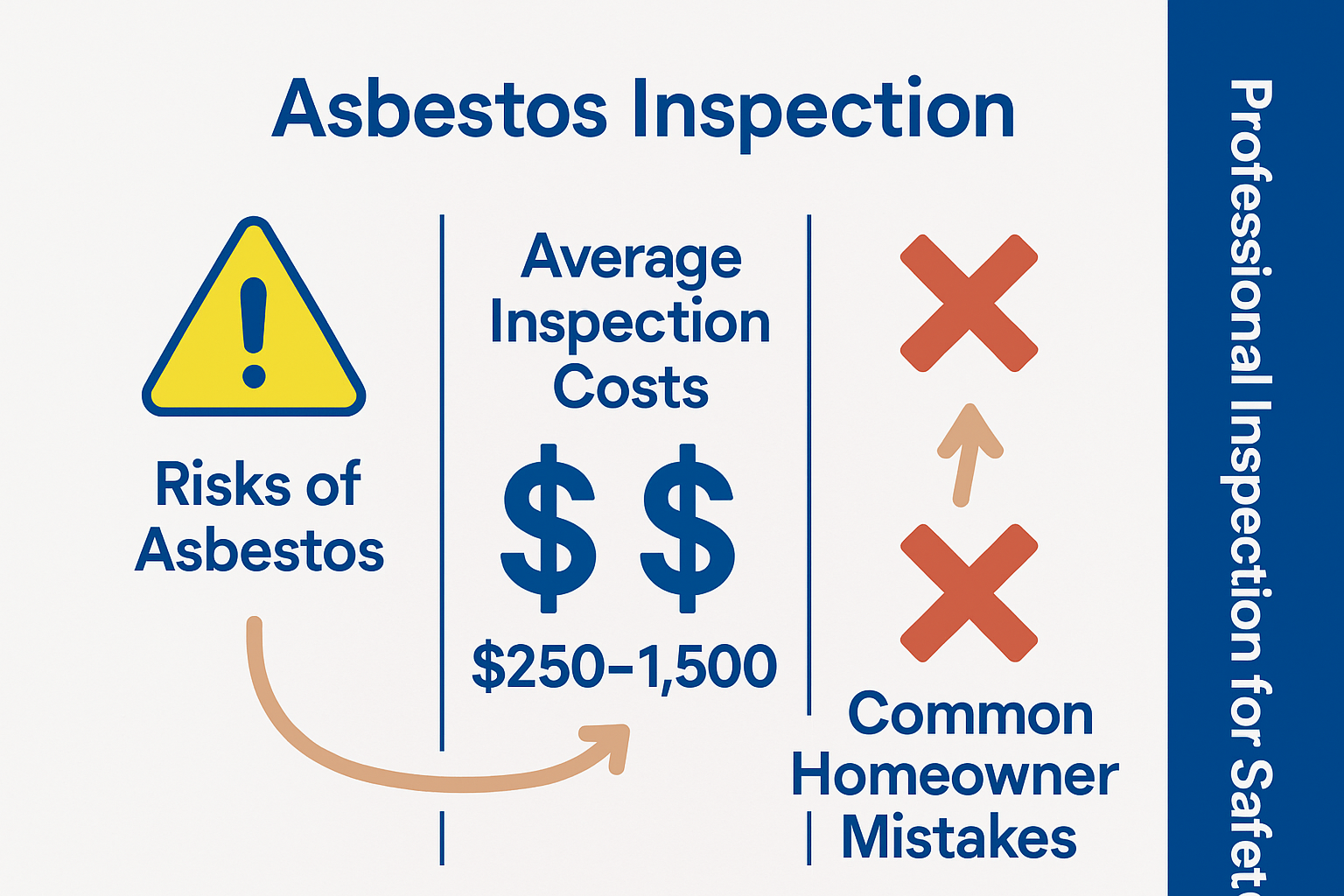
Common inspection mistakes can create significant long-term consequences. Untrained individuals attempting self-assessment might overlook critical indicators of asbestos presence, potentially exposing themselves and others to serious health hazards. Professional inspectors warn against incomplete visual examinations, inadequate sampling techniques, and failure to follow proper safety protocols. These errors can result in unintentional fiber release, which potentially leads to severe respiratory conditions such as lung cancer and mesothelioma.
Critical risks and potential inspection mistakes include:
Incomplete property assessment
Improper sampling techniques
Inadequate personal protective equipment
Failure to follow regulatory documentation requirements
Misinterpreting laboratory testing results
Property owners should prioritize professional expertise, understanding that comprehensive asbestos inspections represent an investment in health, safety, and long-term property value.
Protect Your Home and Loved Ones with Expert Asbestos Inspection
If you have read our comprehensive guide on Asbestos Inspection, you understand the serious health risks and legal responsibilities involved in managing asbestos-containing materials. The challenge of identifying, sampling, and safely managing asbestos requires professional expertise and careful attention to detail to avoid costly mistakes and potential danger. Whether you are planning renovations, buying a home, or simply want peace of mind about your property’s safety, relying on trained inspectors ensures thorough and accurate results.

At Trinity Home Inspections, we specialize in professional asbestos inspections tailored to homes in the Gulf Coast region of Alabama. Our accredited inspectors follow strict safety protocols and are committed to delivering clear, detailed reports you can trust. Don’t leave asbestos risks to chance. Visit us at Trinity Home Inspections to schedule your inspection today and move forward confident in your property’s health and compliance. Learn more about how inspections protect your investment with our detailed inspection process overview and discover the importance of professional inspector roles in your home decisions.
Frequently Asked Questions
What is the purpose of an asbestos inspection?
An asbestos inspection is designed to identify and evaluate the presence of hazardous asbestos-containing materials (ACMs) in buildings, assessing potential health risks and determining management strategies.
What are the different types of asbestos inspections?
The primary types include the Management Asbestos Survey (MAS) for routine assessments and the Refurbishment/Demolition Asbestos Survey (RDAS) for properties undergoing significant renovations or demolitions. Other types can include comprehensive sampling surveys and targeted zone inspections.
What does the asbestos inspection process involve?
The process generally includes defining the survey’s scope, conducting a visual examination, strategically sampling suspected materials, laboratory analysis, and documenting findings with recommendations for management.
What are the legal requirements for asbestos management?
Legal requirements include submitting a mandatory notification to relevant environmental authorities before disturbing asbestos, ensuring that an accredited inspector surveys the property, and that only certified contractors can remove regulated ACMs.
Recommended
What is a Comprehensive Home Inspection? Understanding the Basics
Preparing for Food Inspections: A Complete Guide for 2025 - Probe IT