
4 Point Home Inspection Checklist for Reliable Results


Over half of American homebuyers encounter unexpected repair costs after closing, even with an inspection. Preparing for a thorough home inspection is more than a formality—it can uncover hidden issues that impact your investment, safety, and peace of mind. By following a step-by-step process, you equip yourself with the tools and knowledge to confidently assess any property before making one of life’s biggest commitments.
Table of Contents
Quick Summary
Essential Insight | Explanation |
1. Gather Necessary Tools | Use a flashlight, electrical tester, moisture meter, and personal protective gear to conduct a thorough home inspection. |
2. Inspect Electrical Systems Thoroughly | Carefully examine electrical panels and outlets for safety hazards and compliance with current building codes. |
3. Assess Plumbing for Damage | Check water supply lines, drainage pipes, and water heaters for leaks, corrosion, or potential health risks. |
4. Evaluate HVAC System Condition | Inspect HVAC age, cleanliness, and functionality to ensure effective home heating and cooling performance. |
5. Document Findings Precisely | Maintain organized inspection notes and photographs to create clear reports that accurately reflect the property’s condition. |
Step 1: Prepare Required Tools and Documentation
Before diving into your home inspection, gathering the right equipment and paperwork sets the foundation for a thorough assessment. The American Society of Home Inspectors recommends several essential tools that will help you perform a comprehensive evaluation of the property.
Your inspection toolkit should include some key items: a powerful flashlight for examining dark spaces, an electrical circuit tester to check outlet functionality, a moisture meter to detect potential water damage, and personal protective equipment like gloves and safety glasses. You will also want to bring a notepad, camera, or tablet to document findings and take detailed notes. Professional inspectors typically carry a digital reporting system to capture observations quickly and accurately.
A pro tip from experienced home inspectors: organize your documentation checklist beforehand. InterNACHI suggests preparing standard forms and checklists in advance to ensure you capture all critical details during the inspection. Consider creating a digital folder with templates for structural assessment, electrical systems, plumbing, and other key home components. This preparation will help you work efficiently and provide a comprehensive report for your clients.
With your tools packed and documentation ready, you are now prepared to move forward with a systematic and professional home inspection.
Step 2: Inspect Electrical System Components
Electrical system inspection is a critical part of ensuring home safety and identifying potential risks. InterNACHI recommends a comprehensive approach to evaluating electrical components that goes beyond a simple visual check.
Start by examining the main electrical panel carefully. Look for signs of wear, corrosion, or outdated wiring that could pose safety hazards. Pay special attention to the condition of circuit breakers, checking for any signs of overheating or improper installation. Modern homes often have specific electrical panel concerns, such as Federal Pacific Stab-Lok panels known for potential fire risks.
Carefully inspect the electrical outlets throughout the home. Check for proper grounding, look for any signs of damage or loose connections, and test functionality using a professional electrical tester. Be on the lookout for outdated two-prong outlets that lack proper grounding or show signs of wear. Remember that older homes may have electrical systems that do not meet current safety standards, so a thorough examination is crucial.
Warning: Electrical inspections can reveal hidden dangers. If you encounter any significant issues like exposed wiring, burn marks around outlets, or an outdated electrical panel, recommend a professional electrical evaluation to ensure the home’s safety and compliance with current building codes.
Step 3: Examine Plumbing System for Defects
Plumbing system inspections are crucial for identifying potential water damage and structural risks. InterNACHI guidelines emphasize a comprehensive evaluation of plumbing components that goes beyond surface level observations.
Begin your examination by inspecting the water supply lines and drainage pipes. Check for signs of corrosion, leaks, or improper connections. Pay special attention to the material of the pipes older homes might have galvanized steel or lead pipes that can pose significant health and structural risks. Look for water stains on walls, ceilings, and floors that could indicate hidden leaks or long term moisture problems.
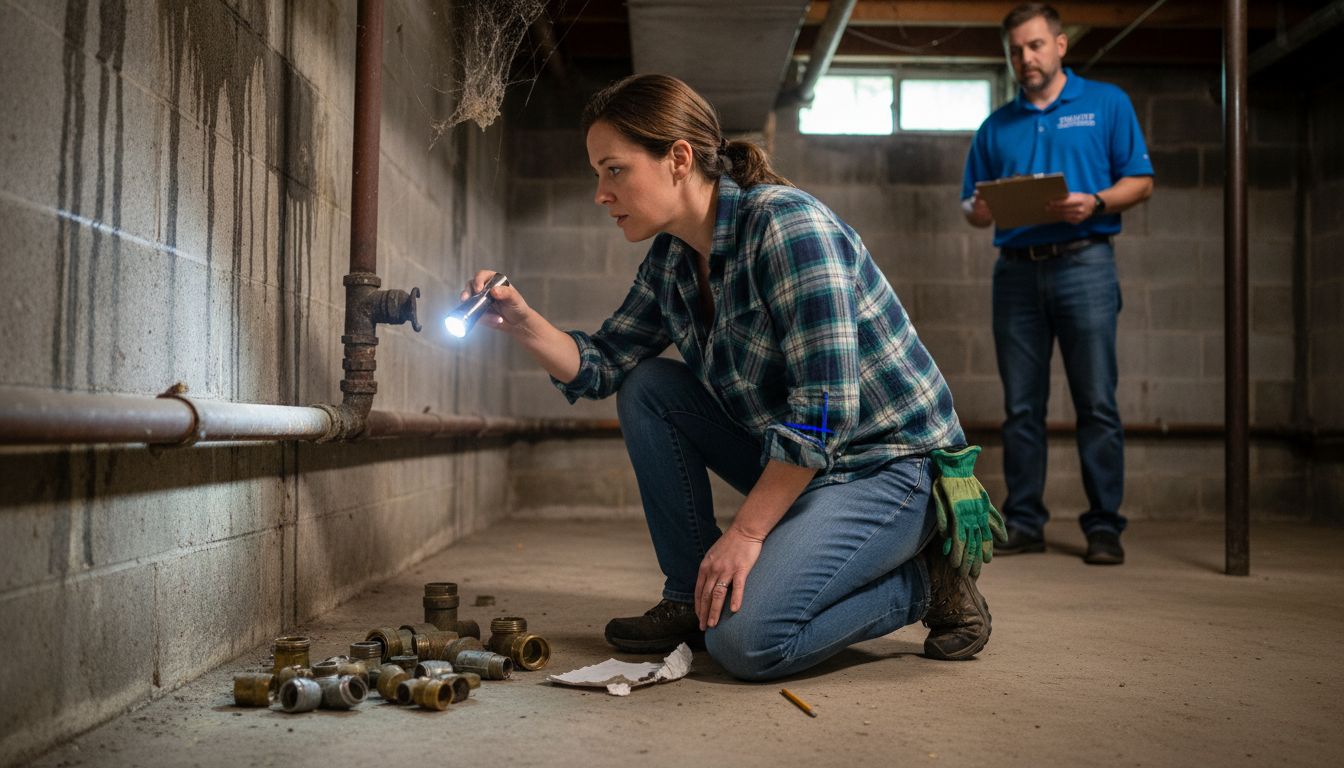
Carefully evaluate the water heater and its connections. Check the age of the unit, look for rust or corrosion around the base and connections, and ensure proper ventilation. Inspect under sinks and around toilets for any signs of water damage or potential pipe deterioration. A thorough plumbing inspection can prevent costly water damage and potential health hazards.
Warning: Some plumbing issues are not immediately visible. If you notice any signs of significant water damage, unusual pipe materials, or suspect potential hidden leaks, recommend a professional plumbing evaluation to ensure the homes long term integrity and safety.
Step 4: Assess HVAC System Condition
HVAC systems represent a critical component of home comfort and efficiency. InterNACHI guidelines emphasize thoroughly evaluating the system condition during comprehensive home inspections, focusing on age, maintenance history, and overall operational status.
Begin by locating the HVAC system and checking its age. Most heating and cooling units have a manufacturer label indicating the installation date. Pay close attention to units over 10 years old, as they may require more frequent maintenance or replacement. Inspect the external unit for signs of wear such as rust, dents, or vegetation growth that could impede airflow. Proper maintenance of your AC condensation drain line can prevent potential water damage and system inefficiencies.
Carefully examine the air filters and ductwork for debris, dust accumulation, or signs of potential mold growth. Listen for unusual sounds when the system operates and check that all vents are unobstructed and producing consistent airflow. Check the thermostat functionality and ensure it effectively communicates with the heating and cooling units.
Warning: Some HVAC issues are not immediately apparent. If you notice inconsistent temperatures, strange noises, or suspect potential air quality problems, recommend a professional HVAC evaluation to ensure the systems long term performance and your homes comfort.
Step 5: Evaluate Roof and Structural Elements
Roof and structural assessments are critical for identifying potential vulnerabilities in a home. InterNACHI guidelines emphasize a comprehensive evaluation of roof conditions during home inspections, focusing on detecting early signs of structural compromise.
Start by examining the roof from multiple perspectives. Walk the property perimeter and look for visible signs of damage like missing shingles, sagging areas, or uneven roofline surfaces. Check the attic interior for water stains, which could indicate hidden leaks. Look for signs of potential structural stress such as cracked rafters, water damage, or evidence of previous repairs. Understanding roof conditions before selling can prevent unexpected complications in real estate transactions.
Pay careful attention to the homes foundation and exterior walls. Look for vertical or horizontal cracks in the foundation, signs of settling, or areas where the ground appears to slope toward the building. Inspect window and door frames for alignment issues that might suggest underlying structural movement. Check exterior walls for signs of water damage, wood rot, or areas where moisture could penetrate.
Warning: Some structural issues are subtle and may require professional expertise. If you notice significant cracking, unexplained moisture, or suspect potential foundation problems, recommend a detailed structural assessment to ensure the homes long term stability and safety.
Step 6: Verify Findings and Document Results
Documenting your home inspection findings requires precision and systematic attention to detail. InterNACHI provides comprehensive guidelines for creating thorough and compliant inspection reports, ensuring that every critical observation is accurately captured.
Review each section of your inspection notes carefully. Cross reference your visual observations with photographs and detailed written descriptions. Ensure that potential issues are clearly articulated with specific locations, dimensions, and potential implications. Use professional terminology that is both precise and understandable to clients who may not have technical expertise. Organize your findings into logical categories such as structural integrity, electrical systems, plumbing, and potential safety concerns.
Create a digital or physical file that includes all documentation photographs, written observations, and recommendations. Include clear recommendations for repairs or further professional evaluations where necessary. Check that your report follows standard inspection protocols and provides a comprehensive overview of the propertys condition.
Warning: Incomplete or unclear documentation can lead to misunderstandings or potential legal complications. Take your time to ensure every finding is accurately recorded and presented in a clear professional manner.
Take the Mystery Out of Your Home Inspection with Trinity Home Inspections
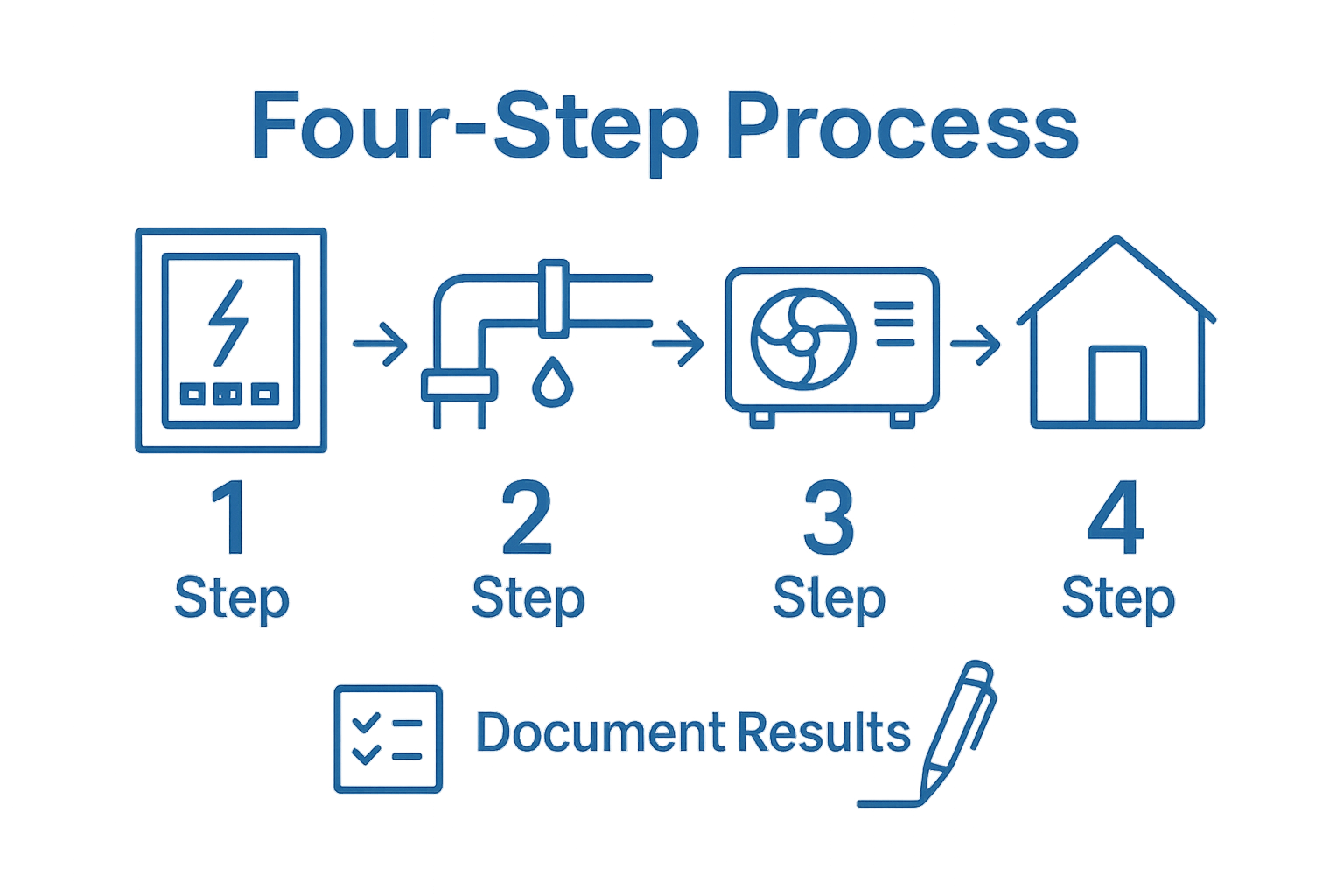
Conducting a thorough 4 Point Home Inspection requires attention to detail across electrical systems, plumbing, HVAC, and roofing as highlighted in the checklist. These areas often hide costly issues that could impact your investment and safety. Many homeowners and buyers face uncertainty and stress because they do not have a comprehensive report identifying such risks clearly. Trinity Home Inspections understands these challenges and offers you peace of mind with professional, accurate inspections backed by integrity and faith-based values.

Don’t leave critical home conditions to chance. Explore how our dedicated team, led by Matt Cameron, brings decades of expertise and personalized care to each inspection. Visit our main landing page to learn how we exceed industry standards. Whether you’re buying, selling, or simply wanting a detailed evaluation, trust Trinity Home Inspections for timely, honest, and reliable results. Contact us now to schedule your inspection and confidently protect your home investment.
Frequently Asked Questions
What are the essential tools needed for a home inspection?
You will need a powerful flashlight, an electrical circuit tester, a moisture meter, personal protective equipment, and documentation tools like a notepad or tablet. Gather all these items before starting your inspection to ensure a thorough evaluation.
How do I inspect the electrical system during a home inspection?
Begin by closely examining the main electrical panel for wear or outdated wiring. Check each outlet for proper grounding and functionality, and be vigilant for any signs of damage.
What should I look for when assessing plumbing systems?
Inspect water supply and drainage pipes for signs of corrosion or leaks. Also, check the water heater for rust or age, and look for water stains that might indicate hidden leaks.
How can I assess the condition of the HVAC system?
Check the age, external condition, and air filters of the HVAC system for signs of wear. Listen for unusual noises and ensure all vents are unobstructed for proper airflow.
What signs should I look for in roof and structural assessments?
Look for missing shingles, sagging areas, or cracks in the foundation. Pay attention to any water stains in the attic or on walls, as these can indicate underlying structural issues.
How should I document my home inspection findings?
Create clear notes that detail each observation, including locations and dimensions of any issues. Organize your findings logically and include recommendations for repairs or further evaluations.
Recommended
7 Essential Steps for Your Health Inspection Checklist - Probe IT

