
Four Point Inspection: What Homeowners Need to Know

Updated: Jan 26
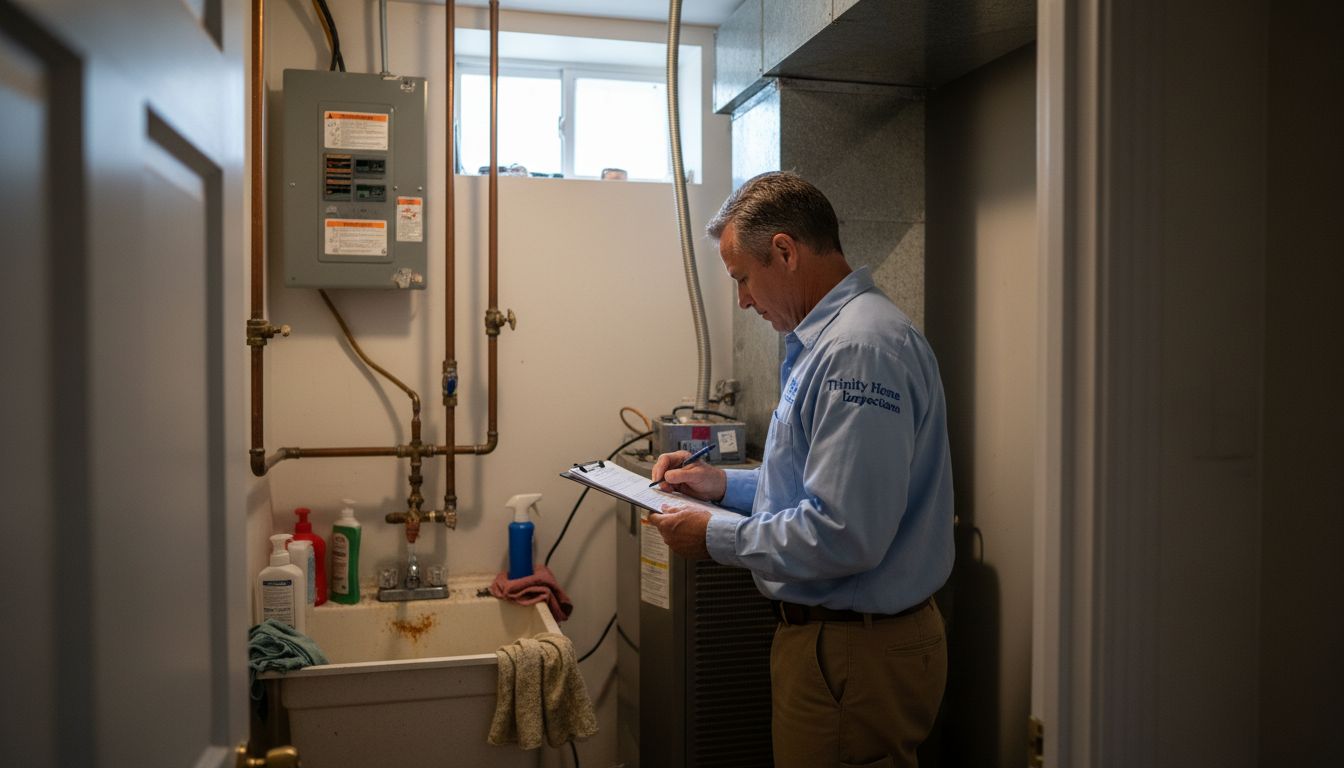
Most American homeowners are surprised to learn that more than 60 percent of insurance claims in older homes can be traced to just four key systems. Insurance companies routinely require a four-point inspection, especially for properties over 25 years old, in order to assess safety risks and coverage eligibility. Understanding what these targeted checks actually involve and how they affect costs, insurance decisions, and home repairs can prevent costly surprises down the road.
Table of Contents
Key Takeaways
Point | Details |
Four-Point Inspection Defined | A four-point inspection focuses on roofing, electrical, plumbing, and HVAC systems, providing essential insights into a property’s condition for insurance purposes. |
Importance for Older Homes | Insurers typically require this inspection for homes over 25 years old to assess risk and determine coverage eligibility. |
Differences from Full Inspections | Unlike comprehensive inspections, a four-point inspection is quicker, less expensive, and specifically targets four critical systems. |
Risks of Non-Compliance | Failing a four-point inspection may lead to higher insurance premiums, coverage denial, or unforeseen repair costs, highlighting the importance of regular maintenance. |
Four Point Inspection Defined and Debunked
A four-point inspection represents a targeted home assessment focusing on four critical systems that insurers and homeowners consider essential for understanding property condition. These inspections examine a home’s roof, electrical, plumbing, and HVAC systems to evaluate potential risks and current functionality.
Typically required for homes over 25 years old, this specialized inspection helps insurance companies determine potential liability and coverage eligibility. Unlike comprehensive home inspections, four-point evaluations provide a snapshot of the most crucial home infrastructure components. Insurers use these assessments to understand the property’s potential maintenance needs and structural integrity before offering coverage.
The four systems examined during a four-point inspection each play a critical role in home safety and functionality:
Roofing: Inspectors assess the roof’s age, condition, and remaining useful life
Electrical: Evaluate the electrical panel, wiring, and overall system safety
Plumbing: Check pipe materials, water heater condition, and potential leakage risks
HVAC: Examine heating and cooling systems for operational efficiency and potential replacement needs
While some homeowners mistake this for a full home inspection, a four-point inspection provides a targeted evaluation focused solely on these key systems. This targeted approach allows insurers and homeowners to quickly understand potential repair or replacement requirements without the comprehensive time and cost of a full property assessment.
Core Systems Evaluated During Inspection
A four-point inspection systematically examines the four most critical home systems to assess their condition, functionality, and potential risks. These comprehensive evaluations provide insurers and homeowners with an essential snapshot of a property’s core infrastructure, focusing on areas that most significantly impact home safety and insurability.
The four primary systems meticulously evaluated during these inspections include:
Roof: Inspectors carefully analyze the roof’s structural integrity, material condition, age, and potential for water damage
Electrical System: Detailed assessment of electrical panels, wiring quality, circuit breaker functionality, and overall system safety
Plumbing: Comprehensive review of pipe materials, water pressure, potential leakage points, and fixture conditions
HVAC: Thorough examination of heating and cooling systems, including operational efficiency, age, and potential maintenance requirements
Each system undergoes rigorous inspection standards designed to identify potential issues that could compromise home safety or lead to significant repair costs. Homeowners should understand that these evaluations go beyond surface-level checks, providing a deep dive into the home’s most essential mechanical and structural components. By focusing on these four critical systems, inspectors can quickly determine the property’s overall condition and highlight any immediate concerns that might affect insurance coverage or future maintenance planning.
When and Why Insurers Require This Inspection
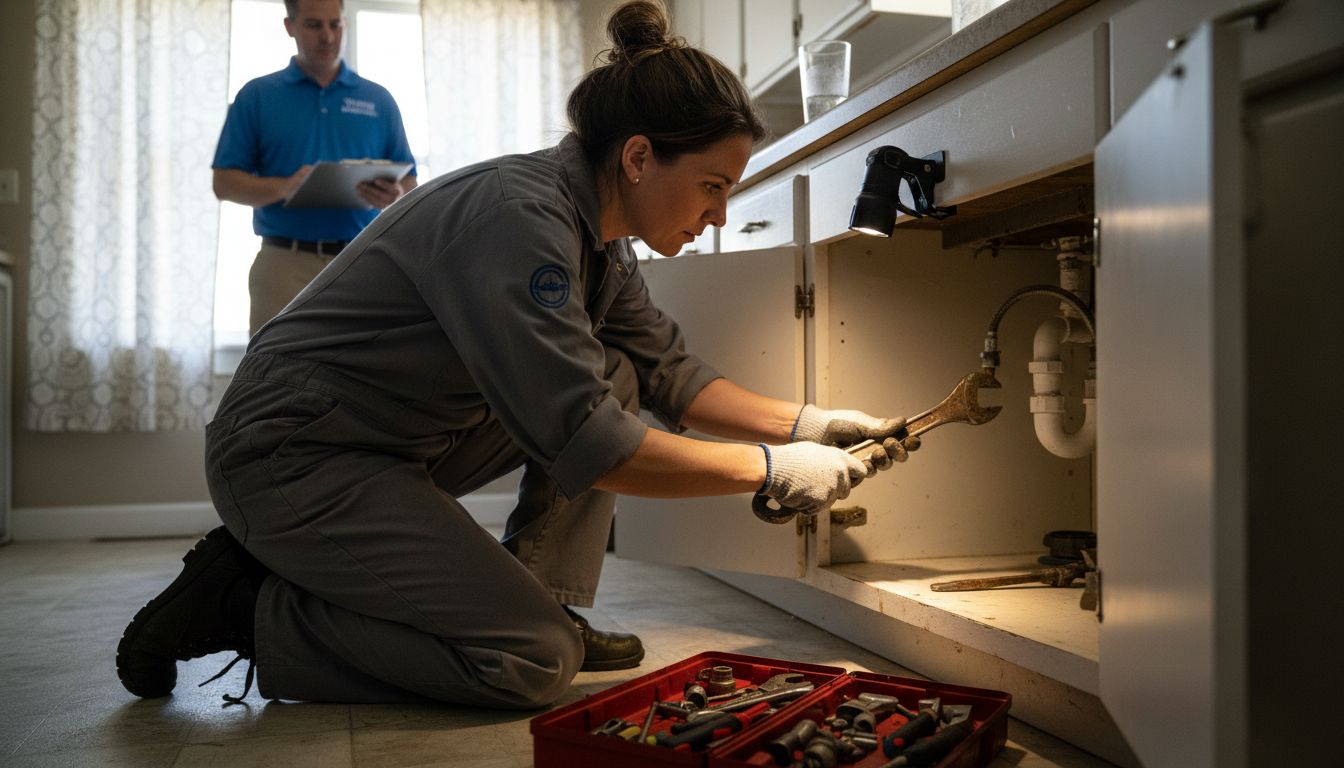
Insurance companies frequently mandate four-point inspections for homes over 20 years old as a critical risk assessment strategy. These targeted evaluations help insurers determine the potential liability and insurability of older properties by closely examining the most essential home systems that are most likely to fail or cause significant damage.
The primary motivations behind these required inspections include:
Risk Mitigation: Identifying potential system failures before they become catastrophic problems
Coverage Assessment: Determining whether a home meets minimum safety and maintenance standards
Pricing Accuracy: Evaluating the home’s condition to set appropriate insurance premiums
Preventative Maintenance: Encouraging homeowners to address potential issues proactively
Comprehensive real estate inspection practices reveal that insurers use these inspections as a critical screening tool. Older homes present higher statistical risks of system failures, with electrical, plumbing, roofing, and HVAC systems becoming more vulnerable as they age. By requiring a four-point inspection, insurance companies can make informed decisions about coverage, protect themselves from potential large-scale claims, and help homeowners understand the critical maintenance needs of their property.
Major Differences From Full Home Inspections
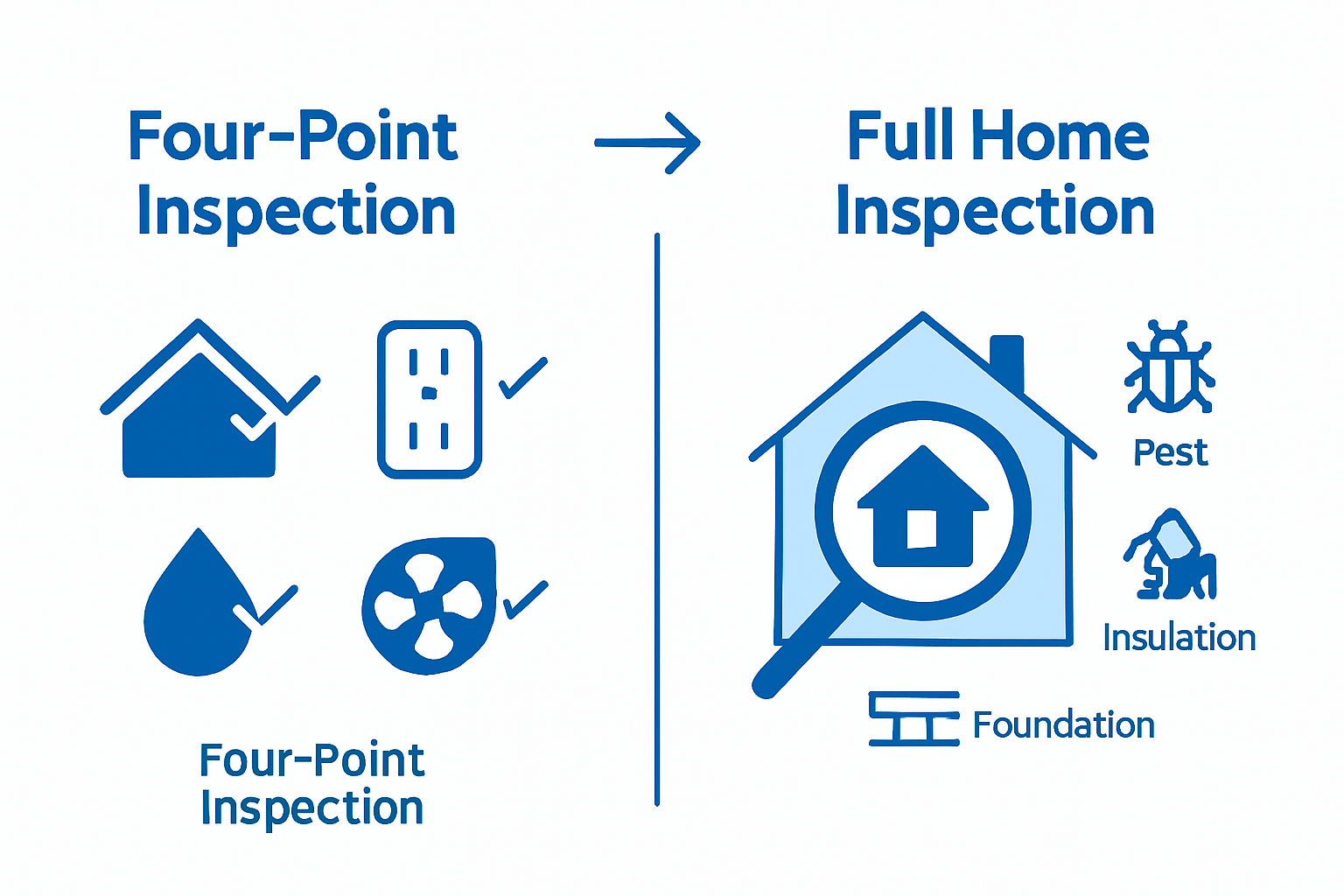
Four-point inspections differ significantly from comprehensive home inspections in scope, depth, and primary purpose. While a full home inspection provides an exhaustive examination of every aspect of a property, a four-point inspection zeroes in on the four most critical systems that insurers consider essential for determining a home’s risk profile and insurability.
Key distinctions between four-point and full home inspections include:
Scope: Four-point inspections focus exclusively on roof, electrical, plumbing, and HVAC systems
Duration: These targeted assessments typically take 30-60 minutes, compared to 2-3 hours for full inspections
Cost: Four-point inspections are significantly less expensive, often costing $50-$150
Purpose: Primarily designed for insurance underwriting, not comprehensive property evaluation
Comprehensive home inspection techniques reveal that a full inspection delves into structural integrity, foundation conditions, exterior elements, interior components, and additional systems like fireplaces, garages, and electrical panels. In contrast, a four-point inspection provides a narrow yet critical snapshot of a home’s most vulnerable and expensive-to-replace systems, making it a strategic tool for insurers assessing potential risks in older properties.
Homeowner Risks, Costs, and Common Pitfalls
Failing a four-point inspection can create significant financial and insurance complications for homeowners. The stakes are high, with potential consequences ranging from increased insurance premiums to outright coverage denial, making proactive maintenance and understanding these inspections crucial for property owners.
Common risks and potential pitfalls include:
System Deterioration: Aged electrical, plumbing, roofing, or HVAC systems that no longer meet current safety standards
Unexpected Repair Costs: Major system replacements that can range from $3,000 to $15,000
Insurance Challenges: Potential policy cancellation or significantly higher premium rates
Reduced Property Value: Negative inspection findings can impact home marketability
Home inspection preparation strategies reveal that proactive maintenance is the most effective way to mitigate these risks. Homeowners should consider regular system checks, timely repairs, and understanding the specific requirements of four-point inspections. The relatively low cost of the inspection—typically between $50 and $150—pales in comparison to the potential expenses of ignored maintenance or system failures, making it a critical investment in home ownership.
Protect Your Home with Expert Four Point Inspections from Trinity Home Inspections
Understanding the importance of a four-point inspection is crucial for homeowners facing insurance requirements or planning maintenance of their roof, electrical, plumbing, and HVAC systems. These core home systems can present costly risks if overlooked, and navigating the inspection process can be overwhelming. At Trinity Home Inspections, we specialize in providing thorough and reliable four-point inspections designed to uncover potential issues before they impact your insurance coverage or your family’s safety.
Don’t wait until unexpected repair costs or insurance challenges threaten your peace of mind. Choose Trinity Home Inspections for professional service rooted in integrity and attention to detail. Whether you need a quick assessment or guidance through home maintenance concerns, our expert team is here to help you make confident and informed decisions. Find out more about how we approach preparing for your home inspection and discover the benefits of our trusted comprehensive home inspection services today.
Frequently Asked Questions
What is a four-point inspection?
A four-point inspection is a specialized home assessment that evaluates four critical systems: roofing, electrical, plumbing, and HVAC. It helps insurance companies assess the condition and safety of older homes, typically those over 25 years old.
Why do insurance companies require a four-point inspection?
Insurance companies often require four-point inspections for homes over 20 years old to identify potential risks and establish home safety and maintenance standards. These assessments help determine coverage eligibility and insurance premiums.
How is a four-point inspection different from a full home inspection?
A four-point inspection focuses solely on the roof, electrical, plumbing, and HVAC systems, whereas a full home inspection covers every aspect of a property, including structural integrity and other systems. Four-point inspections are quicker, taking 30-60 minutes, compared to several hours for full inspections.
What are the potential risks of failing a four-point inspection?
Failing a four-point inspection can lead to significant challenges such as higher insurance premiums, denial of coverage, unexpected major repair costs, and reduced property value due to negative inspection findings.
Recommended
