
Replacing Toilet Flange In Gulf Coast Alabama Guide

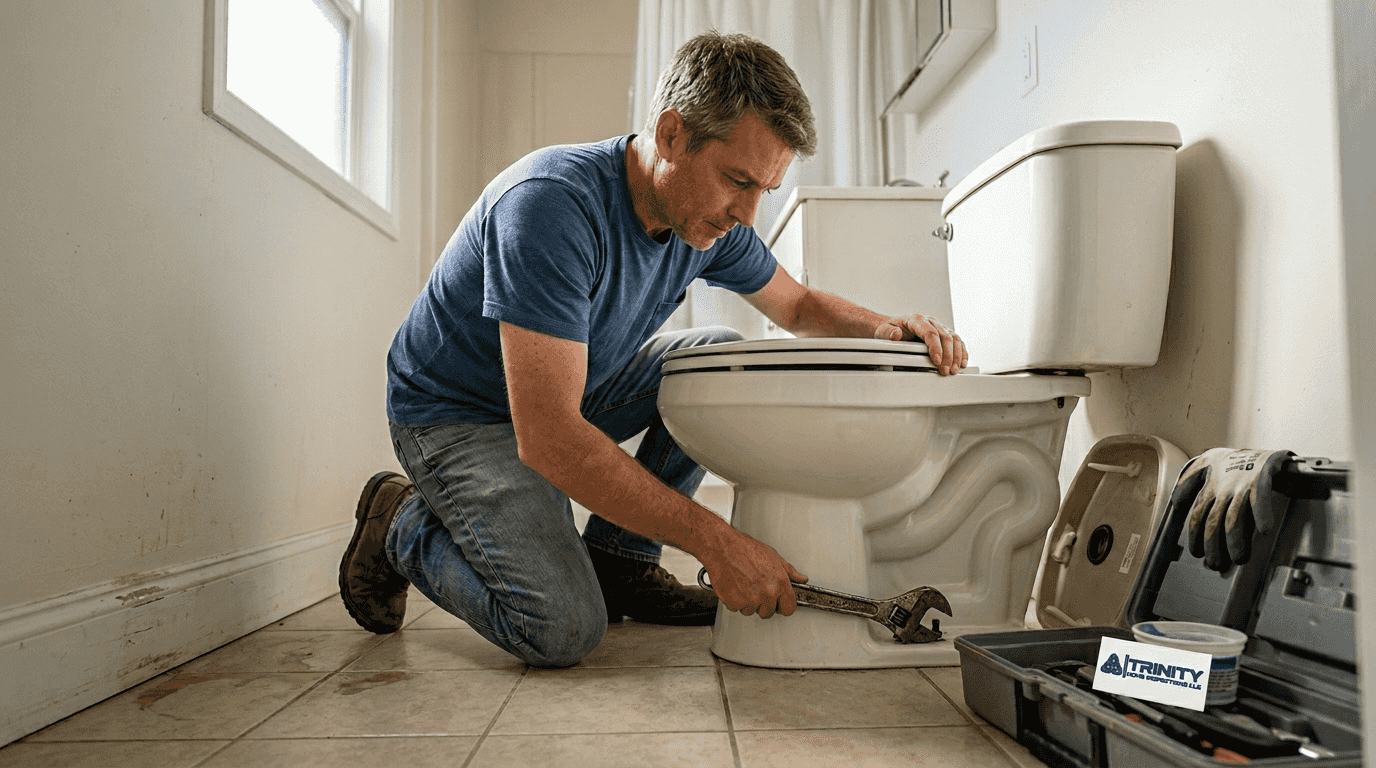
A failed toilet flange isn’t just a minor annoyance. It’s a ticking time bomb for water damage, mold growth, and costly structural repairs in your Gulf Coast Alabama home. Improper flange height causes leaks in up to 30% of installations, and coastal conditions make the problem worse. This guide walks you through every step of replacing your toilet flange correctly, ensuring a watertight seal that lasts.
Key Takeaways
Point | Details |
Flange height matters | Proper height flush with or slightly above the floor prevents leaks and ensures a watertight seal. |
Material compatibility is critical | Match your flange type to your drain pipe material for durability and proper fit. |
Coastal conditions accelerate failure | Salt air reduces metal flange lifespan by up to 50%, making PVC or ABS better choices. |
Seal selection impacts longevity | Rubber or synthetic seals handle imperfections and temperature changes better than traditional wax rings. |
Professional inspections catch hidden damage | Regular assessments prevent water damage that spreads unseen behind walls and under floors. |
Understanding Toilet Flange Issues And Coastal Challenges
The toilet flange connects your toilet to the drain pipe and anchors it to the floor. When this critical component fails, you face leaking wastewater, unstable toilets, and sewer gas infiltration. In Gulf Coast Alabama, the problems multiply.
Common signs of flange damage include:
Water pooling around the toilet base after flushing
A toilet that rocks or shifts when you sit down
Persistent sewer odors even after cleaning
Visible cracks or corrosion on the flange itself
Soft or discolored flooring near the toilet
Coastal environments create unique challenges. Salt air accelerates corrosion, cutting metal flange lifespan in half compared to inland installations. The Gulf Coast’s high humidity compounds the issue, promoting rust and material breakdown faster than you’d see in drier climates.
Metal flanges deteriorate quickly here. Cast iron flanges corrode from the inside out, weakening structural integrity before visible damage appears. Even brass flanges suffer from salt exposure. PVC and ABS flanges resist corrosion but can crack from soil movement or foundation settling, both common in our region’s sandy, shifting soils.
“Homeowners often ignore minor wobbling until major damage occurs. By then, subfloor rot may require thousands in repairs beyond just the flange replacement.”
Soil movement affects Gulf Coast homes differently than northern properties. Our sandy foundation soils shift with moisture changes and seasonal weather patterns. This movement stresses rigid plumbing connections, particularly the toilet flange joint. Over time, these stresses crack flanges or loosen anchor bolts, creating the wobble homeowners notice too late.

Plumbing issues often connect. A failing flange might signal broader problems in your sewer line that need inspection. Similarly, homes with Dura PEX plumbing face specific risks that compound when toilet connections fail. Addressing flange problems early prevents cascading damage throughout your plumbing system.
Preparation: Tools, Materials, And Safety For Flange Replacement
Successful flange replacement starts before you touch a wrench. Gathering the right tools and materials prevents frustrating mid-project trips to the hardware store.
Essential tools and materials:
Adjustable wrench and screwdriver set
Putty knife for scraping old wax
Replacement flange matched to your pipe type
New closet bolts and washers
Wax ring or rubber seal
Heavy-duty gloves and safety glasses
Bucket and old towels for water cleanup
Hacksaw (if cutting old flange required)
Caulk gun with waterproof silicone
Flange Type | Compatible Pipe | Corrosion Resistance | Best For |
PVC | PVC drain pipe | Excellent | Most Gulf Coast homes, new construction |
ABS | ABS drain pipe | Excellent | Homes with black plastic drain lines |
Cast Iron | Cast iron pipe | Poor in coastal areas | Older homes requiring exact replacement |
Stainless Steel | Multiple types | Good with proper coating | High-end installations, commercial |
Choosing the right seal matters as much as the flange itself. Traditional wax rings work, but rubber or synthetic seals handle imperfections better and resist our temperature swings. Wax can melt in attics or unventilated bathrooms during Alabama summers, compromising the seal. Rubber seals maintain flexibility across temperature ranges and reposition easier if you need to adjust toilet placement.
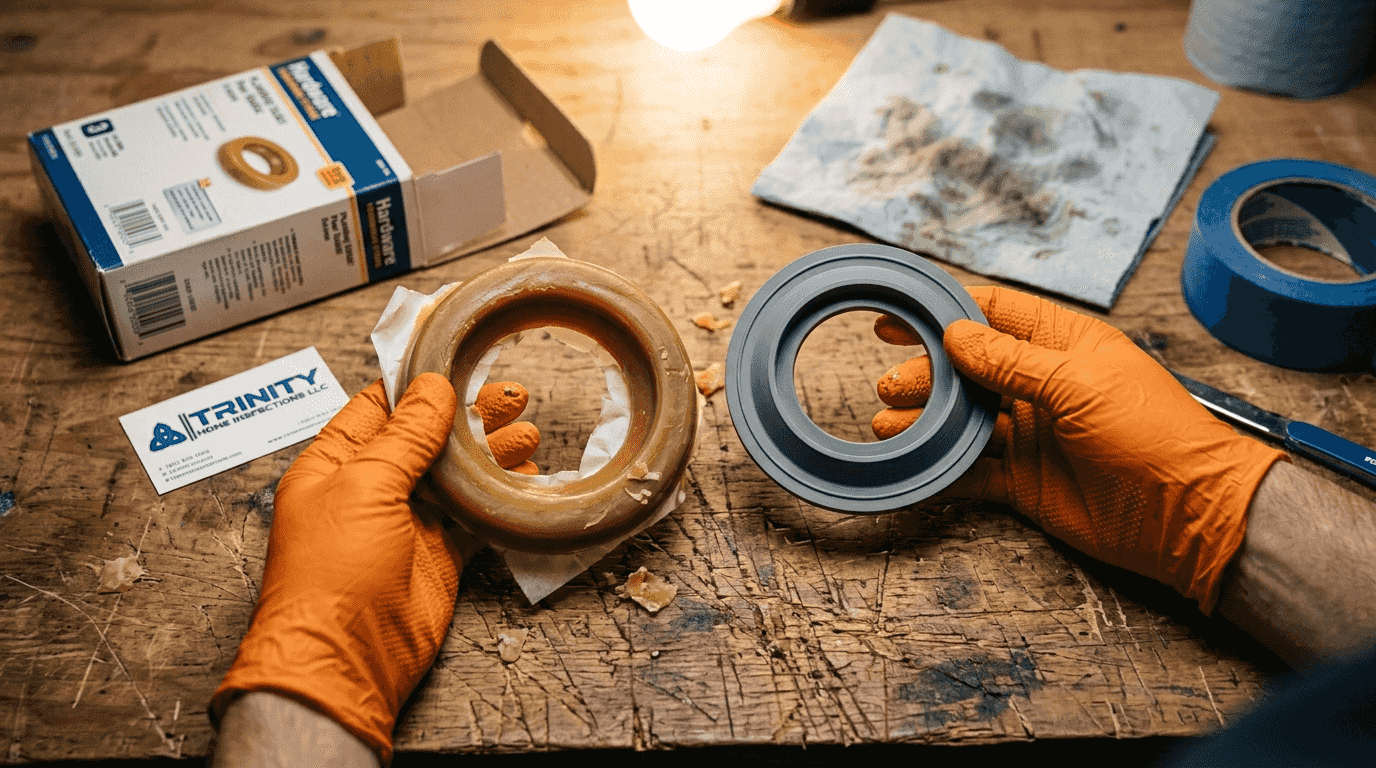
Safety gear protects you when handling old plumbing fixtures that harbor bacteria and sharp edges. Gloves prevent cuts from corroded metal and contact with wastewater residue. Safety glasses shield your eyes from debris when scraping or cutting old materials. These aren’t optional for home safety during any maintenance work.
Pro Tip: Check local building codes before starting. Some Gulf Coast Alabama municipalities require permits for plumbing work, even DIY projects. Baldwin and Mobile counties have specific requirements. A quick call to your local building department saves potential fines and ensures your work meets code.
Verify your water shutoff valve works before you start. Turn it clockwise to close, then try flushing the toilet. If water keeps running, you may need to shut off the main house supply. Know where that shutoff sits and how to operate it. This simple check prevents flooding if something goes wrong during the replacement.
Step-By-Step Guide To Replacing A Toilet Flange In Gulf Coast Alabama
With preparation complete, you’re ready for the actual replacement. Each step builds on the previous one, so don’t skip ahead.
Shut off the water supply. Turn the valve behind the toilet clockwise until tight. Flush the toilet to drain the tank and bowl. Sponge out remaining water from the bowl. Disconnect the supply line from the tank bottom using an adjustable wrench.
Remove the toilet carefully. Pry off the bolt caps at the toilet base. Unscrew the closet bolts holding the toilet down. Rock the toilet gently to break the wax seal, then lift straight up. Toilets weigh 70 to 120 pounds, so get help if needed. Set it on cardboard or old towels to protect your floor and prevent wax transfer.
Remove the damaged flange and clean thoroughly. Scrape away all old wax with a putty knife. You need a completely clean surface for the new seal. If the old flange is metal and corroded, you may need to cut it out with a hacksaw. For PVC flanges, unscrew the mounting screws and pry it off. Remove any broken pieces stuck in the drain pipe. Stuff a rag into the open drain pipe to block sewer gas and prevent dropped screws from falling in.
Check and adjust flange height. Proper flange height sits flush with or slightly above your finished floor. If you’ve added tile or new flooring since the original installation, the flange may sit too low. Use flange extenders or spacer rings to raise it to the correct height. A flange sitting below floor level prevents proper seal compression, guaranteeing future leaks.
Install the new flange securely. Match your new flange to the drain pipe material. PVC flanges glue onto PVC pipes with primer and cement. ABS flanges use ABS cement. For cast iron pipes, use a repair flange that fits inside or clamps around the existing pipe. Position the flange so the slots for closet bolts align perpendicular to the wall. Secure it to the floor with corrosion-resistant screws driven into the subfloor, not just the tile or finished floor.
Place the seal and set the toilet. Remove the rag from the drain pipe. Place your wax ring or rubber seal onto the flange, centered over the drain opening. Some seals have a plastic horn that fits into the drain for extra security. Insert new closet bolts into the flange slots, securing them with the provided washers. Carefully lower the toilet straight down onto the flange, aligning the bolt holes in the toilet base with the bolts. Press down firmly and evenly to compress the seal.
Tighten bolts properly and reconnect water. Place washers and nuts onto the closet bolts. Tighten bolts in an alternating pattern to ensure even pressure. Snug them down gradually, testing for toilet stability between adjustments. Stop when the toilet doesn’t rock but before you feel resistance that could crack the porcelain base.
Pro Tip: Never overtighten closet bolts. Porcelain cracks easily under uneven stress. Tighten until snug, then give each bolt just a quarter turn more. Test the toilet by sitting on it and rocking gently. If it moves, tighten another quarter turn and retest.
Reconnect the water supply line and turn on the water. Let the tank fill completely, then flush several times. Check around the base for any water seepage. If you see moisture, you may need to tighten the bolts slightly more or reset the toilet with a new seal. Small adjustments now prevent major leaks later.
For homeowners dealing with other plumbing concerns like PEX repairs, the same attention to detail and proper materials makes all the difference in long-term performance.
Post-Replacement Checks And Maintenance Tips To Prevent Future Leaks
Installation is only half the job. Verification and ongoing maintenance ensure your work lasts and prevents future problems.
Watch for these signs of improper installation:
Water appearing at the base after multiple flushes
Toilet rocking or shifting when weight is applied
Sewer gas smell returning within days
Uneven gaps between toilet base and floor
Loose or stripped closet bolt nuts
These symptoms indicate the seal isn’t compressed properly, the flange sits at the wrong height, or bolts weren’t tightened correctly. Address them immediately before water damage spreads.
Common Mistake | Problem It Causes | How To Avoid It |
Flange below floor level | Seal can’t compress, allows leaks | Use extenders to raise flange flush with floor |
Wrong seal type for conditions | Melting wax or inadequate seal | Choose rubber/synthetic for Gulf Coast heat |
Overtightened bolts | Cracked toilet base | Tighten gradually, stop at first resistance |
Skipping subfloor inspection | Hidden rot weakens floor | Check and repair subfloor damage before installing |
Regular inspection catches problems early, before they become expensive. Check your toilet quarterly for these maintenance items:
Gently rock the toilet to test for looseness
Look for water stains or discoloration on the floor nearby
Sniff for sewer gas odors that weren’t present before
Inspect the caulk line where toilet meets floor for gaps
Verify bolt caps are in place and bolts remain snug
Maintenance extends flange life significantly in coastal environments. Apply a thin bead of waterproof silicone caulk around the toilet base front and sides, leaving a small gap at the back. This prevents surface water from seeping under the toilet while allowing any flange leaks to escape and become visible. Hidden leaks cause far more damage than visible ones.
For comprehensive plumbing health, consider sewer line inspections that identify connected issues. A cracked sewer line creates backpressure that stresses toilet flanges. Similarly, scheduling professional home inspections during home purchases reveals hidden plumbing problems before you commit to the property.
Corrosion prevention in Gulf Coast Alabama homes requires proactive measures. If you must use metal flanges, apply marine-grade anti-corrosion coating annually. Better yet, replace aging metal flanges with PVC or ABS versions during bathroom remodels. The modest upfront cost prevents future emergency replacements and water damage repairs.
Protect Your Home With Professional Plumbing And Inspection Services
While DIY flange replacement saves money, some situations demand professional expertise. Trinity Home Inspections brings InterNACHI-certified inspection services to Gulf Coast Alabama homeowners who want confidence in their plumbing systems.

Our permit and deed search services verify that previous plumbing work met local building codes, protecting you from inheriting unpermitted modifications. Sellers benefit from pre-listing inspections that identify flange issues and other problems before they derail negotiations. We catch what quick walkthroughs miss.
Our sewer scope inspections use specialized cameras to examine your entire drain system, revealing root intrusion, pipe collapse, or blockages that stress toilet flanges. These problems often hide until catastrophic failure occurs. Thermal imaging included in every inspection spots moisture patterns behind walls and under floors, evidence of slow leaks from failing flanges.
We serve Mobile, Baldwin, Escambia, Washington, Monroe, and Clarke counties with same-day reports packed with photos and video. You get actionable findings, not vague statements. Our faith-based values mean we treat your home like our own family’s, delivering honest assessments that help you make informed decisions about repairs and maintenance.
What Signs Indicate I Need To Replace My Toilet Flange?
What are the most common signs of a failing toilet flange?
A toilet that wobbles when you sit down is the clearest sign. Water pooling around the base after flushing, persistent sewer odors, and visible cracks or rust on the flange itself all indicate replacement is needed. Don’t wait for these symptoms to worsen, as they lead to subfloor damage.
When is flange replacement absolutely necessary?
Replace the flange immediately if it’s cracked, heavily corroded, or pulling away from the floor. If you see daylight through the flange or notice it sitting significantly below your floor level after renovations, replacement prevents guaranteed leaks. Loose flanges that won’t hold bolts tight also require replacement, not just tightening.
How often should I inspect my toilet flange?
Check quarterly by gently rocking the toilet and looking for water stains or odors. Professional plumbing inspections during home purchases or every five years catch problems early. Gulf Coast Alabama’s corrosive environment makes regular inspection more important than in inland areas.
Do I need to replace the flange after installing new flooring?
Often yes, especially if the new floor raises the finished height. Flanges must sit flush with or above the floor for proper seal compression. If your new tile or vinyl raises the floor level, use flange extenders or replace with a taller flange to maintain correct height.
Can improper bolt tightening damage the flange?
Absolutely. Overtightening cracks the toilet base and can break the flange or strip the bolt slots. Undertightening allows movement that wears the wax seal and loosens the flange over time. Tighten just until snug with no rocking, then stop.
Can I Replace The Toilet Flange Myself Or Should I Hire A Professional?
Is DIY flange replacement realistic for homeowners?
Yes, if you have basic plumbing knowledge, proper tools, and patience to follow steps carefully. Safety gear is essential when working with old fixtures. Most homeowners complete the job in three to four hours with no prior experience.
When should I hire a licensed plumber instead?
Hire a professional if you discover extensive subfloor rot, cast iron pipe damage, or multiple plumbing issues during removal. If you’re unfamiliar with local building codes or the required permit process in your Gulf Coast Alabama county, a licensed plumber ensures code compliance. Complex damage like cracked drain pipes requires expertise beyond basic flange replacement.
What advantages do professionals offer?
Licensed plumbers spot hidden water damage that DIYers often miss. They guarantee their work, carry insurance for accidental damage, and know local code requirements. Professionals complete the job faster and handle unexpected complications without additional research or tool purchases. For homes being sold or recently purchased, professional documentation adds value.
Are permits required for toilet flange replacement in Gulf Coast Alabama?
Requirements vary by municipality. Some counties require permits for any plumbing work involving drain connections, while others exempt simple fixture replacements. Call your local building department before starting. Unpermitted work can complicate future home sales and void insurance claims for water damage.
How Does Coastal Climate Affect The Lifespan Of Toilet Flanges?
Why do coastal areas experience faster flange failure?
Coastal salt air reduces metal flange lifespan by accelerating oxidation and corrosion. Gulf Coast humidity keeps metal continuously damp, promoting rust formation. Even brass and stainless steel suffer in these conditions, though they last longer than cast iron or steel.
Which flange materials resist coastal corrosion best?
PVC and ABS plastic flanges resist salt air corrosion completely. They don’t rust, pit, or corrode regardless of humidity or salt exposure. These materials handle Gulf Coast conditions far better than any metal option, making them the smart choice for replacements and new installations.
What maintenance extends flange life in coastal homes?
Inspect quarterly for early corrosion signs on metal flanges. Apply marine-grade anti-corrosion coating to exposed metal surfaces annually. Replace aging metal flanges with PVC versions before failure occurs. Ensure bathroom ventilation works properly to reduce humidity that accelerates corrosion throughout your plumbing system.
What happens if I ignore coastal corrosion on my flange?
Unchecked corrosion weakens the flange until it cracks or pulls away from the floor completely. This creates major leaks that rot subfloors, damage ceiling joists below, and promote mold growth. Structural bathroom damage from ignored flange failure can cost ten times more than proactive replacement.
Recommended