
How to Unclog a Drain: Sinks, Tubs, and More


You’re enjoying a peaceful evening when your kitchen sink backs up again, spreading dirty water across the counter. Clogged drains plague Gulf Coast Alabama homeowners constantly, but expensive chemical cleaners damage pipes and threaten your family’s safety. This guide shows you natural, effective home remedies using baking soda, vinegar, and basic tools you already own to restore proper drainage quickly without harsh chemicals or professional service calls.
Key takeaways
Point | Details |
Natural remedies clear most clogs | Baking soda and vinegar combinations dissolve debris safely without damaging pipes. |
Mechanical tools handle stubborn blockages | Plungers and drain snakes physically remove clogs when chemical reactions aren’t enough. |
Skip chemical drain cleaners | These products corrode pipes and create toxic hazards, especially in older Gulf Coast plumbing systems. |
Recognize professional help signals | Persistent clogs after two attempts or multiple slow fixtures require expert inspection. |
Maintenance prevents future problems | Weekly hot water flushing and proper disposal habits keep drains flowing freely. |
Understanding Clogged Drains
Gulf Coast Alabama’s water carries high mineral concentrations that accumulate inside pipes over time, creating stubborn deposits that trap other debris. Your drains face constant assault from multiple sources throughout daily household activities.
Common culprits causing blockages include:
Grease and cooking oils that solidify as they cool
Hair strands that collect and form dense mats
Soap scum that binds with minerals to create thick residue
Food particles and organic matter that decompose slowly
Mineral deposits from hard water that narrow pipe diameter
Many Gulf Coast homes feature older plumbing materials like galvanized steel or cast iron that require gentler treatment than modern PVC systems. Chemical drain cleaners damage plumbing, especially older pipes common in Gulf Coast Alabama homes, corroding metal surfaces and creating leaks over time. These harsh products also produce toxic fumes and can cause severe burns if they splash during application.
Understanding your local water chemistry and plumbing materials helps you select remedies that work effectively without causing additional damage. If you suspect deeper issues beyond surface clogs, checking for sewer line inspection signs can prevent expensive repairs later. Similarly, maintaining your AC condensation drain line prevents water damage and improves system efficiency.
Now that you understand why clogs form here, let’s prepare by gathering the necessary materials and equipment.
Prerequisites: what you need before you start
Successful drain clearing starts with proper preparation and the right supplies within easy reach. Gathering everything beforehand prevents frustrating interruptions once you begin treatment.
Item Category | Specific Items | Purpose |
Natural cleaners | Baking soda, white vinegar, table salt | Chemical reaction to break down clogs |
Tools | Sink plunger, drain snake (optional) | Mechanical blockage removal |
Safety gear | Rubber gloves, safety glasses | Protection from debris and splashes |
Water source | Kettle or pot for boiling water | Flushing and dissolving grease |
Essential household ingredients include:
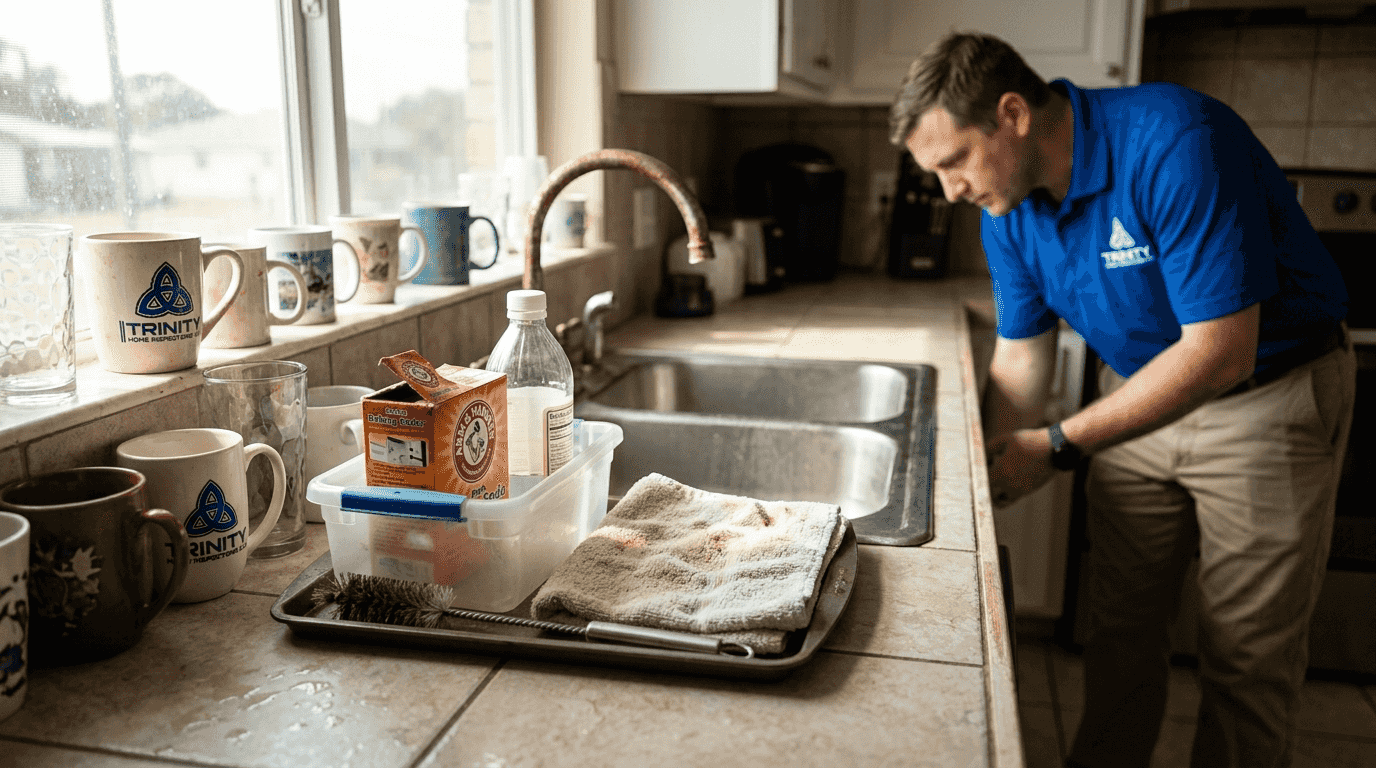
One cup of baking soda (sodium bicarbonate)
One cup of white vinegar (5% acidity)
Half cup of table salt
Two to three quarts of boiling water
Your basic tool kit should contain a standard sink plunger with a flat rubber cup designed for flat surfaces. For tougher blockages, a hand crank drain snake (also called an auger) reaches 15 to 25 feet into pipes to break up or extract solid obstructions. If you’re working with older fixtures, knowing how to remove a tub drain provides access for more thorough cleaning.
Safety preparations matter just as much as supplies:
Wear rubber gloves to protect hands from bacteria and debris
Put on safety glasses to shield eyes from splashing solutions
Ensure good ventilation by opening windows or running exhaust fans
Check pipe materials and joints for visible damage before applying force
Keep children and pets away from the work area
Pro Tip: Set all materials on a waterproof tray or towel beside the sink before starting. This organization prevents water damage to cabinets and keeps everything within arm’s reach during treatment.
With the right supplies ready, you can follow detailed step by step methods to clear your clogged drain safely.
Step by step home remedies for clearing clogged drains
These proven methods use simple chemistry and mechanical action to restore drainage without harsh chemicals. Follow each step completely before moving to the next for best results.
Step 1: Apply the baking soda and vinegar reaction
Remove standing water from the sink using a cup or small bucket.
Pour exactly one half cup of baking soda directly into the drain opening.
Immediately follow with one half cup of white vinegar.
Cover the drain with a wet cloth or stopper to contain the fizzing reaction.
Wait 15 to 30 minutes while carbon dioxide bubbles loosen debris.
Step 2: Flush with salt and boiling water
Boil two to three quarts of water in a large pot or kettle.
Add one half cup of table salt to the boiling water and stir until dissolved.
Remove the drain cover and carefully pour the hot salt solution down the drain.
Adding salt before boiling water enhances grease removal by breaking down fats and lubricating pipe surfaces.
Let hot water flow for 30 seconds to flush loosened material.
Treatment Step | Wait Time | Expected Result |
Baking soda + vinegar | 15 to 30 minutes | Fizzing breaks down organic matter |
Salt + boiling water | Immediate flush | Dissolves grease and washes debris |
Plunger application | 2 to 3 minutes | Dislodges softened blockage |
Drain snake insertion | As needed | Physically extracts solid clogs |
Step 3: Use mechanical plunging
Fill the sink with three to four inches of water to create a seal.
Position the plunger directly over the drain opening.
Push down firmly but smoothly, then pull up sharply to create suction.
Repeat 10 to 15 times with steady rhythm and consistent pressure.
Test drainage by running hot water for one minute.
Step 4: Deploy the drain snake for stubborn clogs
Insert the snake cable slowly into the drain until you feel resistance.
Rotate the handle clockwise while applying gentle forward pressure.
When you hit the clog, continue cranking to break it up or hook it.
Slowly withdraw the snake, pulling trapped debris with it.
Flush thoroughly with hot water to clear remaining fragments.
Pro Tip: Always wait the full recommended time between steps to maximize remedy effectiveness. Rushing reduces the chemical reaction’s power and wastes your effort.
Test water flow after each treatment step. If drainage remains slow after two complete attempts, stop to prevent potential pipe damage. For kitchen sinks with garbage disposals, specific techniques for clearing a clogged kitchen sink disposal prevent motor damage while removing blockages.
Once you’ve tried these methods, learn about common mistakes to avoid and how to troubleshoot persisting clogs effectively.
Common mistakes and troubleshooting
Even well intentioned DIY efforts can backfire when homeowners make these frequent errors. Recognizing and avoiding these pitfalls protects your plumbing investment.
Critical mistakes to avoid:
Never mix chemical drain cleaners with baking soda or vinegar treatments, as this creates dangerous fumes and violent reactions
Don’t apply excessive force with plungers or snakes, which can crack pipes or damage joints
Avoid skipping the waiting period after applying baking soda and vinegar, as this prevents the full chemical reaction
Stop after two unsuccessful home remedy attempts rather than repeatedly forcing solutions
Don’t ignore warning signs like persistent slow drainage, gurgling sounds, or sewage odors
Chemical drain cleaner misuse has caused a 37% increase in pipe damage reports over five years, highlighting risks when homeowners combine incompatible products. The corrosive interaction between commercial cleaners and natural remedies generates heat and pressure that weakens pipe walls.
Pro Tip: If you encounter resistance beyond normal friction when using a drain snake, stop immediately rather than forcing the tool forward. Excessive pressure can puncture older pipes or push clogs deeper into the system.
Recognize these troubleshooting signals:
Water drains slowly even after treatment indicates partial blockage remains
Multiple fixtures backing up simultaneously suggests main line problems
Foul odors persisting after clearing point to organic buildup in pipe bends
Water returning through other drains means venting issues or deep clogs
Using harsh chemical cleaners can often cause more harm than good, especially in older plumbing systems.
When home remedies fail twice, you’re likely dealing with a clog beyond typical household blockages. Continuing DIY attempts at this point risks creating bigger problems that cost more to fix professionally. The money you save by stopping early far exceeds the cost of a proper repair.
After understanding these pitfalls, know when it’s necessary to call in professional help and what that entails.
When to call a professional and what to expect
Recognizing the limits of home remedies saves you from causing expensive damage to your plumbing system. Certain situations require professional expertise and specialized equipment.
Call a licensed plumber immediately when:
Clogs persist after two complete home remedy attempts
Multiple fixtures drain slowly or back up simultaneously
You hear gurgling sounds from toilets when using sinks
Sewage odors permeate your home despite surface cleaning
Water backs up into other drains when you run water
You notice water pooling in your yard near sewer lines
Professional plumbers bring diagnostic tools that pinpoint problems beyond visual inspection. Sewer scope inspections use waterproof cameras to explore your entire drain system, revealing tree root intrusions, collapsed pipes, or severe mineral buildup that home remedies cannot address. These video inspections provide clear evidence of problems and help plumbers recommend appropriate repairs.
Delaying professional intervention when you need it compounds damage and multiplies repair costs. A simple $200 drain cleaning today prevents a $5,000 pipe replacement next year when roots completely destroy your sewer line. Professional plumbers also carry proper insurance and licensing, protecting you from liability if something goes wrong during repairs.
What to expect during professional service:
Thorough drain camera inspection to identify exact blockage location and type
Motorized augers or hydro jetting equipment for deep cleaning
Pressure testing to verify proper water flow after clearing
Recommendations for preventive maintenance or necessary repairs
Written estimates before major work begins
Professional clearing typically takes one to three hours depending on blockage severity and accessibility. Most plumbers offer emergency services for urgent backups, though these cost more than scheduled appointments. Regular maintenance visits catch small problems before they escalate into emergencies.
Finally, learn what results you can realistically expect from home remedies and how to maintain drains to prevent future clogs.
Expected results and maintenance tips
Understanding realistic outcomes helps you gauge whether home remedies are working or if you need professional intervention. Most minor household clogs respond well to natural treatments when applied correctly.
Typical results from successful home remedies:
Water drainage returns to normal speed within 15 to 30 minutes of treatment
Complete elimination of standing water in sinks and tubs
Disappearance of unpleasant odors from drain openings
No gurgling sounds when water flows down the drain
Consistent drainage across multiple uses without slowing
If you see these positive signs, your treatment worked. Continue monitoring drainage for several days to ensure the clog doesn’t reform. Partial improvement suggests you loosened but didn’t fully clear the blockage, warranting a second treatment attempt.
Preventive maintenance strategies that work:
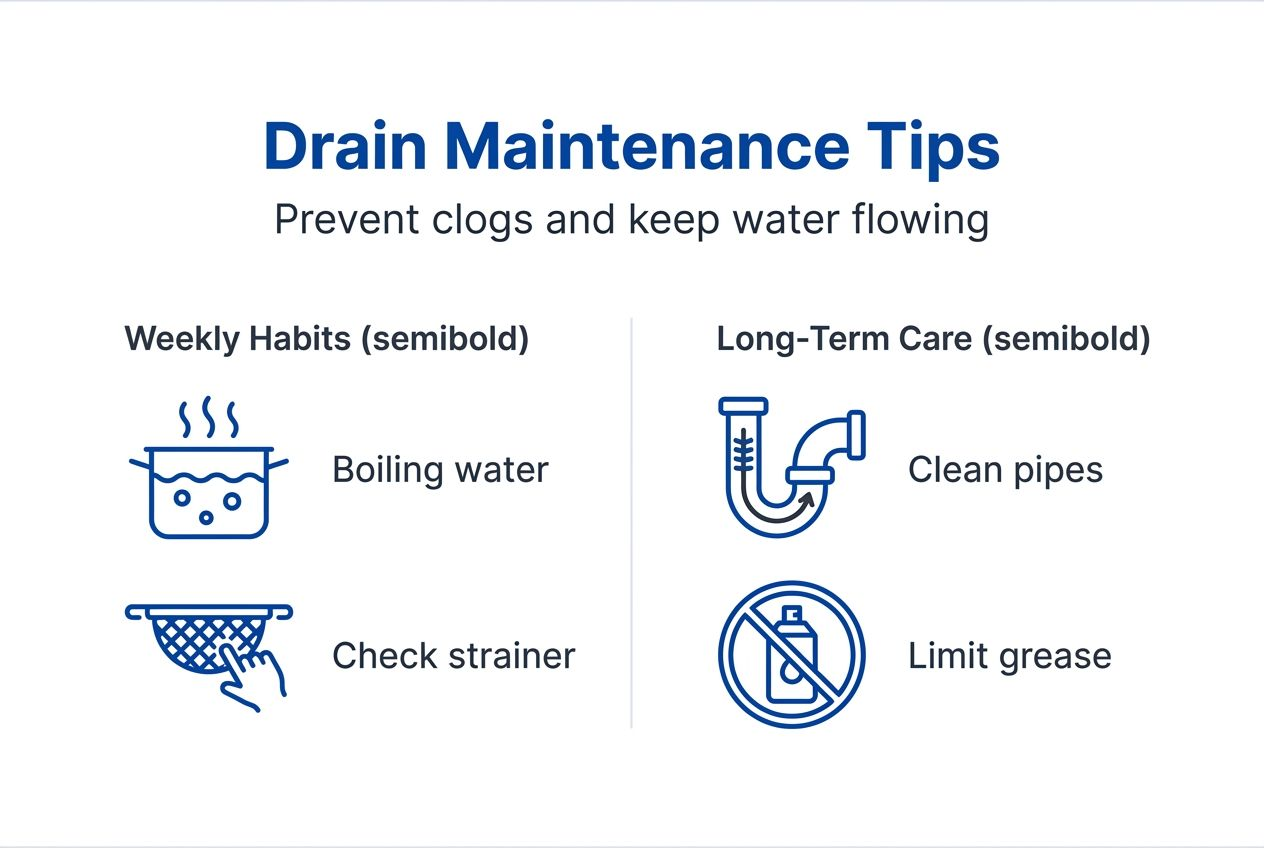
Flush drains weekly with boiling water to dissolve grease before it hardens
Use mesh strainers in all sinks and tubs to catch hair and food particles
Never pour cooking grease or oil down drains; dispose in sealed containers
Run cold water for 30 seconds after using garbage disposals
Perform monthly baking soda and vinegar treatments as preventive cleaning
Clean pop up stoppers and drain covers every two weeks
Watch for early warning signs indicating developing clogs:
Slightly slower drainage that worsens gradually over days
Small amounts of standing water that take minutes to drain
Bubbling sounds when running water nearby
Mild odors that appear intermittently
Addressing these early signals with immediate hot water flushing often prevents full blockages from forming. Think of drain maintenance like changing your car’s oil: regular small efforts prevent expensive catastrophic failures.
Consistent attention to what goes down your drains dramatically reduces clog frequency. Treating your plumbing system with care extends its lifespan and maintains home value. When you combine smart disposal habits with monthly preventive treatments, most households experience 70% fewer drain problems year over year.
With these tips in mind, consider professional inspection services to keep your plumbing in top shape.
Trinity Home Inspections and plumbing services
While home remedies handle surface clogs effectively, deeper plumbing issues require professional diagnosis and care. Trinity Home Inspections offers sewer scope inspections that reveal hidden problems before they cause expensive emergencies, using waterproof cameras to explore your entire drain system from inside.

Our InterNACHI certified inspectors evaluate complete plumbing systems during home inspections, identifying potential weak points and maintenance needs specific to Gulf Coast Alabama conditions. If you’re selling your home, pre listing seller home inspections catch plumbing issues early, giving you time to address them before buyers discover problems during their inspection. This proactive approach protects your negotiating position and prevents last minute deal complications.
Access to real estate property and permit records helps you understand your home’s plumbing history, including past repairs and upgrades that affect current system performance. These records reveal whether previous owners addressed recurring drain problems or simply applied temporary fixes. Trinity Home Inspections combines modern diagnostic equipment with local expertise to give you complete clarity about your plumbing’s true condition, supporting both DIY maintenance efforts and professional repair decisions.
Frequently asked questions
How do baking soda and vinegar unclog drains?
Baking soda (sodium bicarbonate) is a base that reacts with vinegar (acetic acid) to produce carbon dioxide gas bubbles. These bubbles create physical agitation inside the pipe that loosens debris, hair, soap scum, and grease clinging to pipe walls. The fizzing action reaches into crevices that water alone cannot penetrate, breaking apart compacted material so hot water can flush it away.
Can I use chemical drain cleaners safely in my Gulf Coast Alabama home?
Chemical drain cleaners contain caustic ingredients like sodium hydroxide or sulfuric acid that corrode pipes, especially older Gulf Coast plumbing materials like galvanized steel and cast iron. These products create toxic fumes, risk severe burns from splashing, and often push clogs deeper rather than dissolving them. Natural remedies combined with mechanical tools provide safer, equally effective alternatives that protect your plumbing investment and family’s health.
How often should I perform maintenance to prevent clogged drains?
Flush each drain with boiling water weekly to dissolve grease buildup before it hardens and traps other debris. Clean drain covers and pop up stoppers every two weeks to remove accumulated hair and soap residue. Perform monthly preventive treatments with baking soda and vinegar even when drains flow normally. Avoid disposing of grease, coffee grounds, or fibrous foods down kitchen drains. Regular maintenance reduces clog frequency by 70% compared to reactive approaches.
When is it time to call a professional plumber?
Contact a licensed plumber if clogs persist after two complete home remedy attempts or if multiple fixtures drain slowly simultaneously. Seek professional help immediately for water backing up through other drains, persistent sewage odors, gurgling sounds from toilets, or visible water pooling near your foundation. These symptoms indicate main line blockages, tree root intrusion, or pipe damage that require specialized equipment and expertise beyond typical household tools.
Recommended
