
Entryway Storage Ideas for Organized Homes

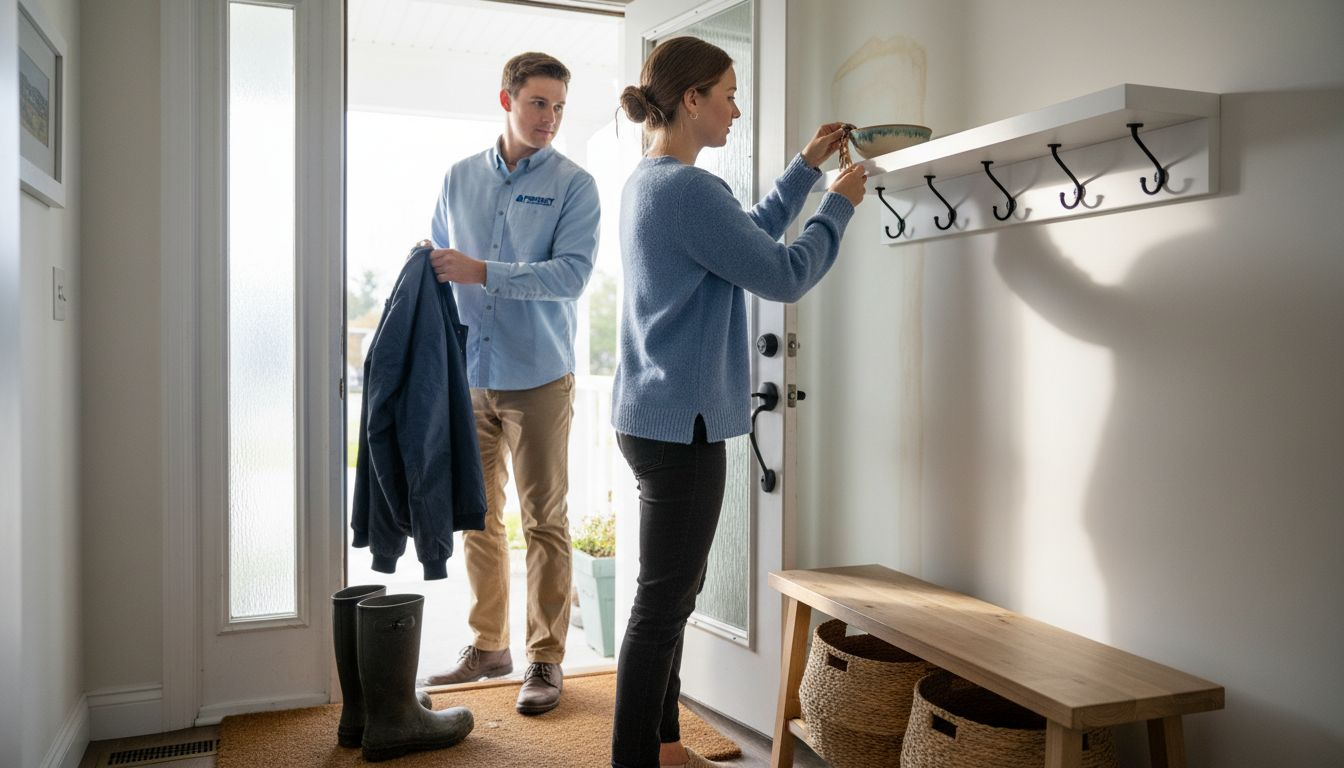
You’ve probably heard entryway storage means bulky furniture eating up precious square footage. That’s outdated thinking. Vertical and multifunctional cabinets can double storage capacity without expanding floor area by more than 20%, perfect for Gulf Coast Alabama homes where humidity and space both pose challenges. This guide shows you how to choose durable materials, maximize limited space, and create an entryway that welcomes you home while keeping clutter at bay.
Key takeaways
Point | Details |
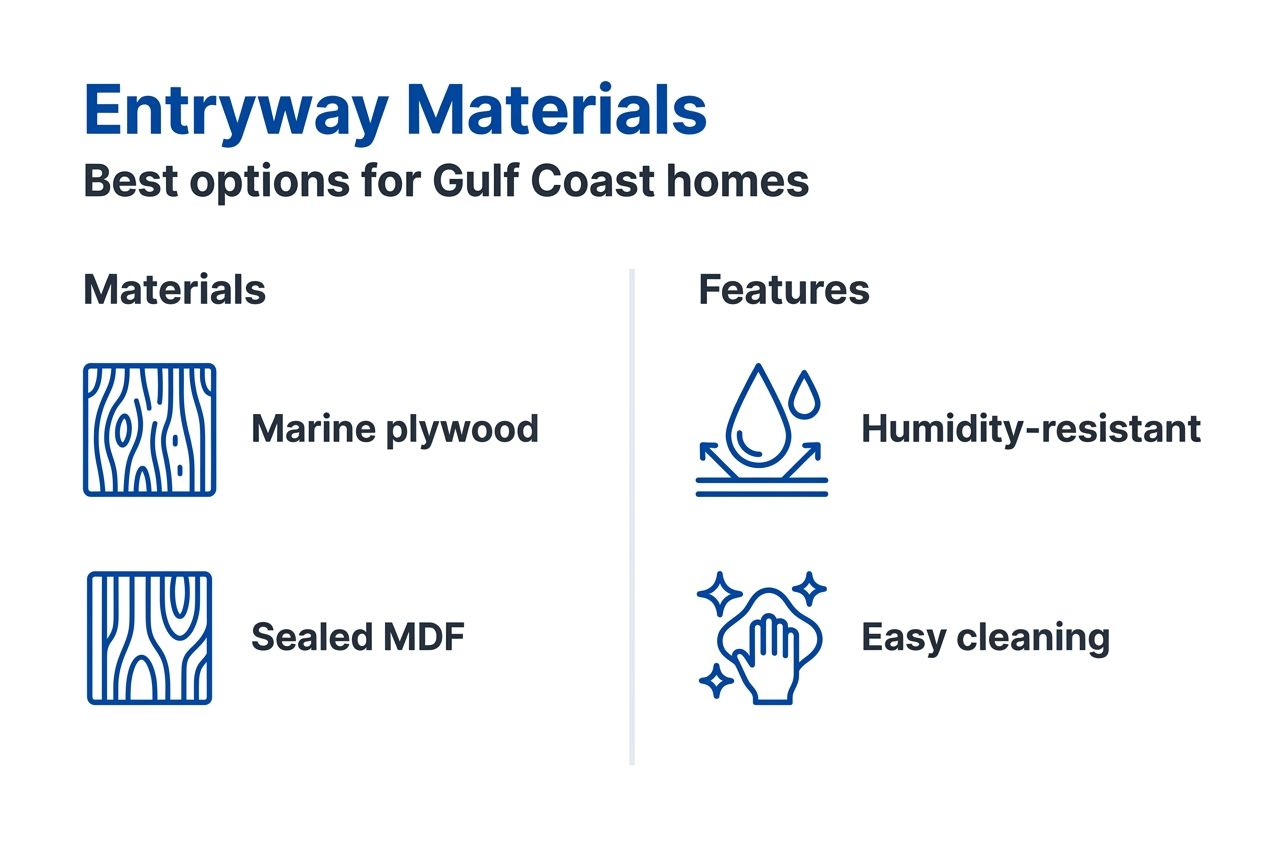
Climate-resistant materials matter | Marine-grade plywood and sealed MDF withstand Gulf Coast humidity and salt air, preventing warping and mold. |
Vertical storage maximizes space | Floor-to-ceiling cabinets and wall-mounted solutions increase capacity by up to 50% without crowding floors. |
Multifunctional furniture boosts efficiency | Benches with hidden storage increase footprint utility by 40%, reducing clutter while adding seating. |
Coastal style enhances appeal | Light colors, natural fibers, and moisture-resistant finishes create inviting, functional entryways. |
Budget-friendly options exist | Freestanding cabinets and DIY built-ins save up to 40% compared to custom installations. |
Material choices suited for Gulf Coast humidity
Gulf Coast Alabama’s salty air and year-round humidity attack standard wood cabinets mercilessly. Within months, untreated materials warp, develop mold spots, and lose structural integrity. Your entryway storage needs to fight back.
Using moisture-resistant materials like marine-grade plywood or sealed MDF prevents warping and damage in humid environments. Marine-grade plywood features waterproof glue between layers, blocking moisture penetration. Sealed MDF, when properly finished with polyurethane or marine varnish, creates a protective barrier against humidity.
Moisture-resistant finishes are equally critical. Apply marine-grade sealant to all exposed surfaces, including backs and bottoms often overlooked during installation. Reapply sealant annually in high-humidity areas. Avoid placing cabinets where they receive direct water exposure from rain or sprinkler systems.
Pro Tip: Check cabinet undersides and backs every three months for early signs of moisture damage like soft spots or discoloration, especially after heavy rain seasons.
Consider these Gulf Coast-appropriate materials:
Marine-grade plywood with waterproof adhesive bonds
Sealed MDF with polyurethane or epoxy finishes
Solid hardwoods treated with marine varnish
Powder-coated metal frames for modern designs
Composite materials engineered for outdoor use
Maintenance extends cabinet life significantly. Wipe down surfaces weekly to remove salt residue. Inspect seals and joints quarterly. Replace weatherstripping around cabinet doors annually. For insights on managing moisture in other home areas, explore our bathroom ventilation tips coastal homes guide.
Maximizing space with vertical and built-in storage
Most Gulf Coast entryways measure 4 to 6 feet wide, leaving little room for sprawling furniture. Think up, not out.
Slim, floor-to-ceiling cabinets with adjustable shelves maximize vertical space in narrow entryways. These designs climb walls instead of consuming floor area, storing shoes, bags, and seasonal items efficiently. Adjustable shelving adapts to changing storage needs without replacing entire units.
Built-in storage uniquely tailored to entryway dimensions offers a streamlined, clutter-free look while protecting items from humid climate. Custom built-ins utilize every inch, including awkward corners and odd-sized nooks standard furniture can’t fill. They integrate seamlessly with walls, creating the illusion of more space.
Wall-mounted shelves and hooks save 20 to 30% of floor space compared to freestanding options. Install hooks at varying heights for coats, bags, and keys. Position shelves above eye level for items used less frequently.
Storage Type | Space Efficiency | Installation Cost | Flexibility | Best For |
Vertical Cabinets | High (50%+ capacity increase) | Medium | Moderate | Narrow entryways |
Built-in Storage | Very High (utilizes 100% of available space) | High | Low | Permanent solutions |
Wall-mounted Shelves/Hooks | High (saves 20-30% floor space) | Low | High | Renters, small budgets |
Freestanding Units | Medium | Low to Medium | Very High | Temporary, flexible needs |
Pro Tip: Install built-in cabinets 2 to 3 inches off the floor to allow air circulation underneath, preventing moisture accumulation common in Gulf Coast homes.
Keep walkways clear by mounting storage vertically:
Floor-to-ceiling shoe cabinets with slatted doors for ventilation
Wall-mounted coat racks with individual hooks spaced 6 inches apart
Floating shelves above doorways for seasonal storage bins
Recessed cabinets built into wall cavities between studs
Pegboard systems for customizable hook placement
For creative ways to use underutilized areas, check out tips on how to maximize under stairs storage gulf coast alabama.
Combining seating with storage for functionality
Your entryway handles daily traffic. Shoes come off, bags drop, keys land. A bench with hidden storage tackles multiple tasks simultaneously. We love doing this in our home!
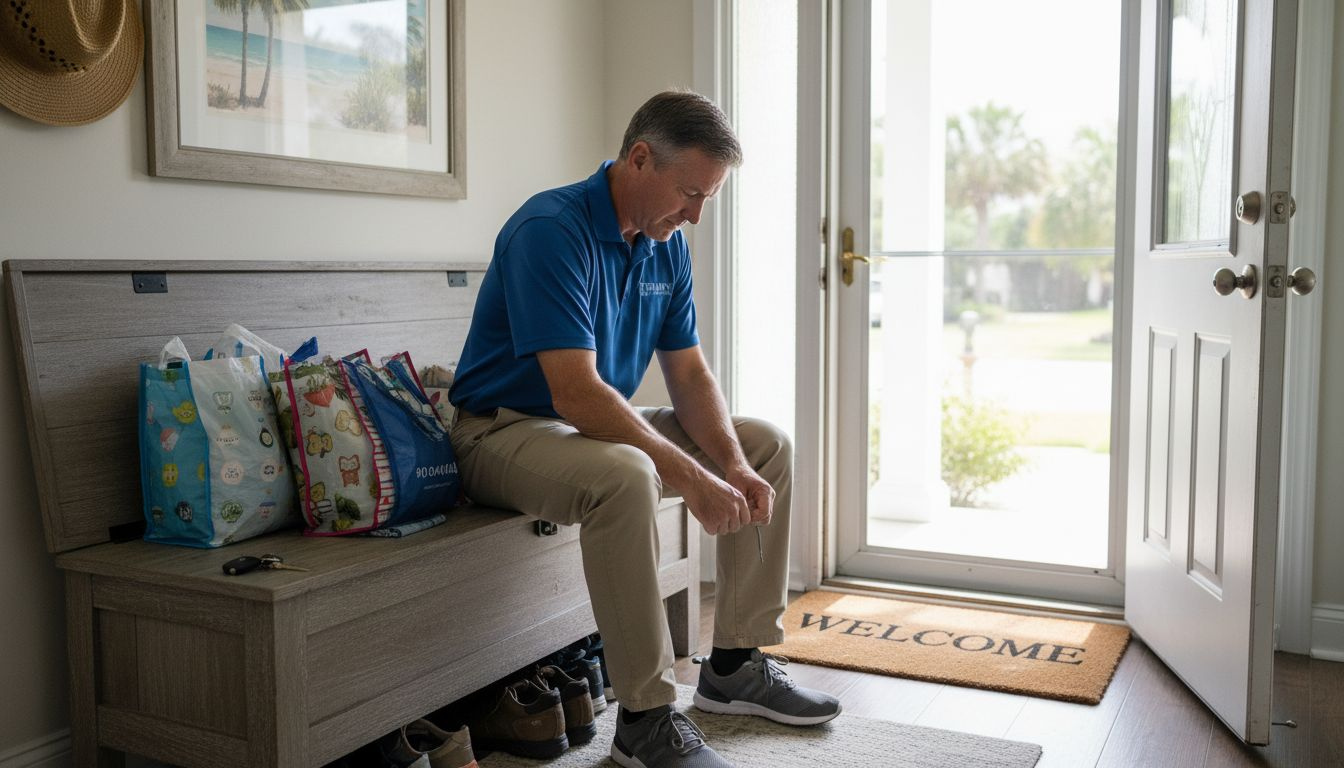
Entryway benches with storage increase functional use of footprint by 40%, improving both convenience and reducing clutter. Lift-up seats reveal compartments for shoes, pet supplies, or seasonal accessories. Drawers beneath seating hold mail, gloves, or small tools.
Multifunctional benches serve practical roles beyond storage. They provide a comfortable spot to remove muddy boots after beach trips. Kids use them to tie shoes before school. Guests appreciate a place to sit while waiting.
Pro Tip: Choose benches with cushioned tops in outdoor-grade fabrics that resist mildew, a common issue in coastal humidity.
Features to prioritize in storage benches:
Lift-up lids with soft-close hinges preventing finger pinches
Ventilated compartments allowing damp shoes to dry
Drawers with full-extension slides for easy access
Moisture-resistant cushion covers in quick-dry fabrics
Sturdy construction supporting at least 250 pounds
Legs elevated 1 to 2 inches for airflow and easier cleaning
Size matters in compact entryways. Measure your space before purchasing. A bench between 36 and 48 inches wide fits most standard entryways without blocking doors. Depth should range from 16 to 18 inches, providing seating comfort without protruding excessively into walkways.
Match bench materials to your cabinet choices for visual cohesion. If you selected sealed MDF cabinets, opt for a bench with similar finishes. Coordinate hardware like handles and hinges across all entryway storage pieces.
Style trends and design tips for coastal entryways
Functionality matters, but your entryway sets the tone for your entire home. Gulf Coast style blends durability with beachy elegance.
Coastal style entryways use light, airy colors with natural fiber rugs and woven light fixtures to complement the environment, integrating well with storage cabinets made from light woods or white finishes. Soft whites, sandy beiges, and ocean blues create calming first impressions while reflecting natural light in often windowless entryways.
Texture adds depth without overwhelming small spaces. Jute rugs tolerate sandy feet and wet shoes. Woven baskets on shelves store items while adding organic warmth. Rattan accents on cabinet doors introduce coastal character.
Design elements enhancing Gulf Coast entryways:
White or light gray painted cabinets with brushed nickel hardware
Natural wood tones in driftwood or weathered oak finishes
Glass cabinet doors showcasing curated shell collections
Shiplap accent walls complementing vertical storage
Nautical rope handles on drawers and cabinet pulls
Coastal artwork featuring local beaches or marine life
Cabinet Material/Finish | Coastal Style Integration | Maintenance Level | Humidity Resistance |
White-painted sealed MDF | Excellent (crisp, clean look) | Medium (requires touch-ups) | High |
Light natural wood (sealed) | Excellent (warm, organic feel) | Medium (annual resealing) | High |
Weathered gray stain | Very Good (beachy, relaxed vibe) | Low (hides wear well) | High |
Glass-front cabinets | Good (displays coastal decor) | Medium (fingerprint cleaning) | Medium |
Balance style with practicality. Open shelving looks beautiful but collects dust quickly in sandy coastal areas. Mix open and closed storage, displaying decorative items behind glass while hiding everyday clutter in solid cabinets.
Lighting transforms entryway ambiance. Install warm LED fixtures inside glass-front cabinets, highlighting stored items. Add motion-sensor lights in cabinet interiors for convenience when grabbing items in dim morning hours.
Common misconceptions in entryway storage
Let’s clear up beliefs that limit your entryway’s potential.
Myth one: effective storage requires bulky furniture. Wrong. Vertical storage solutions can double storage capacity without increasing floor area by more than 20%. Slim cabinets stretching ceiling-high hold more than wide, short units while preserving walking space.
Myth two: any wood works fine. Coastal humidity destroys untreated materials. Standard particleboard cabinets warp within months. Marine-grade materials cost more upfront but last years longer, saving replacement expenses and frustration.
Vertical storage transforms cramped entryways into organized, functional spaces without sacrificing the open feel essential in coastal homes.
Myth three: organization is purely aesthetic. Function matters more. Well-organized entryways save time daily. You find keys immediately. Shoes have designated spots. Mail doesn’t pile up on counters. This efficiency reduces stress and improves household flow.
Misconception | Reality | Impact on Gulf Coast Homes |
Bulky furniture needed for storage | Vertical, slim designs double capacity with minimal footprint | Preserves precious floor space in compact entryways |
Any wood material works | Humidity demands marine-grade or sealed materials | Prevents costly warping and mold damage |
Organization is just about looks | Function drives daily efficiency and stress reduction | Saves time and maintains home value |
Built-ins are only for large budgets | DIY and freestanding options offer similar benefits | Makes quality storage accessible to renters and budget-conscious owners |
Debunking these myths:
Compact doesn’t mean insufficient; smart design maximizes every inch
Climate-appropriate materials are investments, not luxuries
Organization systems adapt to your lifestyle, not vice versa
Professional-looking results are achievable on modest budgets
Practical application: budget-friendly and DIY entryway storage ideas
You don’t need thousands of dollars or contractor skills to organize your entryway effectively.
Affordable entryway storage solutions like freestanding cabinets and DIY built-in hacks cater to renters and budget-conscious homeowners without sacrificing style or function. Freestanding units move with you, perfect for rental properties. DIY modifications to existing furniture create custom storage at fraction of professional installation costs.
Freestanding options delivering results:
Tall narrow bookcases repurposed with baskets for shoe storage
Metal lockers providing individual compartments for family members
Cube storage systems configured vertically with fabric bins
Vintage armoires retrofitted with hooks and shelves
Industrial pipe shelving units with wood planks
Rolling carts tucked beside doors for keys and mail
DIY built-in hacks save 40% compared to custom cabinetry. Purchase ready-to-assemble cabinets from home improvement stores. Secure them to walls for stability. Add crown molding and baseboards matching existing trim. Paint to coordinate with walls. The result mimics expensive custom work at budget-friendly prices.
Pro Tip: Use L-brackets to anchor freestanding units to walls, preventing tip-overs while maintaining renter-friendly removability when you move.
Simple modifications enhance functionality without permanent changes. Add adhesive hooks inside cabinet doors for umbrellas. Install battery-operated LED strips under shelves for visibility. Attach small bins to cabinet sides with removable mounting tape for frequently used items.
Maintain coastal style on tight budgets by shopping secondhand. Thrift stores and estate sales offer solid wood furniture needing only fresh paint and new hardware. Seal finds properly for humidity resistance. The character of vintage pieces adds charm while saving money.
When ready to move beyond DIY or planning home improvements, learn how to schedule a home inspection gulf coast alabama to ensure all modifications meet safety standards.
Enhance your organized home with expert inspection services
You’ve invested time and money creating an organized, functional entryway. Protect that investment with professional home inspection services tailored to Gulf Coast challenges.
Regular inspections identify hidden moisture issues before they damage your carefully chosen storage solutions. Our thermal imaging detects water intrusion behind walls where mold thrives unnoticed. Moisture meters verify suspected leaks near entryways, preventing expensive cabinet replacement.

Whether you’re preparing to sell or maintaining your current home, our pre listing seller home inspections alabama reveal issues buyers will find, giving you control over repairs. Addressing problems proactively strengthens your negotiating position and speeds transactions. Our mold inspections test services include certified lab analysis, providing documentation for remediation if needed. We also offer real estate home permit search deed search services ensuring modifications meet local codes.
Professional home inspections provide peace of mind that your organized, well-maintained home remains safe, functional, and valuable for years to come.
Trinity Home Inspections delivers same-day reports packed with photos and videos, so you understand exactly what needs attention. Our InterNACHI certification and faith-based values mean you receive honest, thorough assessments you can trust.
FAQ
What materials are best for entryway cabinets in humid Gulf Coast homes?
Marine-grade plywood and sealed MDF resist moisture and salt air effectively. Apply moisture-resistant finishes like polyurethane or marine varnish to all surfaces, including backs and bottoms. Reapply sealant annually and inspect quarterly for early damage signs.
How can I maximize storage in a small Gulf Coast entryway?
Install vertical floor-to-ceiling cabinets and wall-mounted shelves or hooks. These solutions increase storage capacity by up to 50% without consuming additional floor space. Built-in designs customized to your exact dimensions utilize every available inch, including awkward corners.
What are budget-friendly options for renters needing entryway storage?
Freestanding cabinets, repurposed bookcases, and metal lockers provide functional storage without permanent modifications. DIY built-in hacks using ready-to-assemble cabinets cost 40% less than custom installations. Secure units to walls with removable L-brackets for stability and safety.
How do multifunctional benches improve entryway organization?
Benches with hidden compartments increase footprint utility by 40%, storing shoes and daily items efficiently. They provide convenient seating for removing footwear and reduce clutter by designating specific spots for bags and accessories. Choose models with ventilated compartments allowing damp items to dry in humid conditions.
Recommended