
Complete Guide to Accredited Home Inspectors

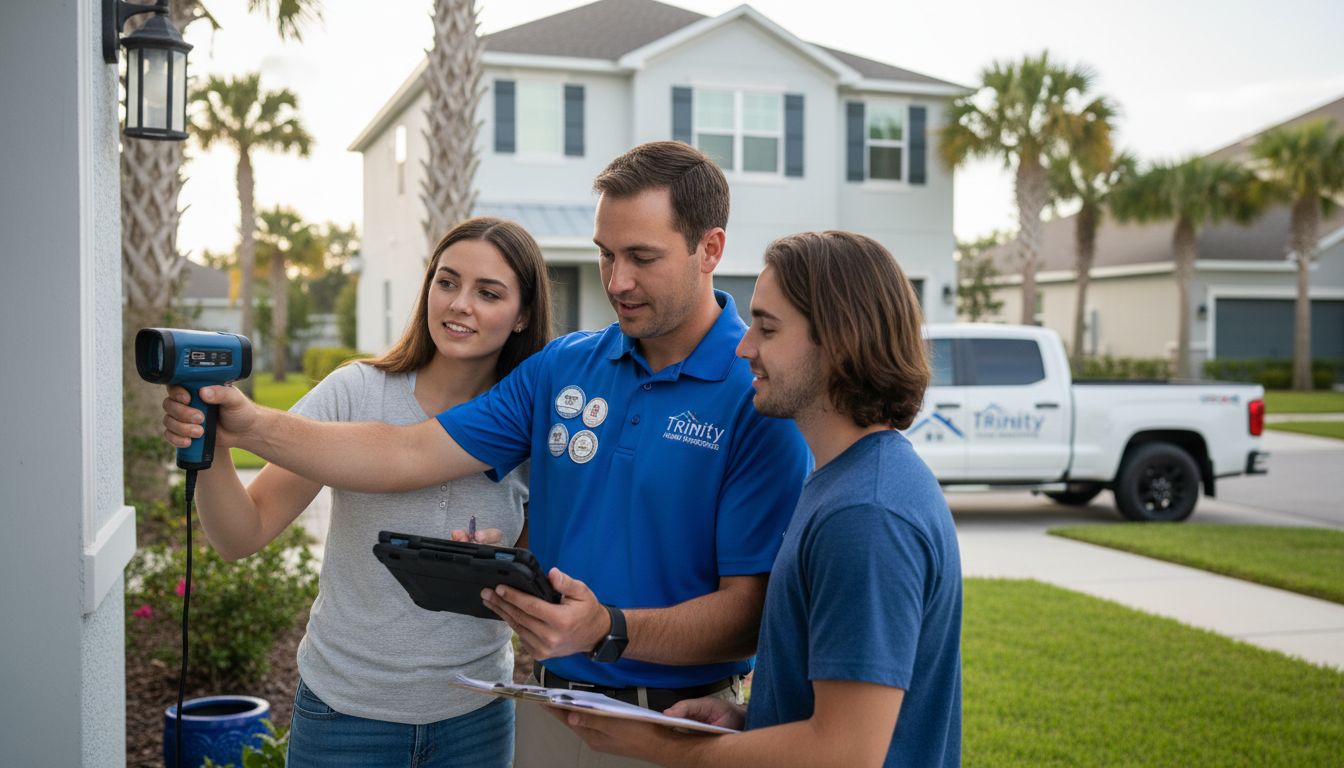
Most american homebuyers are surprised to learn that over 80 percent of real estate transactions include a professional inspection before closing. With so much at stake, knowing the difference between a standard inspector and an accredited expert can shape your entire experience. Choosing the right inspector brings peace of mind and confidence through every step, from understanding risks to protecting your investment with qualified oversight.
Table of Contents
Key Takeaways
Point | Details |
Accredited Inspector Credentials | Accredited home inspectors, such as ASHI Certified Inspectors, meet high standards of technical skill and ethics, ensuring thorough evaluations. |
Types of Certifications | Various certifications, including CPI and ACI, signify expertise in specific inspection areas, aiding homeowners in selecting qualified inspectors. |
Legal Requirements | In Alabama, home inspectors must complete a 120-hour training program and pass the NHIE to obtain licensure, ensuring professional competency. |
Selection Best Practices | Choose certified inspectors with verifiable credentials to avoid pitfalls, such as poor assessments or inadequate insurance coverage. |
What Is an Accredited Home Inspector?
An accredited home inspector is a professional who meets rigorous standards of technical competence, ethical practice, and industry expertise. According to homeinspector.org, these professionals typically hold specialized credentials like the ASHI Certified Inspector (ACI) credential, which is accredited by the National Commission for Certifying Agencies (NCCA).
The certification process involves comprehensive training and evaluation that goes well beyond basic home examination skills. Home inspectors must demonstrate advanced knowledge in structural assessment, electrical systems, plumbing, HVAC functionality, and potential safety hazards. As nachi.org explains, credentials like the InterNACHI Certified Professional Inspector (CPI) indicate that an inspector has passed specific examination and professional training requirements.
Key characteristics of an accredited home inspector include:
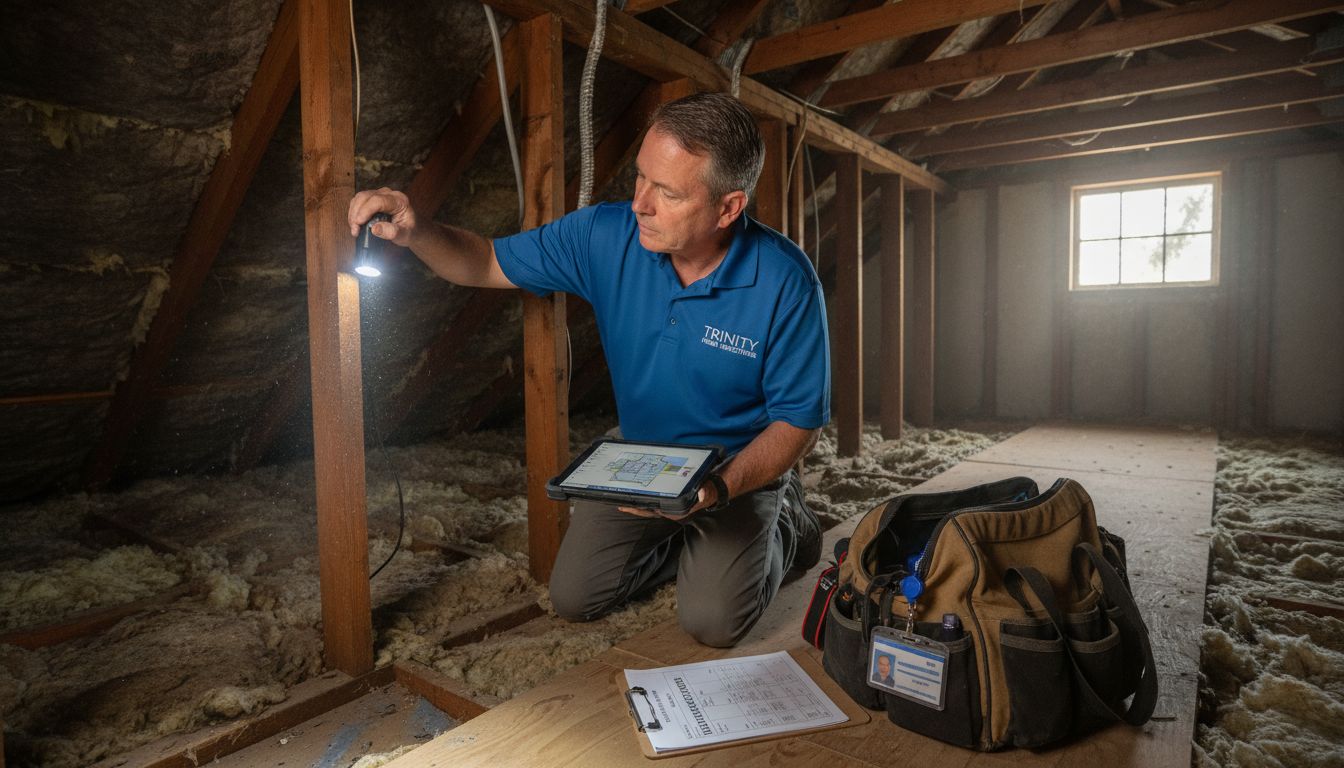
Advanced technical knowledge of residential structures
Professional certifications from recognized industry organizations
Commitment to ongoing education and skill development
Adherence to strict ethical and professional standards
Ability to provide comprehensive, detailed inspection reports
Choosing an accredited home inspector ensures you receive a thorough, professional evaluation of a property’s condition. Learn more about why certified inspectors matter in our guide on advantages of certified inspectors.
Types of Home Inspector Certifications
Home inspector certifications represent professional credentials that demonstrate an inspector’s expertise, knowledge, and commitment to industry standards. nachi.org reveals that organizations like InterNACHI offer over 60 different types of inspector certifications, allowing professionals to specialize and showcase their comprehensive skills across various inspection domains.
Key Certification Types include:
Certified Professional Inspector (CPI): A standard credential indicating comprehensive training and examination
ASHI Certified Inspector (ACI): Recognized by the National Commission for Certifying Agencies (NCCA)
Residential Inspection Certification
Commercial Property Inspection Certification
Specialized Systems Certifications (electrical, HVAC, structural)
According to homeinspector.org, the American Society of Home Inspectors (ASHI) provides the ASHI Certified Inspector (ACI) credential, which represents one of the most respected national certification standards in the industry. This certification signifies that an inspector has met rigorous professional requirements and demonstrated exceptional technical knowledge.
For homeowners and real estate professionals seeking the most qualified inspectors, understanding these certifications is crucial. Learn more about inspector certification details in our comprehensive guide.
Key Qualifications and Industry Standards
Professional home inspector qualifications represent a rigorous framework of educational, experiential, and ethical requirements that ensure high-quality property assessments. According to homeinspector.org, earning a top-tier credential like the ASHI Certified Inspector (ACI) involves meeting extensive professional standards, including passing the National Home Inspector Examination (NHIE) and completing a minimum of 250 fee-paid home inspections that strictly adhere to established Standards of Practice.
The certification process demands comprehensive proof of technical competence and professional integrity. nachi.org outlines that organizations like InterNACHI require candidates to complete specific training programs, pass detailed online examinations, and commit to a strict Code of Ethics. These requirements ensure that certified inspectors possess not just theoretical knowledge, but practical skills and a commitment to maintaining the highest professional standards.
Core Qualification Requirements typically include:
Successful completion of accredited training programs
Passing comprehensive national examinations
Demonstrating practical inspection experience
Submitting professional inspection reports for review
Maintaining ongoing educational certifications
Adhering to strict ethical guidelines
For homeowners and real estate professionals, understanding these rigorous qualification standards provides confidence in the inspector’s ability to deliver thorough, professional property assessments. Explore our comprehensive guide to inspector certification requirements to learn more about what separates top-tier home inspectors from the rest.
How Home Inspections Are Conducted
A home inspection is a comprehensive, systematic evaluation of a property’s condition and functionality. According to en.wikipedia.org, it is a limited, non-invasive examination typically conducted in connection with a home sale, where the inspector prepares and delivers a detailed written report of findings to the client. This process involves a meticulous assessment of multiple home systems and structural components.
homeinspector.org highlights that professional home inspections comprehensively cover critical areas including:
Structural Components: Foundation, walls, roof, and framing
Electrical Systems: Wiring, panels, and circuit functionality
Plumbing Systems: Pipes, fixtures, water pressure, and drainage
HVAC Performance: Heating, ventilation, and air conditioning systems
Interior and Exterior Conditions: Windows, doors, floors, and exterior surfaces
The inspection process typically follows a systematic approach, where inspectors methodically examine each area of the property, documenting potential issues, safety concerns, and maintenance recommendations. Professional inspectors use specialized tools and equipment to conduct thorough assessments, ensuring they can identify both visible and potential hidden problems.
Legal Requirements for Alabama Inspectors
Home inspector licensing in Alabama represents a comprehensive regulatory framework designed to protect consumers and maintain professional standards. According to inspectorslist.com, Alabama requires home inspectors to complete an extensive 120-hour training program and successfully pass the National Home Inspector Examination (NHIE) before obtaining licensure through the Alabama Building Commission.
The licensing process involves several critical requirements that ensure inspectors are fully qualified to provide professional services. ahit.com confirms that Alabama strictly mandates professional licensing, which includes comprehensive training and rigorous examination processes overseen by state regulatory authorities.
Key Legal Requirements for Alabama Home Inspectors include:
Completion of 120 hours of approved training
Passing the National Home Inspector Examination
Obtaining official licensure from the Alabama Building Commission
Maintaining continuing education credits
Adhering to state-specific professional standards
Carrying required professional liability insurance
Professional home inspectors in Alabama must demonstrate ongoing commitment to excellence by staying current with changing regulations and maintaining their professional credentials. Learn more about property inspection workflows in Alabama with our comprehensive guide.
Common Pitfalls and How to Choose Wisely
Home inspection selection can be a minefield of potential risks and costly mistakes. According to homeinspector.org, choosing a certified inspector like an ASHI Certified Inspector (ACI) is crucial for ensuring adherence to high standards of competence and ethics, effectively avoiding common pitfalls associated with unqualified professionals.
nachi.org emphasizes that selecting an inspector with recognized credentials, such as the InterNACHI Certified Professional Inspector (CPI), provides critical assurance that the professional has met rigorous examination and training requirements, significantly reducing the likelihood of inadequate or incomplete property assessments.
Red Flags to Watch For When Choosing a Home Inspector:
Lack of verifiable professional certifications
Absence of comprehensive insurance coverage
Limited or nonexistent professional references
Unwillingness to provide sample inspection reports
Unusually low pricing that seems too good to be true
Minimal experience in local real estate markets
Successful home inspection selection requires careful research, asking the right questions, and prioritizing demonstrated professional expertise over cost. Learn more about essential home inspection best practices for Alabama buyers.
Choose Accredited Home Inspection Services You Can Trust
Navigating the complexities of home buying requires expert guidance from an accredited home inspector you can rely on. This article highlights the importance of selecting professionals with certifications like ASHI Certified Inspector or InterNACHI CPI who meet rigorous standards for knowledge and ethics. At Trinity Home Inspections, we understand these challenges and are dedicated to delivering thorough, unbiased evaluations that give you confidence in your home investment.

Don’t leave one of your largest investments to chance. Experience the peace of mind that comes with knowing your home inspection meets the highest industry standards. Visit our website to discover how our team’s commitment to integrity and excellence can safeguard your property purchase today. Get started now with Trinity Home Inspections and explore our comprehensive guides on certified inspectors and inspection best practices for Alabama buyers. Make the smart choice for your future.
Frequently Asked Questions
What is the role of an accredited home inspector?
An accredited home inspector is a professional who evaluates the condition and safety of a property, ensuring that it meets certain standards through rigorous training and certification.
How do I know if my home inspector is accredited?
You can verify if a home inspector is accredited by checking for certifications from recognized industry organizations such as ASHI or InterNACHI, which offer credentials like the Certified Professional Inspector (CPI) or ASHI Certified Inspector (ACI).
What are the common certifications for home inspectors?
Common certifications for home inspectors include Certified Professional Inspector (CPI) from InterNACHI and ASHI Certified Inspector (ACI) from the American Society of Home Inspectors, indicating that they have met professional standards and passed specific exams.
What should I expect during a home inspection?
During a home inspection, you can expect a thorough evaluation of various systems and components of the property such as structural elements, electrical systems, plumbing, and HVAC performance, with a detailed report provided afterward.
Recommended