
Chinese Drywall Inspection: Protect Your Gulf Coast Home
- Matt Cameron
- May 2
- 11 min read

TL;DR:
Chinese drywall, used extensively in Gulf Coast Alabama homes between 2004-2009, causes corrosion and health concerns.
Specialized inspections detect hidden damage from sulfur gases, corrosion, and manufacturer markings.
Confirmed Chinese drywall affects property value, legal disclosure, insurance, and requires costly remediation.
If you are buying or selling a home in Gulf Coast Alabama, particularly one built or renovated between 2004 and 2009, Chinese drywall may be hiding inside the walls right now. After Hurricanes Ivan, Katrina, and Rita tore through the region, builders turned to imported Chinese drywall to meet overwhelming demand, and Knauf brands were common in Alabama multi-district litigation cases that followed. The problem is that many homeowners still do not realize their home could be affected, and a standard inspection does not always catch it.
Key Takeaways
Point | Details |
Post-hurricane homes at risk | Many Gulf Coast Alabama homes built or remodeled after 2004 could contain Chinese drywall, which poses health and property risks. |
Recognize warning signs | Sulfur odors, blackened metal, and failing electronics are common signals of defective drywall needing inspection. |
Specialized inspections are vital | Regular home inspections often miss Chinese drywall, so ask for specific expertise in affected Gulf Coast regions. |
Protect value and health | Identifying Chinese drywall issues early prevents costly surprises and helps in negotiations for buyers and sellers. |
Understanding Chinese drywall: What it is and why it matters
Chinese drywall refers to gypsum wallboard manufactured in China and imported into the United States, primarily between 2001 and 2009. It became especially prevalent in Gulf Coast states after a series of devastating hurricanes created an enormous demand for building materials that domestic suppliers simply could not meet fast enough.
The core danger with Chinese drywall is chemical. The material contains elevated levels of sulfur compounds, including hydrogen sulfide, carbonyl sulfide, and carbon disulfide. When these gases are released inside a home, they do not just create an unpleasant smell. They actively corrode copper wiring, copper plumbing, and the internal components of air conditioning units and electronic devices. Over time, this corrosion can create serious safety hazards and very expensive repairs.
After the post-hurricane rebuilds of 2004 and 2005, Chinese drywall worked its way into thousands of homes across Baldwin County, Mobile County, and communities up and down the Alabama Gulf Coast. Builders were under pressure to finish quickly. Supply chains were stretched thin. Chinese drywall was available and cheap. Many contractors used it without any idea that it was defective.
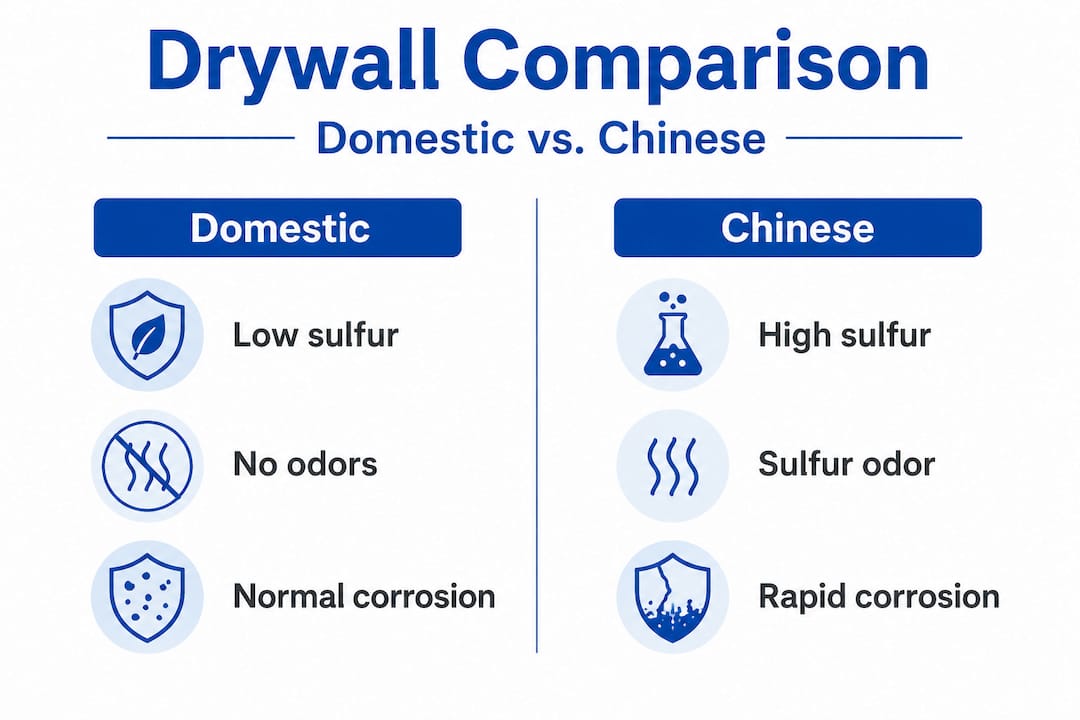
Here is a quick summary of what makes Chinese drywall so problematic compared to domestic drywall:
Feature | Domestic drywall | Chinese drywall |
Sulfur content | Low or none | Elevated sulfur compounds |
Odor | None | Rotten egg or sulfur smell |
Effect on copper wiring | None | Black corrosion, failure |
AC system impact | None | Coil failure, breakdowns |
Health effects | None | Respiratory irritation |
Long-term structural concern | Low | High if untreated |
Understanding the distinction between normal drywall and the defective imported product helps you ask the right questions when you are reviewing a home. If a property was built new or substantially renovated during the 2004 to 2009 window, it belongs on your watch list.
Common home inspection findings across Gulf Coast Alabama often include corrosion and moisture-related damage, but Chinese drywall adds a unique layer of risk that is not always visible to an untrained eye. Many of the defects it causes are hidden inside wall cavities, inside HVAC components, or inside electrical panels.
Key dangers that make a specialized inspection critical:
Corrosive sulfur gas emissions that blacken copper and silver surfaces
Air conditioning system failures caused by corroded evaporator coils
Electrical hazards from blackened wiring and compromised connections
Persistent sulfur odors that worsen in warm, humid Gulf Coast weather
Health risks including eye irritation, headaches, and respiratory symptoms for occupants
Reduced property value and complications with insurance and resale
“Homes affected by Chinese drywall show clear signs of chemical damage, including corroded copper and repeated AC failures. Alabama was among the states with documented Knauf cases in the national multi-district litigation, and remediation costs are significant.”
Understanding pre-drywall issues is equally important if you are buying a new build, because catching problems before the walls close is always easier and less expensive than discovering them years later.
How to spot signs of Chinese drywall in your home
Knowing what to look for gives you a real advantage before you commit to a purchase. Chinese drywall leaves behind a pattern of symptoms that, taken together, paint a clear picture. The tricky part is that each symptom on its own could have another explanation. That is why you want a trained inspector who knows how to distinguish Chinese drywall damage from ordinary wear and tear.
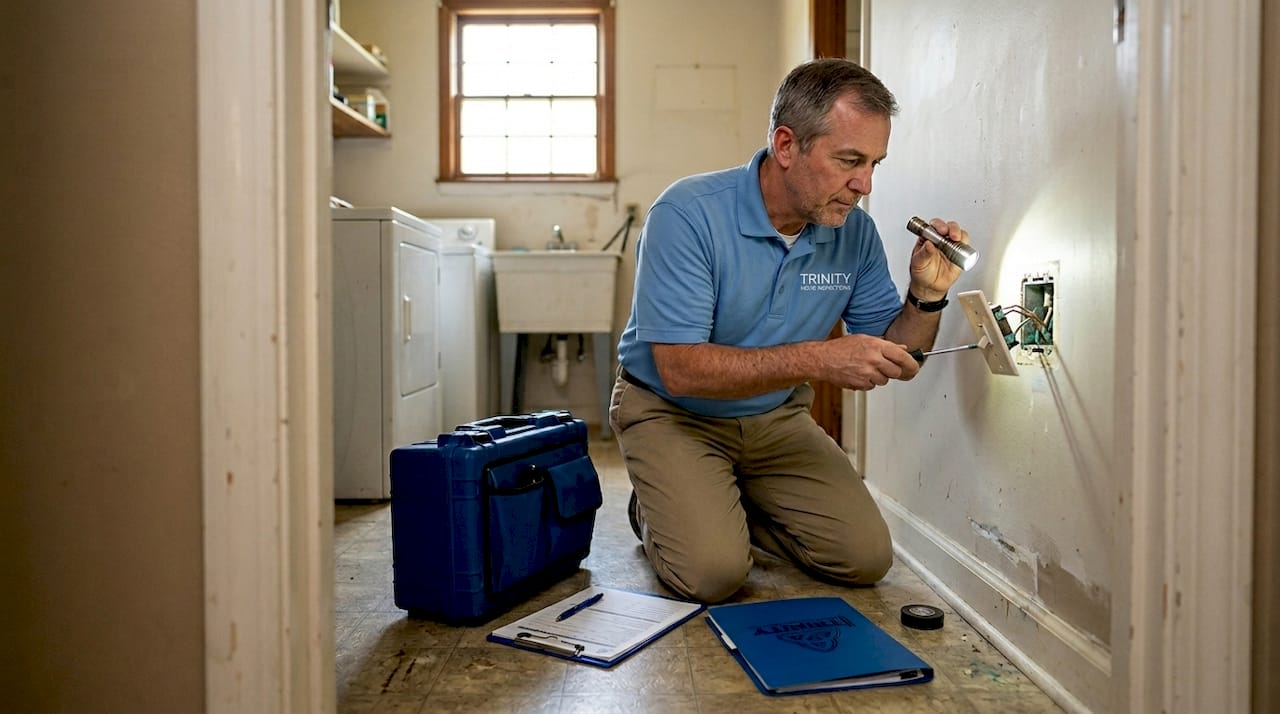
Here is a comparison of what typical homeowners can spot versus what a professional inspector evaluates:
What you might notice | What the inspector checks |
Rotten egg smell inside the home | Air quality samples and gas detection |
Blackened electrical outlets or wires | Wiring corrosion pattern and panel condition |
AC system failing repeatedly | Evaporator coil condition and copper corrosion |
Jewelry or silverware tarnishing quickly | Pattern of metal corrosion throughout home |
Recurring health complaints indoors | Correlation with occupancy and gas levels |
Visible drywall markings or stamps | Manufacturer identification on drywall panels |
The most reliable early warning signs that you may have Chinese drywall in a home include:
A persistent sulfur or rotten egg odor, especially in enclosed rooms or on hot, humid days. Gulf Coast Alabama summers are exactly the conditions that cause these gases to off-gas more heavily.
Blackened copper wiring visible at outlets, in the electrical panel, or in exposed areas. This black corrosion is a chemical reaction caused by sulfur gases, not ordinary oxidation.
Frequent air conditioning failures, particularly repeated evaporator coil replacements. HVAC technicians across the Gulf Coast have documented this pattern specifically in Chinese drywall homes.
Corrosion on refrigerator coils, computer components, or other electronics inside the home, sometimes described by residents as their electronics just “dying faster” than expected.
Visible drywall stamps or labels in attic spaces, closets, or crawlspaces. Look for Knauf, Taishan, Dragon Brand, or other Chinese manufacturer names printed directly on the back of the drywall panels.
Pro Tip: If you are touring a home built between 2004 and 2009, bring a flashlight and check inside closets or attic access points for exposed drywall edges. Look for manufacturer markings on the gray paper backing. A Chinese manufacturer name there is a strong red flag worth flagging immediately.
Alabama cases involving Chinese drywall resulted in a $1.1 billion settlement through the national multi-district litigation, but settlements do not undo damage already done to homes that were never identified or remediated. Thousands of homeowners never filed claims or had their properties properly inspected.
The cost of a specialized inspection is a fraction of what remediation costs if Chinese drywall is discovered after purchase. Full remediation of a Chinese drywall home typically involves removing all defective drywall, replacing corroded wiring and HVAC components, and fully repainting and finishing the interior. Costs can run from $50,000 to well over $100,000 depending on home size and the extent of the corrosion damage.
What happens during a professional Chinese drywall inspection?
A professional inspection for Chinese drywall is not the same as a standard home inspection. It follows a specific process designed to detect the chemical damage patterns that defective drywall leaves behind. Here is exactly what you should expect:
Initial consultation and history review. The inspector asks about the home’s build date, any renovation history, prior HVAC problems, and whether previous owners or residents noticed odors or health symptoms. This background shapes the focus of the physical inspection.
Visual assessment of all accessible areas. The inspector examines outlets, electrical panels, wiring inside junction boxes, refrigerator coils, HVAC components, and any exposed drywall in the attic or crawlspace. Black or dark corrosion on copper surfaces is a primary visual indicator.
Drywall manufacturer identification. In attic spaces, closets, or anywhere the back of the drywall is exposed, the inspector looks for manufacturer stamps or markings. Chinese manufacturers like Knauf Tianjin, Taishan Gypsum, and others often printed their names directly on the drywall backing.
Air quality and gas detection testing. Using specialized instruments, the inspector may test for sulfur compounds in the air, particularly in rooms that show other signs. Elevated hydrogen sulfide levels are a strong confirmation of Chinese drywall presence.
Thermal imaging review. Infrared cameras can help identify areas of unusual temperature variation inside walls, which may indicate moisture accumulation caused by corrosion. At Trinity Home Inspections, thermal imaging is included at no extra charge with every inspection.
Sampling for lab confirmation. If the visual and air quality evidence points toward Chinese drywall, the inspector may take drywall core samples to send to a certified laboratory for chemical analysis. Lab results provide definitive confirmation and documentation useful for legal or insurance purposes.
Detailed written report delivery. A quality inspector delivers a clear, photo-rich report the same day. You should expect a report that includes photos of every suspect area, documentation of any manufacturer markings found, a summary of corrosion patterns, and recommendations for next steps.
Pro Tip: When choosing a home inspector for Chinese drywall concerns, ask specifically whether they have experience identifying Chinese drywall damage in Gulf Coast homes. Ask what tools they use, whether they test air quality, and whether they can identify manufacturer markings. An inspector who has seen the real corrosion patterns on copper wiring in affected homes will give you far more reliable answers than one who has only read about it.
The inspection process for Chinese drywall requires thoroughness that goes beyond a quick visual walkthrough. The Alabama multi-district litigation settlements demonstrated just how widespread and costly this issue became. A thorough inspection is your best protection against unknowingly purchasing a property with tens of thousands of dollars in hidden damage waiting to surface.
A critical point worth emphasizing: certified inspectors matter here. InterNACHI-certified inspectors complete rigorous training, ongoing education, and adhere to a strict code of ethics. That standard of training makes a real difference when you are trying to confirm or rule out a defect as serious and costly as Chinese drywall contamination.
Why Chinese drywall inspection matters for buyers and sellers in Alabama
Whether you are buying or selling, the presence or absence of Chinese drywall in a home changes everything about how the transaction moves forward. Understanding the legal, financial, and health stakes helps you approach the situation with confidence rather than uncertainty.
For sellers in Alabama, disclosure is not optional. Alabama law requires sellers to disclose known material defects in a property, and Chinese drywall clearly qualifies as a material defect. Selling a home with known or suspected Chinese drywall without disclosure exposes you to significant legal liability after closing. Getting a proper inspection before listing protects you and gives you accurate information to share with buyers.
“Homes affected by Chinese drywall require full drywall removal and replacement, along with HVAC and electrical remediation. The post-hurricane rebuilds across Alabama’s Gulf Coast created conditions where many homeowners still do not know whether their properties were affected.”
For buyers, a confirmed negative inspection result gives you genuine peace of mind and real negotiating power. You can close confidently knowing this risk has been properly evaluated by a trained professional. A positive result, meaning Chinese drywall is found, changes the negotiation entirely. You now have documented evidence to request a significant price reduction, require full remediation before closing, or simply walk away from a property that does not work for your budget.
Key reasons why this inspection matters for both buyers and sellers:
Legal protection for sellers who need to demonstrate they disclosed known defects in good faith
Negotiating leverage for buyers backed by professional documentation rather than speculation
Insurance implications, since some insurers have excluded coverage for Chinese drywall damage or required special riders
Mortgage complications, because lenders may be reluctant to approve financing on a home with known Chinese drywall contamination
Long-term health protection for your family if you plan to live in the home
Resale planning, since a remediated home with documentation is far easier to sell than one with unresolved contamination
Coastal rental properties face additional exposure because the combination of Gulf Coast humidity and Chinese drywall gases accelerates corrosion and off-gassing. Landlords renting properties built during the affected years carry real liability if tenants are exposed to sulfur gases from defective drywall.
The bottom line for buyers: do not assume the seller knows or would tell you. Many sellers genuinely do not know their home has Chinese drywall. The only way to know for certain is a professional inspection by someone who has the tools and training to find it.
Pro Tip: If you are a seller preparing to list a Gulf Coast Alabama home built between 2004 and 2009, getting a pre-listing inspection that specifically addresses Chinese drywall is one of the smartest steps you can take. It eliminates the fear of surprise disclosures mid-contract and positions you as a transparent, trustworthy seller.
What most buyers overlook about Chinese drywall risks
Here is something we have seen consistently working inspections across Gulf Coast Alabama: buyers focus intensely on visible condition issues. Roof age, HVAC age, foundation cracks. These are legitimate concerns. But Chinese drywall is invisible behind finished walls, and buyers frequently underestimate how seriously it can affect a home’s value and livability.
The biggest oversight we encounter is buyers who assume a standard general home inspection automatically includes Chinese drywall screening. It often does not. A general inspection evaluates the visible condition of systems and components. Unless your inspector specifically tests for sulfur compounds, examines wiring for corrosion patterns, and checks for manufacturer markings in the attic, Chinese drywall can remain undetected until well after closing.
Another overlooked issue: the corrosion damage from Chinese drywall does not stop once you remove the defective boards. If wiring was exposed to sulfur gases for years, the corrosion has already penetrated the copper. Simply removing the drywall without also replacing compromised wiring and HVAC components leaves health and safety hazards in place. Full remediation is a large, expensive undertaking, and buyers who discover it post-closing are often blindsided by the true scope of the work required.
We also see buyers in Gulf Coast Alabama assume that because a home has been renovated, the Chinese drywall concern does not apply. In reality, many renovations during the mid-to-late 2000s added defective drywall to homes that were otherwise built earlier. A home from 1995 that had a room addition in 2007 could still have Chinese drywall in that addition, even though the main structure is fine.
The hard truth is that drywall-related problems are among the most expensive surprises a homebuyer can face. A thorough, specialized inspection is not an added expense. It is protection against a potential six-figure problem that a few hundred dollars spent on the right inspector can prevent. The inspectors who know what they are looking at, who carry the right tools, and who have seen this pattern repeatedly across Gulf Coast homes are the ones who protect your investment before the paperwork is signed.
Get peace of mind with a professional inspection
When you are buying or selling a home in Gulf Coast Alabama, you deserve complete confidence that Chinese drywall is not quietly damaging the property you are about to invest in. Trinity Home Inspections provides InterNACHI-certified inspections across Baldwin, Mobile, Escambia, Washington, Monroe, and Clarke counties, with same-day photo and video rich reports, free thermal imaging, and the kind of thorough attention to detail that Chinese drywall concerns demand.
[
Whether you need a pre-listing inspection to protect yourself as a seller or a full buyer’s inspection before closing, we bring the tools, training, and local knowledge to give you straight answers fast. You can also use our property search resources to research permit history and ownership records that may reveal past renovation work during the high-risk years. Contact Trinity Home Inspections today and get the clarity you need to make a confident decision.
Frequently asked questions
What years of home construction should buyers in Alabama worry about Chinese drywall?
Homes built or renovated between 2004 and 2009 in Gulf Coast Alabama carry the highest contamination risk, driven by the surge in imported drywall following Hurricanes Ivan and Katrina. Any property with substantial work done during those years warrants a specialized inspection.
Does a standard home inspection cover Chinese drywall?
Many standard inspections do not specifically screen for Chinese drywall, so requesting a specialized inspection that includes air quality testing and corrosion pattern review is the recommended approach. Always ask your inspector directly whether their process addresses Chinese drywall before booking.
What are the health symptoms linked to Chinese drywall in the home?
Residents may experience respiratory irritation, headaches, and persistent odors caused by sulfur gases released from defective Chinese drywall, with symptoms often worsening in warmer months when off-gassing increases.
Is Chinese drywall still a problem for new construction?
Although most Chinese drywall was installed between 2004 and 2009, older homes renovated during those years can still have untreated contamination, meaning the issue remains active in the existing housing stock rather than being limited to new builds.
Can Chinese drywall cause insurance or mortgage issues?
Homes with confirmed Chinese drywall contamination may face insurance exclusions, claim denials, or mortgage approval problems because lenders and insurers treat the high remediation cost as a significant financial risk that affects property value and lender security.
Recommended

