
Common Home Inspection Findings in Gulf Coast Alabama

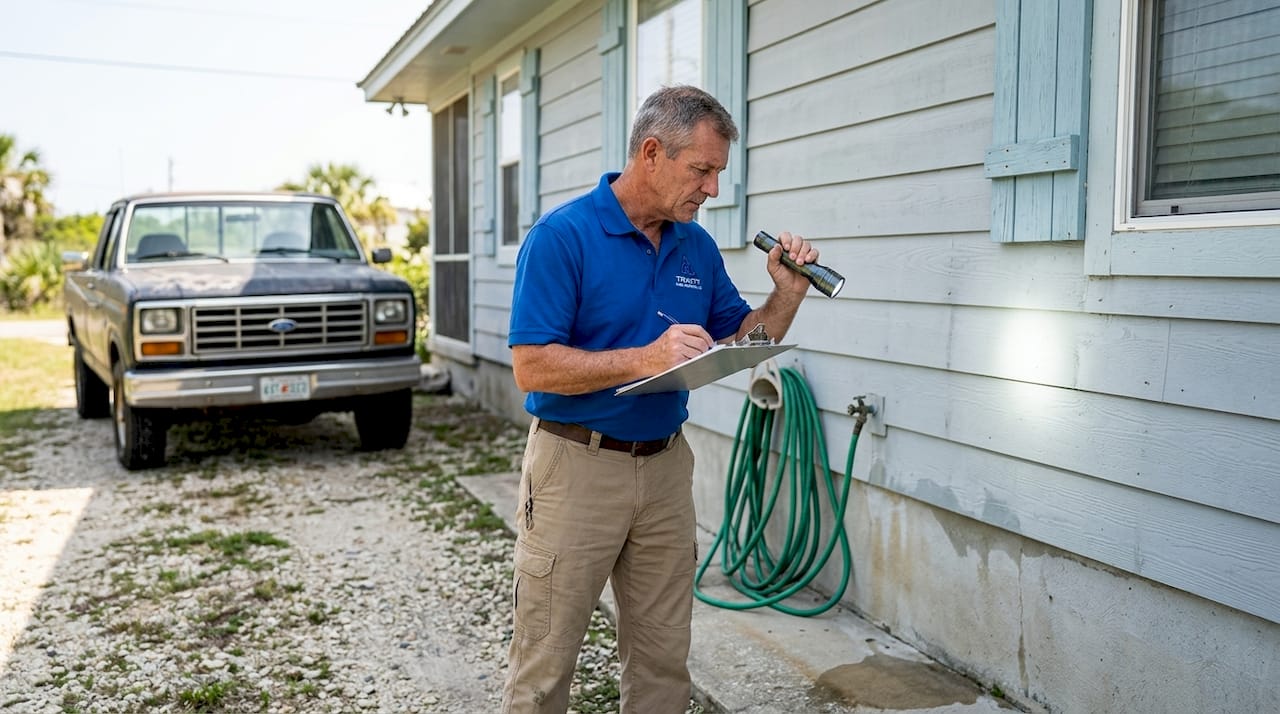
Buying or selling a home on the Gulf Coast means navigating one of the most climate-challenged real estate markets in the country. The combination of heat, humidity, heavy rainfall, and active termite populations creates conditions where water damage appears in up to 23% of home inspections nationwide, and local numbers often run higher. Understanding the most common inspection findings before you reach the closing table gives you real leverage, whether you are negotiating repairs as a buyer or pricing your home accurately as a seller. This guide walks you through every major category, what it means, and what to do about it.
Key Takeaways
Point | Details |
Water issues top findings | Leaks and moisture are the most common and expensive issues for Gulf Coast homes. |
Structural problems are costly | Foundation and framing concerns are found often and usually mean major expenses. |
Termite risk is high | Annual termite inspections are essential due to regional threats. |
Roof and HVAC age matter | Old or damaged roofs and HVAC systems can drive up costs and lower home value. |
Drainage affects many issues | Proper grading and water management are critical to preventing other major problems. |
How home inspections work on the Gulf Coast
A home inspection is a visual, non-invasive examination of a property’s structure, roof, plumbing, electrical system, and major mechanical components. Inspectors do not tear into walls or move furniture. They observe, test, and document what they can access. The inspection process in Gulf Coast homes follows ASHI/InterNACHI standards, typically taking two to four hours and focusing on structure and safety above cosmetic issues.
On the Gulf Coast specifically, inspectors pay extra attention to:
Moisture intrusion in crawlspaces, attics, and wall cavities
Mold growth driven by high humidity and poor ventilation
Termite and wood-destroying insect activity
Roof condition after seasonal storm exposure
HVAC performance under extreme heat and humidity loads
A typical inspection generates around 60 findings. Most are minor, things you or a handyman can address. Four to five are usually significant enough to affect your negotiation or your decision to proceed.
What you should expect: A good inspection report is color-coded and prioritized, separating safety concerns from maintenance items so you know exactly where to focus your attention and your budget.
Pro Tip: Attend the inspection in person. Walking the property with your inspector gives you context that no written report can fully replace.
Water damage and moisture intrusion
The most common and costly findings in the Gulf Coast stem from one critical threat: water. Leaks and mold appear in 15.7% of inspections, and repair costs can escalate fast once moisture reaches structural components.
Common signs inspectors flag include:
Musty odors in crawlspaces or closets
Water stains on ceilings, walls, or around windows
Soft or spongy drywall near plumbing fixtures
Bubbling or peeling paint on exterior siding
Visible mold growth in attics or under sinks
Sources range from roof leaks and plumbing failures to poor exterior grading and crawlspace dampness. Left unaddressed, moisture undermines structural integrity and creates conditions for mold growth that can affect indoor air quality. Review the top water-related red flags and Baldwin County inspection issues to understand what shows up most often in this region.
Buyer’s move: If moisture is found, request a moisture meter reading and thermal imaging scan before agreeing to any seller credit. Hidden moisture behind walls is often worse than what is visible.
Pro Tip: Sellers can reduce buyer pushback by cleaning gutters, extending downspouts, and ensuring crawlspace vapor barriers are intact before listing. These are low-cost fixes that signal good maintenance.
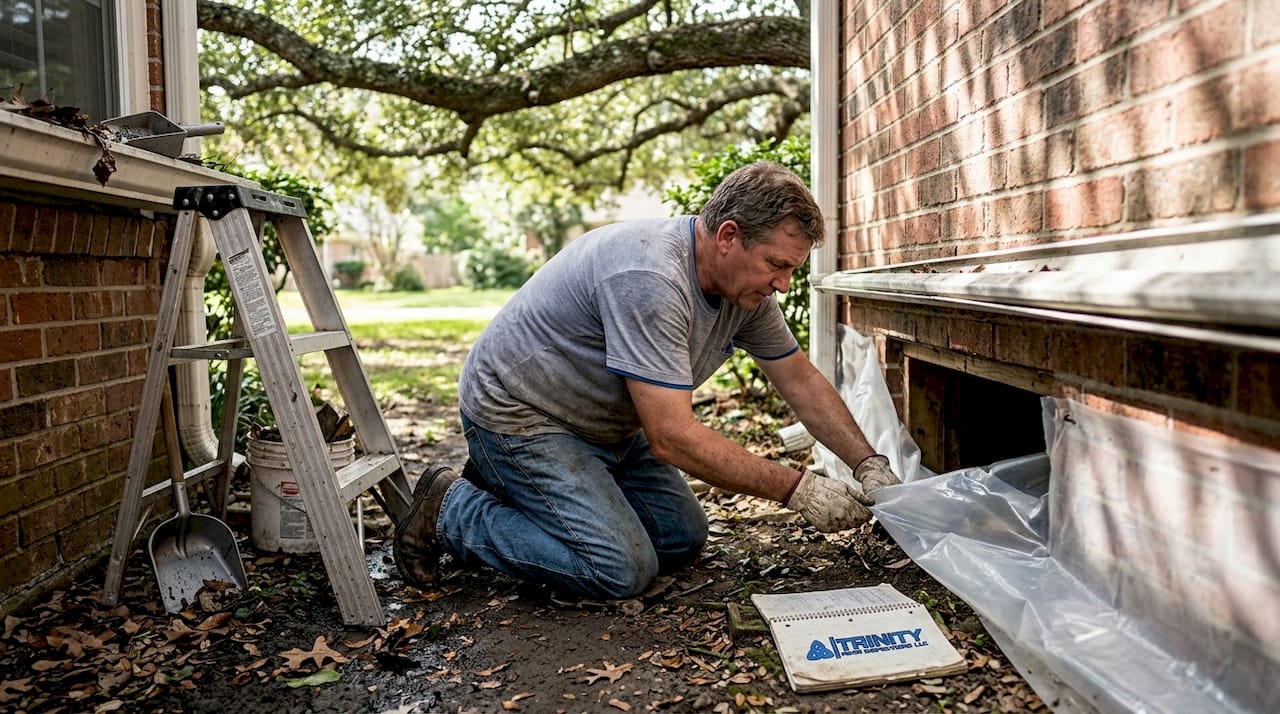
Simple mitigation steps include maintaining gutters, installing or replacing vapor barriers in crawlspaces, and ensuring the ground slopes away from the foundation. The biggest inspection red flags related to water are often preventable with routine upkeep.
Structural issues: foundation, settling, and framing concerns
Moisture often leads to the next major issue: damage at the core of the home, its structure. Structural concerns appear in 14 to 15.6% of inspections, with repairs frequently exceeding $5,000 to $10,000 depending on severity.
What inspectors commonly find:
Cracks in the foundation, especially horizontal or stair-step patterns
Bowing or leaning walls in basements or crawlspaces
Doors and windows that stick or no longer close properly
Sloping or uneven floors
Gaps between walls and ceilings
Not all cracks are equal. Hairline cracks in concrete are often normal settling. Wide, horizontal, or diagonal cracks near corners are a different story. Review the foundation warning signs that warrant a specialist opinion before you proceed.
Negotiation reality: Structural findings give buyers strong leverage. You can request a price reduction, ask the seller to remediate before closing, or in serious cases, walk away. A licensed structural engineer’s report is worth the cost when findings are significant.
Pro Tip: Do not confuse cosmetic cracks in drywall with structural movement. Your inspector can help you tell the difference, but always ask for clarification on anything flagged in the major home defects category.
Roof problems: leaks, damaged shingles, and flashing
If the home’s structure stands firm, the roof is its first line of defense, yet inspections reveal frequent problems here. 68% of roof defects involve missing or damaged shingles, making this one of the most consistently flagged areas.
Common roof findings include:
Missing, curling, or cracked shingles
Defective or improperly installed flashing around chimneys and vents
Exposed fasteners that allow water entry
Sagging roof decking or sheathing
Staining in the attic indicating past or active leaks
Roof issues are urgent because they accelerate water damage and mold risk throughout the home. Gulf Coast weather, including heavy rain and occasional hurricane-force winds, shortens roof lifespans compared to drier climates. Review the roof inspection process to understand what a thorough evaluation covers.
As a buyer, check the attic for water stains and soft sheathing. These are signs that a roof problem has already caused interior damage. The roofing red flags section of your report deserves careful attention before you negotiate.
Electrical system issues: safety first
Another critical area where inspections uncover safety risks is the home’s electrical system. Outdated wiring and panels appear in 42% of inspections, making electrical defects one of the most common findings across all home types.
Typical electrical findings include:
Outdated or undersized electrical panels
Missing or non-functional GFCI outlets near water sources
Overloaded circuits or double-tapped breakers
Ungrounded outlets in older homes
Exposed or improperly spliced wiring
GFCI outlets (ground fault circuit interrupter) are required by code near kitchens, bathrooms, garages, and exterior outlets. They cut power instantly when a ground fault is detected, preventing electrocution. Inspectors flag missing GFCIs as a safety issue, not a cosmetic one. Review typical defects to see how these are categorized in reports.
Some electrical fixes are simple, like adding a GFCI outlet. Others, like replacing a Federal Pacific or Zinsco panel, require a licensed electrician and can cost $2,000 to $4,000. Check the electrical red flags section of your report carefully.
Pro Tip: Ask the seller for the age of the electrical panel and any permits pulled for electrical work. Unpermitted work is a red flag that can affect your insurance and resale value.
HVAC system: age and maintenance matter
Temperature and indoor air control are critical, especially for Gulf Coast comfort and mold prevention, making HVAC inspections vital. 35% of HVAC systems found in inspections are over 15 years old, which means they are approaching or past their expected service life.
Common HVAC findings include:
Dirty or clogged evaporator and condenser coils
Systems that are not cooling evenly across zones
Poor or missing duct insulation in unconditioned spaces
Inadequate ventilation in attics or crawlspaces
Refrigerant issues or aging compressors
An aging HVAC system in Gulf Coast humidity is not just a comfort issue. It is a mold risk. A system that cannot maintain proper humidity levels creates conditions for mold growth inside walls and ductwork. Learn more about understanding HVAC inspections and how thermal imaging detects HVAC issues that are invisible to the naked eye.
Review HVAC inspection data to understand typical system lifespans and what replacement costs look like in today’s market.
Pro Tip: Ask the seller for service records. A well-maintained 12-year-old system is far less risky than a neglected 8-year-old one. Annual service is the single best way to extend HVAC life in this climate.
Termite and pest damage: Gulf Coast’s unique risk
If water is the most expensive risk, termites are the stealthy destroyer that Gulf Coast buyers cannot ignore. Alabama sits in the highest termite zone, with annual inspections strongly advised for every property in the region.
Signs inspectors and WDI specialists look for:
Mud tubes along foundation walls or piers
Hollow-sounding wood when tapped
Discarded wings near windowsills or entry points
Visible frass (termite droppings) near wood members
Damaged or weakened floor joists and sill plates
Termite indicator | Visibility to general inspector | Requires WDI specialist |
Mud tubes on foundation | Often visible | Recommended for confirmation |
Hollow structural wood | Sometimes detected | Yes, probing needed |
Frass near wood members | Sometimes visible | Yes |
Active colony in wall void | Rarely visible | Yes, always |
Formosan termites, prevalent along the Gulf Coast, are particularly aggressive and can cause structural damage in months rather than years. A general home inspection may not catch hidden termite damage. That is why a separate WDI (wood-destroying insect) inspection is strongly recommended. Learn what termite inspectors look for, termite findings that get missed, and your termite treatment options. The termite threat in this region is not something to minimize.
Pro Tip: Budget for an annual termite bond if you are buying in Baldwin or Mobile County. The cost is modest compared to the repair bills termites can generate.
Grading, drainage, and exterior water control
Many of the issues above come back to one root cause: how well water is kept away from the home through grading and drainage. Poor grading and drainage is the top cited issue in many inspection firms, contributing to an average of 60 or more findings per home.
Common exterior findings include:
Gutters that discharge too close to the foundation
Negative grading where soil slopes toward the home
Clogged or missing downspout extensions
Standing water near the foundation after rain
Rotting sill plates or siding from chronic moisture contact
Drainage issue | DIY fix possible | Estimated cost range |
Extend downspouts | Yes | $10 to $50 per extension |
Clean and repair gutters | Yes | $100 to $300 |
Regrade soil near foundation | Sometimes | $500 to $3,000+ |
Install French drain system | No, hire out | $2,000 to $10,000+ |
Many drainage problems are inexpensive to fix. Extending a downspout costs almost nothing. Regrading a yard or installing a French drain system is a different investment entirely. Review drainage problems commonly flagged in inspection reports to understand what your report is telling you.
Pro Tip: Walk the property after a heavy rain before closing if you can. Standing water near the foundation tells you more than any report photo.
Get a clear picture before you commit
Knowing what inspectors find most often is only half the equation. The other half is having an inspector who actually finds it, documents it clearly, and helps you understand what it means for your decision.
At Trinity Home Inspections, we serve buyers and sellers across Baldwin, Mobile, Escambia, Washington, Monroe, and Clarke counties with InterNACHI-certified inspections, same-day photo and video reports, and free thermal imaging included on every inspection. We test every outlet, walk every accessible roof, and use moisture meters, gas detectors, and drones to go further than the minimum. We also offer add-on services including WDI inspections, mold testing, sewer scopes, and air quality testing so you have one trusted source for everything. Schedule your inspection and get the clarity you need before closing day.
Frequently asked questions
What is the most expensive home inspection finding in Gulf Coast Alabama?
Water and structural issues account for 54% of aggregate repair costs, with structural repairs often exceeding $5,000 to $10,000 and major water damage remediation running even higher.
How often should you get a termite inspection in the Gulf Coast region?
Annual termite inspections are strongly recommended because Alabama sits in the highest termite activity zone in the country, and damage can accumulate quickly between checks.
Can a general home inspection miss termite damage?
Yes. General inspections may miss hidden damage inside wall voids and structural members, which is why a separate WDI inspection by a specialist is the best practice in this region.
What common findings should sellers proactively fix?
Addressing defects before listing such as visible water intrusion, roof leaks, and missing GFCI outlets reduces buyer negotiations and builds trust that the home has been well maintained.
Are Gulf Coast home inspections different from other regions?
Yes. Inspectors here focus more heavily on moisture intrusion, termite activity, and humidity-related risks because the local climate creates conditions that simply do not exist in drier parts of the country.
Recommended

