
Common Pre-drywall Inspection Issues – Why They Matter

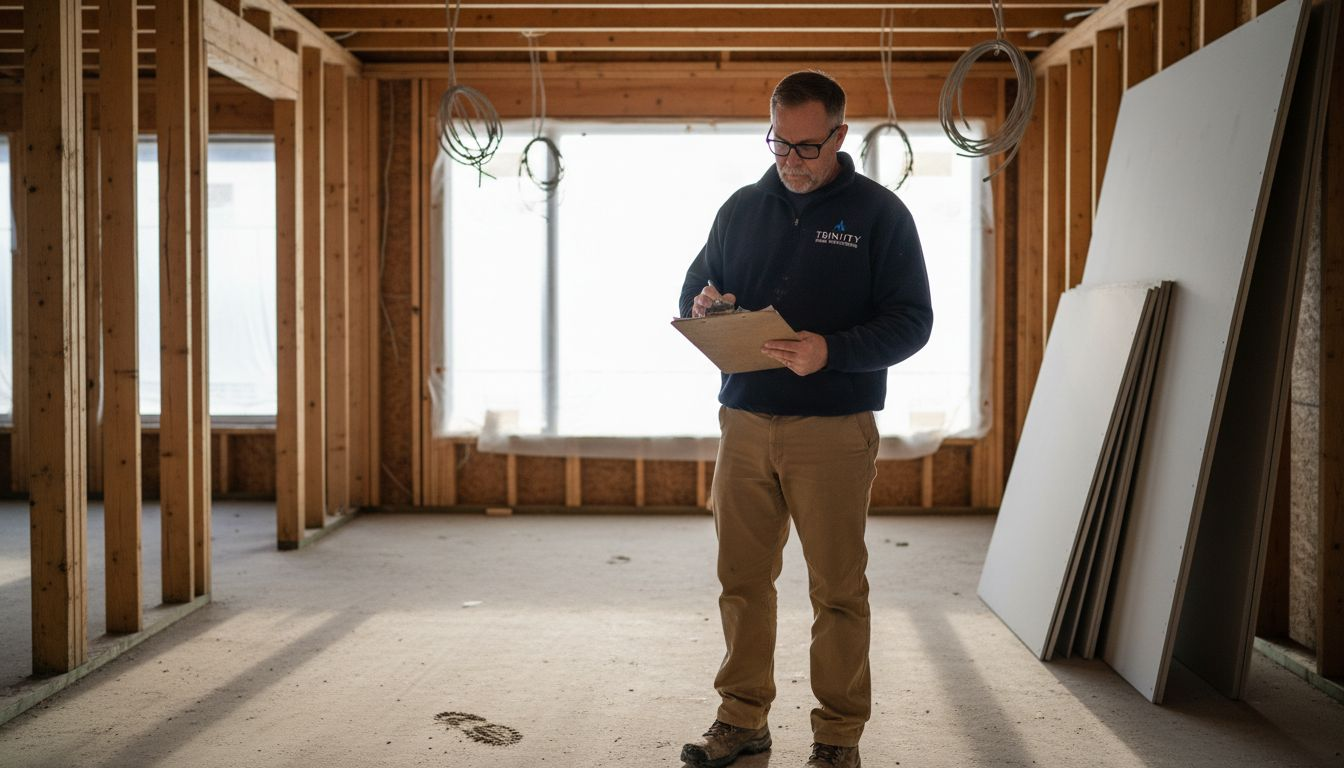
Building a new home in Baldwin or Mobile County brings both excitement and a sense of worry about what could go wrong behind the walls. For many first-time homebuyers, the construction process is filled with questions about unseen mistakes that could cost thousands to fix later. A pre-drywall inspection offers a unique opportunity to catch major structural and mechanical issues before they are hidden, giving you a clearer understanding of your home’s condition while corrections are still possible and affordable.
Table of Contents
Key Takeaways
Point | Details |
Importance of Pre-drywall Inspections | These inspections offer homeowners a critical opportunity to identify and address issues before drywall conceals them, potentially saving significant repair costs. |
Focus on Structural Integrity | Inspectors evaluate key structural components, ensuring they meet engineering specifications and local building codes to prevent future stability risks. |
Electrical and Plumbing Vigilance | Early detection of electrical and plumbing mistakes can prevent expensive repairs and enhance safety by ensuring systems are properly installed and functioning. |
Moisture and Ventilation Assessment | Identifying insulation, moisture control, and ventilation problems early helps prevent deterioration and improves indoor air quality, protecting the home and its occupants. |
Defining Pre-drywall Inspections and Their Purpose
A pre-drywall inspection is a critical step in the new home construction process that provides homeowners with valuable insights before walls are closed up permanently. Unlike traditional home inspections that occur after construction, this specialized examination takes place during a crucial window of opportunity - after major systems are installed but before insulation and interior walls conceal potential issues.
The primary purpose of a pre-drywall inspection is to conduct a comprehensive, non-invasive visual assessment of a residential property’s accessible areas. This inspection occurs after critical components like foundation, framework, roofing, mechanical systems, plumbing, and electrical systems are installed, but before drywall conceals these critical structural elements.
Key aspects of pre-drywall inspections include:
Identifying potential defects in structural and mechanical systems
Providing an opportunity to address issues before they become hidden and expensive to repair
Offering a general understanding of the property’s current construction conditions
Allowing homeowners to request corrections before final wall installation
Professional home inspectors recognize that these inspections are general evaluations, not exhaustive code compliance reviews. As outlined by home inspection standards, the goal is to provide objective information about component conditions at a specific point in the construction timeline. These inspections help catch potential problems early, potentially saving homeowners significant repair costs down the line.
Pro tip: Request your pre-drywall inspection be scheduled immediately after all major systems are installed but before drywall goes up, typically when electrical, plumbing, and framing are complete but before insulation is placed.
Major Structural Issues Found Before Drywall
Structural integrity is the backbone of any home’s long-term safety and performance. During a pre-drywall inspection, professional inspectors meticulously examine the fundamental elements that will ultimately support and define the entire structure, looking for critical issues that could compromise the building’s stability and safety.
Key structural design elements examined during these inspections include foundation systems, framing components, and critical load-bearing structures. Inspectors identify potential problems such as:
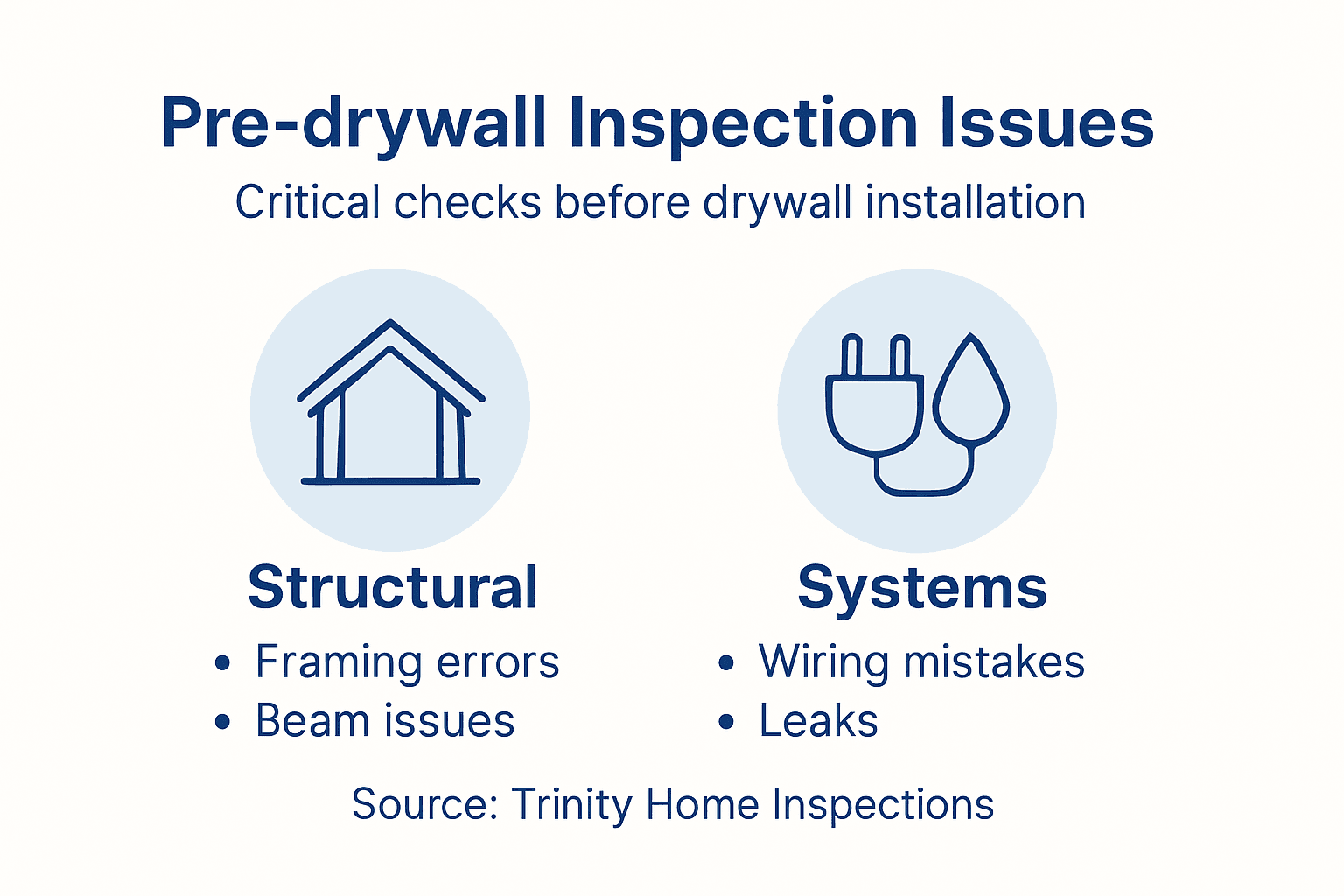
Improperly sized or placed structural beams
Incorrect framing techniques
Inadequate lateral support systems
Concrete foundation curing irregularities
Improper structural connections
Specifically, construction professionals investigate several high-risk areas that could indicate serious structural concerns. Framing defects can range from minor alignment issues to significant problems like broken or twisted structural members. These might include improperly notched floor joists, which can dramatically reduce a beam’s load-bearing capacity, or missing critical fire-stopping materials that compromise safety.
Catching structural issues before drywall installation can save homeowners thousands in potential repair costs and prevent future safety risks.
The platform framing method commonly used in residential construction requires particular attention to detail. Inspectors carefully assess how floor joists, wall frames, and roof rafters are connected, ensuring they meet engineering specifications and local building codes. Subtle misalignments or improper connections might seem insignificant initially but can lead to major structural problems over time.
Pro tip: Request a detailed written report from your pre-drywall inspector that specifically highlights any structural anomalies, including precise locations and recommended corrective actions.
Electrical and Plumbing Mistakes to Watch For
Pre-drywall inspections are crucial for identifying potential electrical and plumbing vulnerabilities that could compromise a home’s safety and functionality. These early assessments provide homeowners with a critical opportunity to address hidden issues before they become expensive, hard-to-repair problems lurking behind completed walls.
Inspectors carefully examine electrical and plumbing systems for a range of potential mistakes, including:
Incorrect wiring configurations
Improper junction box placements
Insufficient electrical outlets
Inadequate electrical grounding
Incorrect pipe positioning
Poor pipe insulation
Missing waterproofing elements
Improper fixture rough-ins
Electrical system concerns can be particularly nuanced. Unsecured wiring, incorrect conduit runs, and insufficient circuit protection represent significant risks that might not be immediately apparent. Professional inspectors use specialized tools to detect subtle issues that could lead to future electrical failures or potential fire hazards.
Catching and correcting electrical and plumbing mistakes before drywall installation can prevent thousands of dollars in potential repairs and protect your home’s long-term safety.
Plumbing inspections require equal diligence. Inspectors check for critical details like proper pipe penetration, correct venting mechanisms, and appropriate material selections. Small installation errors can result in significant water damage, mold growth, or structural compromises if left unaddressed.
Pro tip: Request comprehensive photographic documentation of any electrical or plumbing issues discovered during your pre-drywall inspection to ensure clear communication with contractors about necessary corrections.
Insulation, Moisture, and Ventilation Problems
Pre-drywall inspections play a crucial role in identifying potential moisture control and ventilation challenges that could compromise a home’s structural integrity and indoor air quality. These comprehensive assessments provide homeowners with a critical opportunity to address hidden environmental vulnerabilities before they become expensive, hard-to-resolve issues.
Inspectors carefully evaluate moisture control strategies by examining several key components:
Proper vapor barrier installation
Correct insulation thickness and placement
Drainage system effectiveness
Flashing integrity
Ventilation system performance
Potential condensation risk areas
Material moisture resistance
Attic and crawlspace airflow
Moisture intrusion represents a significant threat to home durability. Even small water penetration points can lead to microbial growth, wood rot, and structural degradation. Professional inspectors use specialized tools to detect subtle moisture pathways that might go unnoticed during standard construction processes.
Identifying and addressing insulation, moisture, and ventilation problems during pre-drywall inspection can prevent thousands of dollars in future repairs and protect your family’s health.
Ventilation systems require meticulous examination to ensure proper air circulation and moisture management. Inadequate ventilation can create conditions that promote microbial growth, reduce energy efficiency, and potentially compromise indoor air quality. Careful assessment of attic, crawlspace, and wall cavity ventilation helps prevent long-term environmental and structural issues.
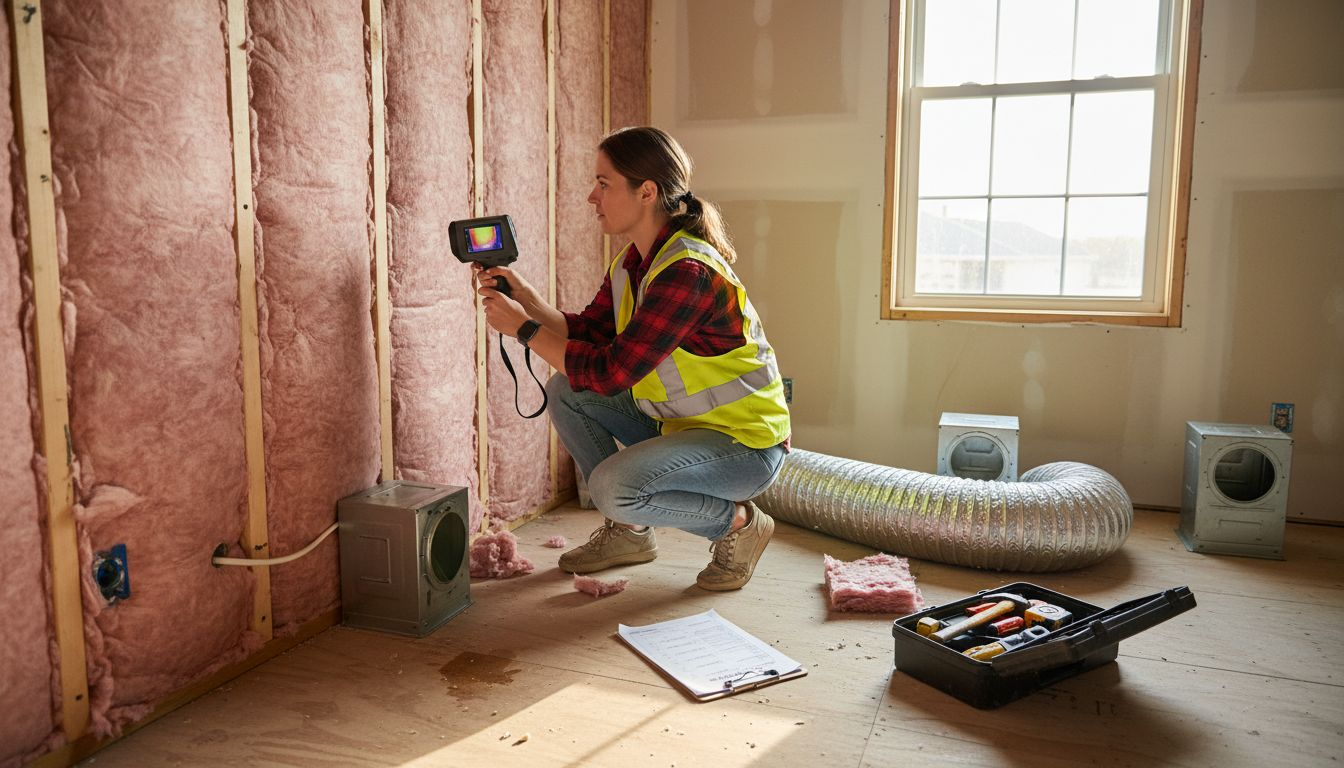
Pro tip: Request a detailed thermal imaging report during your pre-drywall inspection to identify potential hidden moisture and insulation gaps that might not be visible to the naked eye.
Safety Hazards, Code Violations, and Costs
Pre-drywall inspections serve as a critical line of defense against potential safety risks and costly code violations that could compromise a home’s structural integrity and occupant well-being. These comprehensive evaluations provide homeowners with an essential opportunity to identify and address critical issues before they become expensive, dangerous problems.
Inspectors meticulously assess health and safety standards by examining multiple potential hazard areas:
Electrical wiring integrity
Structural support sufficiency
Potential fire risks
Trip and fall hazards
Plumbing installation safety
Load-bearing component stability
Compliance with local building codes
Potential structural defects
Electrical system vulnerabilities represent one of the most significant safety concerns during pre-drywall inspections. Improper wiring configurations can create immediate fire risks and potential long-term electrical system failures. Professional inspectors use specialized tools to detect subtle electrical issues that might go unnoticed during standard construction processes.
Identifying and addressing safety hazards during pre-drywall inspection can prevent potentially catastrophic failures and save homeowners thousands in future repair and replacement costs.
Code violations extend beyond immediate safety concerns, potentially creating significant financial liabilities. Unresolved issues can lead to expensive remediation, reduced property values, and complications during future home sales. Proactive detection and correction during the pre-drywall phase allows homeowners to address these problems efficiently and cost-effectively.
Pro tip: Request a comprehensive written report detailing any identified safety hazards or code violations, including specific recommendations for correction and potential cost implications.
Avoiding Costly Repairs Through Early Detection
Pre-drywall inspections represent a homeowner’s most strategic opportunity to prevent expensive and disruptive repairs before they become hidden structural challenges. By identifying potential issues during the construction phase, homeowners can address critical vulnerabilities that might otherwise remain undetected until significant damage occurs.
Experts emphasize early detection of construction defects across multiple critical systems:
Structural framing inconsistencies
Electrical wiring vulnerabilities
Plumbing connection weaknesses
Mechanical system misalignments
Potential moisture intrusion points
Improper installation techniques
Inadequate insulation placements
Compromised load-bearing components
Repair prevention is fundamentally more cost-effective than reactive maintenance. Small issues detected during pre-drywall inspections might cost hundreds of dollars to correct, while unaddressed problems can escalate into thousands of dollars of damage after construction completion. Professional inspectors use specialized diagnostic tools to identify subtle vulnerabilities that untrained eyes might completely miss.
Investing in a comprehensive pre-drywall inspection can save homeowners up to 10 times the inspection cost in potential future repair expenses.
The financial implications extend beyond immediate repairs. Undetected construction defects can compromise a home’s long-term structural integrity, potentially reducing property value and creating safety risks for occupants. Proactive detection allows for precise, targeted corrections that maintain the home’s overall quality and performance.
Pro tip: Budget approximately 1-2% of your home’s total construction cost for a comprehensive pre-drywall inspection, which can potentially save you thousands in future repair and remediation expenses.
Compare the financial impact of repairing common issues if detected during a pre-drywall inspection vs. after drywall is installed:
Issue Detected Early | Typical Pre-drywall Fix Cost | Typical Post-drywall Repair Cost |
Structural framing error | $300–$600 | $2,500–$6,000 |
Electrical code problem | $150–$400 | $1,000–$2,500 |
Major plumbing leak risk | $200–$500 | $2,000–$7,000 |
Moisture barrier gap | $100–$250 | $1,000–$3,000 |
Here’s a summary of what each pre-drywall inspection area focuses on and how it protects your investment:
Inspection Area | Primary Focus | Long-term Benefit |
Structure | Beam sizing, framing, load paths | Prevents major foundation issues |
Electrical | Wiring safety, outlet placement | Reduces fire hazards |
Plumbing | Pipe routing, insulation, fixture rough-ins | Avoids leaks and water damage |
Moisture & Ventilation | Insulation, vapor barriers, airflow | Stops mold and improves air quality |
Code & Safety | Compliance, fire, trip/fall hazards | Prevents legal issues, lowers costs |
Protect Your Investment with Expert Pre-drywall Inspections from Trinity Home Inspections
Understanding common pre-drywall inspection issues like structural defects, electrical and plumbing mistakes, and moisture problems is vital for safeguarding your new home. These hidden issues can lead to costly repairs and safety hazards if left undiscovered before drywall installation. At Trinity Home Inspections, we specialize in identifying these critical vulnerabilities early using advanced tools such as free thermal imaging, moisture meters, and drone technology to give you confidence that your home’s foundation is solid and secure.

Don’t wait until it’s too late. Schedule your comprehensive pre-drywall inspection today with Trinity Home Inspections and gain peace of mind through our reliable, same-day photo and video-rich reports. Visit our home page to learn more about our trusted services. Whether you are a homebuyer, seller, or new-build owner, we provide clear communication and detailed findings so you can make informed decisions before drywall conceals potential costly problems. Discover why so many Gulf Coast Alabama homeowners choose us for thorough inspections grounded in professionalism and integrity by visiting Trinity Home Inspections.
Frequently Asked Questions
What is a pre-drywall inspection, and why is it important?
A pre-drywall inspection is a visual assessment of a home’s structural and mechanical systems conducted before drywall installation. It is crucial for identifying potential issues like structural defects, electrical errors, and plumbing vulnerabilities, which can save homeowners significant repair costs in the long run.
What common issues are identified during a pre-drywall inspection?
Common issues include improperly sized structural beams, incorrect framing techniques, electrical wiring errors, plumbing installation mistakes, and potential moisture control problems. Addressing these issues before drywall is installed can prevent future safety risks and costly repairs.
How can a pre-drywall inspection save me money?
By identifying defects early, homeowners can correct minor issues relatively inexpensively during the construction phase. For example, fixing a structural framing error before drywall installation may cost between $300 and $600, while the same issue could lead to $2,500 to $6,000 in repairs if left undetected.
What should I expect from a pre-drywall inspection report?
A pre-drywall inspection report should detail any identified issues, including their specific locations and recommended corrective actions. This documentation is essential for ensuring clear communication with contractors about necessary fixes and helps ensure compliance with building codes.
Recommended
