
Do I Need a Commercial Building Inspection in Gulf Coast Alabama

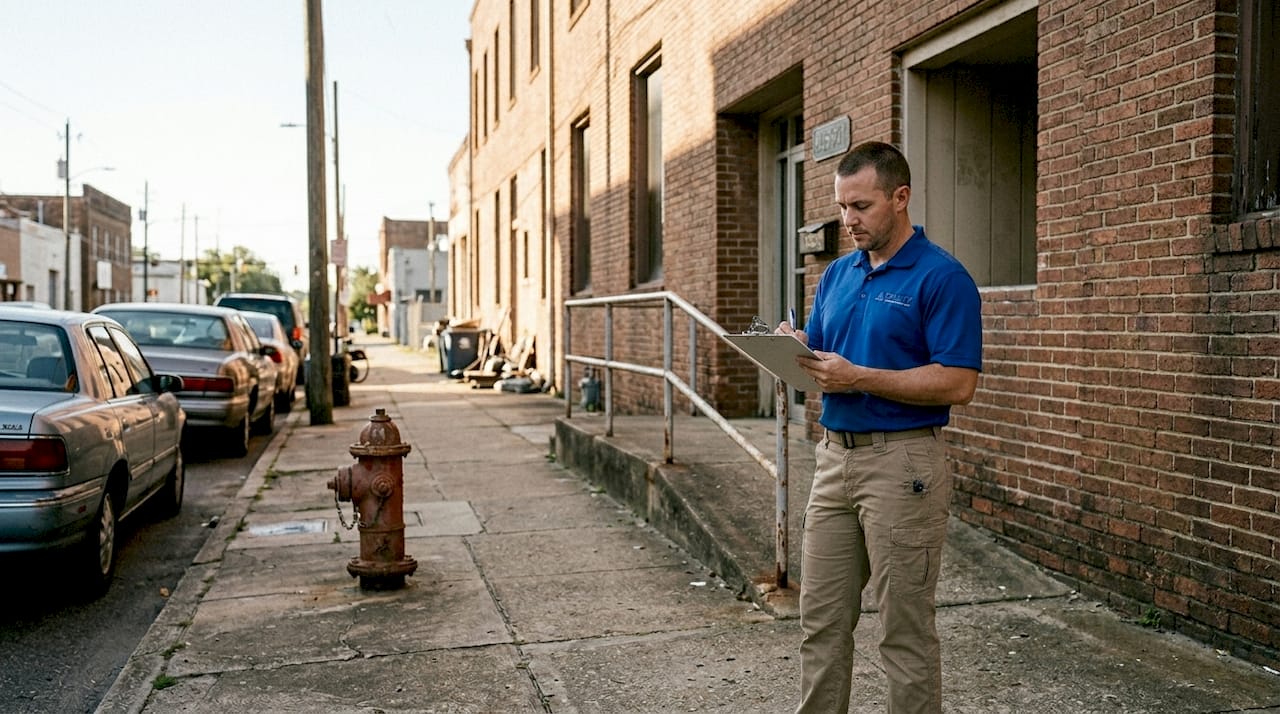
Most buyers and sellers assume commercial building inspections are required by law in Alabama real estate transactions. They’re not. Alabama follows a caveat emptor principle, putting the burden of discovery squarely on you. This creates confusion and risk, especially in the humid Gulf Coast climate where hidden defects like mold, HVAC failures, and structural damage thrive. This guide clarifies why inspections remain critical despite no legal mandate, what they reveal, and how to use them strategically whether you’re buying or selling commercial property in Mobile, Baldwin, or surrounding counties.
Key Takeaways
Point | Details |
No legal mandate | Alabama does not require commercial building inspections for real estate transactions, leaving due diligence to buyers under caveat emptor. |
Hidden defects risk | In humid Gulf Coast conditions unseen issues like mold, HVAC failures, electrical hazards, and roof leaks can escalate costs if not discovered before closing. |
Pre listing advantage | Pre listing inspections let sellers address problems upfront, reduce buyer objections, and strengthen market position. |
Inspector qualifications | Commercial inspectors are not uniformly licensed in Alabama, so buyers should independently verify credentials such as InterNACHI certification or local Gulf Coast experience. |
Specialized inspections | Higher risk or modified properties may require targeted inspections for mold, structural issues, or energy performance. |
Why commercial building inspections are not legally required in Alabama but still critical
Alabama’s legal landscape creates confusion between construction permitting and transaction inspections. Commercial building inspections are not legally required for transactions, unlike permits mandated during construction. This distinction trips up many buyers and sellers who conflate building codes with purchase due diligence.
Alabama operates under caveat emptor, or buyer beware. This principle places the responsibility for discovering property defects entirely on the buyer. No state law compels sellers to conduct inspections or buyers to order them before closing. You’re free to purchase a commercial building sight unseen, but that freedom comes with substantial risk.
The absence of a legal requirement doesn’t diminish the practical necessity of inspections. Commercial properties harbor expensive problems invisible to untrained eyes. Roof membranes fail silently. HVAC systems degrade without obvious symptoms. Electrical panels overload behind walls. In Gulf Coast Alabama, high humidity accelerates these issues, breeding mold in hidden cavities and corroding mechanical systems faster than in drier climates.
Alabama’s regulatory framework treats residential and commercial inspections differently. While residential inspectors must hold state licenses, commercial inspectors face no such requirement. This regulatory gap means you must verify qualifications independently, checking for InterNACHI certification, ComSOP training, and local Gulf Coast experience.
Skipping an inspection to save a few thousand dollars often backfires catastrophically. A home maintenance inspection guide reveals how routine issues compound into major failures when ignored. Commercial properties magnify this risk due to larger systems, more complex infrastructure, and higher repair costs. Without an inspection, you’re gambling that the previous owner maintained everything properly and disclosed every known defect honestly.
Key reasons inspections remain essential despite no mandate:
Uncover hidden structural damage from hurricanes, flooding, or foundation settlement common in coastal areas
Identify HVAC inefficiencies that inflate operating costs and signal impending system failure
Detect electrical hazards like outdated wiring, overloaded circuits, or code violations
Reveal roofing problems before leaks cause interior damage and mold growth
Document environmental concerns including moisture intrusion, drainage issues, and contamination
The legal freedom to skip inspections is a trap for the unprepared. Smart buyers and sellers use commercial building inspections as essential risk management tools, not optional luxuries.
How a commercial building inspection protects Gulf Coast buyers and sellers
Pre-purchase inspections reveal 73% of deal-killers and uncover contamination, cracks, and hidden defects that derail transactions. For buyers, this discovery happens during the due diligence period when you still have negotiating leverage and exit options. For sellers, pre-listing inspections flip the script, letting you address problems proactively rather than reactively during buyer negotiations.
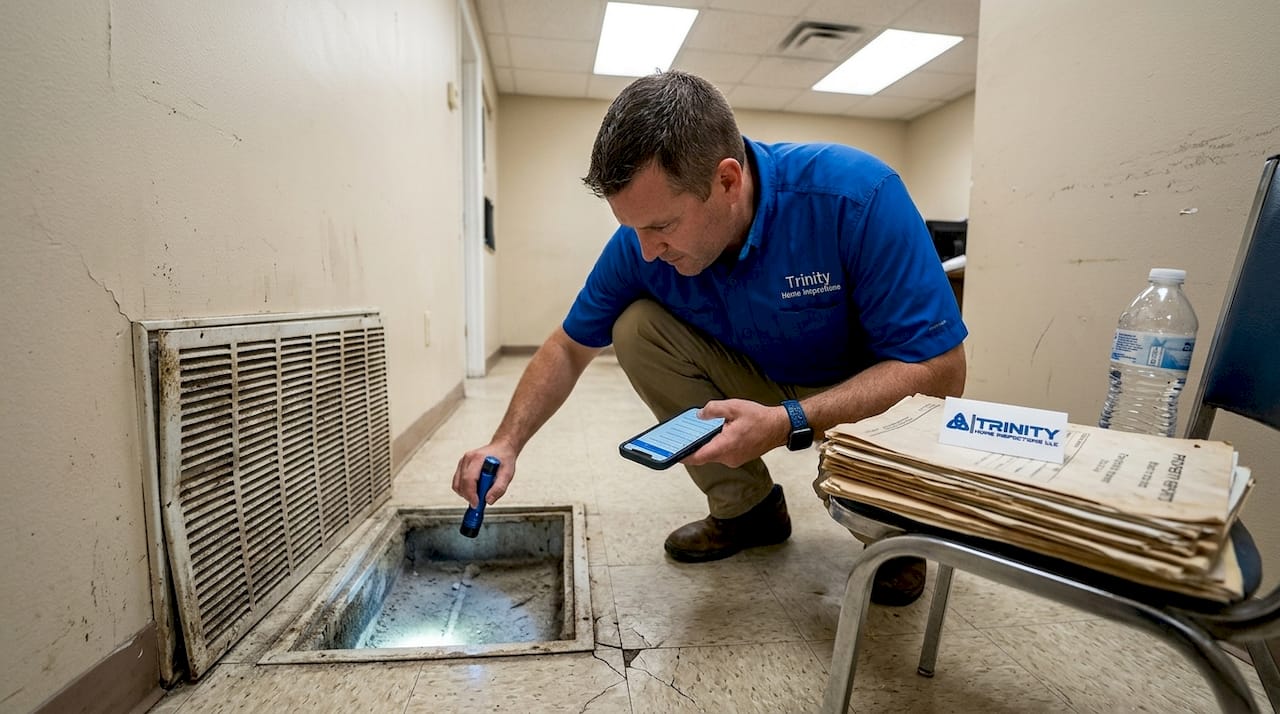
Gulf Coast Alabama presents unique environmental challenges that make inspections even more valuable. High humidity creates ideal conditions for mold growth in wall cavities, attics, and crawl spaces. Hurricane exposure means roof damage, window seal failures, and water intrusion are common. Salt air accelerates corrosion of HVAC components, electrical connections, and metal roofing. A Gulf Coast home inspection adapted for commercial properties accounts for these regional risks.
Modern inspection technology reveals problems invisible to the naked eye. Drones equipped with high-resolution cameras safely inspect roofs without risking inspector safety or causing damage. Thermal imaging cameras detect temperature anomalies indicating missing insulation, moisture intrusion, or overheating electrical components. Moisture meters quantify dampness levels in walls and floors, distinguishing between minor condensation and active leaks requiring immediate attention.
Sellers gain substantial advantages from pre-listing inspections. Addressing discovered issues before listing eliminates buyer objections, speeds negotiations, and often justifies higher asking prices. A pre-inspection checklist for sellers helps you prepare the property and documentation before the inspector arrives.
Inspection costs vary based on property size and complexity:
Property Size | Typical Inspection Cost | Specialized Add-Ons |
Under 5,000 sq ft | $400 to $700 | $150 to $300 each |
5,000 to 15,000 sq ft | $700 to $1,500 | $200 to $400 each |
15,000 to 30,000 sq ft | $1,500 to $3,000 | $300 to $600 each |
Over 30,000 sq ft | $3,000+ | Custom pricing |
These costs pale compared to repair expenses for undiscovered problems. A failed HVAC system in a 10,000 square foot building runs $25,000 to $50,000. Roof replacement costs $8 to $15 per square foot. Mold remediation in multiple areas easily exceeds $10,000. Foundation repairs start at $15,000 and climb rapidly.
Buyers use inspection findings to negotiate price reductions, request repairs, or walk away from properties with problems exceeding their risk tolerance. Sellers use pre-listing inspections to price properties accurately, prepare repair estimates, and demonstrate transparency that builds buyer confidence.
Pro Tip: Schedule inspections during the dry season when possible. Gulf Coast humidity and frequent rain can mask or exaggerate certain conditions. Inspectors can better assess drainage, foundation moisture, and HVAC performance when weather cooperates. If buying during hurricane season, pay extra attention to storm preparedness features and wind damage history.
The protection inspections provide extends beyond the transaction itself. Detailed reports document property conditions at purchase, establishing baselines for future maintenance and insurance claims. This documentation proves invaluable if disputes arise later about pre-existing conditions versus new damage.
Understanding inspection standards and when specialized inspections are necessary
Commercial inspections follow ComSOP standards including structural, HVAC, roofing, electrical, plumbing, and environmental assessments. These standards ensure comprehensive evaluation without destructive testing that could damage the property. Inspectors conduct visual examinations, operate systems, and use specialized tools to assess conditions and identify defects requiring further investigation or immediate attention.
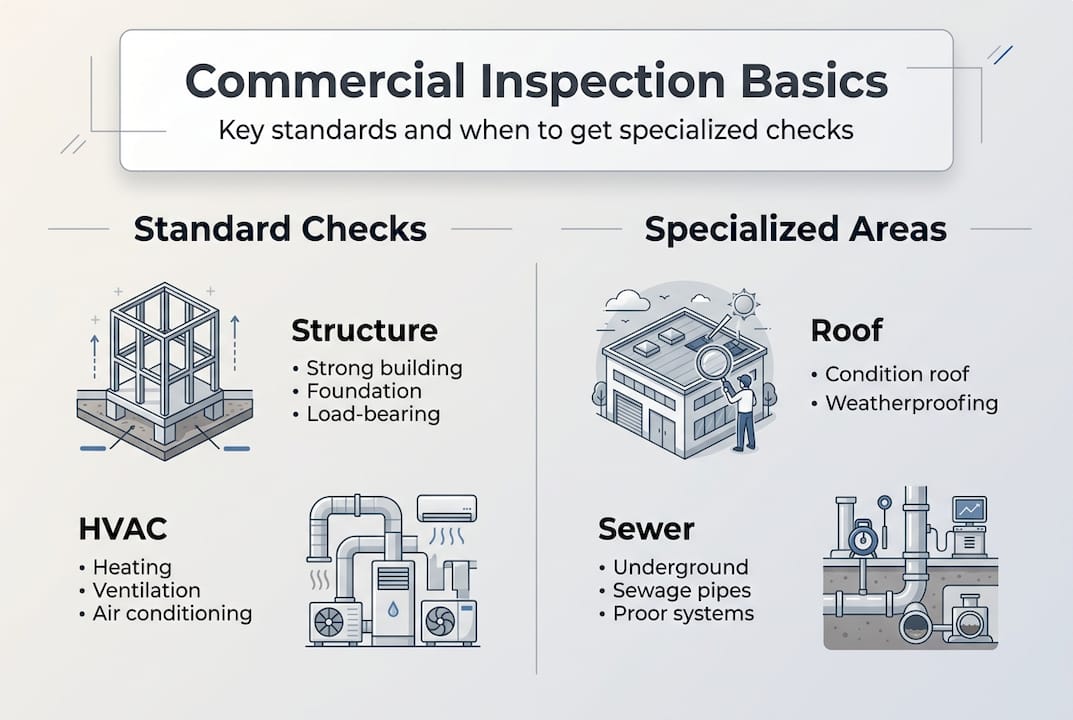
ComSOP establishes minimum requirements for commercial property inspections. Inspectors must evaluate the structural system including foundations, framing, and load-bearing components. The building envelope receives scrutiny for water intrusion, insulation adequacy, and weatherproofing integrity. All mechanical systems undergo functional testing. Electrical panels, wiring, and fixtures are checked for safety and code compliance. Plumbing systems are tested for leaks, proper drainage, and water pressure. Environmental factors like drainage, grading, and potential contamination sources are documented.
Advanced tools enhance inspection thoroughness without invasive procedures. Thermal imaging reveals temperature differences indicating insulation voids, moisture behind walls, or overheated electrical connections. Moisture meters measure water content in building materials, distinguishing between acceptable levels and problematic dampness. Drones capture roof conditions, facade details, and site drainage patterns from angles impossible to reach safely by ladder. These technologies transform inspections from basic walkthroughs into detailed diagnostic evaluations.
General inspections cover most commercial property needs, but certain situations demand specialized expertise:
Inspection Type | When Required | What It Covers |
General Commercial | All transactions | Structure, systems, envelope, site conditions per ComSOP standards |
Specialized Roof | Flat roofs, prior leaks, over 15 years old | Membrane integrity, drainage, flashing, penetrations, remaining lifespan |
Sewer Scope | Older buildings, prior backups, mature trees nearby | Main line condition, roots, cracks, bellies, connections |
Electrical | Aluminum wiring, Federal Pacific panels, additions | Panel capacity, wiring condition, grounding, load calculations |
Environmental | Industrial history, underground tanks, contamination concerns | Soil testing, air quality, hazardous materials, regulatory compliance |
Specialized inspections are needed for roofs, sewer, electrical systems if high risk or past issues exist. A building with a history of roof leaks requires a specialized roofing contractor to assess membrane condition, remaining service life, and repair versus replacement costs. Properties with mature landscaping near sewer lines benefit from camera inspections revealing root intrusion before it causes backups. Buildings with Federal Pacific or Zinsco electrical panels need specialized electrical evaluation because these panels have known failure rates and fire risks.
Gulf Coast properties frequently require additional scrutiny in specific areas. Hurricane-prone locations need detailed wind damage assessment including roof attachment integrity, window impact resistance, and structural bracing adequacy. High water tables and flood zones demand foundation and drainage evaluation beyond standard protocols. Coastal properties face accelerated corrosion requiring specialized inspection of HVAC components, electrical connections, and metal building elements.
Pro Tip: Choose inspectors with demonstrated Gulf Coast experience who understand regional challenges like hurricane damage patterns, humidity-related issues, and soil conditions specific to coastal Alabama. A comprehensive guide to commercial inspections helps you understand what qualified inspectors should deliver. Ask about their familiarity with properties in Mobile, Baldwin, and surrounding counties, and request sample reports showing thoroughness and clarity.
The line between general and specialized inspections isn’t always clear. A property inspection workflow typically starts with a comprehensive general inspection. If that reveals concerns in specific systems, specialized follow-up inspections provide the detailed analysis needed for informed decisions. This staged approach balances thoroughness with cost efficiency, ordering specialized inspections only when justified by initial findings or known risk factors.
How sellers and buyers can apply commercial inspections to smooth transactions in Gulf Coast Alabama
Buyers should integrate inspections into their due diligence strategy from the start. Include inspection contingencies in purchase offers, specifying reasonable timeframes for completion and response. Schedule inspections promptly after contract execution to maximize negotiating time. Attend inspections personally or send a trusted representative to ask questions and understand findings in real time. Review reports carefully, prioritizing safety issues and major system defects over cosmetic concerns.
Strategic inspection use for buyers:
Order inspections immediately after offer acceptance to preserve contingency period time
Prioritize general inspection first, then specialized inspections based on findings or known risks
Document all defects with photos and inspector notes for negotiation support
Obtain repair estimates from licensed contractors for significant issues
Submit formal inspection objection letters requesting repairs, credits, or price reductions
Negotiate repairs by licensed professionals rather than seller credits when possible
Schedule re-inspections after agreed repairs to verify proper completion
Sellers benefit enormously from pre-listing inspections that shift control back into their hands. Pre-listing inspections help sellers address issues proactively and reduce objections, strengthening their position. Order inspections before listing, review findings with contractors to obtain repair estimates, then decide which issues to fix versus disclose. Complete repairs with licensed professionals who provide warranties. Include inspection reports and repair documentation in listing materials to demonstrate transparency and property condition.
Seller pre-listing checklist:
Schedule comprehensive inspection 60 to 90 days before intended listing date
Review report with experienced commercial real estate agent to assess impact on value
Obtain multiple contractor estimates for significant repairs
Prioritize safety issues, major system defects, and items likely to concern lenders
Complete repairs before listing when cost-effective and value-enhancing
Disclose known defects not repaired with supporting documentation
Provide buyer with pre-listing inspection report and repair receipts at offer stage
Gulf Coast climate considerations inform post-purchase maintenance and inspection frequency. High humidity and hurricane exposure accelerate wear on roofing, HVAC, and building envelopes. Plan for more frequent inspections than recommended in drier climates. Schedule annual HVAC maintenance before cooling season. Inspect roofs after major storms even without obvious damage. Monitor humidity levels and address moisture sources immediately to prevent mold.
Negotiation tips based on inspection findings:
Separate safety issues from maintenance items in negotiation discussions
Request repairs by licensed contractors rather than cash credits to ensure proper work
Focus on major systems and structural issues rather than minor cosmetic defects
Obtain multiple repair estimates to establish fair market costs
Consider requesting home warranties covering major systems as alternative to repairs
Document all agreed repairs in contract amendments with completion deadlines
Pro Tip: Timing inspections strategically improves transaction outcomes. Buyers should schedule inspections within the first week of the due diligence period, leaving maximum time for negotiations and potential re-inspections. Sellers conducting pre-listing inspections should complete them 60 to 90 days before listing, allowing adequate time for repairs without delaying market entry. This timing prevents rushed decisions and creates space for thoughtful responses to discovered issues.
Post-purchase, maintain inspection reports as property documentation. These reports establish condition baselines valuable for insurance claims, future sale preparation, and maintenance planning. Schedule follow-up inspections annually or after significant weather events. The commercial building inspections guide provides ongoing reference for understanding system lifespans and maintenance requirements specific to your property type and Gulf Coast location.
Get professional commercial building inspections in Gulf Coast Alabama
When you’re ready to protect your commercial property investment with a thorough inspection, Trinity Home Inspections brings InterNACHI-certified expertise and Gulf Coast knowledge to every evaluation. Our commercial inspections use the same advanced tools and detailed reporting that have earned us five-star reviews from residential clients: thermal imaging, moisture detection, drone technology, and same-day digital reports packed with photos and videos.
Sellers preparing to list benefit from our pre-listing inspection services that identify issues before buyers do, strengthening your negotiating position and reducing transaction delays. We also offer permit and deed searches to verify building history and indoor air quality testing when environmental concerns arise. Our local expertise across Mobile, Baldwin, and surrounding Gulf Coast counties means we understand the specific challenges your property faces. We’re a family-owned business built on integrity and Christian values, treating your investment with the same care we’d want for our own.
Frequently asked questions
Do I need a commercial building inspection to buy a property in Gulf Coast Alabama?
No legal requirement mandates commercial building inspections for Alabama real estate transactions. However, inspections are strongly recommended to avoid costly surprises and hidden defects. Alabama’s caveat emptor principle places discovery responsibility entirely on buyers, making inspections your primary protection against expensive problems. The inspection cost is minimal compared to potential repair expenses for undiscovered issues.
What does a standard commercial building inspection cover?
Standard commercial inspections evaluate structure, HVAC, roofing, electrical, plumbing, and environmental factors following ComSOP standards. Inspectors conduct visual, non-destructive examinations using tools like thermal cameras, moisture meters, and drones. They test system operation, identify defects, and document conditions in detailed reports. The inspection reveals safety hazards, maintenance needs, and major system deficiencies requiring attention or further specialized evaluation.
When is a specialized commercial inspection necessary?
Specialized inspections become necessary when properties have high-risk features, prior damage history, or specific concerns beyond general inspection scope. Flat roofs over 15 years old need specialized roofing evaluation. Older buildings with mature landscaping benefit from sewer camera inspections. Properties with aluminum wiring or certain panel brands require specialized electrical assessment. Industrial properties need environmental testing for contamination. Hurricane-damaged buildings require detailed structural and envelope evaluation.
How much do commercial building inspections cost in Gulf Coast Alabama?
Commercial inspection costs range from $400 for small properties under 5,000 square feet to over $3,000 for buildings exceeding 30,000 square feet. Specialized inspections add $150 to $600 depending on scope and property size. These costs are minor compared to repair expenses for undiscovered problems. Failed HVAC systems cost $25,000 to $50,000 to replace. Roof replacements run $8 to $15 per square foot. Foundation repairs start at $15,000.
Should sellers get pre-listing inspections for commercial properties?
Pre-listing inspections provide sellers significant advantages by revealing issues before buyers discover them. You can address problems proactively, obtain repair estimates, and price properties accurately. Pre-listing inspections reduce buyer objections, speed negotiations, and often justify higher asking prices. Transparency demonstrated through pre-listing reports builds buyer confidence and differentiates your property in competitive markets. The inspection cost is recovered through smoother transactions and stronger negotiating positions.
Recommended
