
How to Choose a Commercial Property Inspection Company

Updated: Mar 24
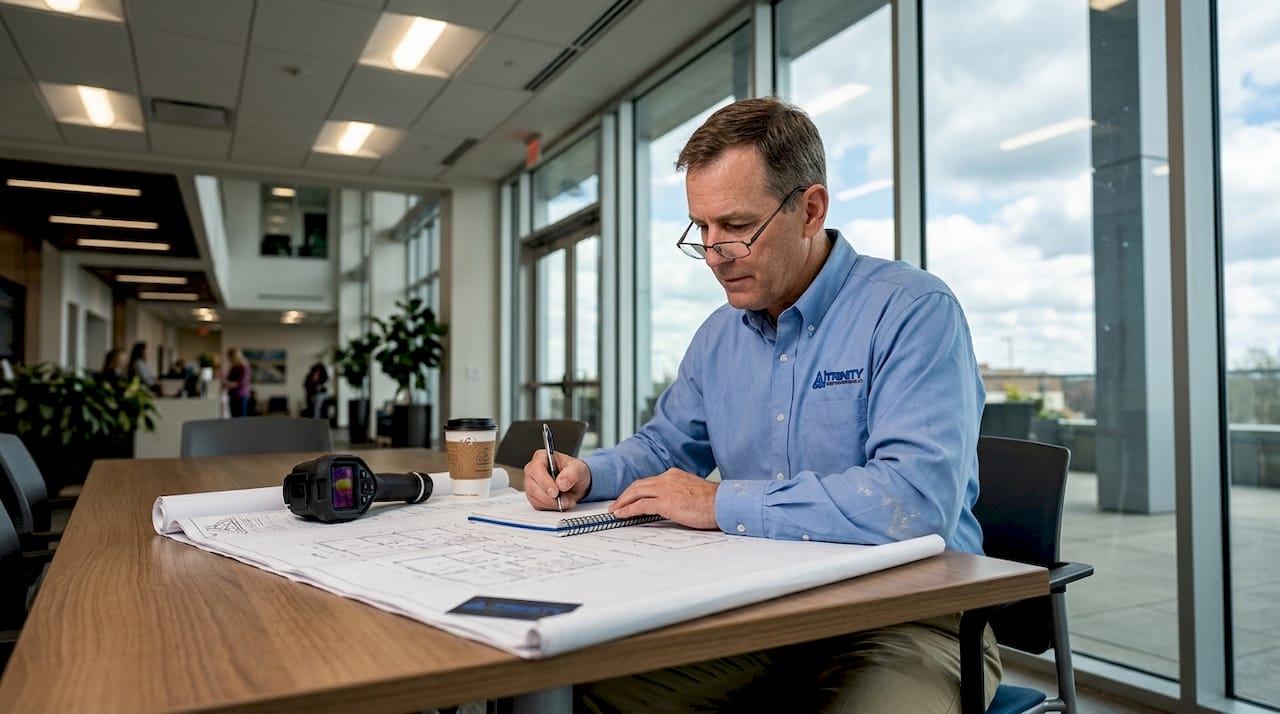
Most Gulf Coast Alabama buyers assume a standard home inspection covers commercial properties. It doesn’t. Commercial inspections demand specialized expertise, advanced technology, and understanding of hurricane resilience standards unique to coastal environments. Unlike residential inspections, commercial evaluations assess structural integrity under extreme weather stress, moisture intrusion from humid Gulf Coast conditions, and compliance with strict safety codes. Choosing the wrong inspector can cost you 20-30% of your property’s value in missed defects. This guide shows you exactly how to select a qualified commercial property inspection company that protects your investment and ensures informed real estate decisions in Baldwin, Mobile, Washington, Monroe, Clarke, and Escambia counties.
Key Takeaways
Point | Details |
Specialized inspections tech | Commercial inspections rely on advanced tools like drones, moisture diagnostics, and non destructive testing to assess coastal properties. |
Coastal hurricane focus | Preliminary surveys assess hurricane damage history, flood zone designations, and coastal erosion impacts before the full evaluation. |
Cost and scope | Typical fees range from $300-$400 per 1000 square feet. |
ComSOP emphasis | The ComSOP standard emphasizes visual, non destructive methods as the baseline for commercial inspections. |
Valuation risk | Choosing the wrong inspector can cost twenty to thirty percent of property value in missed defects. |
Understanding commercial property inspections: scope and standards
Commercial property inspections differ fundamentally from residential evaluations. ComSOP defines commercial inspection as primarily visual, non-intrusive assessment including safety and accessibility, with reporting and walk-through survey. These inspections focus on identifying visible defects and safety concerns without destructive testing unless specifically contracted.
The scope typically includes structural components, roofing systems, electrical panels and distribution, plumbing infrastructure, HVAC equipment, and life safety systems. Inspectors conduct preliminary surveys to identify access limitations and safety hazards before the detailed evaluation begins. This approach protects both the inspector and property while ensuring thorough visual documentation.
Commercial inspections operate under different constraints than residential ones:
Larger square footage requires more time and specialized equipment
Multiple tenants and occupied spaces limit access to certain areas
Complex mechanical systems demand advanced technical knowledge
Code compliance issues carry higher liability and financial consequences
Environmental factors like asbestos or mold require separate specialized testing
The ComSOP inspection standards establish that inspectors are not required to perform exhaustive testing, move furniture or stored items, or evaluate systems that are shut down or inaccessible. Understanding these limitations helps you set realistic expectations and budget for additional specialized evaluations when needed.
For Gulf Coast properties, the preliminary survey becomes even more critical. Inspectors must assess hurricane damage history, flood zone designations, and coastal erosion impacts before proceeding with the full evaluation. This context shapes the entire inspection approach and identifies areas requiring enhanced scrutiny.
Commercial inspections also differ in reporting format. Unlike residential reports focused on immediate safety concerns, commercial inspections guide documents provide detailed photographic evidence, cost estimates for repairs, and prioritized recommendations based on business impact. This information becomes crucial during negotiations and long-term maintenance planning.
Advanced inspection technologies and techniques for Gulf Coast properties
Modern commercial inspectors serving the Gulf Coast deploy sophisticated technologies that go far beyond visual assessment. Triton Management Services uses NDT, ground penetrating radar, infrared drone imaging, and moisture diagnostics for detailed inspections on various commercial structures. These tools detect problems invisible to the naked eye, especially in coastal environments where moisture intrusion threatens structural integrity.
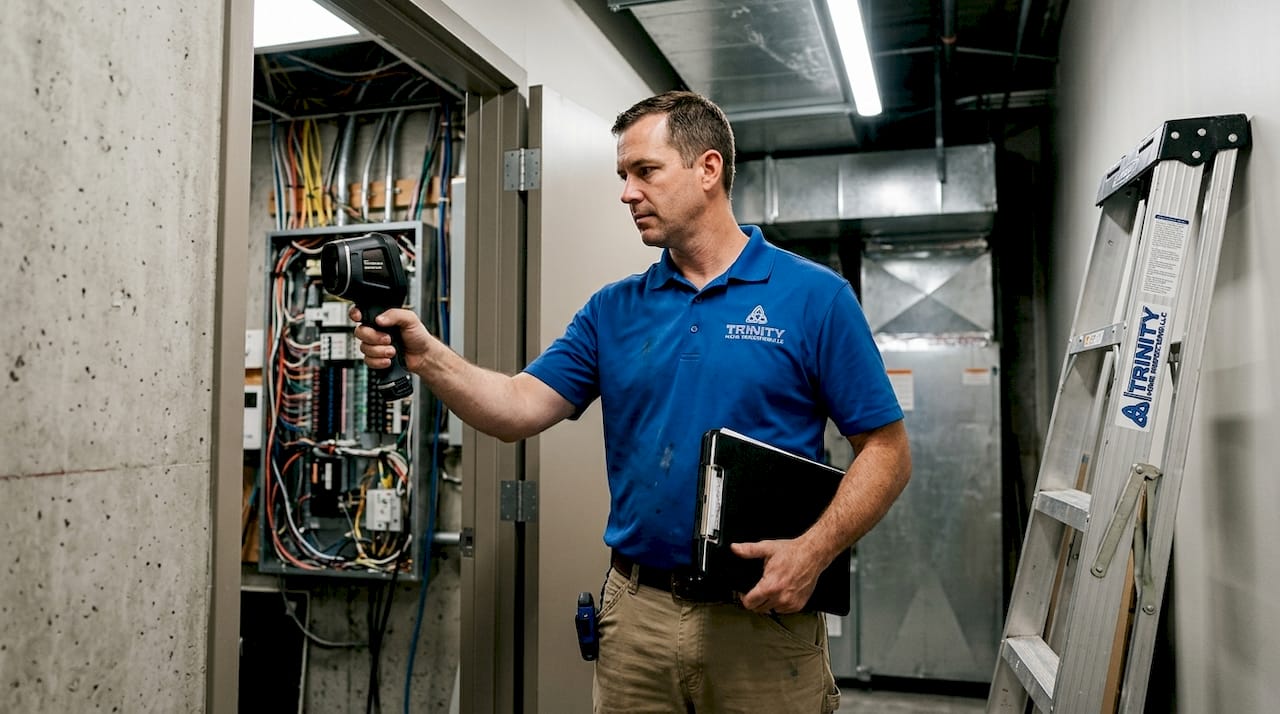
Non-destructive testing allows inspectors to evaluate hidden structural components without damaging finishes or disrupting business operations. Ground penetrating radar maps subsurface conditions, identifying voids, rebar placement, and underground utilities that affect foundation stability. This technology proves invaluable for older Gulf Coast properties where original construction documentation may be incomplete or unavailable.
Drone imaging revolutionizes roof inspections on multi-story commercial buildings. FAA-certified pilots capture high-resolution imagery of roof membranes, flashing details, and drainage systems without the safety risks of physical roof access. For hurricane-prone Gulf Coast properties, this technology documents wind damage, identifies vulnerable attachment points, and assesses overall roof condition efficiently.
Moisture intrusion diagnostics represent the most critical technology for Gulf Coast commercial properties:
Infrared thermal imaging reveals temperature differentials indicating water infiltration
Moisture meters quantify saturation levels in walls, ceilings, and structural components
Hygrometers measure ambient humidity to assess mold growth risk
Borescopes inspect wall cavities and concealed spaces for hidden damage
Pro Tip: Always request thermal imaging during summer months when air conditioning creates temperature differentials that make moisture intrusion more visible on infrared cameras.
Some inspectors use thermal imaging to provide crucial data against Gulf Coast hurricane risks. Fortified roof certifications assess whether roofing systems meet enhanced wind resistance standards, potentially reducing insurance premiums by 30-50%. These evaluations examine roof deck attachment, sealed roof deck, and impact-resistant covering systems.
Technology | Primary Application | Gulf Coast Benefit |
Thermal Imaging | Moisture detection, insulation gaps | Identifies hidden water damage from humidity |
Drone Imaging | Roof and exterior assessment | Safe inspection of storm-damaged areas |
Ground Penetrating Radar | Subsurface mapping | Evaluates foundation integrity in flood zones |
Moisture Meters | Quantifying water intrusion | Measures saturation in coastal environments |
The combination of these technologies creates a detailed picture of property condition that protects your investment. Moisture inspections in coastal properties become especially important given the Gulf Coast’s average humidity levels exceeding 70% year-round. This persistent moisture accelerates deterioration of building materials and creates ideal conditions for mold growth and structural decay.
Common inspection findings and risks unique to Gulf Coast commercial properties
Commercial property inspections in the Gulf Coast region consistently reveal specific patterns of deterioration and defects. Deferred maintenance and red flags like roofing deterioration, HVAC aging, and electrical code violations can reduce property value by 20-30% and cause 73% of deals to fail. Understanding these common findings helps you evaluate inspection reports effectively and negotiate repairs strategically.
Roofing issues top the list of commercial property defects. Gulf Coast properties face unique challenges from salt air corrosion, intense UV exposure, and hurricane-force winds. Inspectors frequently document membrane deterioration, failed flashing at penetrations, ponding water from inadequate drainage, and wind damage to edge details. These conditions allow water infiltration that cascades into interior damage affecting ceiling systems, insulation, and structural components.
Electrical system deficiencies create both safety hazards and code compliance issues:
Outdated panels lacking proper amperage for modern loads
Aluminum wiring requiring specialized connections
Missing GFCI protection in wet locations
Improper grounding and bonding
Overloaded circuits and undersized conductors
HVAC systems in Gulf Coast commercial properties work harder than equipment in temperate climates. The combination of high heat, humidity, and salt air accelerates component failure. Inspectors commonly find corroded condensers, failed compressors, inadequate ventilation, and ductwork leakage reducing efficiency by 30-40%. These conditions not only increase operating costs but also create indoor air quality problems affecting tenant health and satisfaction.
Pro Tip: Request detailed documentation of HVAC system age and maintenance history. Systems over 15 years old in Gulf Coast environments typically require replacement within 3-5 years.
Defect Category | Typical Severity | Impact on Property Value | Urgency Level |
Roof deterioration | Major | 15-25% reduction | Immediate |
Electrical code violations | Safety concern | 10-15% reduction | High |
HVAC system failure | Moderate to major | 5-10% reduction | Moderate |
Moisture intrusion | Major | 20-30% reduction | Immediate |
ADA non-compliance | Legal liability | Variable | High |
Moisture intrusion and resulting mold growth represent the most insidious problem in Gulf Coast commercial properties. Unlike sudden failures, moisture damage accumulates gradually, compromising structural integrity and creating health hazards. Inspectors document staining, efflorescence, spalling concrete, and visible mold growth as indicators of chronic moisture problems requiring immediate remediation.
Code compliance issues extend beyond building systems to accessibility requirements. ADA violations including inadequate parking, non-compliant restrooms, missing signage, and inaccessible entrances expose property owners to lawsuits and fines exceeding $75,000 per violation. Gulf Coast home inspection tips emphasize documenting these deficiencies to protect buyers from inherited liability.
Structural concerns in Gulf Coast properties often relate to foundation movement, wood-destroying organisms, and hurricane damage. Inspectors evaluate foundation cracks, differential settlement, termite activity, and structural connections vulnerable to wind uplift. These findings require specialized engineering evaluations to determine repair feasibility and costs.
How to choose the right commercial property inspection company in Gulf Coast Alabama
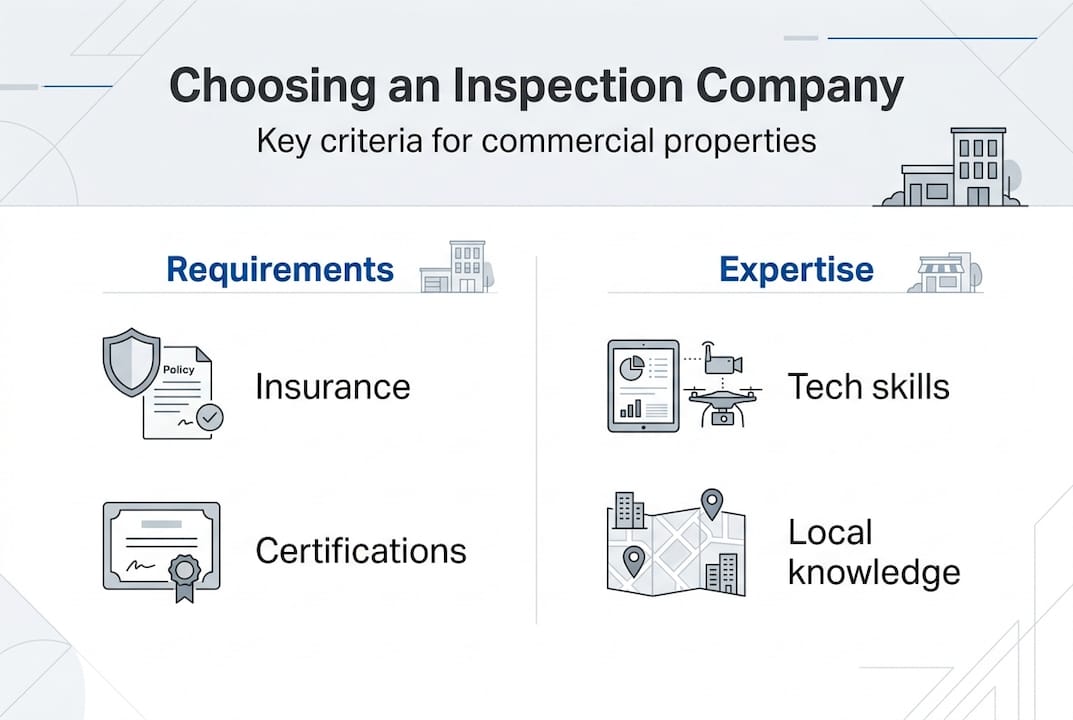
Selecting a qualified commercial property inspection company requires evaluating specific credentials and capabilities beyond basic licensing. Buyers and sellers should prioritize inspectors using advanced tech, compliant reports, and budget for add-ons like moisture diagnostics for humid Gulf Coast properties. This systematic approach ensures you hire an inspector equipped to identify the unique challenges facing coastal commercial real estate.
Follow these steps to evaluate potential inspection companies:
Verify the inspector uses non-destructive testing equipment including thermal imaging, moisture meters, and drone technology for comprehensive property assessment
Confirm compliance with standards and membership in professional organizations like CCPIA or InterNACHI that require ongoing education
Request sample reports demonstrating detailed photographic documentation, clear prioritization of defects, and actionable repair recommendations
Check experience specifically with Gulf Coast commercial properties including fortified roof evaluations and moisture intrusion diagnostics
Review client testimonials and references from recent commercial inspections in your target property type
Discuss turnaround time for report delivery and availability for post-inspection consultation to review findings
Obtain detailed pricing including potential add-on services like mold testing, indoor air quality sampling, or specialized structural evaluations
Pro Tip: Ask whether the inspector carries errors and omissions insurance exceeding $1 million. This coverage protects you if the inspector misses significant defects that affect your purchase decision.
Technology capabilities separate basic inspectors from qualified commercial specialists. Ensure your chosen company deploys thermal imaging to detect hidden moisture, uses drones for safe roof access on multi-story buildings, and employs moisture meters to quantify water intrusion in building materials. These tools provide objective data supporting inspection findings and repair negotiations.
Report quality matters as much as inspection thoroughness. Effective commercial inspection reports organize findings by system, include high-resolution photographs documenting each defect, provide estimated repair costs for budgeting, and prioritize issues by safety impact and financial consequences. Building repair reports from inspections should give you clear direction for negotiations and post-closing repairs.
Gulf Coast-specific expertise proves essential for accurate property evaluation. Your inspector should understand fortified construction standards, recognize hurricane damage patterns, identify moisture intrusion sources common in humid coastal environments, and evaluate flood mitigation measures. This specialized knowledge ensures nothing gets overlooked due to unfamiliarity with regional building challenges.
Budget appropriately for specialized evaluations beyond the basic inspection. Commercial properties often require additional testing for environmental hazards, structural engineering assessments, or mechanical system load calculations. Discuss these potential add-ons upfront to avoid surprises and ensure thorough due diligence.
The inspector’s communication style and availability matter for effective decision-making. Choose a company that welcomes your attendance during the inspection, explains findings in plain language without technical jargon, and remains available after report delivery to answer questions. Understanding inspection reports becomes much easier when you can discuss concerns directly with the inspector who evaluated your property.
Trust Trinity Inspections for your Gulf Coast commercial property needs
When you need reliable commercial property inspection services in Gulf Coast Alabama, Trinity Inspections brings the same commitment to excellence we apply to residential evaluations. Our InterNACHI certification, advanced inspection technology including thermal imaging and drones, and deep understanding of coastal property challenges ensure nothing gets missed during your due diligence process.
We deliver same-day photo and video-rich reports that clearly identify safety concerns, maintenance needs, and negotiation opportunities. Our color-coded reporting system helps you quickly distinguish between minor issues you can address yourself and major defects requiring professional remediation. Whether you need property and permit search services to verify building history, commercial mold inspection services to assess indoor air quality, or pre-listing seller home inspections to prepare for market, we provide the expertise Gulf Coast buyers and sellers trust.
Our local knowledge of Baldwin, Mobile, Washington, Monroe, Clarke, and Escambia counties means we understand the specific challenges your commercial property faces. From hurricane resilience to moisture management, we evaluate what matters most for successful Gulf Coast real estate transactions. Contact us today to schedule your commercial property inspection and gain the clarity you need for confident decision-making.
Frequently asked questions
What does a commercial property inspection include?
A commercial property inspection includes visual assessment of structural components, roofing systems, electrical distribution, plumbing infrastructure, HVAC equipment, and life safety systems. Inspectors use advanced tools like thermal imaging cameras to detect hidden moisture, drones for safe roof access, and moisture meters to quantify water intrusion in building materials. The inspection follows ComSOP standards emphasizing non-destructive evaluation methods that document visible conditions without damaging property or disrupting business operations.
How much does a commercial property inspection cost in Gulf Coast Alabama?
Typical costs range from $400 to $600 or roughly $400 per 1000 square feet for commercial property inspections. Larger properties, complex mechanical systems, and multiple buildings increase the base fee. Additional charges apply for specialized services like fortified roof evaluations, moisture intrusion diagnostics, mold testing, or structural engineering assessments. Budget an extra 20-30% beyond the base inspection fee for Gulf Coast properties requiring enhanced moisture and hurricane resilience evaluations.
Why are specialized inspections necessary for Gulf Coast commercial properties?
Hurricane risks, high humidity, and code compliance necessitate moisture diagnostics and fortified evaluations unique to Gulf Coast inspections. The coastal environment accelerates material deterioration through salt air corrosion, persistent moisture exposure exceeding 70% humidity, and extreme weather events. Fortified roof evaluations assess wind resistance standards that can reduce insurance premiums by 30-50%. Compliance with strict safety codes including ADA accessibility, fire protection, and flood mitigation reduces liability exposure and prevents fines that can exceed $75,000 per violation.
How do I use my commercial property inspection report effectively?
Review your inspection report systematically, starting with safety concerns and major defects that affect structural integrity or code compliance. Study the photographic documentation to understand each issue’s severity and location. Prioritize repairs based on the color-coded system identifying immediate safety hazards versus minor maintenance items. Use the detailed findings to build repair reports for negotiating purchase price reductions or seller credits. Schedule follow-up consultations with your inspector to clarify technical details and discuss repair strategies. Plan for annual maintenance inspections to monitor ongoing building condition and prevent small issues from becoming expensive failures. Understanding inspection reports helps you make informed decisions about repairs, budgeting, and long-term property management.
Recommended

