
How a Commercial Building Inspector Protects Your Gulf Coast Investment

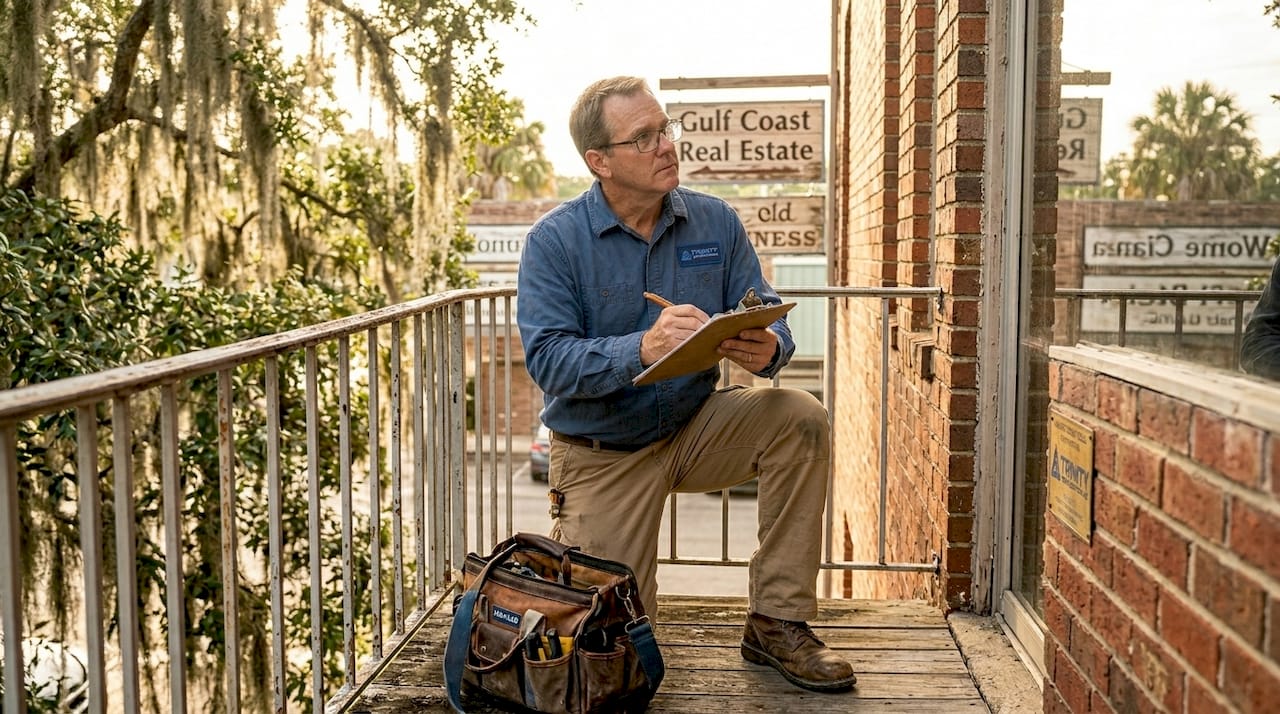
Many buyers underestimate how pre-purchase inspections uncover 73% of deal-killers like environmental contamination, structural defects, and failing systems that can derail transactions or cost hundreds of thousands in unexpected repairs. A professional commercial building inspection is not just a formality. It is your financial safeguard, your negotiating leverage, and your roadmap for maintaining property value in Alabama’s humid Gulf Coast climate. This guide explains how certified inspectors help you make informed real estate decisions, avoid costly surprises, and protect your investment from purchase through ongoing ownership.
Key Takeaways
Point | Details |
Deal killer findings | Pre purchase inspections reveal 73 percent of deal killers including environmental contamination, foundation cracks, roof failures, and HVAC breakdowns. |
Negotiation leverage | Certified commercial inspectors give buyers leverage to negotiate repairs or credits before closing. |
Prevent costly problems | Annual inspections and ongoing maintenance help prevent costly problems later on. |
Trusted inspection reports | Certified inspectors provide detailed, trustworthy reports that lenders and attorneys trust. |
Why hire a certified commercial building inspector?
Certified commercial building inspectors bring specialized expertise that generic property evaluations cannot match. Unlike residential inspections, commercial properties demand knowledge of complex building codes, safety regulations, and environmental risks unique to Gulf Coast conditions. A comprehensive commercial building inspections guide covers structural integrity, HVAC systems, roofing, plumbing, electrical components, and environmental hazards like mold or contamination.
The numbers tell the story. Practical research shows that pre-purchase inspections uncover 73% of deal-killers such as environmental contamination, foundation cracks, roof failures, and HVAC breakdowns. These findings give you the power to walk away from a bad investment or negotiate repairs before closing. Without this insight, you risk inheriting costly problems that could drain your budget for years.
Certified inspectors also understand the Gulf Coast climate. High humidity, salt air, and intense storms create conditions where mold thrives, metal corrodes, and roofing materials deteriorate faster than in drier regions. A trained professional knows where to look for these issues and how to document them accurately. Understanding the role of inspector in real estate helps you appreciate the value they bring to your transaction.
Pro Tip: Always confirm your inspector holds InterNACHI certification or equivalent credentials. This ensures they follow national standards, carry proper insurance, and deliver reports that lenders and attorneys will trust.
Key benefits of hiring a certified commercial inspector include:
Identification of code violations that could trigger fines or require expensive upgrades
Detection of environmental hazards like asbestos, lead paint, or soil contamination
Assessment of mechanical systems to estimate remaining lifespan and replacement costs
Documentation that supports loan approval, insurance underwriting, and legal due diligence
Peace of mind knowing a trained professional evaluated every critical system
Common issues found in Gulf Coast commercial buildings
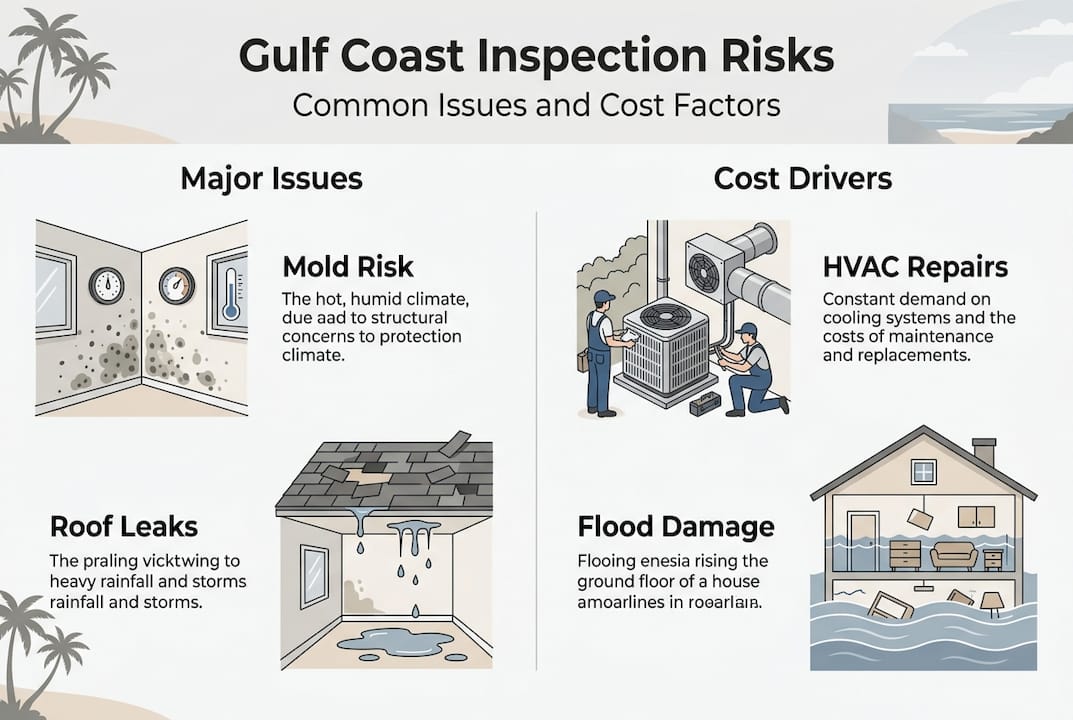
Alabama’s Gulf Coast climate creates specific challenges that certified inspectors routinely uncover. Humidity levels often exceed 70%, creating ideal conditions for mold growth inside walls, attics, and HVAC ducts. Roof systems face relentless UV exposure, wind-driven rain, and occasional hurricane-force winds that accelerate deterioration. HVAC units work overtime in the heat, leading to premature failures if maintenance is neglected.
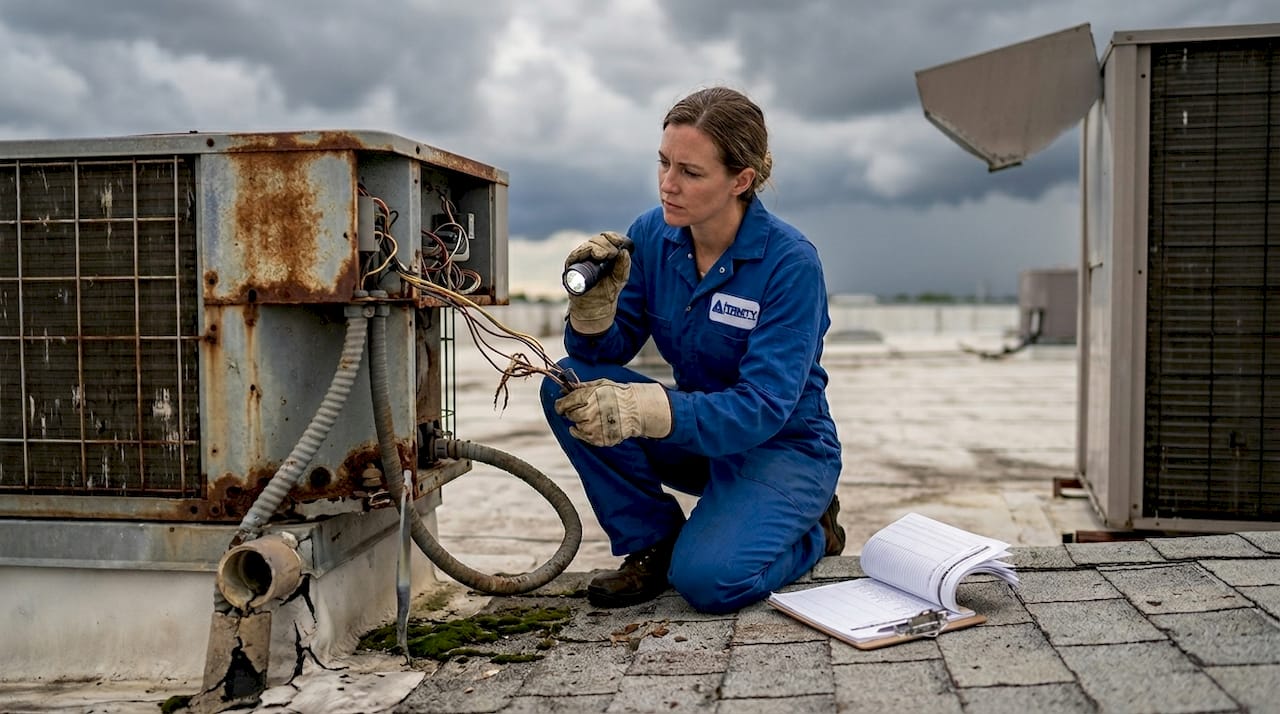
Pre-purchase inspections uncover major issues such as roof leaks, HVAC breakdowns, and environmental contamination that may require negotiation for credits or price adjustments. Roof problems alone can cost $50,000 to $200,000 to replace on a mid-sized commercial building. HVAC system replacements range from $30,000 to $150,000 depending on building size and complexity. Environmental contamination remediation can exceed $100,000 if soil or groundwater is affected.
Here are the most common issues inspectors find in Gulf Coast commercial properties:
Mold and moisture intrusion from poor ventilation, leaking roofs, or plumbing failures
Roof membrane deterioration, ponding water, and flashing failures that allow leaks
HVAC system inefficiency, refrigerant leaks, and ductwork problems reducing performance
Foundation settling or cracking due to expansive soils and high water tables
Electrical panel overloading, outdated wiring, and safety code violations
Plumbing corrosion, sewer line backups, and water heater failures
Environmental contamination from previous industrial use, underground storage tanks, or adjacent properties
This table shows typical issues, their causes, and estimated repair costs:
Issue | Common Cause | Estimated Cost |
Mold remediation | High humidity, poor ventilation, water intrusion | $5,000 to $30,000 |
Roof replacement | UV damage, storm wear, improper installation | $50,000 to $200,000 |
HVAC system failure | Age, lack of maintenance, oversized/undersized units | $30,000 to $150,000 |
Foundation repair | Soil movement, poor drainage, water table changes | $10,000 to $75,000 |
Environmental cleanup | Previous contamination, leaking tanks, soil issues | $50,000 to $500,000+ |
Understanding these risks helps you budget accurately and avoid properties with problems beyond your financial capacity. A home inspection repair guide Alabama provides additional context for prioritizing repairs, and learning to prioritize repairs after inspections ensures you address safety and structural issues first.
Pro Tip: Request thermal imaging during your inspection to identify hidden moisture, insulation gaps, and electrical hotspots that standard visual inspections might miss. This technology reveals problems before they cause visible damage.
How inspection results influence your buying or selling process
Inspection findings directly impact your negotiating position, repair priorities, and closing timeline. Buyers use detailed reports to request seller concessions, price reductions, or repair credits before finalizing the purchase. Sellers who conduct pre-sale inspections can address defects proactively, reducing surprises during buyer due diligence and streamlining transactions.
Negotiating credits for major repairs like roof and HVAC is common after inspections reveal significant defects. For example, if an inspection uncovers a $75,000 roof replacement need, you might negotiate a $50,000 credit at closing or request the seller complete the repair before transfer. Without inspection documentation, you have no leverage to make these requests.
This comparison table illustrates the difference between negotiating with and without inspection insights:
Scenario | Without Inspection | With Professional Inspection |
Negotiating power | Limited to visible issues only | Documented defects support specific requests |
Repair prioritization | Guesswork and reactive fixes | Clear roadmap based on safety and cost |
Budget accuracy | Surprise expenses after closing | Accurate estimates before purchase |
Seller response | May deny problems exist | Hard evidence requires response |
Closing confidence | Uncertainty about property condition | Informed decision with full transparency |
Understanding how inspection findings impact negotiations helps you approach the process strategically. Agents often use inspection reports to build a repair report that prioritizes issues by severity and cost, making it easier to present requests to sellers. Additionally, conducting a real estate permit and deed search alongside your inspection reveals unpermitted work, code violations, and title issues that could affect your investment.
Follow these steps to leverage inspection knowledge effectively:
Review the full report with your inspector to understand severity and urgency of each finding
Prioritize safety issues, structural defects, and expensive system failures first
Obtain contractor estimates for major repairs to support your negotiation requests
Decide whether to request repairs, credits, or price reductions based on your budget and timeline
Use the report to plan future maintenance and capital improvements after closing
Sellers benefit equally from pre-sale inspections. By identifying and addressing problems before listing, you reduce buyer objections, minimize negotiation delays, and often achieve higher sale prices because buyers feel more confident in the property’s condition.
Maintaining your commercial property after inspection
Your inspection report is not just a transaction tool. It is a maintenance roadmap that protects your investment long after closing. Annual maintenance based on inspection findings prevents problem escalation and preserves property value by catching small issues before they require expensive emergency repairs.
Scheduled upkeep extends the lifespan of critical systems. HVAC units maintained annually last 15 to 20 years instead of failing at 10 years. Roofs inspected and repaired regularly reach their full 20 to 30 year lifespan instead of requiring premature replacement. Plumbing systems monitored for corrosion and leaks avoid catastrophic water damage that can cost tens of thousands to remediate.
Gulf Coast climate demands extra vigilance. High humidity requires frequent mold inspections, especially in HVAC systems, crawl spaces, and areas with poor ventilation. Salt air accelerates metal corrosion on roofing, HVAC units, and structural components. Hurricane season brings wind and water intrusion risks that require post-storm inspections to identify damage before it worsens.
Practical maintenance tips for Gulf Coast commercial properties include:
Schedule HVAC filter changes monthly and full system inspections twice yearly to maintain efficiency
Inspect roofs quarterly for ponding water, loose flashing, and membrane damage
Test plumbing fixtures and water heaters annually to catch leaks and corrosion early
Monitor indoor humidity levels and run dehumidifiers to keep levels below 60% to prevent mold
Conduct thermal imaging inspections annually to detect hidden moisture and insulation problems
Inspect foundations and grading after heavy rains to ensure proper drainage away from the building
Review electrical panels and circuits yearly to identify overloading and safety hazards
A commercial building maintenance tips guide provides additional strategies for protecting your investment over time. Treating your inspection report as a living document helps you stay ahead of problems and budget for capital improvements systematically.
Pro Tip: Update your maintenance plan annually based on new inspection findings and system age. What seems minor this year might become urgent next year, so tracking changes helps you allocate resources wisely.
Explore professional inspection services for your commercial property
Now that you understand how inspections protect your Gulf Coast investment, it is time to connect with certified professionals who deliver the clarity you need. Trinity Inspections offers InterNACHI-certified commercial building inspections tailored to Alabama’s unique climate challenges. Our reports include detailed documentation, thermal imaging, and actionable recommendations that help you negotiate confidently or prepare your property for sale.
Beyond standard inspections, we provide specialized services like indoor air quality testing to identify mold spores, VOCs, and allergens that affect tenant health and property value. Our real estate property, deed, and permit search services uncover unpermitted work, code violations, and title issues that could derail your transaction. Sellers benefit from our pre-sale home inspection services that identify problems before buyers do, giving you time to address issues and maximize your sale price. Whether you are buying, selling, or maintaining a commercial property in Mobile, Baldwin, Escambia, Washington, or Monroe County, our same-day reports and post-inspection support ensure you move forward with confidence.
Frequently asked questions
What does a commercial building inspector check?
A certified commercial inspector evaluates structural integrity, HVAC systems, roofing, plumbing, electrical components, and environmental hazards like mold or contamination. They also verify compliance with local building codes and safety regulations. Gulf Coast inspections pay special attention to humidity-related issues, roof condition, and corrosion from salt air exposure.
How long does a commercial building inspection take?
Most commercial inspections take 2 to 5 hours depending on property size, age, and complexity. Larger buildings or those with extensive mechanical systems require more time. Additional testing like mold sampling, air quality analysis, or environmental assessments may extend the inspection by several hours or require separate appointments.
Can inspection findings help me negotiate a better price?
Yes, detailed inspection reports reveal costly repairs that support requests for price reductions, repair credits, or seller concessions. Documented evidence of roof failures, HVAC problems, or environmental contamination gives you leverage to renegotiate terms before closing. Pre-sale inspections also empower sellers to address issues proactively, reducing buyer objections and strengthening their negotiating position.
How often should commercial buildings be inspected?
Commercial properties should receive professional inspections at least annually to maintain systems, prevent costly emergencies, and preserve value. Additional inspections are recommended after severe weather events, major renovations, or when changing tenants. Regular evaluations catch small problems before they escalate into expensive repairs or safety hazards.
Recommended
