
Difference Between Appraisal and Inspection: What Homebuyers in Alabama Must Know

Sorting out what a home appraisal covers versus what an inspection reveals can leave Baldwin and Mobile County buyers and sellers frustrated and confused. These steps sound alike but actually answer very different questions during your real estate transaction. Knowing the distinction between a home appraisal as a valuation process and a home inspection as a condition assessment equips you to budget wisely, avoid costly mistakes, and negotiate with confidence in the Alabama market.
Table of Contents
Key Takeaways
Point | Details |
Understanding Purpose | A home appraisal determines market value for the lender, while a home inspection assesses the property condition for the buyer. |
Order and Timing Matter | Schedule inspections first to negotiate repairs before appraisals, which protect the lender’s interests. |
Control and Cost | Buyers control inspections, including payment and usage of reports, while lenders control appraisals. |
Avoid Costly Misconceptions | Skipping inspections can lead to unexpected repair costs, and assuming appraisals reveal condition is misleading. |
Appraisal Vs. Inspection: Defining Each Step
When you’re buying a home in Baldwin or Mobile counties, you’ll hear both terms thrown around. “Get an inspection.” “The appraisal came back.” They sound similar, but here’s the reality: they’re fundamentally different processes that serve completely different purposes. Understanding the distinction isn’t just academic—it affects your timeline, your budget, and your negotiating power.
A home appraisal is a valuation process. An appraiser, licensed by the state and often required by your lender, determines what your home is worth. They do this by examining market data, recent comparable sales in your area, property condition, and local market trends. The appraisal exists primarily for your lender—they want to ensure the property is worth at least what you’re borrowing. If you’re financing $300,000 but the home appraises at $280,000, that’s a problem. Your lender won’t lend more than the appraised value, which means you’ll either need to make up the difference in cash or renegotiate the price. The appraiser walks through the home and notes general condition, but they’re not performing a detailed structural or mechanical inspection. Their job is value, not condition.
A home inspection is a condition assessment. A thorough but non-invasive examination of the home’s physical condition, performed by a certified inspector like those at Trinity Home Inspections, identifies material defects affecting safety and functionality. During an inspection, we test outlets and switches, examine plumbing and electrical systems, check the roof and foundation, evaluate HVAC equipment, look for water damage and potential microbial growth issues, and assess structural integrity. We use tools like thermal imaging, moisture meters, and gas detectors to find problems the naked eye can’t catch. The inspection report doesn’t determine value—it determines condition and identifies what needs attention, repair, or replacement. When you schedule an inspection in Baldwin County, you’re getting a snapshot of what actually works and what doesn’t, plus an honest assessment of what repairs might be needed.
Here’s what trips up most buyers: the order matters, and so does timing. Typically, you’d order an inspection first, usually within 7-10 days after your offer is accepted. This inspection period gives you leverage. If major issues appear in the report, you can renegotiate the price, ask the seller to make repairs, or even back out, depending on your contract terms. Only after you’re satisfied with the condition—or you’ve negotiated repairs—does the appraisal happen. Your lender orders the appraisal, usually after your inspection contingency has been cleared. If the appraisal comes back low, you and the seller negotiate again, or you adjust your financing. If everything clears, you move forward to closing.
One more critical point: these two processes serve different stakeholders. The inspection protects you, the buyer. The appraisal protects your lender. That’s why they can’t substitute for each other. A home might appraise at asking price but have a roof that needs replacing in two years, foundation cracks, or outdated electrical systems. Conversely, a home might appraise lower than expected but be in excellent structural condition—market conditions shift, and comparable sales matter. You need both.
When you’re comparing properties or preparing for purchase, understanding what a home inspection consists of helps you know exactly what to expect. In Alabama, there’s no requirement for appraisals in cash deals, but lenders always require them. Inspections, on the other hand, are your choice—but they’re the smartest choice you’ll make as a buyer.
Pro tip: Schedule your inspection as soon as your offer is accepted, and attend the inspection in person if you can. This gives you time to review the report, negotiate any needed repairs with the seller, and address concerns before the appraisal happens—keeping your timeline on track and your options open.
Here’s a side-by-side comparison of appraisals and inspections to clarify their roles in a home purchase:
Aspect | Home Appraisal | Home Inspection |
Primary Purpose | Determine market value for the lender | Uncover property condition for buyer |
Who Orders | Lender | Buyer |
Who Pays | Lender (via closing costs) | Buyer (direct payment) |
Detail Level | Surface-level, market-focused | Comprehensive, system-by-system |
When Conducted | After inspection, before closing | Shortly after offer acceptance |
Negotiation Impact | Influences loan approval/amount | Enables repair/price negotiations |
Purpose and Scope of Appraisals
When your lender orders an appraisal, they’re asking a specific question: Is this property worth what the buyer is paying for it? That’s the core purpose of an appraisal in a real estate transaction. The appraiser’s job is to determine market value by analyzing comparable sales, property characteristics, and local market conditions. But here’s what many homebuyers don’t realize: the appraisal scope is carefully defined by the appraiser to solve a specific problem. The scope answers who is ordering it, what type of property it is, where it’s located, when the valuation applies, and why the appraisal is being done. All of these factors shape what the appraiser examines and how they arrive at their conclusion.
Real estate appraisal involves assessing property value based on market factors like size, condition, and location. In a typical home purchase in Baldwin or Mobile counties, your lender requires the appraisal to protect their investment. They’re lending you money secured by the property, so they need confidence the home is worth at least what they’re lending. If you’re buying a $350,000 house but putting down only $50,000, the lender is on the hook for $300,000. An appraisal that comes back at $320,000 creates a gap—suddenly the property isn’t worth what was promised. The appraiser looks at square footage, number of bedrooms and bathrooms, lot size, property age, overall condition, and comparable sales from the past few months in your area. They’re not crawling into the attic or testing electrical outlets. They’re making observations about general condition while focusing heavily on data that affects value: location, market trends, and what similar homes recently sold for.
The scope of an appraisal is narrower than most buyers expect. The appraiser won’t identify that your roof has five years left instead of ten. They won’t catch the plumbing issue in the crawlspace or the electrical panel that’s outdated. That’s not their role. The appraiser notes obvious defects that materially affect value—like a foundation crack, missing siding, or a non-functional system—but they’re not performing the deep diagnostic work you need to understand what repairs are coming. This is precisely why appraisals and inspections serve completely different purposes. An appraisal answers the question, “What is the market value?” An inspection answers, “What condition is this house actually in?” You need both answers before committing to a purchase.
One critical scenario plays out regularly in Alabama: a home appraises lower than the purchase price. Maybe the market softened, comparable sales came in lower than expected, or the appraiser weighted condition issues heavily. When this happens, you have limited options. You can renegotiate with the seller to lower the price to match the appraised value, make up the difference in cash, or walk away if your contract allows it. This is why understanding appraisal scope matters—it helps you recognize that a low appraisal doesn’t mean the house is in poor condition; it means the market value doesn’t support your offer price. The inspection might show the home is perfectly sound. The appraisal simply reflects what buyers are willing to pay in your market right now.
Pro tip: Request the appraisal report as soon as it’s completed, and review it carefully alongside your inspection report—a low appraisal combined with significant inspection issues gives you strong negotiating leverage, while a solid appraisal with minor inspection findings means you’re in a secure position to close.
Purpose and Scope of Inspections
A home inspection serves one clear purpose: to give you a detailed picture of what you’re actually buying. Unlike an appraisal, which answers the question of market value, an inspection answers the question of condition. Systematic examination and evaluation of systems through measurements, tests, and visual assessment determine whether components meet operational requirements and identify defects affecting safety, function, and condition. When a certified inspector walks through a home in Baldwin or Mobile counties, they’re documenting what works, what doesn’t work, and what might need attention soon. This information is yours to use however you see fit, whether that means renegotiating repair costs with the seller, budgeting for future repairs, or walking away from the deal entirely.
The scope of a home inspection is comprehensive and hands-on. We test every outlet and switch we can access, run water through all plumbing fixtures, operate HVAC systems, walk the roof (or use drones when necessary for safety), examine the foundation and structural elements, check attic ventilation and insulation, look for signs of water damage and microbial growth, inspect appliances, evaluate electrical panels, and assess overall system functionality. The role of home inspections in real estate sales extends beyond just identifying problems; a thorough inspection gives you negotiating power. If the inspector finds that the roof needs replacement in the next three years, the HVAC system is at the end of its life, or there’s evidence of past water intrusion, you have concrete reasons to ask the seller for concessions or repairs. Unlike an appraiser who makes observations and notes general condition, an inspector uses specialized tools like thermal imaging, moisture meters, and gas detectors to uncover hidden issues. We provide detailed photographs and videos of problems, not vague observations. You get a searchable report organized by system, typically delivered the same day as the inspection, so you can review findings while the home is still fresh in your mind.
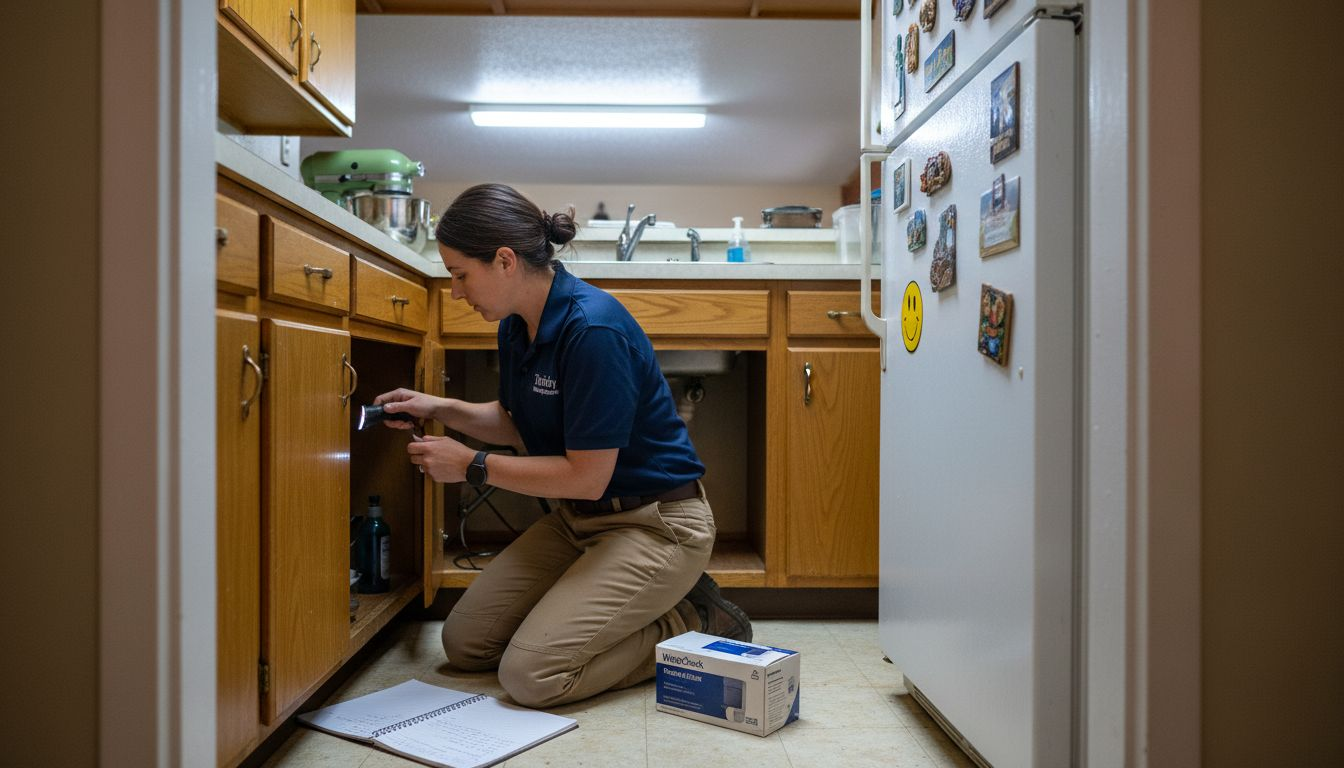
What makes an inspection different from an appraisal is that it’s entirely your tool. Your lender doesn’t require it. Your lender doesn’t see it. The inspection protects you, the buyer. An appraiser might note that a roof looks worn, but an inspector tells you the roof is 18 years old and has 2 to 3 years remaining before leaks become likely. An appraiser might mention that electrical systems appear functional, but an inspector tests 50 or more outlets and identifies which ones have reversed polarity or missing grounds. An appraiser sees a water stain on a ceiling; an inspector uses moisture meters to determine if the stain is old and dry or recent and active. These details matter enormously when you’re deciding whether to proceed with a purchase or how much you need to factor into your repair budget. In Alabama’s humid climate, water intrusion and microbial growth are common concerns that an inspection can identify before they become expensive structural problems.
The timing of your inspection also gives it strategic value. You typically schedule an inspection within 7 to 10 days of your offer being accepted, during your inspection contingency period. This is your window to identify problems and negotiate. If the inspection reveals significant issues, you can ask the seller to make repairs, offer credits toward closing costs, or reduce the price. If problems are minor or expected for the home’s age and construction, you move forward knowing exactly what you’re getting into. The appraiser comes later, after your inspection contingency has been satisfied. This order matters. You want to know about condition problems before the appraisal happens, because those problems might also affect the appraisal value. A roof that needs replacement could trigger a low appraisal, giving you additional negotiating leverage. Without an inspection, you’d be surprised by both the condition problems and the appraisal shortfall at the same time, leaving you scrambling to adjust your offer.
Pro tip: Attend your home inspection in person if at all possible, and ask the inspector to explain findings as they work rather than waiting for the final report—seeing moisture in the crawlspace or watching the inspector test outlets gives you a visceral understanding of problems that photos alone can’t convey, and it prepares you psychologically for the repairs ahead.
Who Orders, Pays For, And Uses Reports
Here’s where appraisals and inspections diverge dramatically in terms of control and cost. You order and pay for the inspection. Your lender orders and pays for the appraisal. This fundamental difference shapes who benefits from each report and how the information gets used in your transaction. When you’re buying a home in Baldwin or Mobile counties, understanding who controls each process helps you know what you’re entitled to see, what decisions you can make based on findings, and where your negotiating power actually lies.
Inspections are buyer-controlled and buyer-funded. You schedule the inspection, choose the inspector, and pay the fee, typically between $300 and $600 depending on home size and complexity. Because you’re paying for it, the report belongs to you. You can share it with your real estate agent, your lender, the seller, or no one at all. You control how the information is used. If the inspection reveals that the roof needs replacement, you decide whether to ask the seller for repairs, request a credit at closing, reduce your offer, or proceed without any concessions. Buyers order and pay for inspections to understand home condition and use reports to decide on repairs or negotiation. This is your leverage. Your lender doesn’t require the inspection, doesn’t order it, and typically doesn’t even see it unless you voluntarily share findings that affect your financial decision. The inspection is entirely your tool for due diligence. You’re investing in knowledge about the property before committing $300,000 or more to the purchase.
Appraisals are lender-ordered and lender-funded. Your lender orders the appraisal once your offer is accepted and your inspection contingency is satisfied. The lender pays the appraisal fee, which gets rolled into your closing costs, so technically you’re paying for it through your mortgage, but you’re not writing the check directly and you’re not choosing the appraiser. The lender selects the appraiser to ensure impartiality. The appraisal report belongs to your lender first and foremost. They need it to decide whether to approve your loan at the agreed upon amount. You’ll receive a copy of the appraisal, but the lender is the primary user. If the appraisal comes back low, your lender is the one who tells you there’s a problem. You can request a reconsideration of value if you believe the appraisal is inaccurate, but the lender makes the final decision about whether to accept the appraised value or require adjustments to your loan amount or down payment.
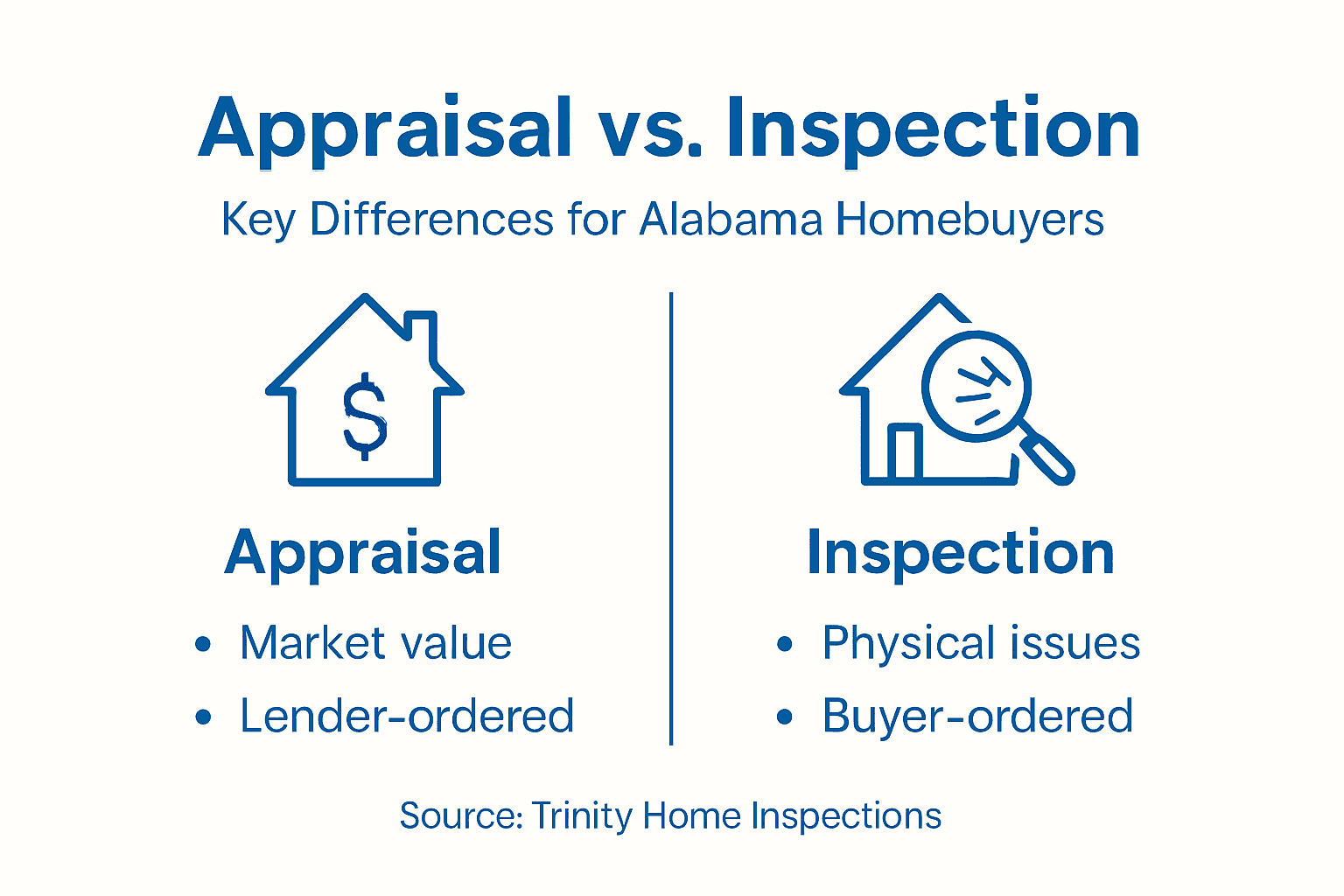
This ownership structure creates very different dynamics. With the inspection, you have complete control. You see problems early, negotiate based on concrete findings, and make informed decisions about proceeding. With the appraisal, you have limited control. You can provide documentation if you believe comparable sales were chosen incorrectly or if the appraiser missed significant condition issues, but ultimately the lender decides. The appraisal’s primary audience is the lender, not you. That’s why an appraisal at fair market value doesn’t guarantee you’re getting a good deal on the home. It only guarantees the property is worth what your lender is comfortable lending. Meanwhile, inspection reports serve you directly. They tell you exactly what repairs are likely needed, what systems are aging, and what safety issues exist. In Alabama’s coastal climate, where humidity and salt air create unique challenges, an inspection might reveal that HVAC systems have shorter lifespans than in other regions, or that exterior materials are degrading faster than typical. That’s information only an inspection provides.
One more critical distinction: access and timing. You attend the inspection and see findings in real time. You get the inspection report the same day and can review findings while negotiating with the seller. The appraisal happens after your inspection contingency closes, meaning you’ve already committed to the purchase before learning the appraised value. If you’ve negotiated repairs based on inspection findings but the appraisal comes back low, you’re stuck dealing with two separate problems simultaneously. This is why the order matters so profoundly. Schedule and complete your inspection first, negotiate any needed repairs or price reductions, then move forward knowing exactly what the home’s condition is. Only then does the appraisal happen, protecting your lender’s investment in the property.
Pro tip: Request a copy of the appraisal report immediately upon completion and compare it to your inspection report—if the appraiser noted condition issues in their value conclusion, you have documentation supporting requests for repairs or credits from the seller, and if the appraised value differs significantly from your purchase price, you’ll want that information before appraisal contingency deadlines pass.
Common Misconceptions And Cost Implications
The biggest misconception homebuyers hold is that appraisals and inspections are interchangeable. They’re not. Many first-time buyers assume that because both involve someone examining the home, they must serve similar purposes. In reality, they answer completely different questions and serve completely different stakeholders. This confusion costs buyers money and sometimes costs them homes because they make decisions based on incomplete information. Understanding what each process actually does prevents costly mistakes during your home purchase in Baldwin or Mobile counties.
The first misconception is that an appraisal tells you the condition of the home. It doesn’t. An appraiser glances at general condition to understand how it affects market value, but they’re not inspecting systems, testing components, or identifying defects. A home might appraise at $350,000 with a perfectly sound assessment from the appraiser, but have an electrical panel that needs replacement for $8,000, a roof with two years remaining at a cost of $12,000 to replace, or foundation issues that require monitoring. The appraiser noted “foundation appears sound” based on visual inspection, but they didn’t use ground-penetrating radar or hire a structural engineer. Meanwhile, inspections and appraisals serve different purposes, with inspections assessing condition while appraisals determine value, so relying on an appraisal for condition information leaves you vulnerable. The second misconception is that a low appraisal means the home is in poor condition. Not necessarily. An appraisal might come back low because comparable sales in the area decreased, market conditions shifted, or the appraiser weighted certain factors heavily. The home’s condition might be excellent. Conversely, an appraisal might come back at asking price while the inspection reveals significant problems. Confusing these two reports leads buyers to make poor negotiating decisions or fail to negotiate at all.
Cost implications follow directly from these misconceptions. Many buyers skip the inspection to save money, reasoning that the appraiser will identify any serious problems. This is dangerously false. The appraisal won’t catch problems that don’t materially affect value. A water stain in the attic that’s been there for years and is now stable might not affect value materially, but it tells you something important about the home’s history. An electrical outlet with reversed polarity doesn’t affect value, but it’s a shock hazard. Missing GFCI outlets in bathrooms and kitchens is a safety issue that might not be obvious from an appraisal. Skipping the inspection to save $400 to $500 could cost you thousands in unexpected repairs after closing. You own the problems once you sign the deed. The seller has no obligation to fix anything they’re not contractually required to fix, and without an inspection giving you leverage during negotiations, you’re buying the home as is with no knowledge of what as is actually means.
Another cost misconception involves the appraisal fee. Buyers sometimes think they can negotiate the appraisal cost or skip it entirely in cash deals. In mortgage transactions, you can’t skip the appraisal, and your lender controls the cost and appraiser selection, so negotiating is impossible. In cash deals, appraisals are optional, but many cash buyers still get them for protection and clarity on property value. The cost is typically $400 to $600 depending on property size and complexity. For comparison, inspections cost about $400 to $700. Neither is expensive relative to the protection they provide. Spending $900 total on both an inspection and appraisal for a $350,000 home is spending less than 0.3 percent of the purchase price to understand what you’re buying and ensure you’re paying fair value. Skipping either one to save money is false economy.
The final misconception involves timing and contingencies. Some buyers believe they can use appraisal contingencies as inspection contingencies. They can’t. An appraisal contingency protects you if the appraised value comes in low. It doesn’t protect you from condition problems. If you waive your inspection contingency but keep your appraisal contingency, you’re betting that an appraisal will somehow identify condition defects it’s not designed to find. When it doesn’t, you’re stuck. Your lender will approve the loan based on a reasonable appraised value, and you’ll have no contractual right to back out. You’ll own a home with unknown condition problems and no way to renegotiate. In competitive markets, some buyers waive inspection contingencies thinking they’re speeding up the purchase. What they’re actually doing is blindfolding themselves. In Alabama’s real estate market, waiving an inspection contingency is rarely necessary and almost always a mistake.
Pro tip: Budget for both an inspection and an appraisal from the start, and never waive your inspection contingency even in competitive markets—the small investment in an inspection provides far more protection than the appraisal does, because inspection findings give you negotiating leverage during the contingency period when you can still back out or renegotiate.
Risks of Skipping Appraisal or Inspection
Skipping either an appraisal or inspection isn’t just risky. It’s financially reckless. Yet buyers skip them regularly, usually under pressure or to cut costs. They tell themselves the appraisal will catch problems, or they’ll handle inspections after closing, or they’re buying in a strong market where everything moves fast. These rationalizations lead to decisions that cost tens of thousands of dollars or trap buyers in homes with serious safety issues. Understanding the real risks of skipping either process helps you make the right choice, even when market pressure suggests otherwise.
Skipping an inspection exposes you to unforeseen structural, safety, and mechanical problems that become your financial responsibility the moment you close. Skipping a home inspection can lead to serious unforeseen issues such as structural or safety problems that may be costly to fix. A roof that looks fine from the ground might have rotted decking discovered only when you need to replace it. A foundation crack that’s stable today could spread in Alabama’s freeze-thaw cycles. An electrical panel running hot could burn your house down. Plumbing that appears functional might have corroded pipes inside the walls, revealed only when they burst. You can’t unknow these problems once you own the home. You can’t ask the seller to fix anything. You own the liability and the repair costs. One major repair, like foundation work or roof replacement, can easily cost $15,000 to $30,000. Many buyers skip inspections to save $400 to $700, then face repair bills that dwarf that savings. In competitive markets, some buyers convince themselves they’ll get a pre-drywall inspection on new construction or an inspection contingency removal after a walkthrough. These strategies rarely work. Pre-drywall inspections are useful but limited in scope. Post-walkthrough removals mean you’ve already committed to the purchase without professional assessment. The risk isn’t worth saving a few days in a transaction timeline.
Skipping an appraisal in a mortgage transaction isn’t actually possible. Your lender requires it. But in cash deals, some buyers skip appraisals thinking they don’t matter without a lender involved. This is backwards thinking. The appraisal protects you as much as it protects a lender. When you pay cash, you’re committing your own money with no safety net. An appraisal tells you whether the property’s market value supports your purchase price. If you’re paying $400,000 for a home that appraises at $360,000, you’re overpaying by $40,000. In Alabama’s market, where comparable sales data is readily available, that gap represents either a genuine market shift or a problematic property. You need that information before committing. Without an appraisal, you’re operating on emotion and the seller’s claims about value. Sellers have every incentive to convince you the price is fair. They benefit from you paying more. An appraiser has no incentive to flatter either side. They provide objective market data. Skipping that perspective in a cash deal is like flying an airplane without instruments because you can see the runway. You think you know where you’re going until you don’t.
The combined risk of skipping both processes is catastrophic. You buy a home without knowing its condition and without confirming you’re paying fair value. Six months later, you discover foundation problems that cost $25,000 to repair. You also learn that comparable homes in your neighborhood sold for $30,000 less than you paid. You’re now underwater on a property with significant issues, and you have no recourse. The seller is gone. Your real estate agent is done. You own the problem entirely. This scenario plays out regularly in competitive markets where buyers feel pressured to waive contingencies and move fast. The pressure is real, but the consequences are permanent. In Baldwin and Mobile counties, where the real estate market is strong and competition is common, skipping inspections and appraisals might feel like the only way to win a bid. But winning the bid at the wrong price or with hidden problems isn’t winning at all.
There’s also the psychological cost of skipping due diligence. Buyers who skip inspections often experience buyer’s remorse the moment they close. They notice things they didn’t before. They wonder what the inspector would have found. They second-guess their decision. If problems emerge during the first year of ownership, that regret compounds. They could have negotiated repairs or backed out. Now they’re stuck. This stress affects your enjoyment of the home and your financial peace of mind. The inspection contingency period isn’t wasted time. It’s your protection period. Using it fully gives you confidence in your purchase. Removing it to save a few days costs you that confidence.
The following table summarizes the consequences of skipping either process when purchasing a home:
If Skipped | Immediate Risk | Long-Term Impact |
Appraisal | May overpay; no value check | Lose financial protection |
Inspection | Hidden defects, unknown repairs | Surprise maintenance and costs |
Both | No value verification or defect discovery | Severe financial risk, total buyer liability |
Pro tip: Include inspection and appraisal contingencies in your offer even in competitive markets, and make them reasonable periods—typically 7 to 10 days for inspections and 5 to 7 days for appraisals—so you’re not rushing through either process and you maintain your ability to renegotiate or back out if either report reveals problems you can’t accept.
Get the Full Picture Before You Buy With Trinity Home Inspections
Understanding the clear difference between a home appraisal and a home inspection is crucial for making a confident and informed decision in Alabama’s real estate market. While an appraisal tells you what a lender thinks a home is worth, only a comprehensive inspection reveals the true condition of the property. Don’t risk unexpected repairs or overpaying because you skipped your due diligence. Trinity Home Inspections offers InterNACHI-certified, professional home inspections with advanced tools like free thermal imaging and same-day photo and video rich reports to give you the clarity you need.

Protect your investment and gain powerful negotiating leverage by scheduling your inspection early in the buying process. Visit Trinity Home Inspections to learn how our experienced team serves Baldwin, Mobile, and surrounding Gulf Coast areas. Find out more about what a home inspection consists of and why our thorough service is your smartest choice. Take control with trusted, detailed reports that give you peace of mind and the tools to make the best real estate decisions.
Frequently Asked Questions
What is the main difference between a home appraisal and a home inspection?
A home appraisal determines the property’s market value for the lender, while a home inspection assesses the physical condition of the home for the buyer.
Why is a home inspection important for buyers?
A home inspection is crucial as it uncovers potential defects, safety issues, and necessary repairs, allowing buyers to make informed decisions and negotiate effectively.
Can I skip the home inspection if I have an appraisal?
No, you should not skip a home inspection. An appraisal does not assess the home’s condition; it only determines its market value. Both processes serve different purposes and are essential for a successful purchase.
Who pays for the home appraisal and inspection?
The lender orders and pays for the appraisal through closing costs, while the buyer typically orders and pays for the home inspection directly.
Recommended

